




Survey Reveals Diverse Attitudes Towards Work Gatherings Among Different Generations
Understanding Generational Attitudes Towards Work-related Gatherings
A recent study conducted by Loyalty Marketing, the company behind the popular points service Ponta, has shed light on how different generations perceive work-related social gatherings. The survey, which collected responses from 1,002 individuals aged 20 to 61, revealed significant differences in participation intentions and motivations across age groups.
Participation Intentions
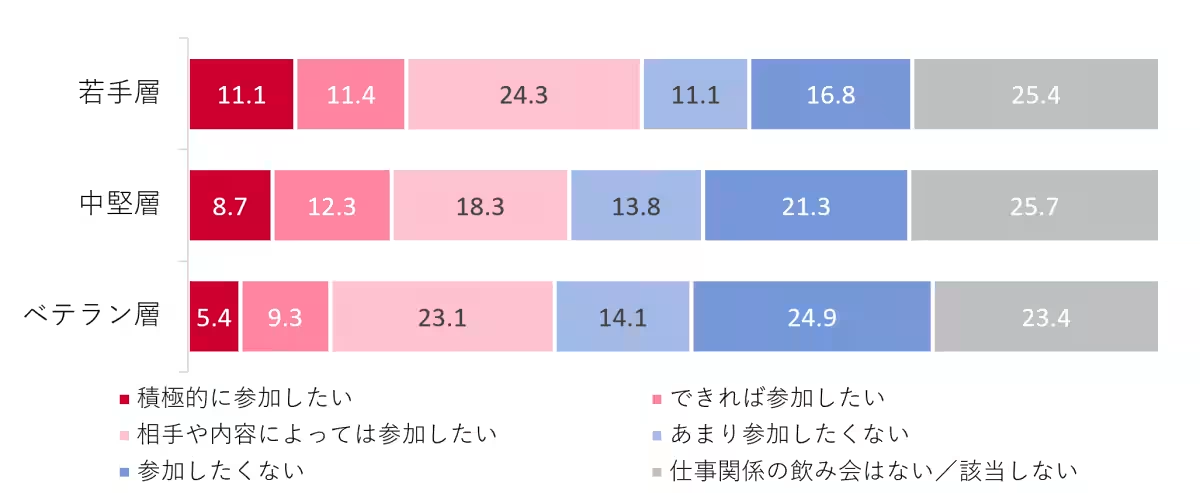
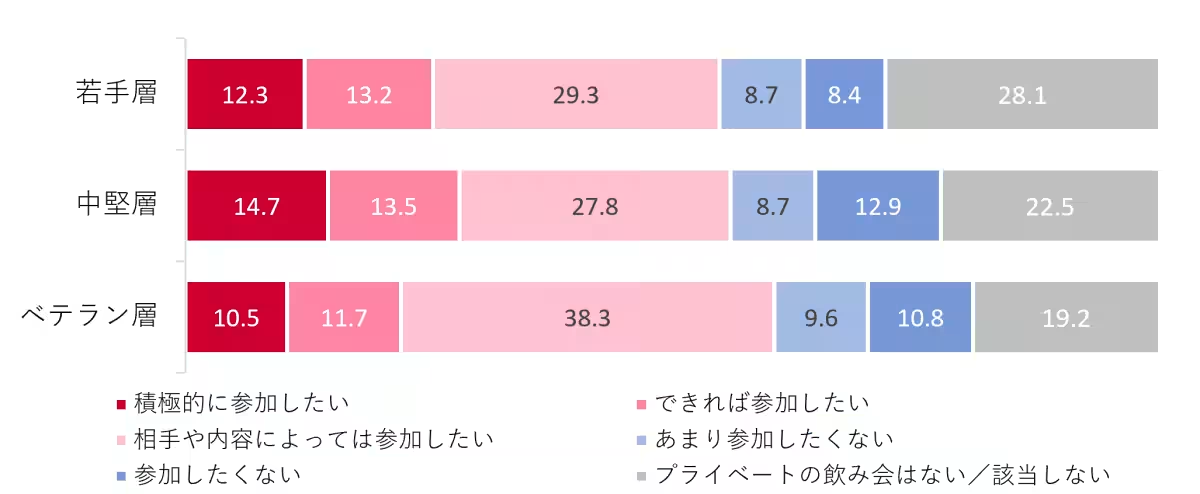
The findings indicate that intentions to participate in work-related gatherings are highest among younger employees aged 20 to 30, with 46.8% expressing a favorable attitude towards attending. In contrast, only 39.3% of middle-aged participants (ages 31 to 45) and 37.8% of older employees (ages 46 to 61) indicated a desire to join such events. Interestingly, the preferences shifted when it came to private gatherings, where older employees led with 60.5%, followed by middle-aged individuals at 56.0% and younger employees at 54.8%.
Reasons for Participation
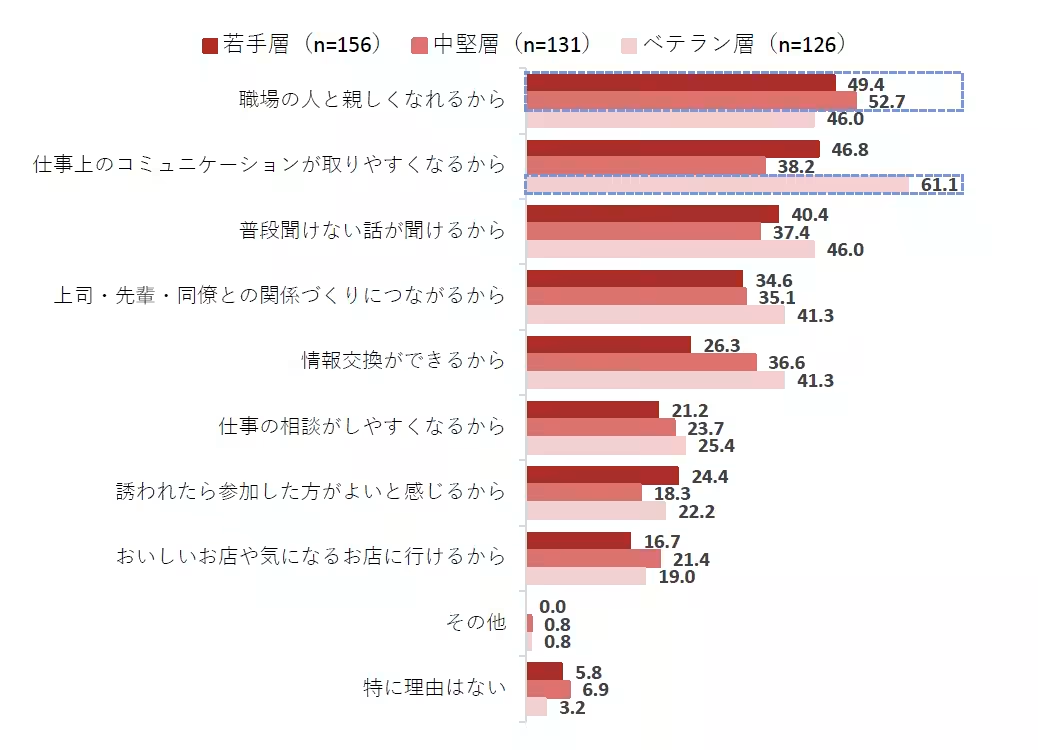
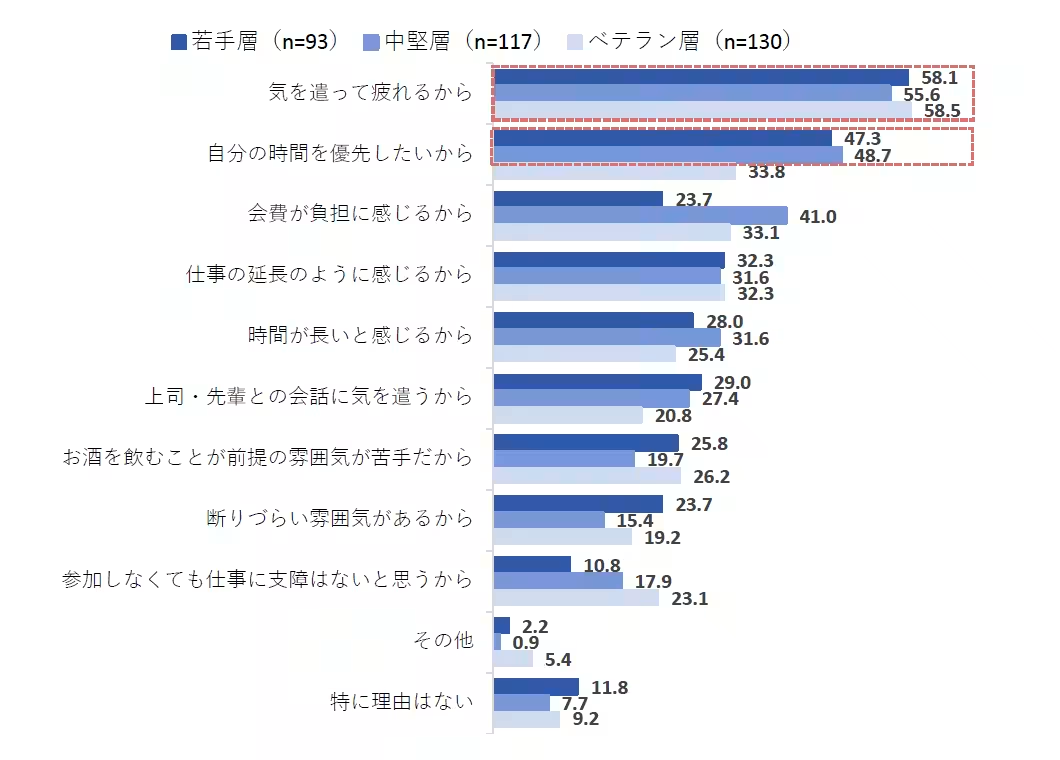
When asked about the reasons behind their willingness to attend work-related events, younger and middle-aged workers predominantly cited the opportunity to foster friendships, with 49.4% and 52.7% respectively highlighting this motivation. On the other hand, older employees emphasized the importance of enhancing work-related communication, with 61.1% acknowledging this as their primary reason. Overall, the most common deterrent across all generations was the feeling of exhaustion from socializing, which over 40% reported as a major concern. Additionally, younger and middle-aged respondents indicated a preference for prioritizing their personal time, with 47.3% and 48.7% respectively compared to only 33.8% of older employees.
Factors Influencing Participation
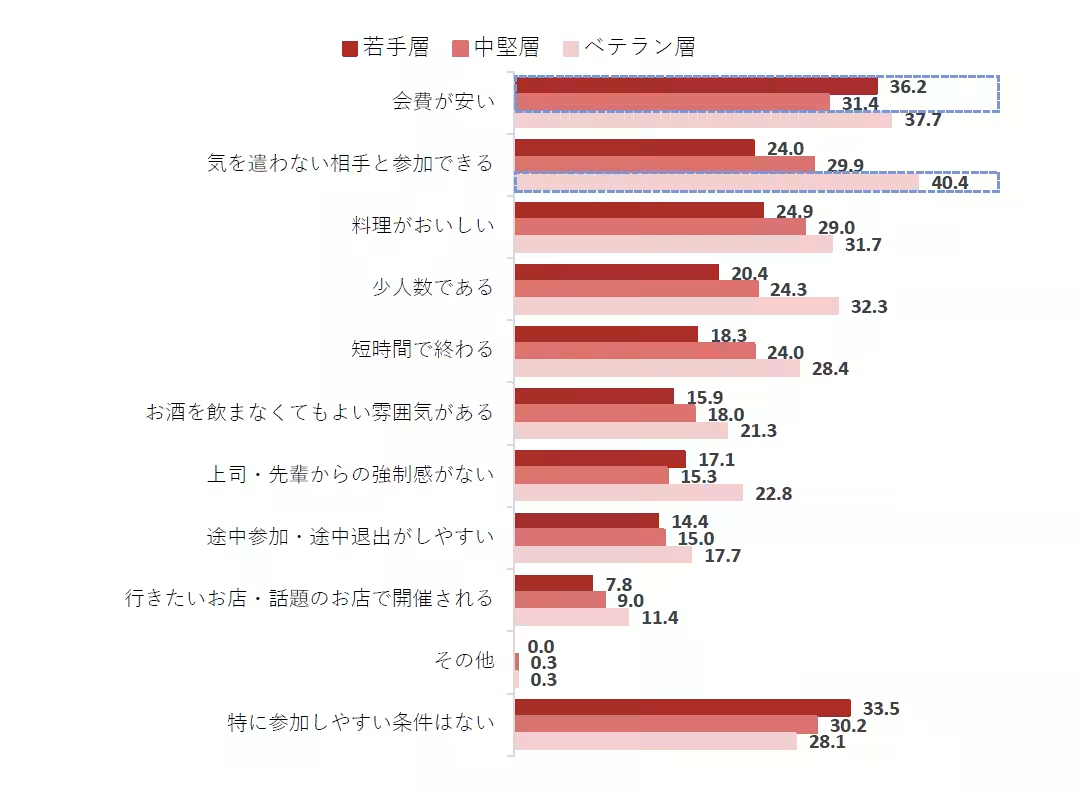
The survey also revealed what factors make participation in work-related gatherings more appealing. Younger and middle-aged participants prioritized cost-effectiveness, with 36.2% and 31.4% respectively citing affordable fees as a critical factor. For older employees, the opportunity to engage with non-demanding colleagues emerged as a crucial condition, with 40.4% indicating its importance. This highlights a distinctly different approach between generations regarding their perceived comfort and financial considerations. Furthermore, a notable percentage of younger generations cited a lack of particularly favorable conditions to attend such gatherings, with 33.5% of younger employees expressing indifference compared to 30.2% of middle-aged and 28.1% of older employees.
Reluctance to Extend Invitations
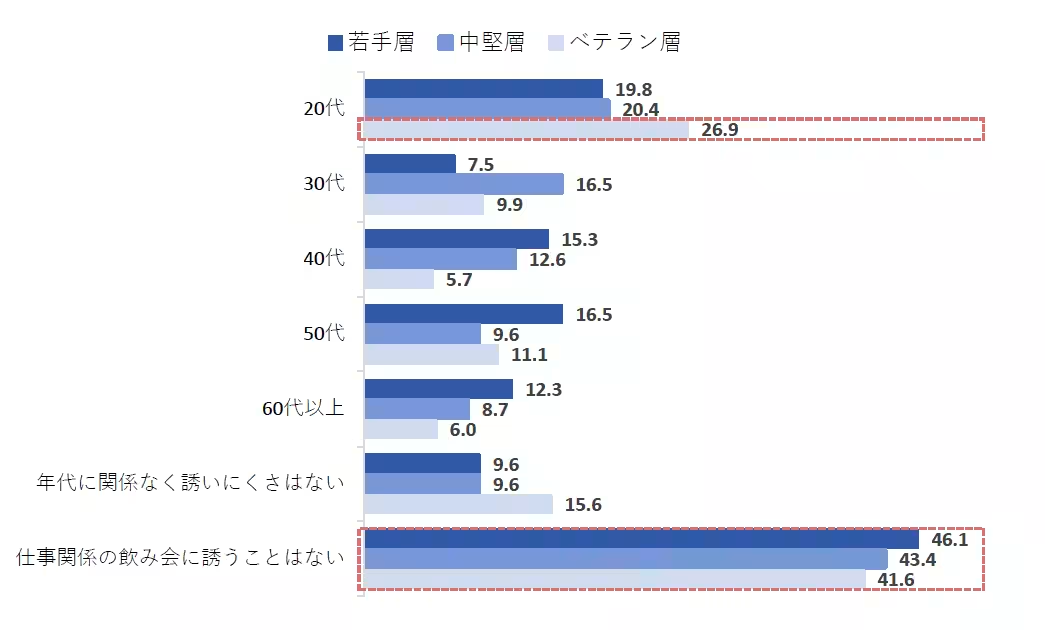
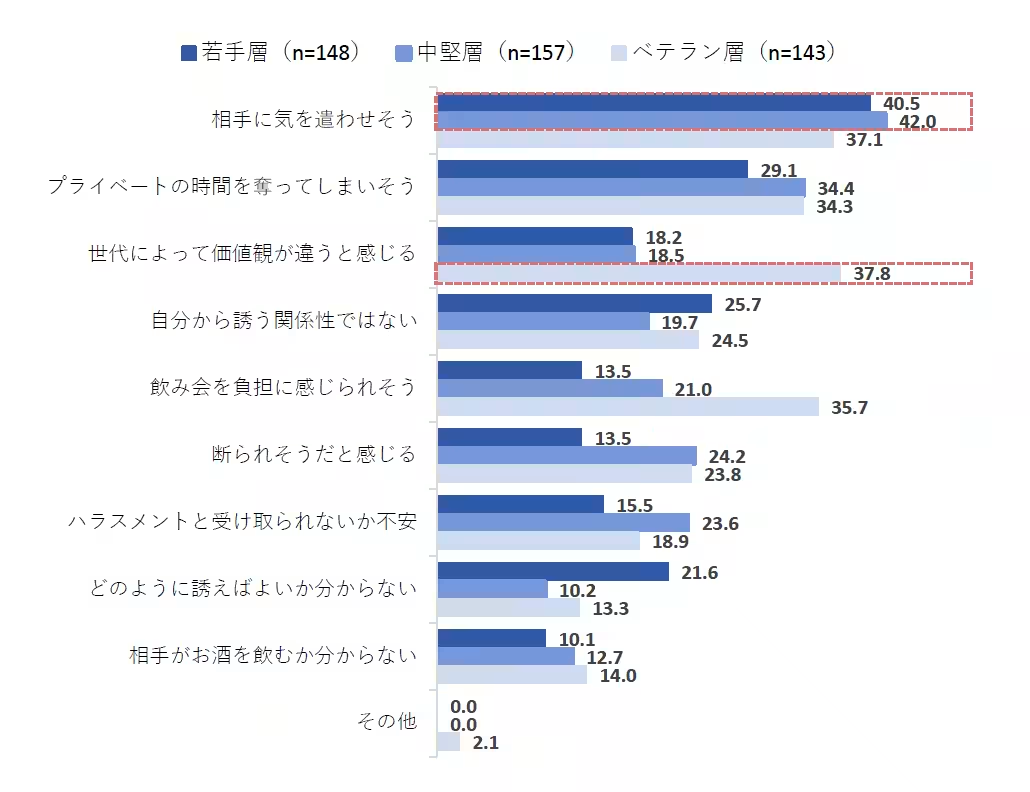
The survey also explored the challenges of inviting colleagues to these gatherings. More than 40% of respondents across all age groups felt reluctant to extend invitations, particularly towards employees in their 20s. This reluctance was significantly more pronounced among older employees, with a reported 26.9% feeling this way. Young and middle-aged participants primarily cited concern for their colleagues' emotional comfort as a barrier. In contrast, older employees noted the differences in values across generations as a key factor impacting their willingness to engage, with 37.8% voicing this concern as well.
Conclusion
This comprehensive survey highlights the diverse attitudes towards work-related social gatherings across generations. While younger employees show enthusiasm and a desire for social connection, their older counterparts tend to focus more on professional interactions. The findings underline the necessity for organizations to consider generational preferences when organizing such events to foster a more inclusive and engaging workplace culture. Understanding these dynamics can significantly enhance the effectiveness and enjoyment of work-related gatherings.
Research Overview
The survey was conducted via an internet-based methodology between July 6 and July 12, 2026, targeting residents aged 20 to 61 in Japan. The total valid responses collected were 1,002, ensuring a varied representation of the different age groups.
For further details on this study, or to access related insights, visit the Loyalty Marketing's official website. Furthermore, reporting entities are encouraged to attribute findings to the source as “Ponta Research.”

Topics People & Culture)
【About Using Articles】
You can freely use the title and article content by linking to the page where the article is posted.
※ Images cannot be used.
【About Links】
Links are free to use.