



Navigating the Transition from Reactive to Proactive Problem Solving in Organizations
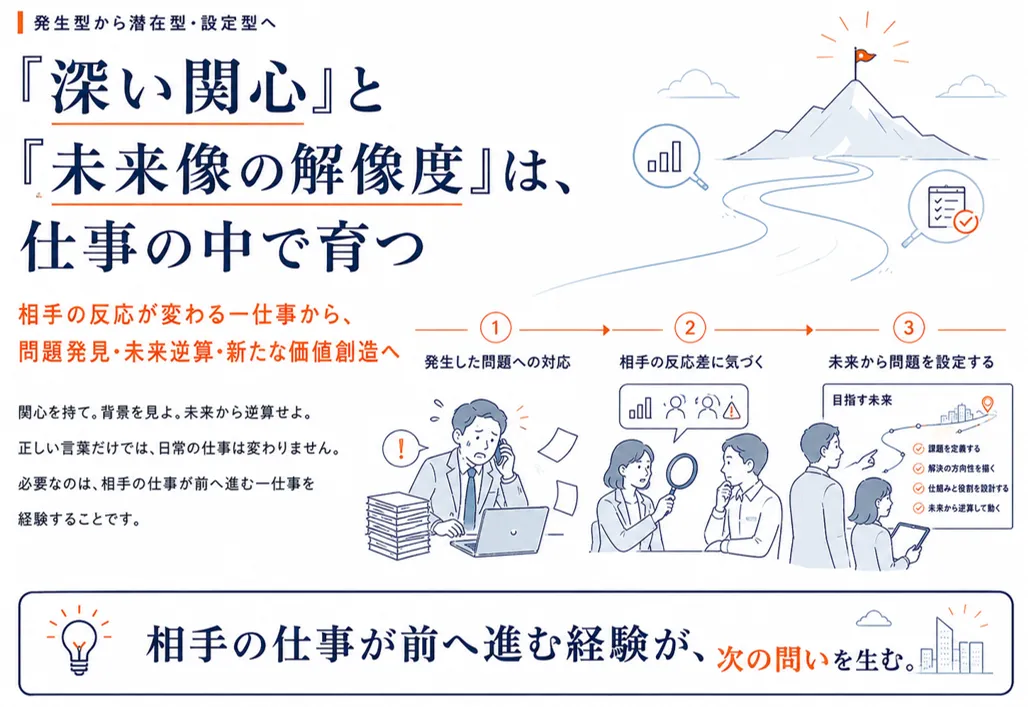
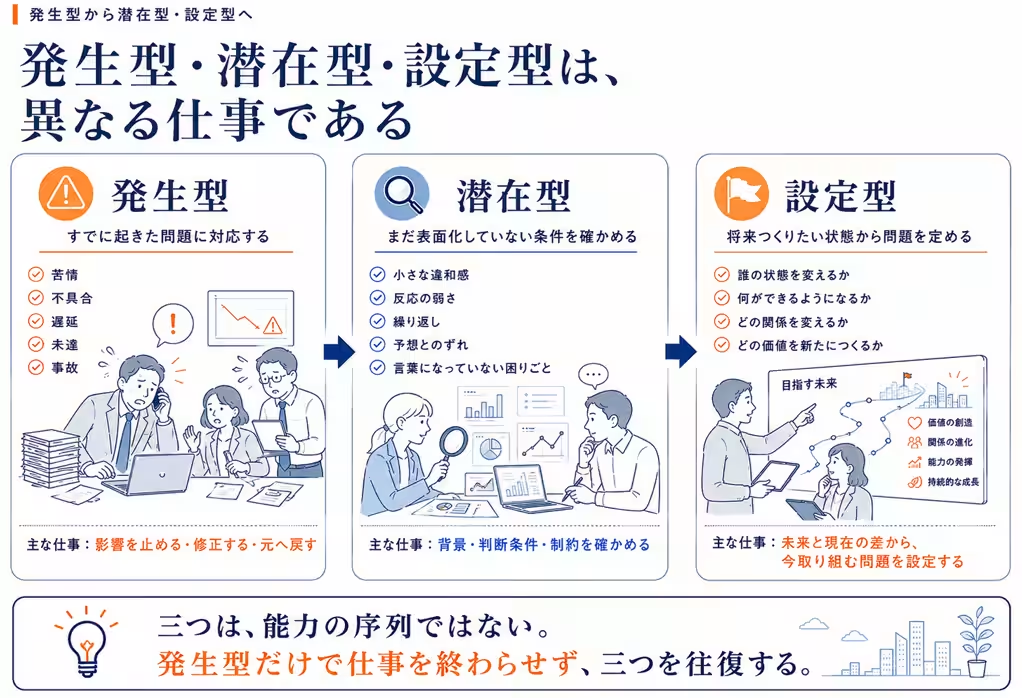
In the era of Artificial Intelligence, organizations are increasingly challenged to transition from a reactive approach to problem-solving that only addresses issues as they arise, to a more nuanced strategy that anticipates and sets potential future challenges. Request Inc., a company dedicated to research and educational development in organizational behavior science, has unveiled a new practical resource titled "Nurturing 'Deep Interest' and 'Resolution of Future Images' in Work". This is a comprehensive 12-page guide aimed at empowering individuals within organizations to widen their focus from merely responding to current problems towards identifying underlying, unaddressed issues and strategically setting future-oriented tasks.
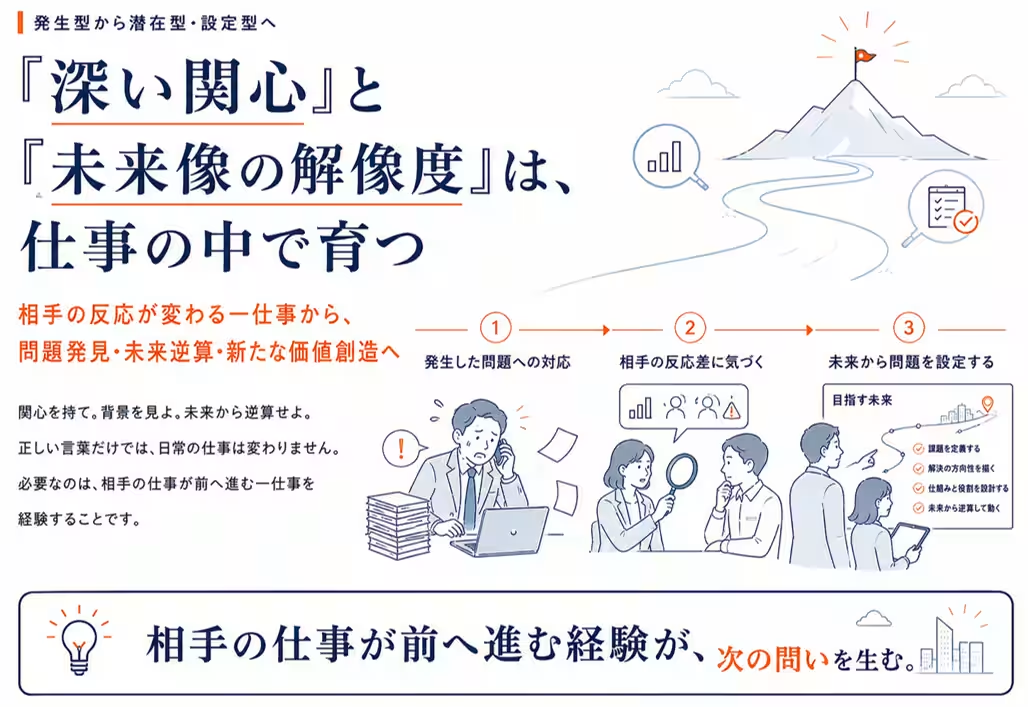
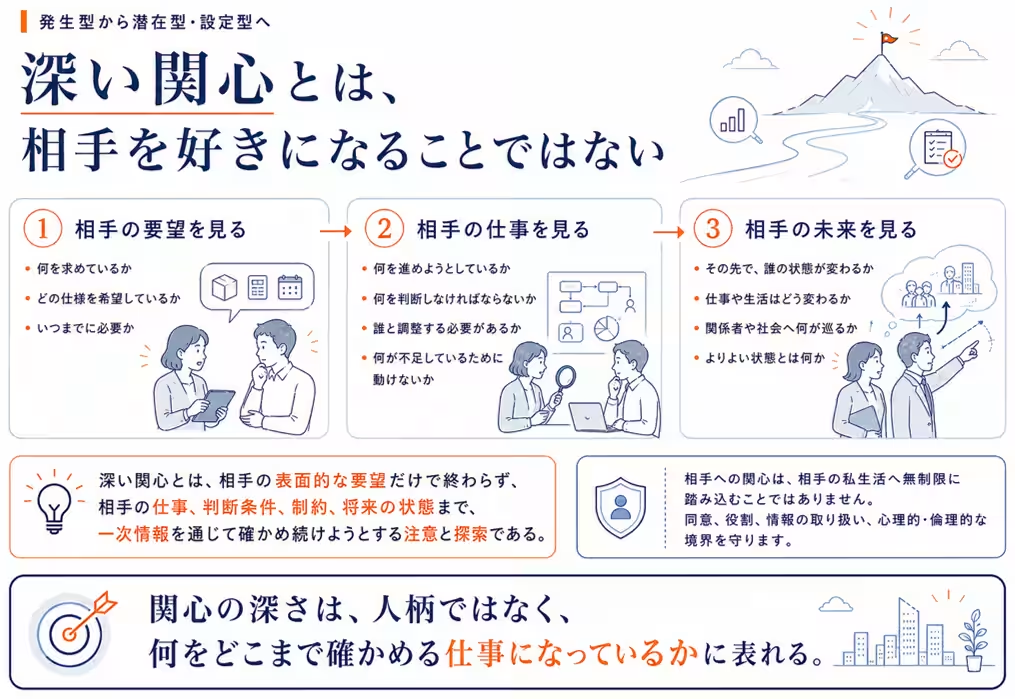
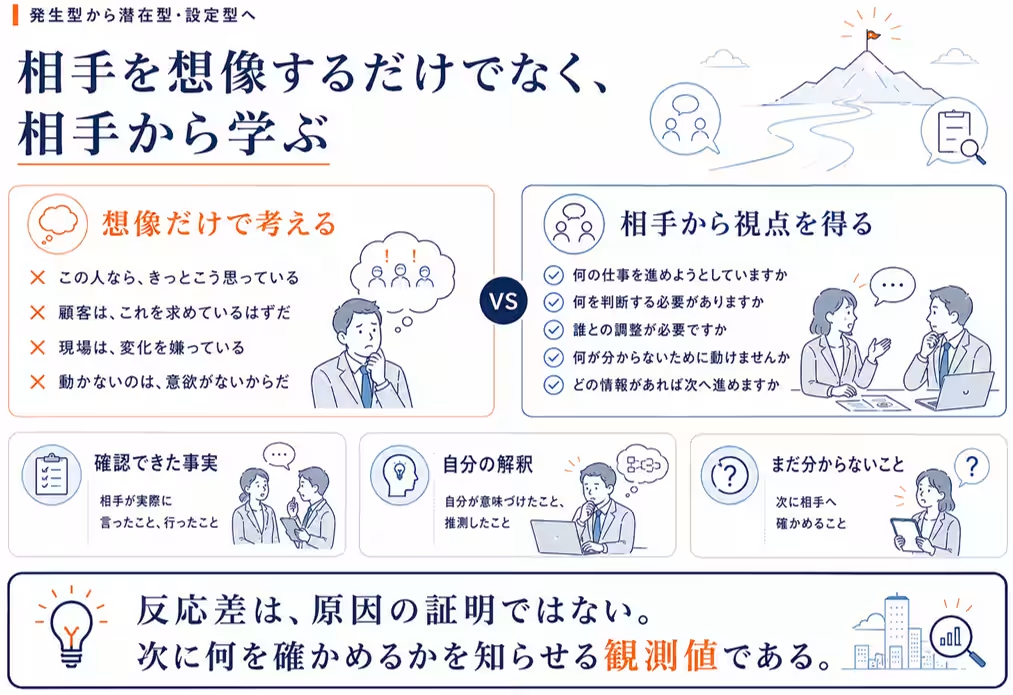
The initiative stems from the realization that merely encouraging employees to "be more interested in each other" or to "think backward from the future" does not necessarily lead to substantial alterations in daily operations. The key lies in redefining deep interest not as a personality trait, but rather as an experiential engagement with the work of others that fosters knowledge. By effectively confirming the real conditions of others’ work—including unspoken constraints and future aspirations—workers can cultivate genuine inquisitiveness.
This approach encourages team members to engage with current conditions that could affect their counterparts’ decisions while rooting their inquiries in tangible, first-hand information. Thus, transforming a simple anecdotally driven interest into a concrete framework for ongoing dialogue and exploration.
The previous publication questioned why many organizations default to reacting only when challenges arise. It argued that interlinking elements like deadlines, evaluations, authority, meeting structures, and completion criteria often steer individuals towards reactive roles. This new guide advances this dialogue, addressing how employees, accustomed to a reactive response, might effectively embrace latent and proactive problem-solving methods.
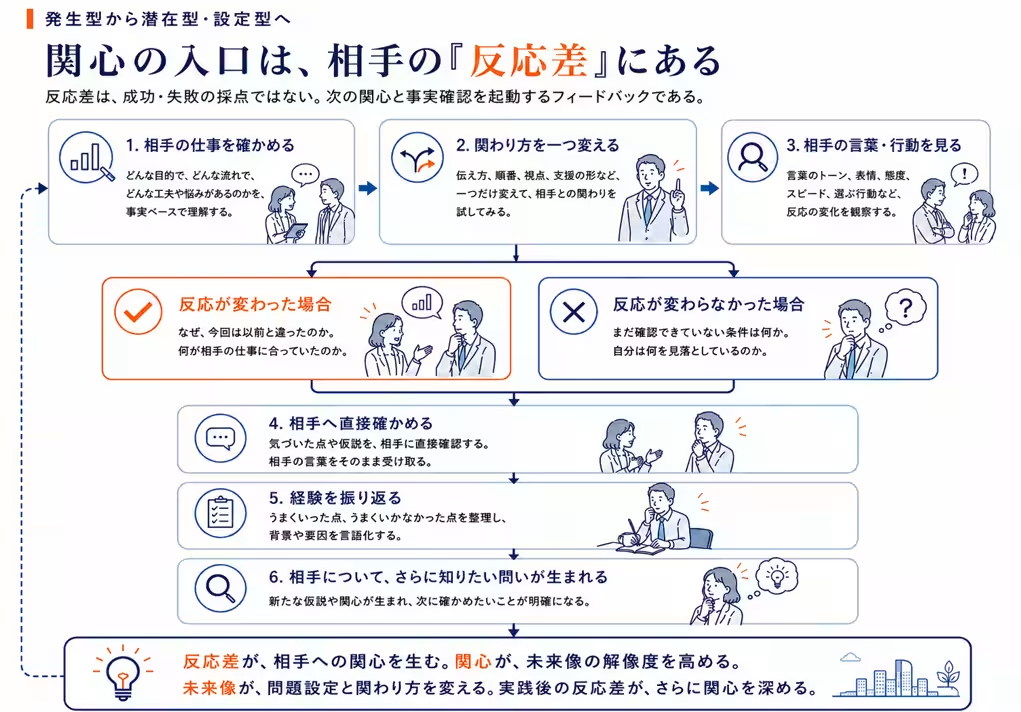
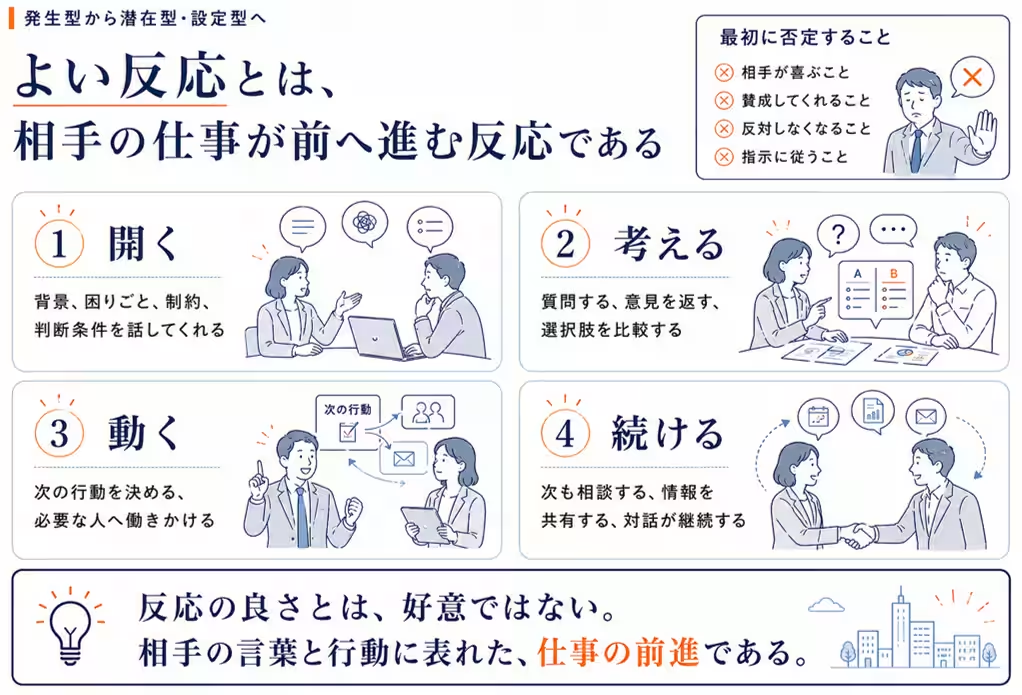
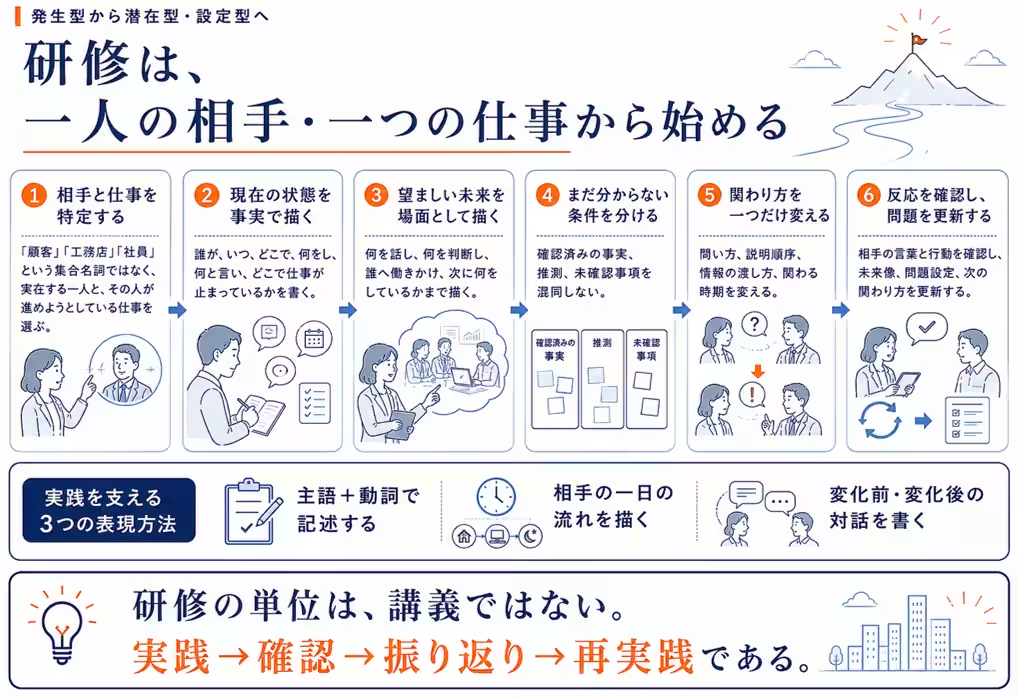
The guide posits that merely lecturing on how to perceive latent issues and future challenges won't suffice. Instead, individuals need to modify their perspectives and engagement strategies slightly, which will consequently alter others’ responses and propel their work forward. These experiences help employees question:
These critical inquiries pave the way for informed problem setting and deeper strategic involvement.
Deep interest should not be framed solely as a personal trait. It transcends individual personality and is recognized as an essential capacity. It involves active engagement with another’s job, checking in on decision criteria, uncovering unarticulated restrictions, and anticipating possible future conditions based on firsthand insights.
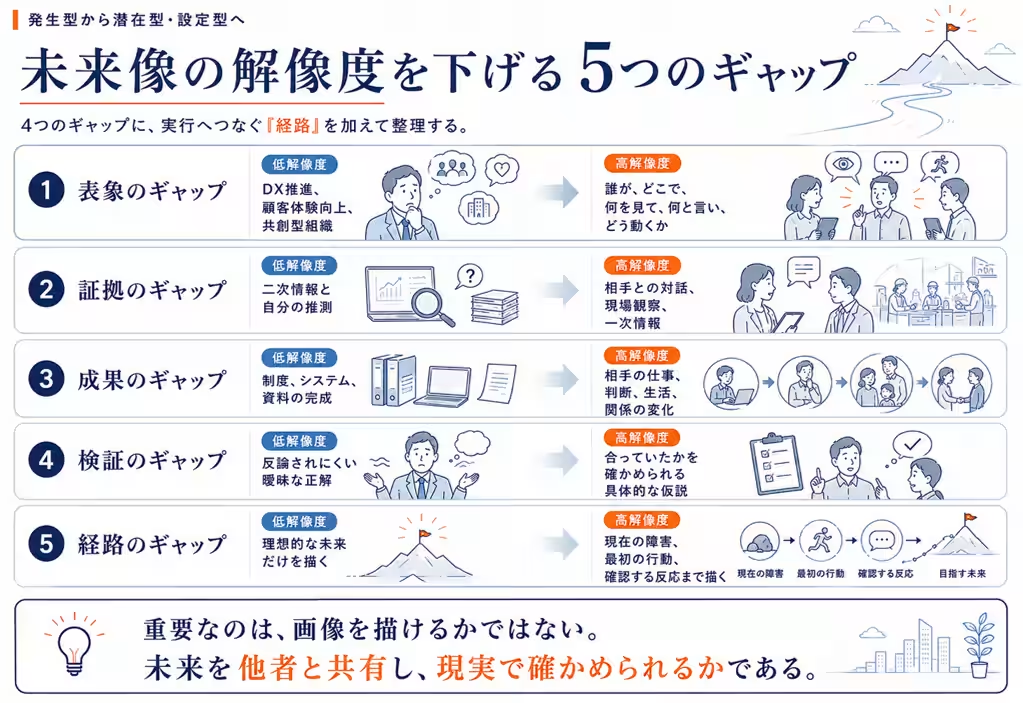
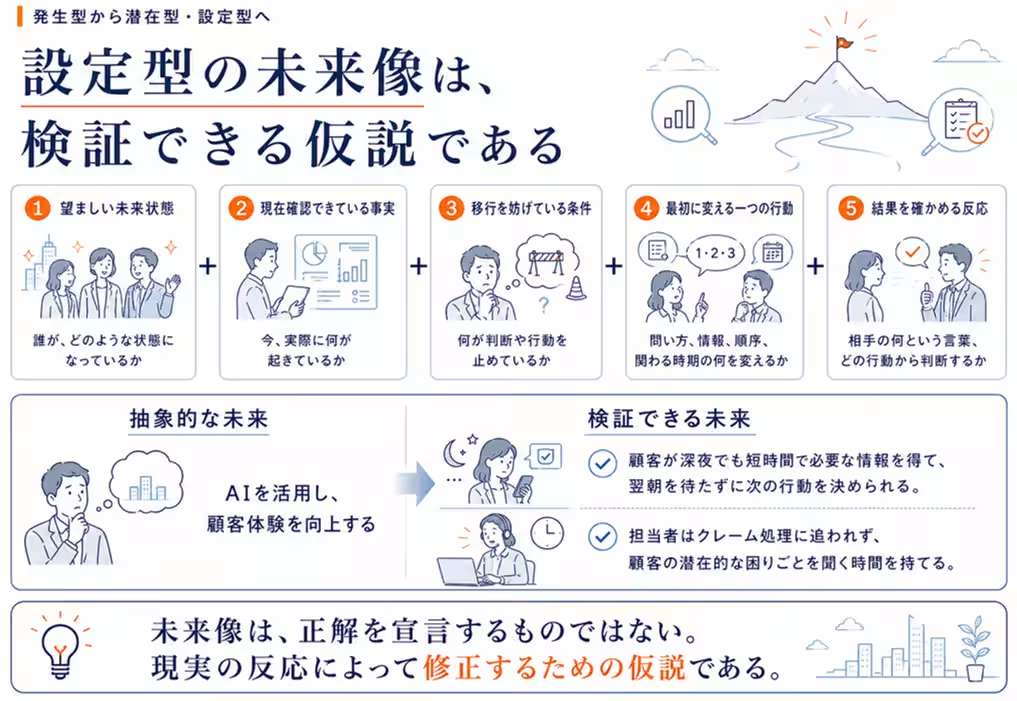
Moreover, an enhanced resolution of future images should not simply link to enhanced creativity. Rather, it revolves around consolidating a shared vision of the future in collaboration with others, validated through real outcomes, ensuring clarity amidst ambiguity.
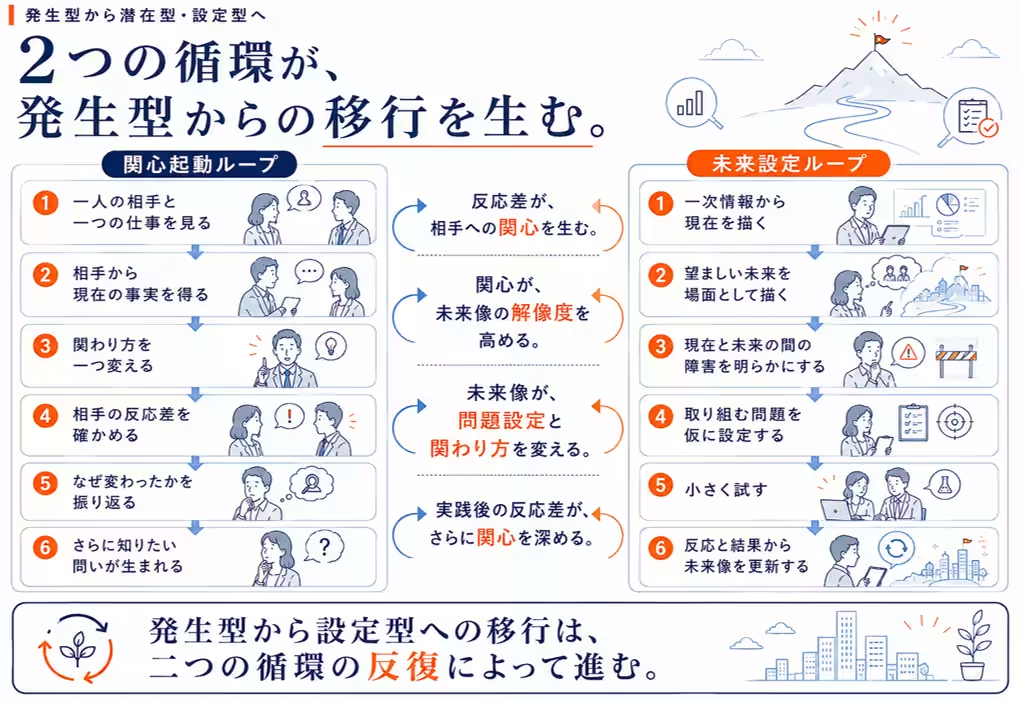
Training sessions should commence at a granular level—focusing on individual persons or specific jobs instead of expansive, abstract organizational challenges. This targeted approach allows for relevant feedback cycles that resonate on a personal level with participants. As individuals practice new techniques with real-time feedback about each other's responses and reactions, this cycle facilitates growth and the transition from a reactive stance to a more proactive problem-solving orientation.
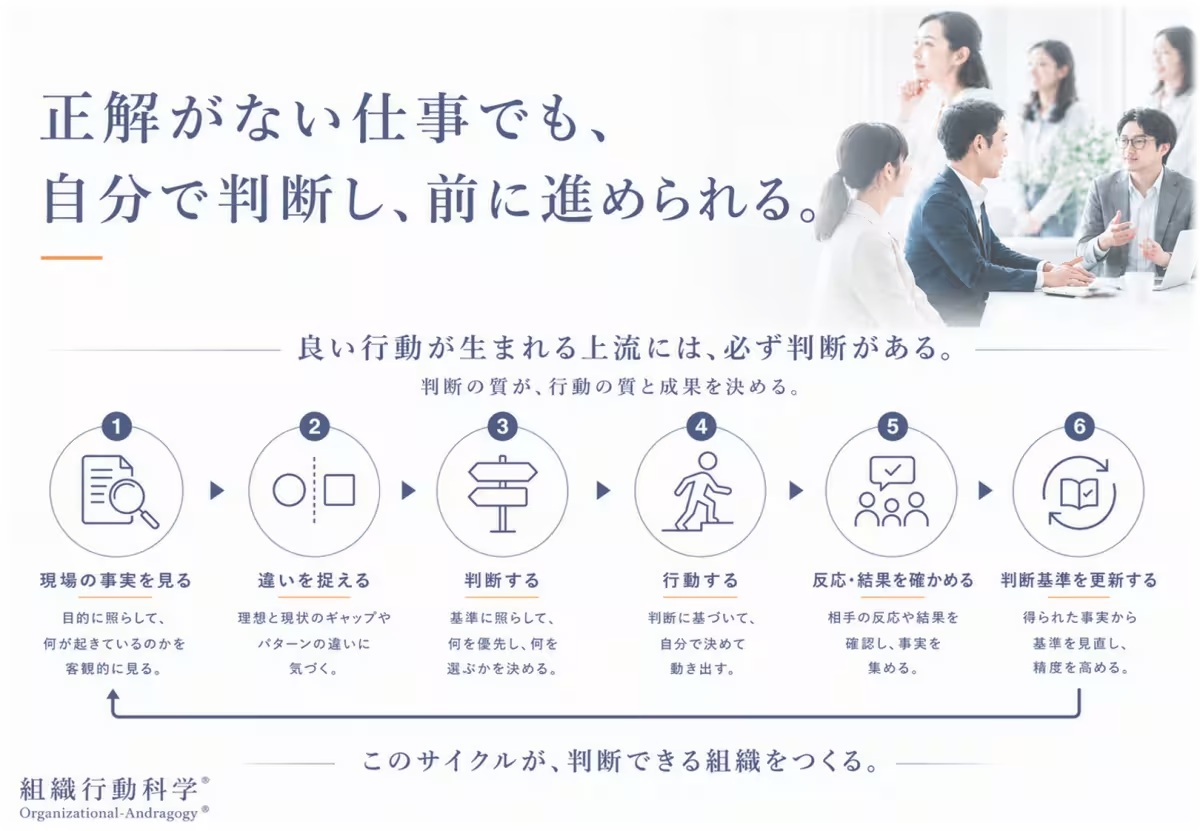
The intertwined concepts of deep interest and future resolution require mutual reinforcement rather than a one-way progression. By utilizing feedback disparities as a catalyst for further inquiry and gradually honing in on more concrete future images, individuals collectively contribute to an organizational culture that thrives on proactive problem identification and resolution. In a world where AI continues to shape work dynamics, understanding the impact of one’s efforts on advancing the team’s objectives becomes even more vital.
To explore the full 12-page guide released by Request Inc., visit this link to download the document. This resource offers substantial insights into how organizations can support their employees in shifting from a reactive to a prospective mindset, fostering a culture of curiosity and strategic engagement for the future.

Understanding the Need for Change
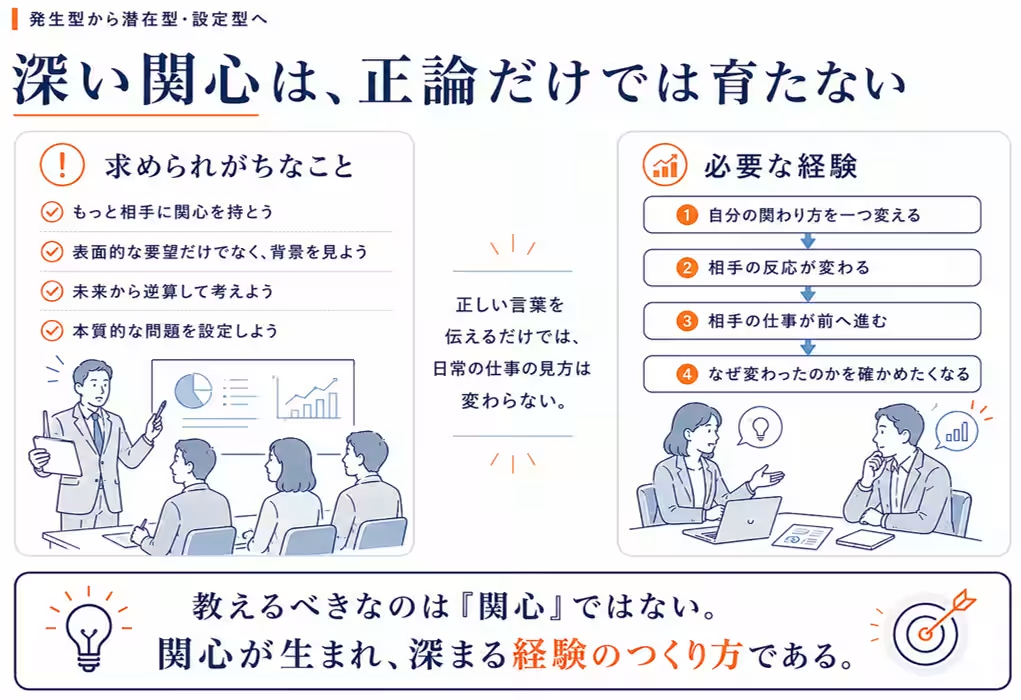
The initiative stems from the realization that merely encouraging employees to "be more interested in each other" or to "think backward from the future" does not necessarily lead to substantial alterations in daily operations. The key lies in redefining deep interest not as a personality trait, but rather as an experiential engagement with the work of others that fosters knowledge. By effectively confirming the real conditions of others’ work—including unspoken constraints and future aspirations—workers can cultivate genuine inquisitiveness.
This approach encourages team members to engage with current conditions that could affect their counterparts’ decisions while rooting their inquiries in tangible, first-hand information. Thus, transforming a simple anecdotally driven interest into a concrete framework for ongoing dialogue and exploration.
The Shift from Reactive to Potential Problem Handling
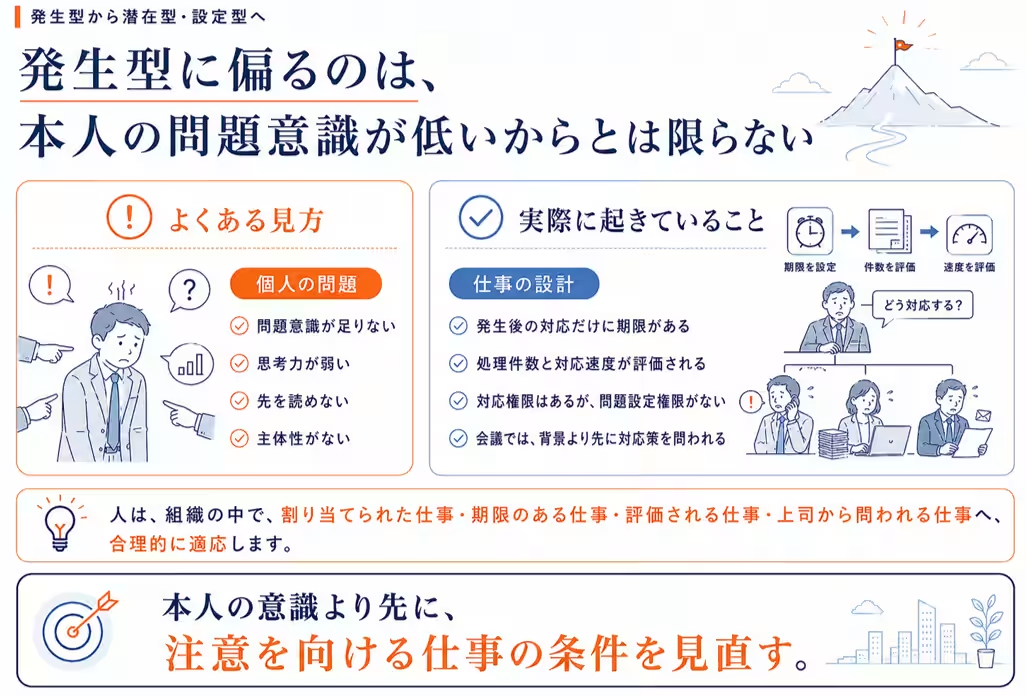
The previous publication questioned why many organizations default to reacting only when challenges arise. It argued that interlinking elements like deadlines, evaluations, authority, meeting structures, and completion criteria often steer individuals towards reactive roles. This new guide advances this dialogue, addressing how employees, accustomed to a reactive response, might effectively embrace latent and proactive problem-solving methods.
The guide posits that merely lecturing on how to perceive latent issues and future challenges won't suffice. Instead, individuals need to modify their perspectives and engagement strategies slightly, which will consequently alter others’ responses and propel their work forward. These experiences help employees question:
- - What differentiated this instance from previous ones?
- - What background underpins their coworkers' work?
- - What have they previously overlooked?
These critical inquiries pave the way for informed problem setting and deeper strategic involvement.
Defining Deep Interest and Future Resolution
Deep interest should not be framed solely as a personal trait. It transcends individual personality and is recognized as an essential capacity. It involves active engagement with another’s job, checking in on decision criteria, uncovering unarticulated restrictions, and anticipating possible future conditions based on firsthand insights.
Moreover, an enhanced resolution of future images should not simply link to enhanced creativity. Rather, it revolves around consolidating a shared vision of the future in collaboration with others, validated through real outcomes, ensuring clarity amidst ambiguity.
Engaging in Effective Problem-Solving Training
Training sessions should commence at a granular level—focusing on individual persons or specific jobs instead of expansive, abstract organizational challenges. This targeted approach allows for relevant feedback cycles that resonate on a personal level with participants. As individuals practice new techniques with real-time feedback about each other's responses and reactions, this cycle facilitates growth and the transition from a reactive stance to a more proactive problem-solving orientation.
Conclusion
The intertwined concepts of deep interest and future resolution require mutual reinforcement rather than a one-way progression. By utilizing feedback disparities as a catalyst for further inquiry and gradually honing in on more concrete future images, individuals collectively contribute to an organizational culture that thrives on proactive problem identification and resolution. In a world where AI continues to shape work dynamics, understanding the impact of one’s efforts on advancing the team’s objectives becomes even more vital.
Further Resources
To explore the full 12-page guide released by Request Inc., visit this link to download the document. This resource offers substantial insights into how organizations can support their employees in shifting from a reactive to a prospective mindset, fostering a culture of curiosity and strategic engagement for the future.
Topics Business Technology)
【About Using Articles】
You can freely use the title and article content by linking to the page where the article is posted.
※ Images cannot be used.
【About Links】
Links are free to use.