



Exploring the Gap Between Ideal and Reality in Game Industry Careers
The Reality of Transitioning to the Game Industry
As the game industry continues to expand, attracting more professionals eager to make a career switch, Hiraku agent has conducted a survey to shed light on the challenges and realities faced by individuals transitioning into this competitive field. The research targets those who have moved from non-gaming industries as well as those who have changed positions within the gaming sector.
Growth and Opportunities in the Game Industry
The video game sector boasts a vast market size with promising growth forecasts. Historically, it had a reputation for long working hours. However, a recent study by doda indicates that average overtime has significantly decreased to align more closely with other professions. This shift in working conditions has led to a burgeoning interest in jobs within the gaming industry.
While the industry offers flexible working arrangements, such as remote work and flextime, it also demands specialized skills that can make transitioning into roles here quite challenging.
Survey Insights: Benefits of Switching to the Gaming World
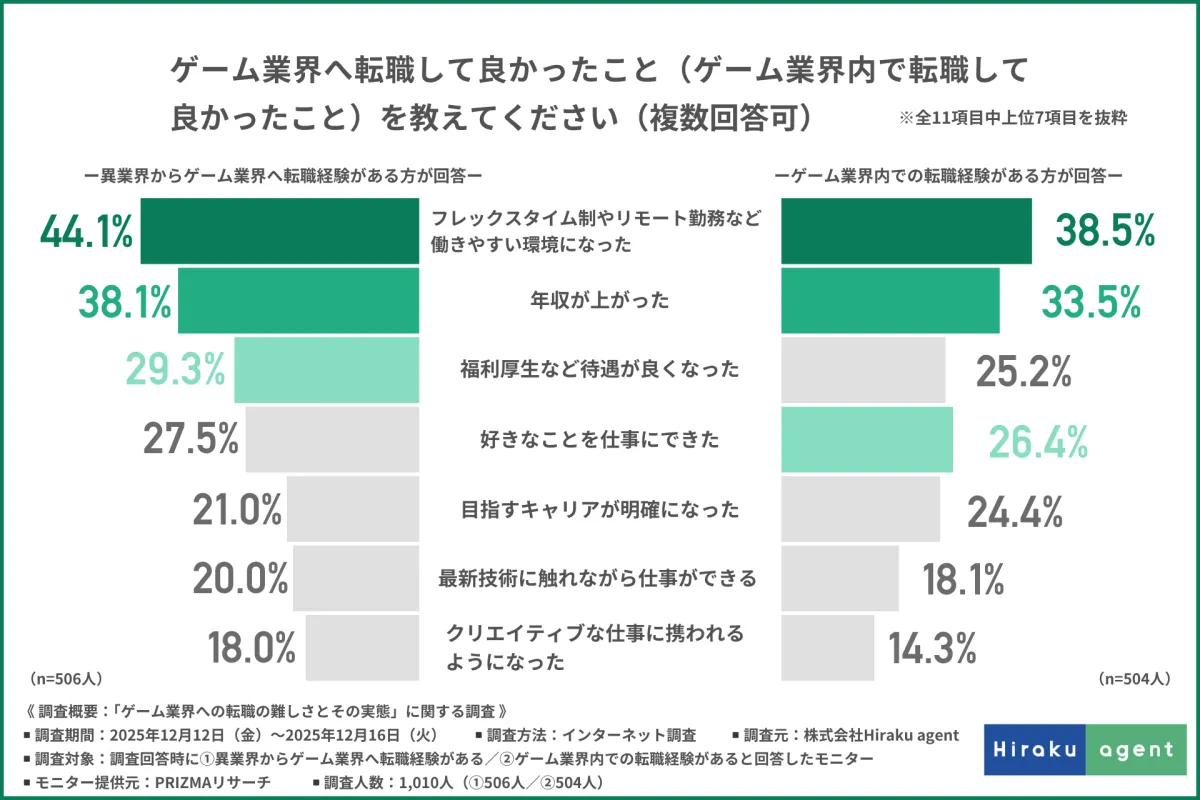
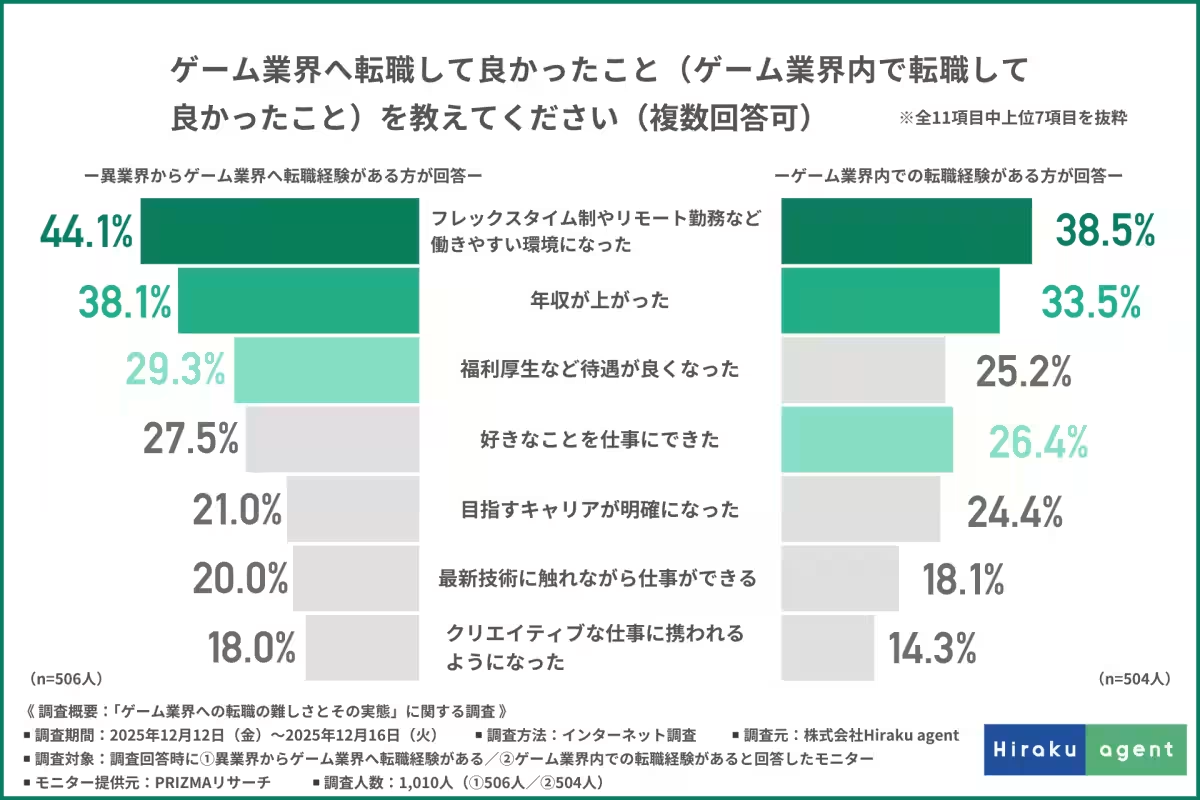
When asked what they valued most about their career change, respondents from non-gaming industries emphasized the restructuring of work environments, with 44.1% citing improved flexibility, including remote working options. Significant salary increases were reported by 38.1% of participants, alongside enhanced benefits experienced by 29.3% of respondents.
For those transitioning within the industry, 38.5% found flexible working conditions improved, 33.5% reported salary hikes, and 26.4% enjoyed aligning their work with their passions.
These findings highlight a growing satisfaction within the industry, particularly concerning work-life balance and financial rewards. Yet, a closer inspection reveals a contrasting picture post-transition, where many new entrants faced disappointments.
Reality Check: Conflicts Post-Hire
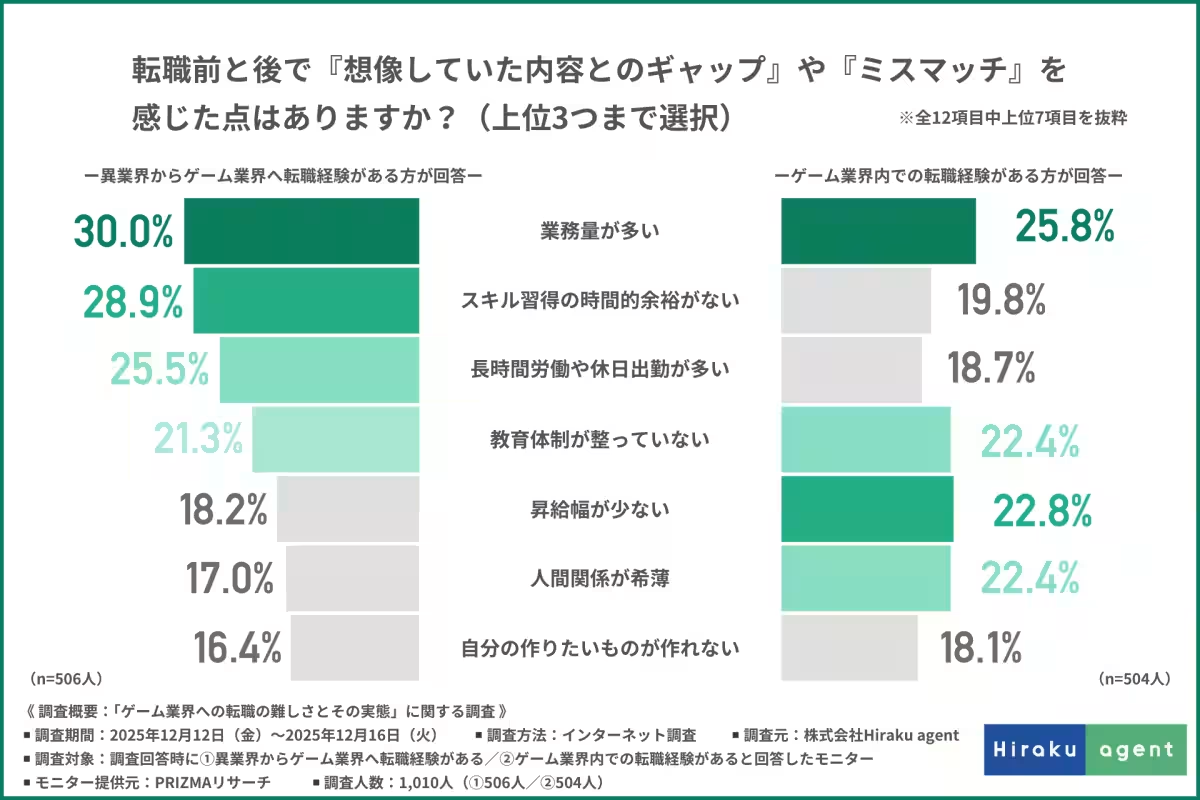
On the flip side, sobering realizations emerged when participants reflected on their post-hiring experiences. The leading concern for those coming from other fields was an overwhelming workload, cited by 30.0%. Other notable challenges included a perceived lack of time for skill development (28.9%) and frequent long hours (25.5%). Those moving within the industry echoed similar sentiments, with 25.8% identifying heavy workloads, while others pointed out limited pay rises and inadequate training structures.
The intense pace and specialized knowledge requirements of the gaming industry can create a substantial gap between expectations and reality, especially for those new to this particular work culture.
Navigating the Transition: Strategies for Success
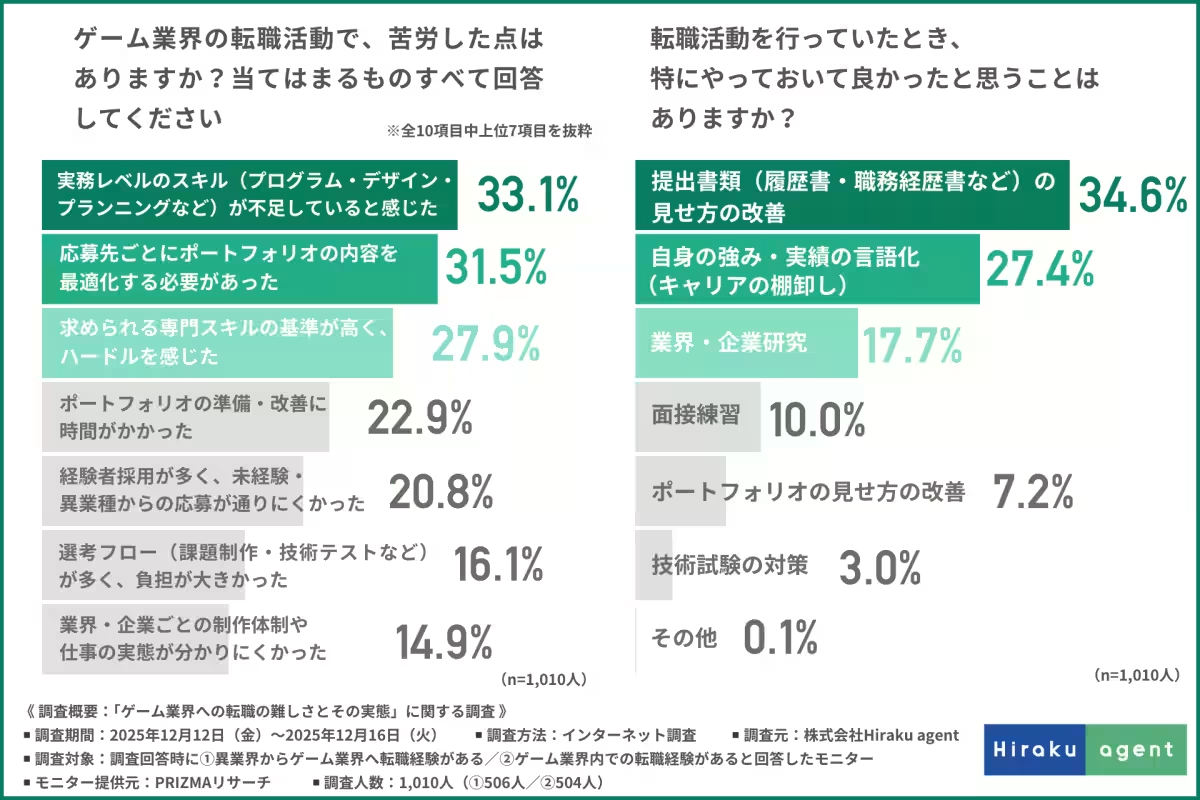
Transitioning professionals faced several hurdles while job hunting in the gaming sector. 33.1% reported feeling underqualified in practical skills required for roles, and 31.5% found the need to tailor portfolios to each application cumbersome. The industry's high standards for expertise were echoed by 27.9%, indicating a significant barrier for applicants.
In response to these challenges, successful candidates emphasized the importance of enhancing the presentation of their application materials, with 34.6% highlighting the improvement of resumes and CVs as crucial. Clarity in showcasing personal strengths and achievements also played a pivotal role, as noted by 27.4%. This suggests that effectively articulating one's value can significantly influence outcomes in the competitive gaming job market.
Unique Barriers in the Gaming Sector
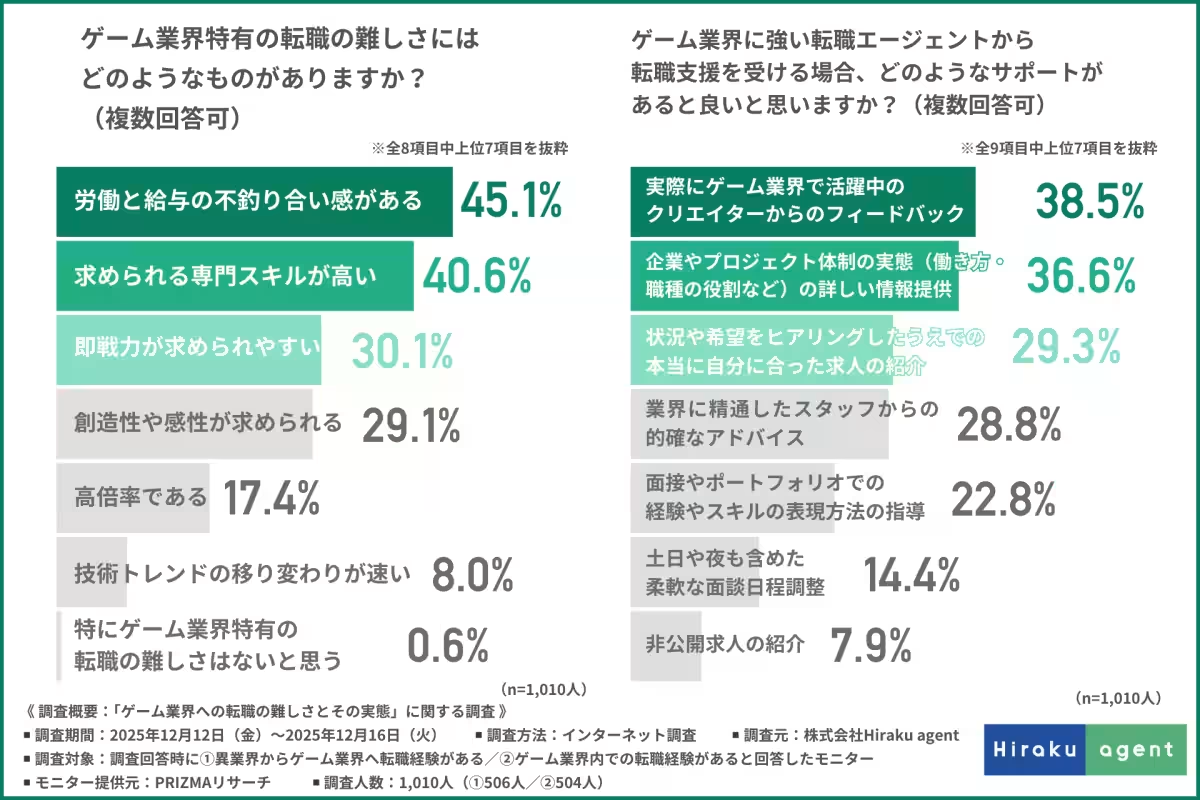
When discussing specific difficulties faced in transitioning within the gaming industry, respondents indicated a disconnect between labor and compensation levels as a leading concern (45.1%). Additionally, the high level of specialized skills required and the expectation for immediate contribution posed challenges for those looking to break in or advance their careers.
With such hurdles, it's clear that potential candidates greatly benefit from targeted support. Inquiring about support they’d like from specialized agencies, 38.5% expressed the desire for insights from experienced industry professionals, while 36.6% valued information on company cultures and workflows.
Conclusion: The Need for Insight and Specialized Support
The journey of transitioning into the gaming industry is not without its rewards, but it comes with a set of formidable challenges. As the industry evolves, aligning expectations with reality is crucial for new entrants seeking a foothold in this high-stakes environment. The findings underscore the importance of strategic support during this period, such as insights from those currently thriving in the field, tailored guidance from industry-focused employment agencies, and comprehensive understanding of the gaming landscape.
Success in this rapidly changing sector requires not only recognizing the unique challenges but also leveraging the right resources to bridge the gap towards achieving desirable career paths. Hiraku agent stands out with its commitment to providing a personalized experience for both job seekers and gaming enterprises, facilitating sustainable growth and collaboration.

Topics People & Culture)


【About Using Articles】
You can freely use the title and article content by linking to the page where the article is posted.
※ Images cannot be used.
【About Links】
Links are free to use.