



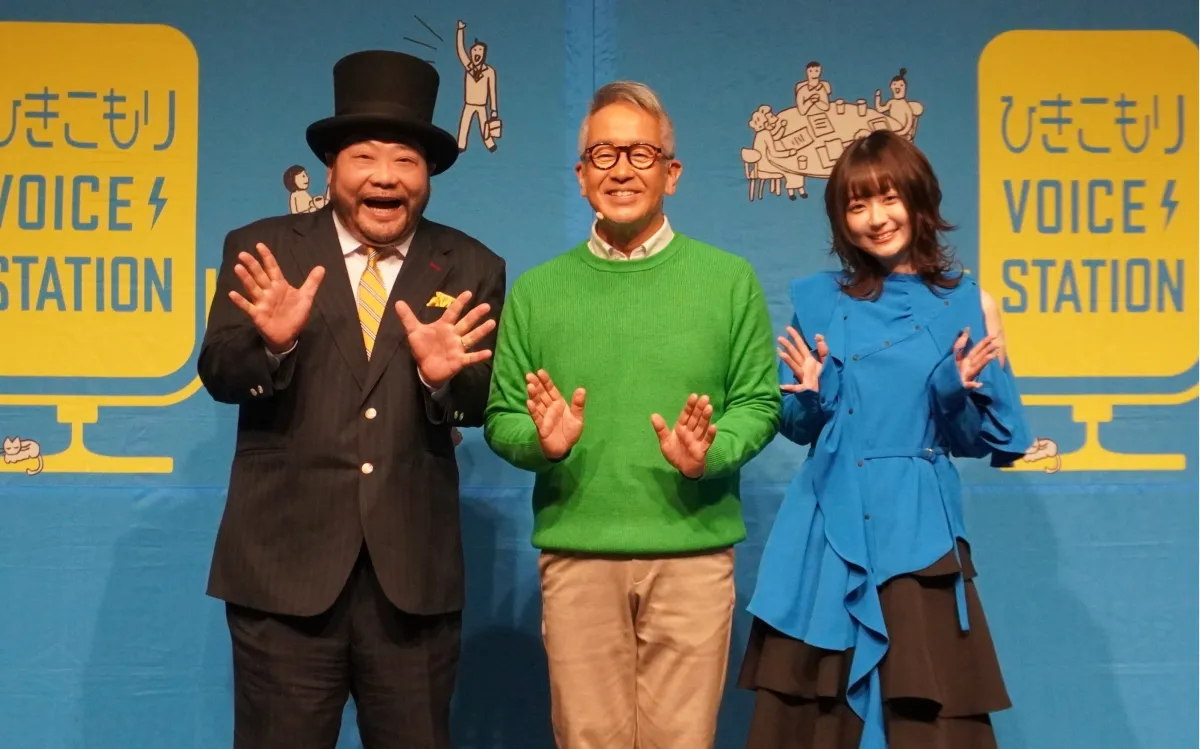
Shibuya's Hikikomori VOICE STATION Festival Advocates for a Welcoming Community
Advocacy through Art and Sharing Experiences at the Hikikomori VOICE STATION Festival
On January 24, a unique event called the Hikikomori VOICE STATION Festival took place at the Shibuya Stream Hall in Tokyo, attracting around 350 participants, both online and onsite. This event was designed to promote societal understanding of hikikomori, a term that refers to people who withdraw from society and remain in their homes for extended periods, often facing stigma and misunderstanding. The initiative, spearheaded by the Pal System Cooperative, aimed to enlighten the public about the diverse experiences of these individuals. Notably, an estimated 1.46 million people in Japan are believed to be in a hikikomori state, as reported by the Cabinet Office.
A Celebration of Voices
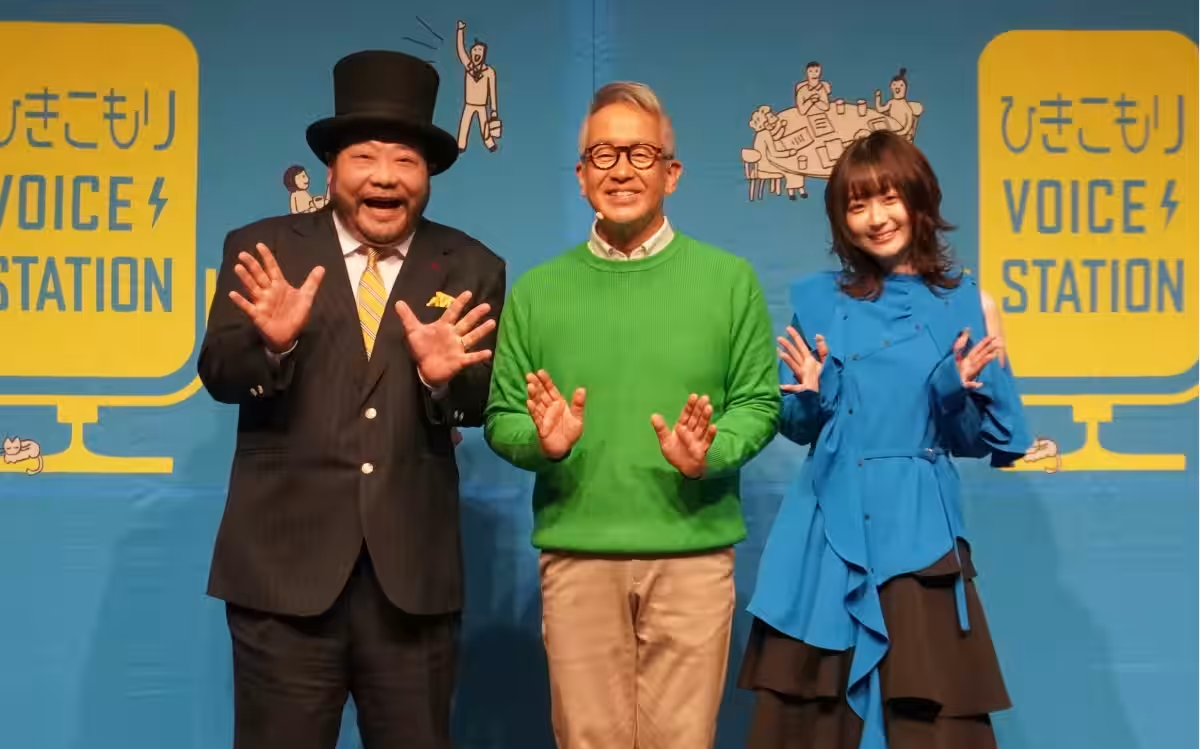
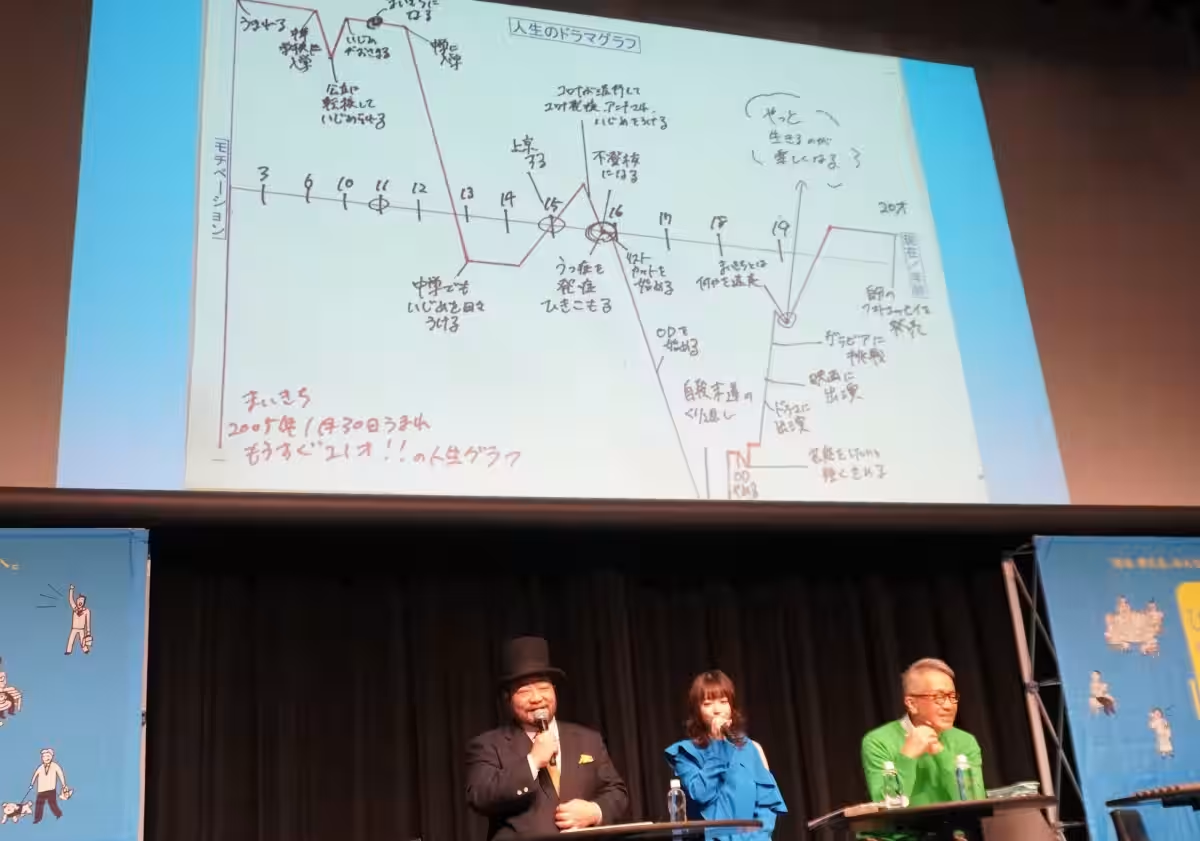
The festival served as a culmination of the year’s activities surrounding the Hikikomori VOICE STATION project. Directed by noted performer and director Miyamoto Akira, who also experienced hikikomori himself, the gathering featured presentations from various individuals, including comedian Yamada Rui53 and influencer Maikichi. Each participant shared their journey using a tool called the “Life Drama Graph,” which visually represented the emotional highs and lows they encountered during their times of withdrawal. This interactive segment not only allowed individuals to reflect on their past experiences but also encouraged dialogue on the diverse emotions associated with hikikomori.
Yamada Rui53's Journey: A Path to Recovery
For Yamada, the pressures of perfectionism began in childhood, leading him to withdraw during his second year of junior high school. Despite being praised as an exceptional student, the pressures of attending a prestigious educational institution took a toll. Back in those days, devoid of the internet and social media, he describes looking out at the world through his window, feeling disconnected and isolated. Reflecting on this time, he noted how, without support for understanding hikikomori or any accessible resources, both he and his family navigated the uncertainty surrounding his situation alone.
Yamada eventually found motivation when struck by the realization that his peers were moving forward in life. He recounted how simple actions, such as stepping to the front door or putting on shoes, became stepping stones leading him back into society. He emphasized that hikikomori can affect anyone and suggested viewing it as a single turn in the board game of life, encouraging people to take small, manageable steps to regain their agency.
Maikichi: Confronting Internal Battles
Maikichi's experience highlighted the youth's struggle to find their identity in the face of bullying and intense pressure. Plagued by adverse perceptions during her formative years, she delved into the world of social media by age 11, only to face significant challenges. Following her debut in a talent agency at 15, the COVID-19 pandemic hit, triggering another wave of harassment that compelled her to retreat from school and social interactions. During this difficult time, she engaged in self-harm, believing that focusing on her pain was a way to escape from her troubles.
However, when she saw her reflection in the mirror, she had a moment of clarity where she resolved to protect herself, marking a turning point in her life. Maikichi’s message to attendees emphasized that social media may showcase only the glossy aspects of life, obscuring the genuine struggles many face behind the scenes.
Miyamoto Akira’s Insights: Embracing Uniqueness
Miyamoto, intrigued by traditional Japanese arts since childhood, faced societal pressures during his teenage years, which led to his own withdrawal. He described how his solitary experiences became instrumental in shaping his career as a director. By emphasizing that choosing to withdraw can be a protective measure, he proposed that differences in experiences can foster creativity and lead to personal growth. He encouraged those struggling to view their experiences as unique “medals of life”, promoting a shift in societal perceptions of hikikomori as a potential norm rather than an outlier.
The Impact of Storytelling and Art
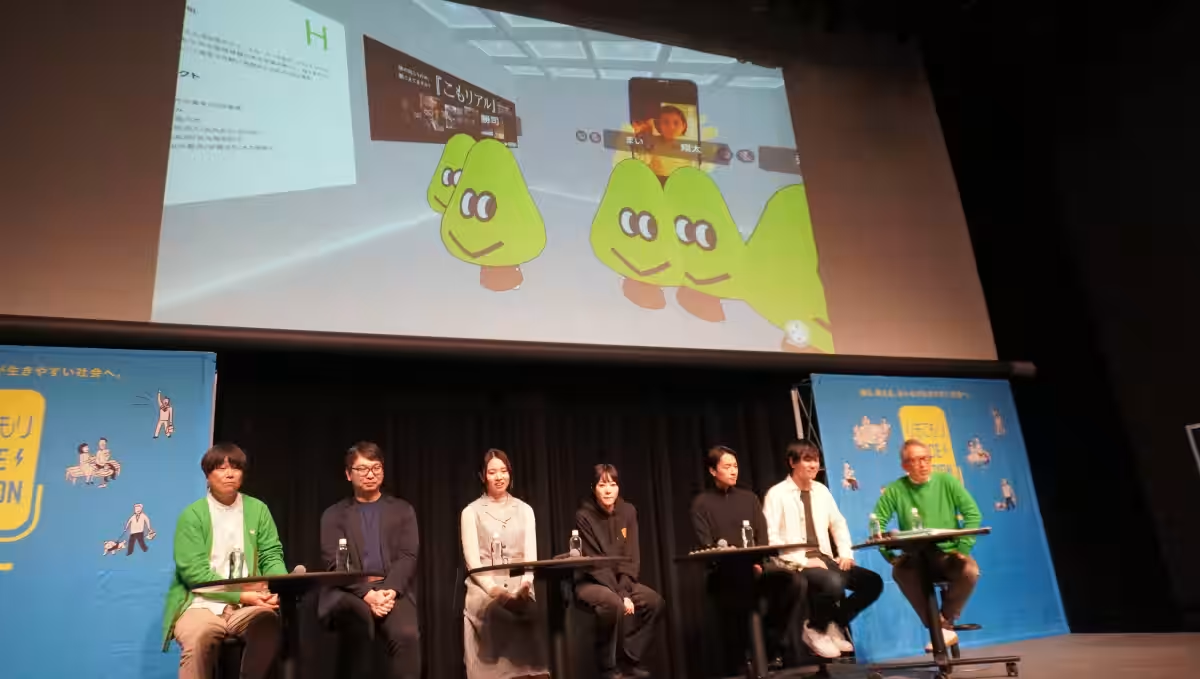
The festival also featured short dramas titled “Komoreal,” which illustrated stories based on the experiences of those having overcome similar hurdles. Directed by Yamada Eiji, the dramas were crafted to convey the complexity of isolation and longing for connection. With over two million views online in just a month, these productions strive to amplify the voices of hikikomori to a broader audience.
Creating Safe Spaces Across the Nation
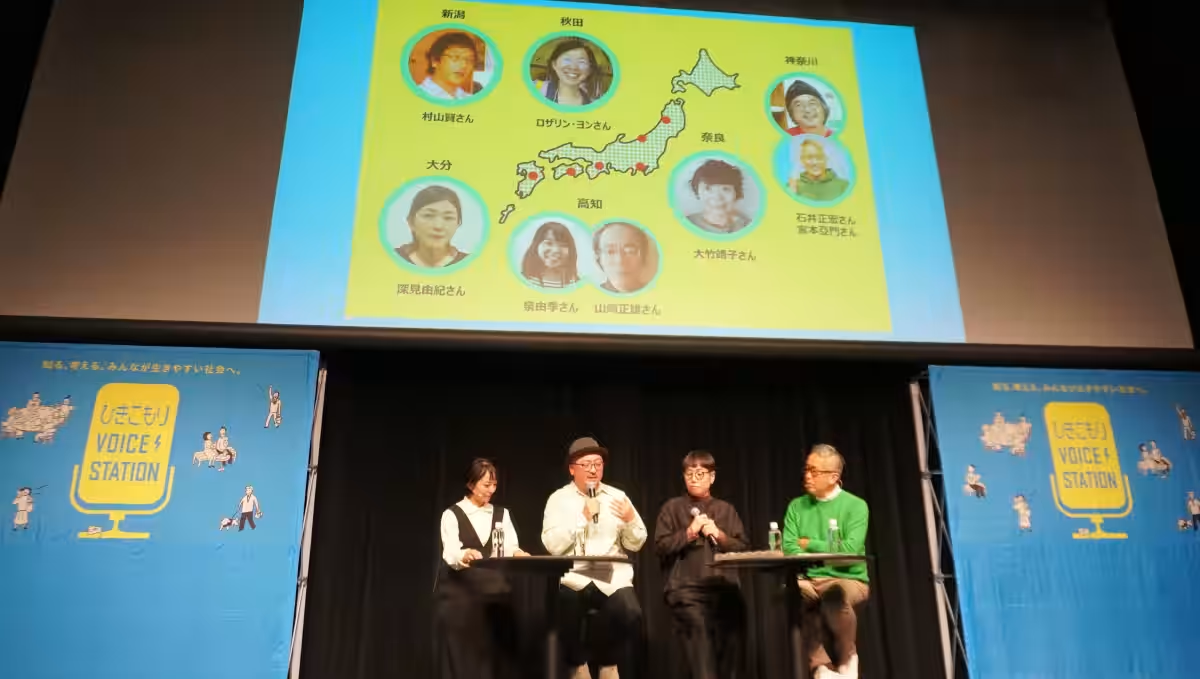
As the event wrapped up, panelists highlighted a nationwide caravan aimed at creating safe spaces — termed “places for the heart” — across six cities in Japan. They discussed the importance of fostering environments for both hikikomori individuals and their supporters to gather and share experiences. By establishing community connections, the goal is to continue building understanding and support around the hikikomori phenomenon.
In conclusion, the Hikikomori VOICE STATION Festival serves as a reminder of the importance of compassion, understanding, and solidarity in addressing societal challenges. Through shared stories, art, and community efforts, it highlights that no one should feel alone in their struggles and encourages a more inclusive future for all.

Topics People & Culture)

【About Using Articles】
You can freely use the title and article content by linking to the page where the article is posted.
※ Images cannot be used.
【About Links】
Links are free to use.