




Enhancing Recruitment ROI through Health Management Certification Strategies
Introduction to Health Management Certification in Recruitment
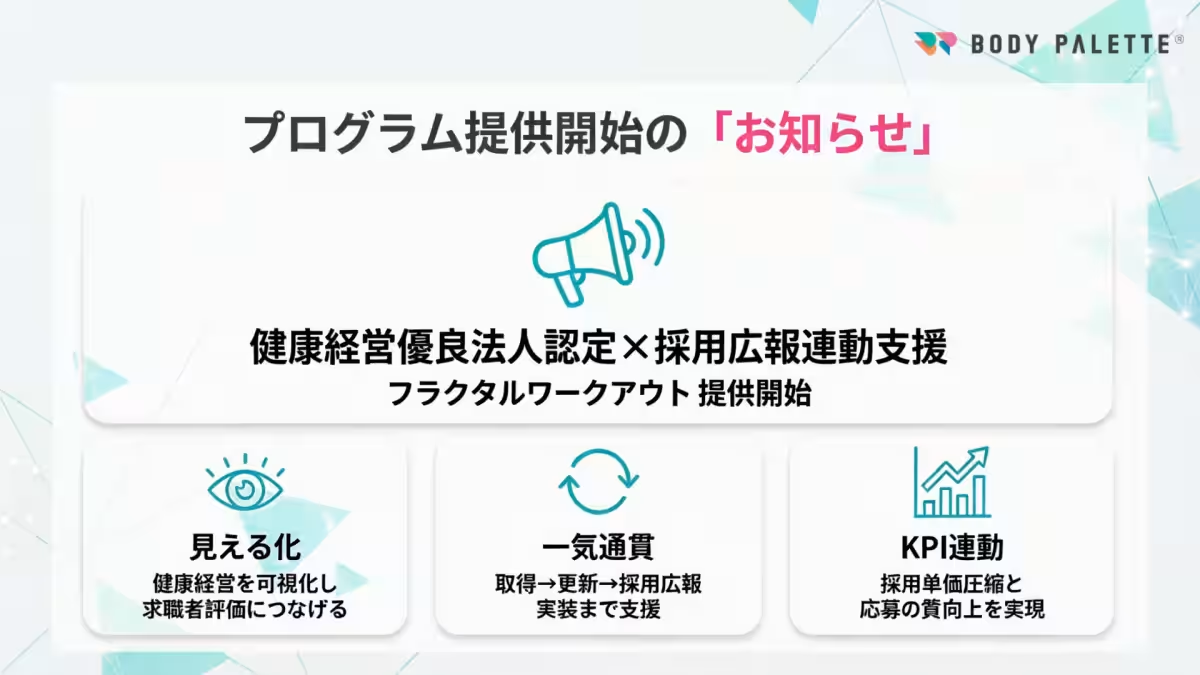
In today's competitive environment, companies are increasingly recognizing the significance of health management in their recruitment strategies. The Health Management Excellence Certification aims to visualize and assess the quality of health management practices, which benefits both employees and applicants.
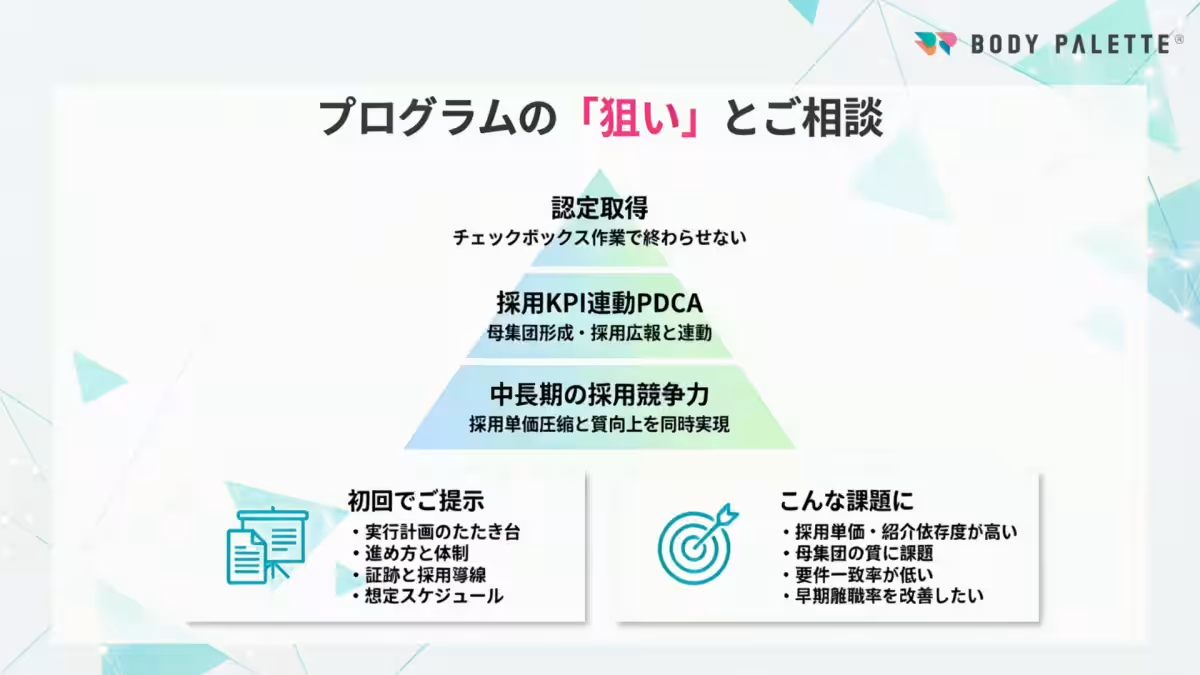
The new support program introduced does not simply focus on achieving certification, but also strives to lower recruitment costs, improve the quantity and quality of applicant pools, enhance the matching rate of candidates to job requirements, and reduce early turnover rates. By integrating these objectives, organizations can align their hiring processes more closely with key recruitment performance indicators (KPIs).
The Need for an Integrated Approach
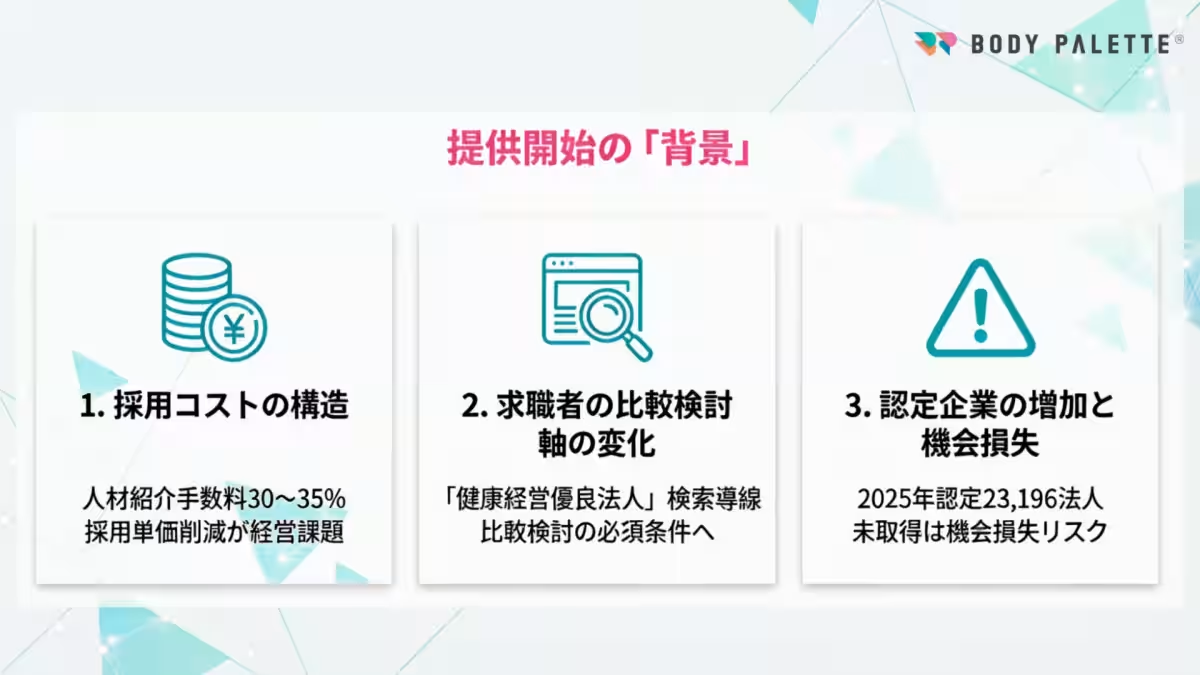
Recruitment remains one of the largest operational costs for many companies. When utilizing recruitment agencies, it is common for fees to range from 30% to 35% of the candidate's expected salary. Higher recruitment costs are often seen for more difficult-to-fill positions, necessitating a redesign of recruitment strategies to optimize return on investment (ROI).
As job seekers increasingly incorporate diverse criteria when evaluating employers, there is a growing presence of job listings associated with the Health Management Excellence Certification. This certification is no longer just a differentiating factor; rather, it has become a prerequisite for companies seeking to compete in the job market.
In the year 2025, a notable increase in the number of certified organizations was observed, with 3,400 large corporations and 19,796 small and medium-sized businesses obtaining certification. As more companies achieve certification, the failure to do so becomes a significant risk in terms of recruitment opportunities.
Program Overview
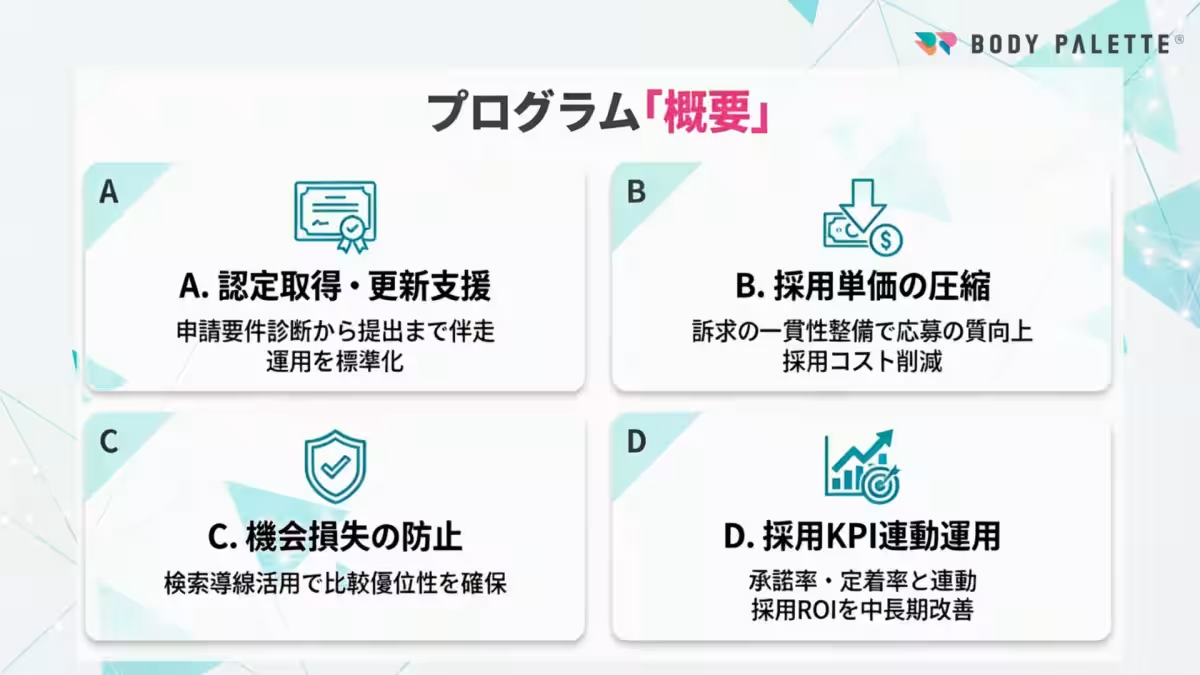
This program is designed to assist organizations in attaining and renewing their health management certifications with a focus on recruitment strategies such as applicant pool development, employer branding, and recruitment KPIs. The goal is to establish a seamless process from certification to ongoing communication about recruitment strategies.
A. Structuring and Designing Requirements
The initial phase involves assessing current practices to identify gaps in the certification requirements. This includes preparing an annual schedule and formulating a plan for evidence collection to support compliance.
B. Reducing Recruitment Costs through Certification
The program emphasizes leveraging certification as a vital component within job listings, ensuring consistency across various recruitment channels (job postings, company presentation materials, social media, etc.) to enhance candidate quality.
C. Preventing Opportunity Loss
By implementing the certification as a mandatory requirement for job applications, the program addresses the comparative disadvantage suffered by companies that have not yet achieved certification. This ensures organizations remain competitive.
D. Linking Certification to Recruitment KPIs
Once certification is obtained, the program focuses on aligning health initiatives with recruitment KPIs such as applicant volume, cost-per-hire, matching rate, acceptance rate, and retention rates. This framework is designed to improve both short-term visibility and long-term performance.
Expected Business Impact
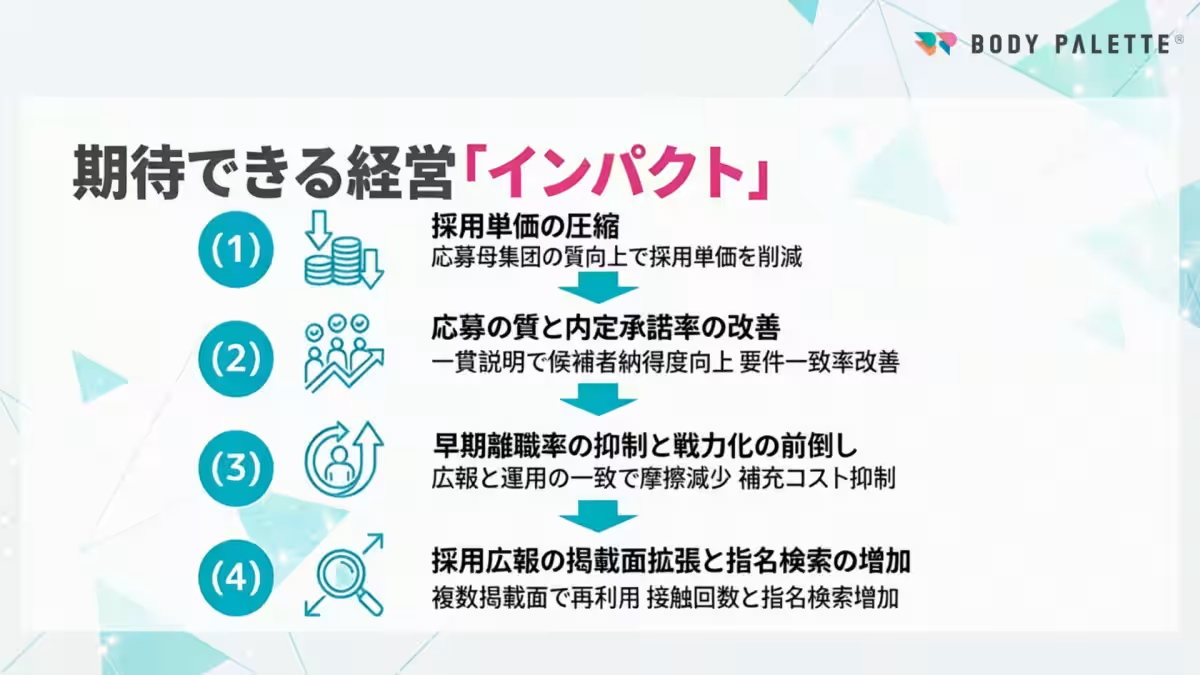
1. Cost Reduction in Recruitment: As agencies often charge significant fees, enhancing applicant quality and quantity while decreasing costs becomes crucial. This strategy leads to a direct reduction in the cost-per-hire.
2. Increase in Candidate Quality and Acceptance Rates: By providing a clear narrative about how certification is operationalized, candidates can better appreciate the organization's commitment, thereby increasing engagement and retention throughout the recruitment process.
3. Reducing Early Turnover: Ensuring that recruitment messaging aligns with actual work conditions can alleviate onboarding issues, thereby mitigating turnover risks and accelerating the integration of new hires.
4. Expanded Recruitment Marketing: The certification serves as a visible asset that can be leveraged across various platforms, ultimately enhancing candidate outreach and driving more targeted searches.
Implementation Steps
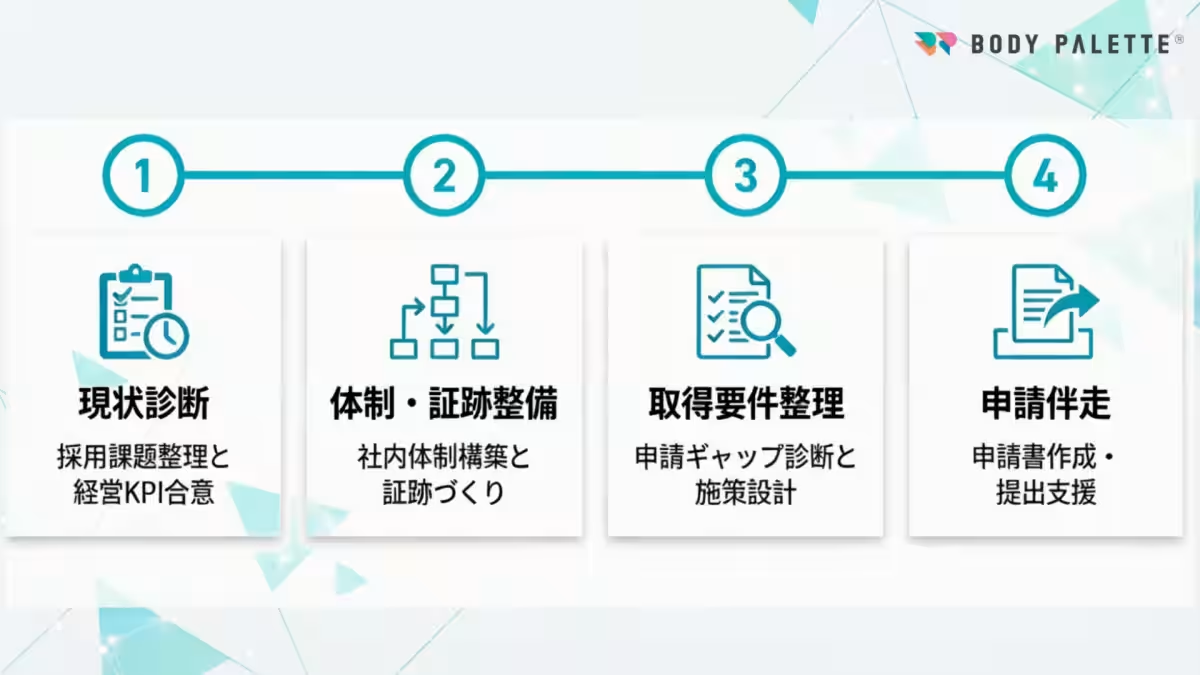
1. Current Situation Assessment: Identify recruitment challenges and define the objective of acquiring certification, aligning with management KPIs.
2. Clarification of Requirements: Diagnose gaps in current practices to design actions that meet certification standards.
3. System and Evidence Preparation: Establish internal structures and create an annual plan that outlines necessary initiatives and supporting evidence.
4. Application Support: Assist in the preparation and submission of the certification application.
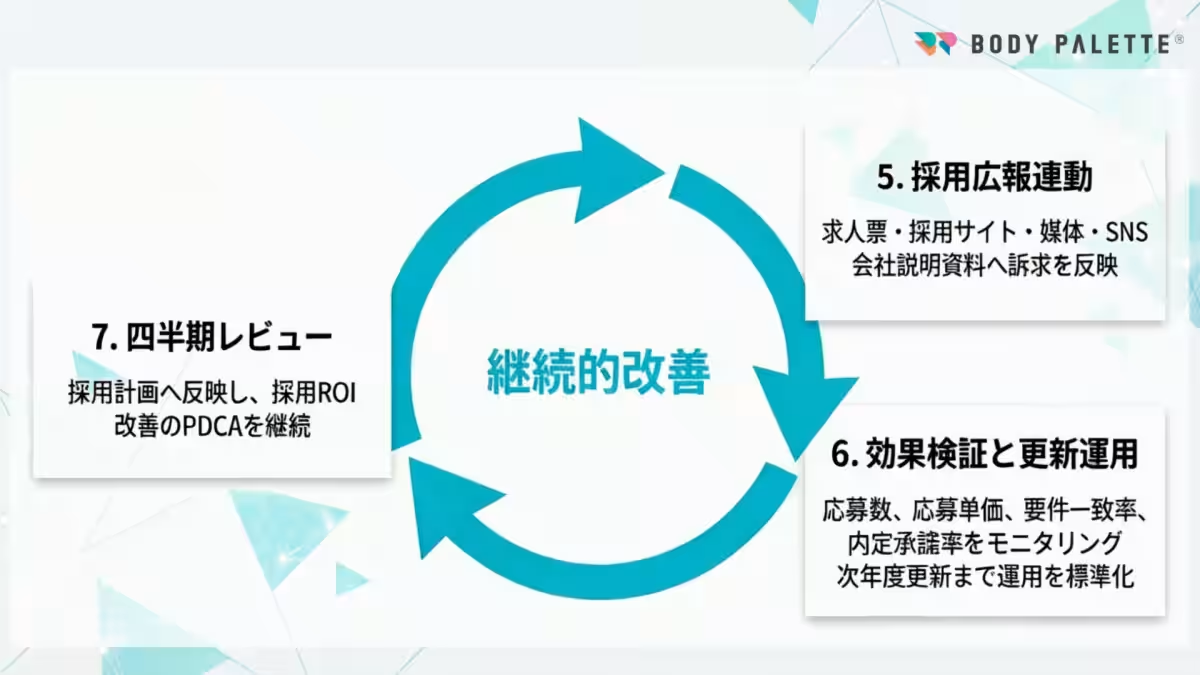
5. Integration with Recruitment Marketing: Ensure job postings and company materials reflect health management initiatives.
6. Monitoring and Continuous Improvement: Regularly review recruitment metrics and adjust strategies before the next certification cycle.
7. Quarterly Reviews: Continuously incorporate insights into recruitment plans to enhance ROI.
Conclusion
This program seeks to connect the acquisition of health management certification to broader recruitment and business strategies. By treating certification as more than mere compliance, companies position themselves to develop a competitive edge in talent acquisition. For further discussions on how to integrate health management into your recruitment outcomes, please reach out to us.
For more information:
Fractal Workout, Inc.
Address: 4F, Harajuku Jingumae Mori, 1-14-34, Shibuya, Tokyo
Founded: April 1, 2020
Capital: 500 million yen
Business Focus: Fitness Services
Website: fractal-workout.com

Topics Business Technology)
【About Using Articles】
You can freely use the title and article content by linking to the page where the article is posted.
※ Images cannot be used.
【About Links】
Links are free to use.