



Exploring the Use of Generative AI in Education: Insights and Challenges
An In-Depth Exploration of Generative AI in Education
Altharga Partners, a company based in Shibuya, Tokyo, conducted a survey involving 283 educators across Japan to assess the current use and attitude towards generative AI in educational settings. The study aimed to explore the effects of AI on operational efficiency, learning outcomes, and the teacher-student relationship. Surprisingly, the results indicated that while many teachers recognize the potential benefits of AI, the actual use in the classroom is still limited.
Survey Overview
The survey was conducted through an online questionnaire from July 22 to July 29, 2025, targeting professionals in the education sector. Here are some key findings:
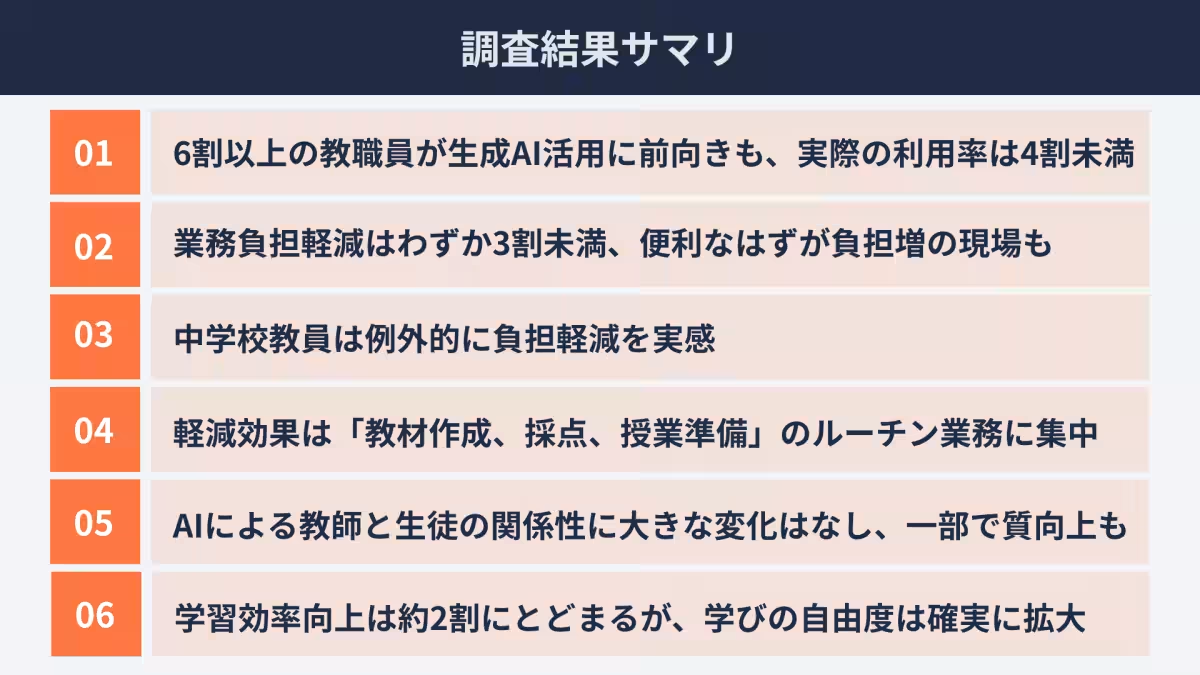
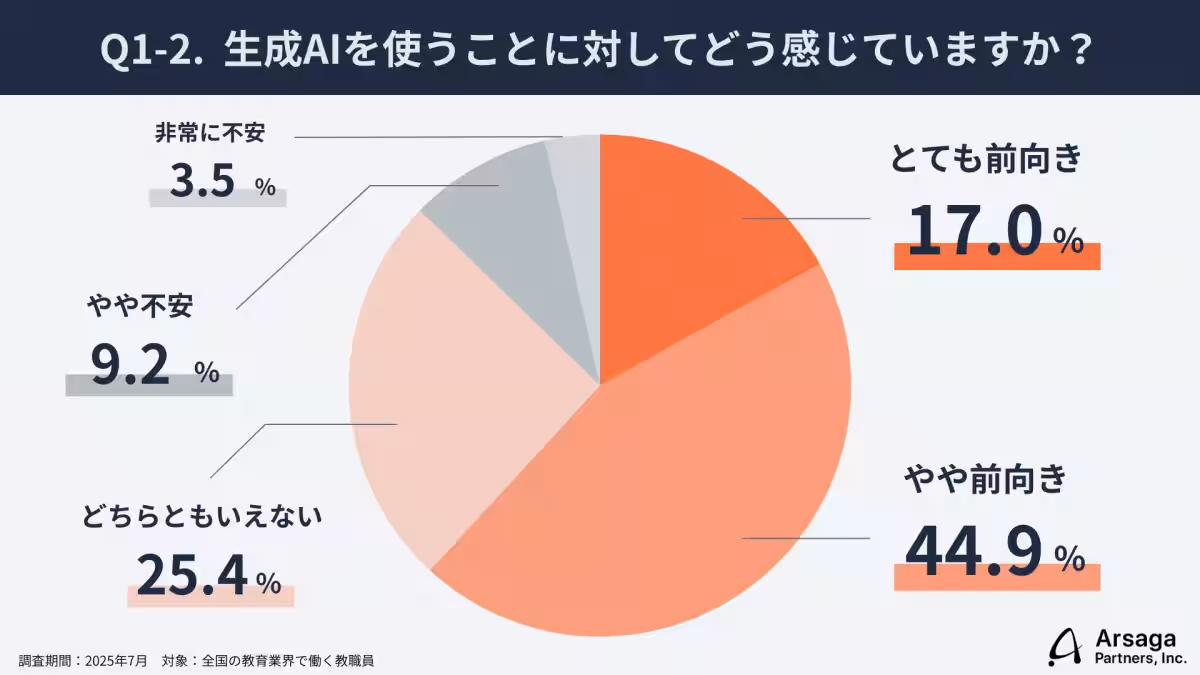
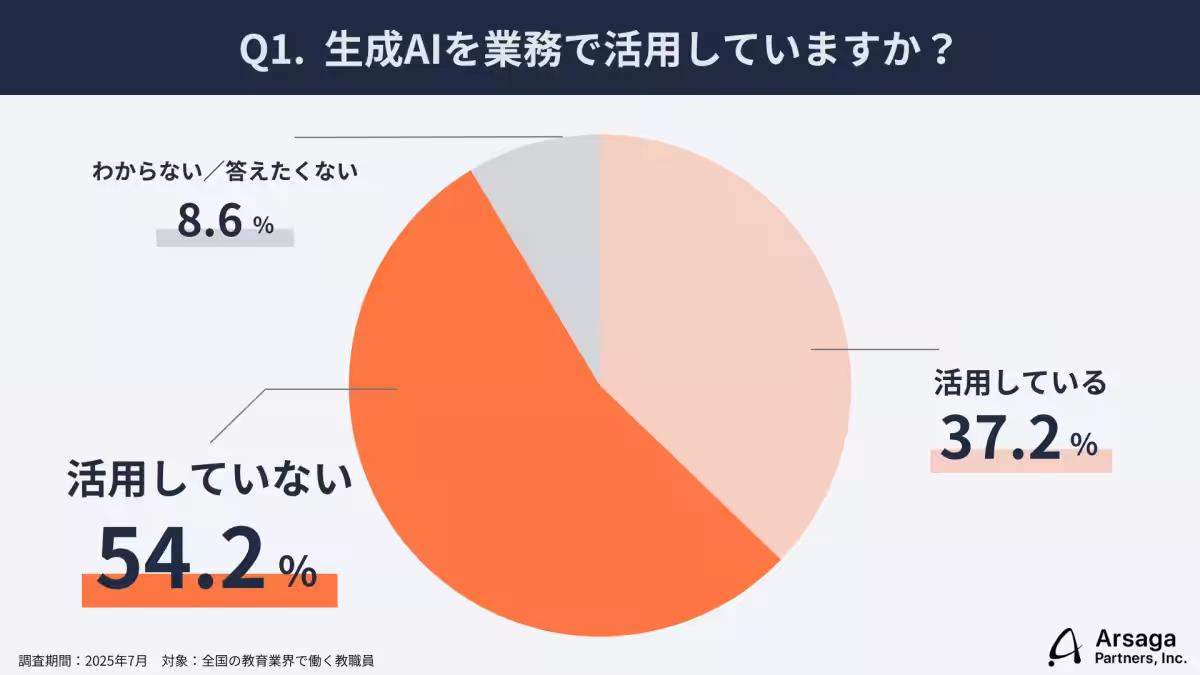
1. Usage of Generative AI: Only 37.2% of educators reported actively using generative AI in their work, while over half (54.2%) were not utilizing this technology at all. Despite this, a significant portion of educators expressed a forward-looking attitude towards its implementation, with 61.9% showing some level of enthusiasm for future utilization.
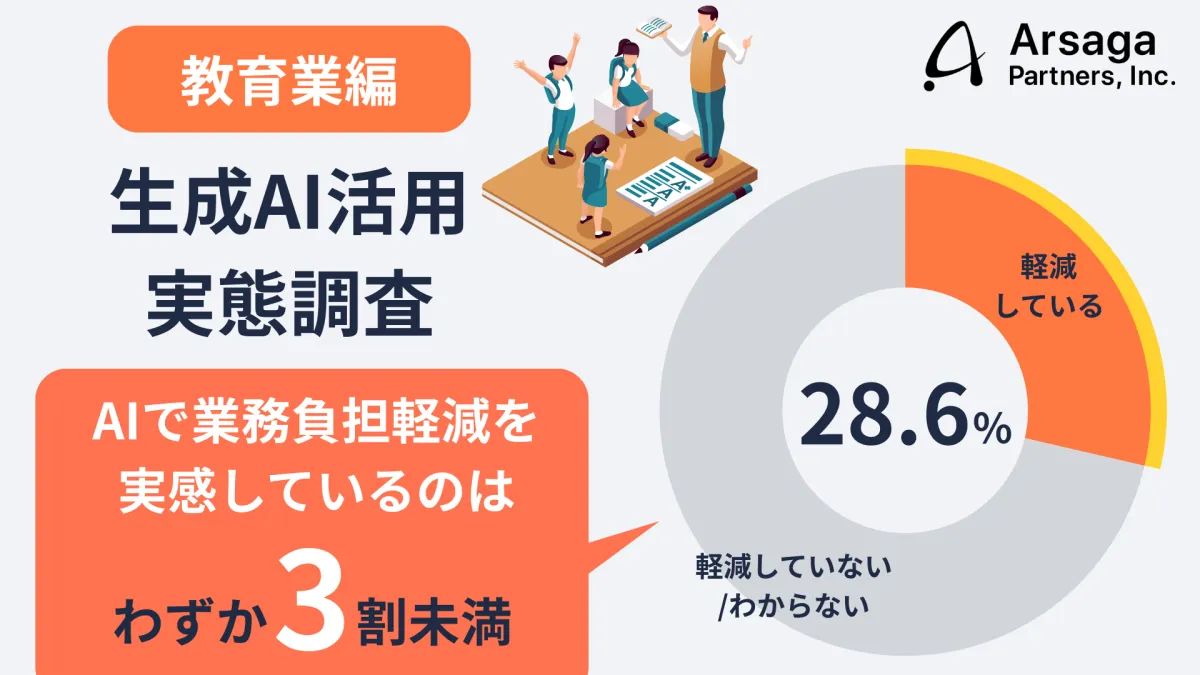
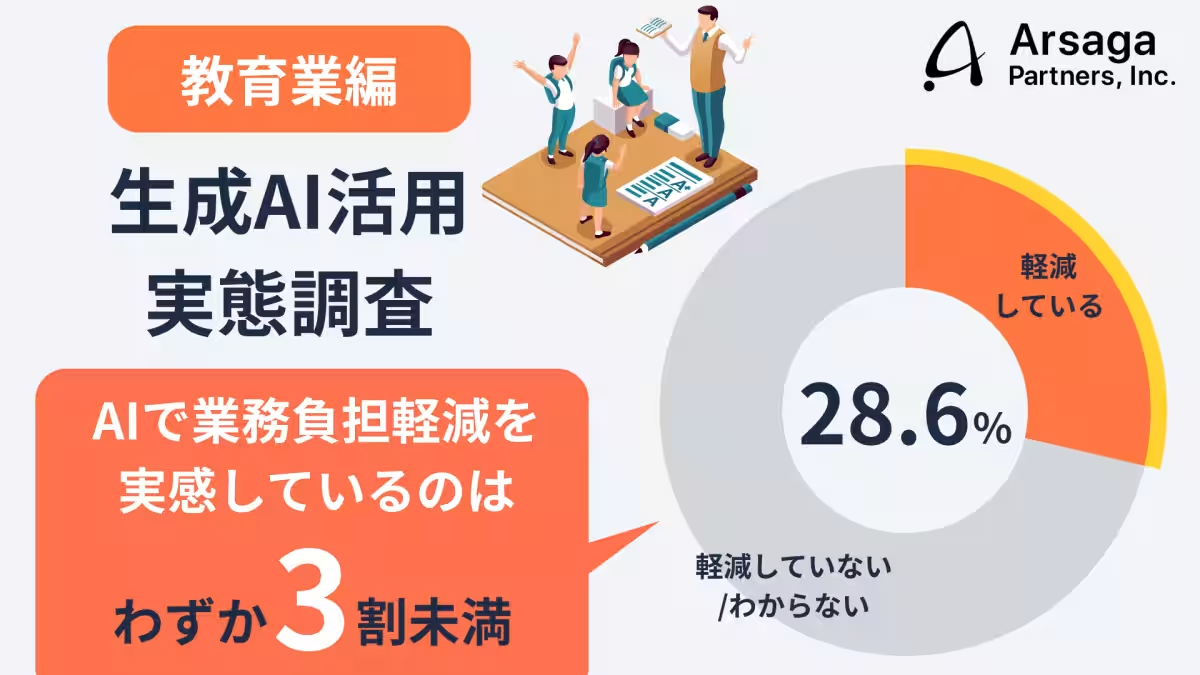
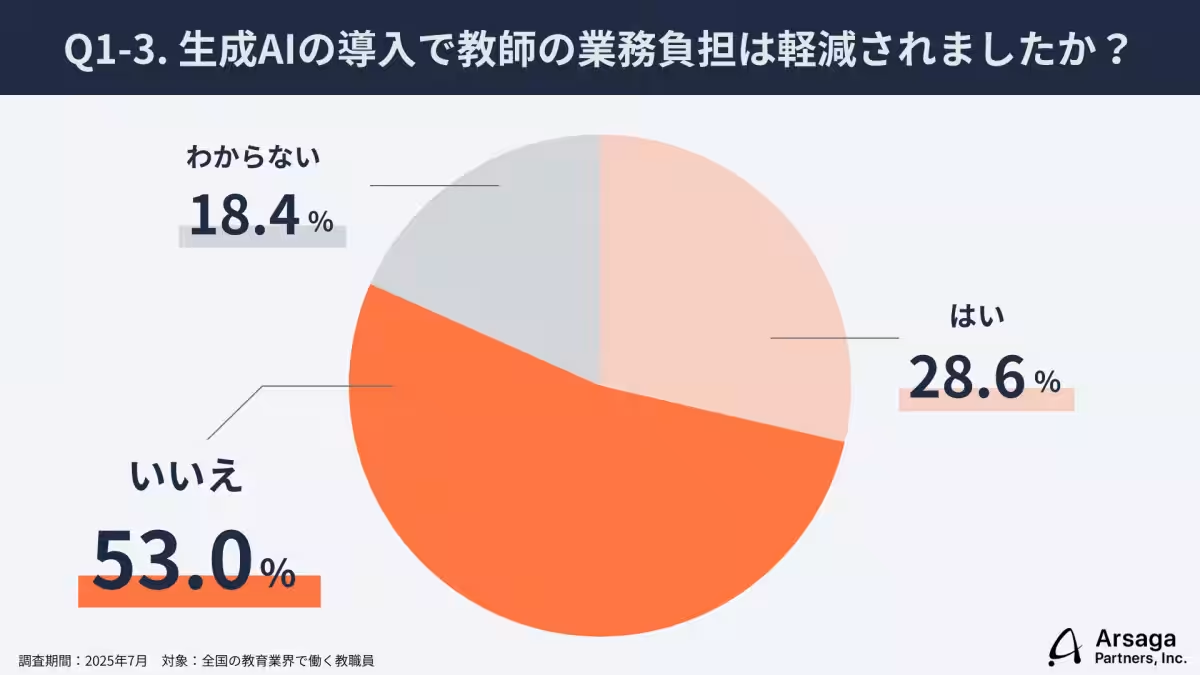
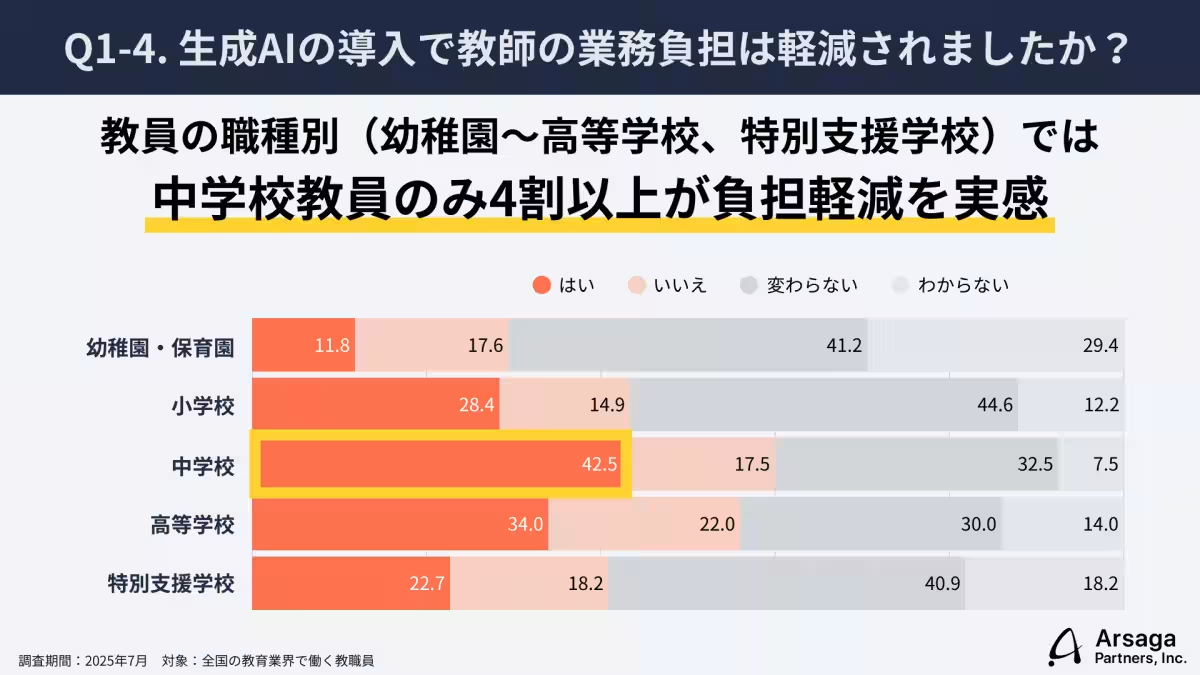
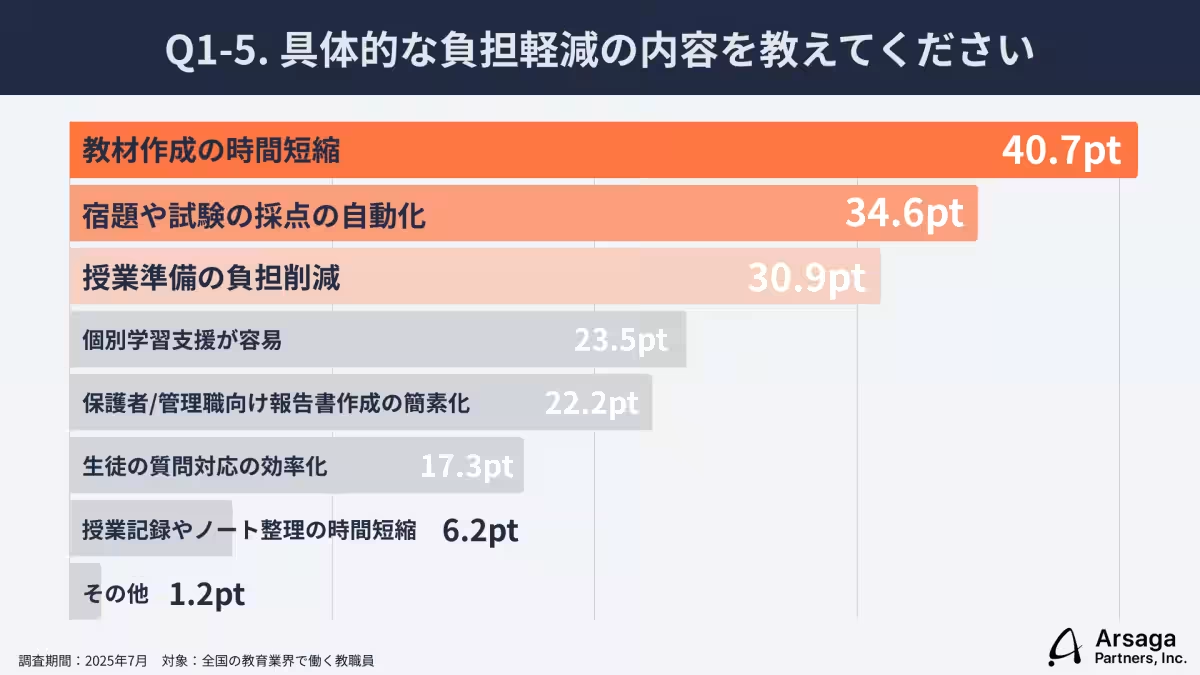
2. Burdens on Workload: Regarding whether AI eased their workload, only 28.6% responded affirmatively, while over half (53.0%) felt that it had not alleviated their burdens. Educators highlighted potential downsides, such as the need for verifying AI outputs and ensuring academic integrity concerning student work, which has paradoxically increased their workload rather than decreasing it.
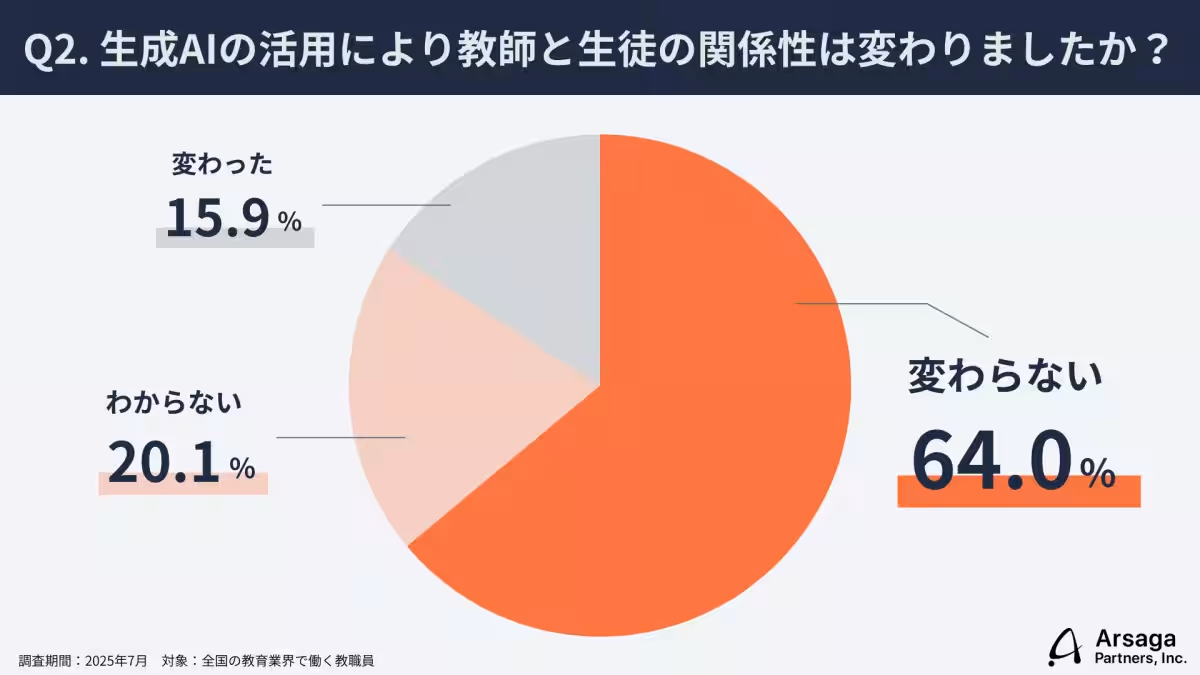
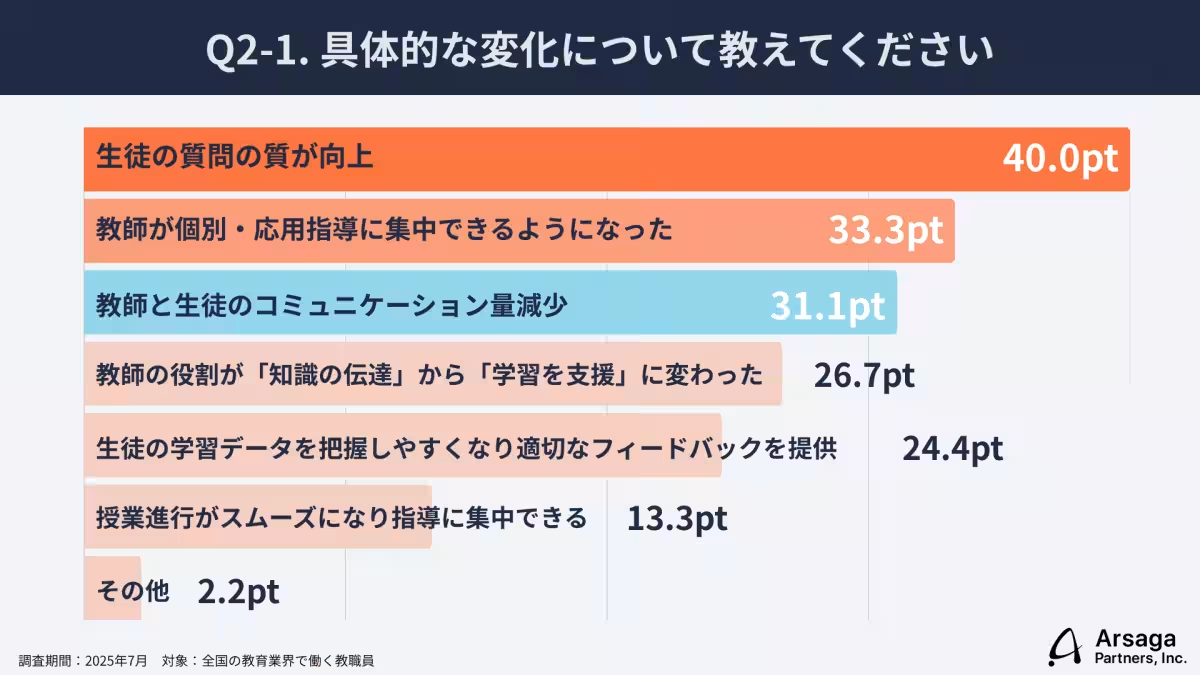
3. Impact on Teacher-Student Relationships: Most respondents (64.0%) felt that the teacher-student dynamic had remained unchanged since incorporating AI into their practices. However, some observed positive changes, such as improved quality of student inquiries and more time for individualized instruction.
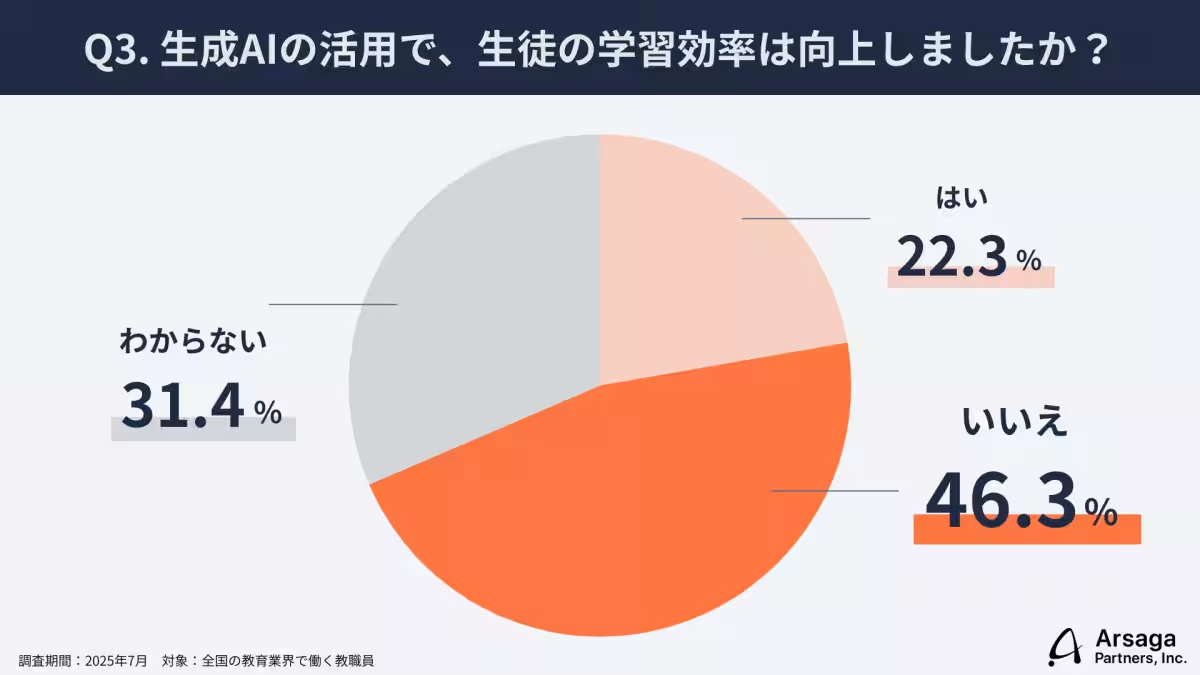
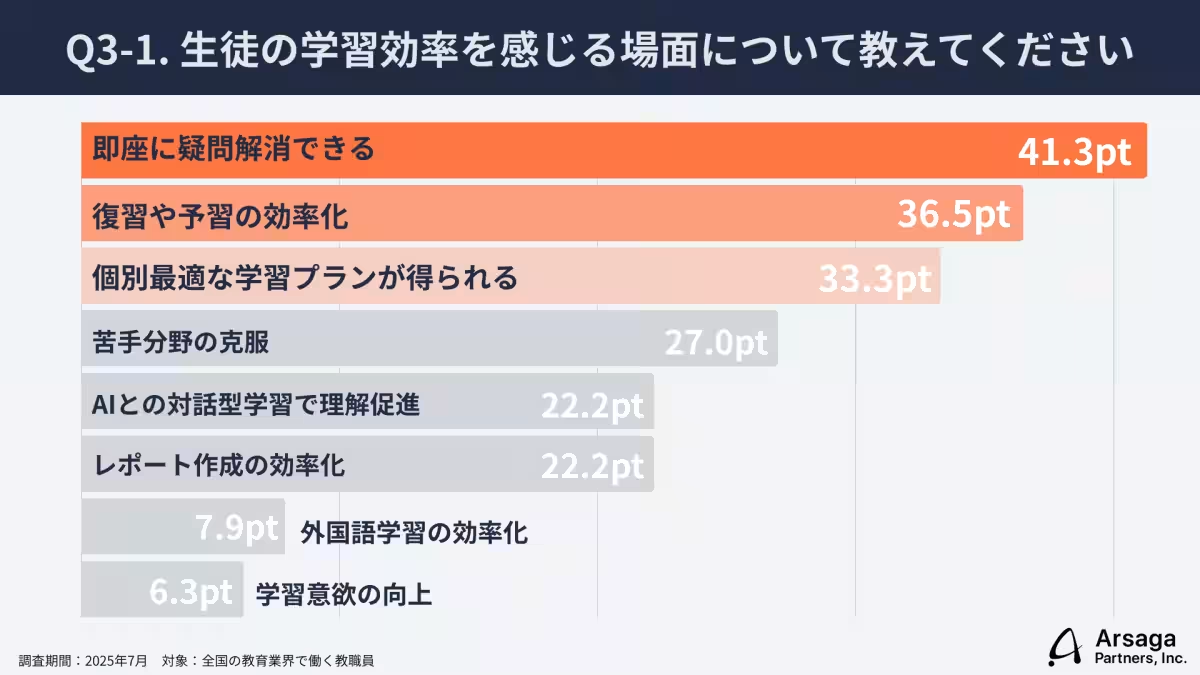
4. Learning Efficiency: In terms of learning outcomes, only 22.3% of teachers noted an improvement in student learning efficiency. Yet, certain aspects of student learning, such as immediate doubt resolution and enhanced preparatory capabilities, showed promising indicators of progress.
Insights and Implications
The findings illustrate a clear contrast between the perceived advantages of generative AI and its actual application in educational contexts. Many educators appear optimistic, recognizing the technology's potential, yet remain hesitant to fully implement it due to existing challenges. Noteworthy is the significant gap noted between teachers’ hopes for AI and its current implementation in their workflows.
The survey also indicated that while generative AI can improve task efficiencies within routine operations, it has yet to demonstrate significant overall changes in educational practices or enhance teacher-student interactions fundamentally. Furthermore, the teachers who expressed optimism tended to be in environments where AI was actively promoted by peers, suggesting that organizational culture could significantly impact the technology's adoption.
The Path Forward
Altharga Partners emphasizes the importance of creating a supportive environment for educators to experiment with AI without pressure. This includes facilitating access to AI tools that streamline their routines, thereby allowing them to focus on deeper, more engaging interactions with their students. Moving forward, the role of AI in education could transform from a tool for operational efficiency to one that enriches the educational experience. However, realizing this potential hinges on addressing the existing barriers to implementation and fostering a culture of experimentation among educators.
As generative AI continues to evolve, its ability to transform learning environments relies not only on technological advancements but on the collaborative efforts of educators, administrators, and developers. Together, they can cultivate new methodologies that harness the power of AI while maintaining the essence of personalized teaching and learning.
Conclusion
The journey toward integrating generative AI into education is marked by both challenges and opportunities. Altharga Partners remains committed to supporting educators in navigating these complexities, ensuring that the benefits of AI are fully realized while preserving the fundamental human connections that define the learning experience.

Topics Other)
【About Using Articles】
You can freely use the title and article content by linking to the page where the article is posted.
※ Images cannot be used.
【About Links】
Links are free to use.