



Collaboration Between Japanese and African Youth for a Shared Future at TICAD9
Bridging Cultures: Japanese and African Youth Unite at TICAD9
On August 20th, 2025, the Japan International Cooperation Agency (JICA) hosted a hybrid event titled "The Future Opened by Young Connections - Traveling to Africa (TOMONI Africa)" at the Yokohama InterContinental Hotel. This event was part of the 9th Africa Development Conference (TICAD9) and aimed to deepen mutual understanding between Japanese and African youth through discussions and shared experiences. Participants included university students from Japan who have traveled to Africa, international students under the ABE Initiative, and various stakeholders from JICA and beyond.
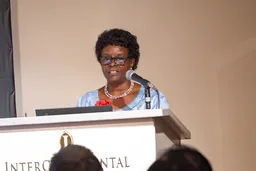
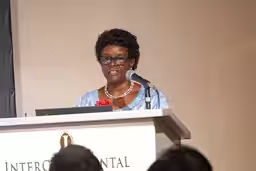
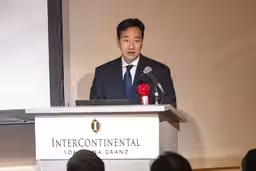
The event kicked off with opening remarks from JICA’s Hiroyuki Kobayashi, who emphasized the importance of Africa’s sustainable development and the potential for technology to drive growth. Kobayashi urged the younger generation to take an active role in creating shared futures. Following him, Marie Claire Mukasine, the Ambassador of Rwanda to Japan, expressed gratitude towards courageous Japanese youth who have visited Africa, highlighting the dynamic power of Africa and the need for collaboration in mutual understanding and innovation.
Representative Daishiro Yamagiwa shared insights from his experience in Africa, reflecting on the significant advancements made in the continent over the past 40 years and expressing hope for the global impact of the younger Japanese generation.
JICA's Shuhei Ueno explained the TOMONI Africa initiative, which focuses on fostering exchanges between young people in Japan and Africa. He described Africa as the region with the greatest potential for growth and affirmed the value of Japanese youth engaging with their African counterparts.
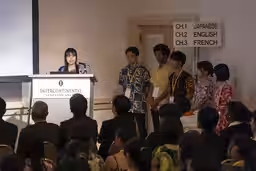
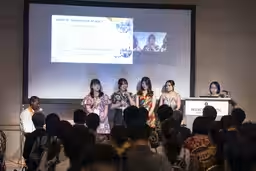
The core of the event was a presentation from Japanese students who shared their experiences traveling to various African countries, such as Ghana, Côte d'Ivoire, and Rwanda. They discussed their fieldwork, cultural exchanges, and the valuable lessons learned from their interactions with local communities. These presentations were followed by comments from ABE Initiative students, who provided perspectives from their home countries.
The first participant from the University of Tokyo, who had traveled to Ghana, spoke about the pride felt in sharing Japanese educational methods and how engagement in local projects led to personal growth in flexibility and problem-solving skills. An ABE student from Ghana supported this view by noting that language barriers in African regions remain a challenge, advocating for early language acquisition and exposure to African cultures among Japanese youth.
A student from Sophia University shared her enriching experiences of kindness from local people during her visits to Côte d'Ivoire, where she engaged in discussions on local issues such as development and child labor alongside local students.
The dialogue continued with participants discussing sensitive topics, including the 1994 Rwandan genocide. A Central University student reflected on their responsibility as an ambassador to share the stories of those who have strived for peace and healing in the wake of this tragedy. They also noted the importance of nutrition in healthcare while highlighting opportunities for sharing Japan’s healthy cuisine in Rwanda.
Following the presentations, a panel discussion was led by JICA’s Toshiyuki Nakamura, inviting questions around increasing the number of Japanese youth traveling to Africa. ABE students emphasized that Africa is no longer a closed-off region but a land of opportunities that should be explored. They encouraged Japanese youth to visit and experience the continent’s diverse cultures and challenges.
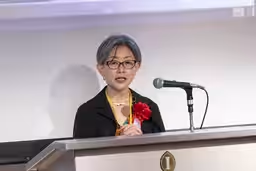
In closing, Vice-President Kaori Hayashi of the University of Tokyo remarked on the growing interest among young Japanese in Africa. She urged them to view Africa as a partner with shared challenges rather than as a distant entity and expressed expectations that the next generation would continue to bridge connections between Japan and Africa.
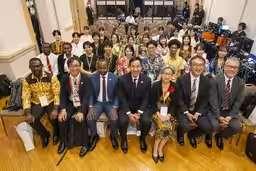
This event marked a significant step towards building collaborative relationships between the youth of Japan and Africa, with JICA committed to ongoing programs that promote mutual understanding and personnel exchange in the years to come.



Topics Other)

【About Using Articles】
You can freely use the title and article content by linking to the page where the article is posted.
※ Images cannot be used.
【About Links】
Links are free to use.