



Survey Reveals Workplace Mouse Usage Leads to Fatigue, Yet Indifference in Choice
Recent Findings on Mouse Use and Its Impact on Office Workers
In a recent survey conducted by Buffalo, a leading technology company based in Japan, data has emerged concerning the impact of mouse usage on workplace efficiency and ergonomics. The study surveyed 112 office workers, all of whom utilize a computer for more than six hours daily. The goal was to investigate the relationship between mouse operations, fatigue, and overall work performance.
Key Study Findings
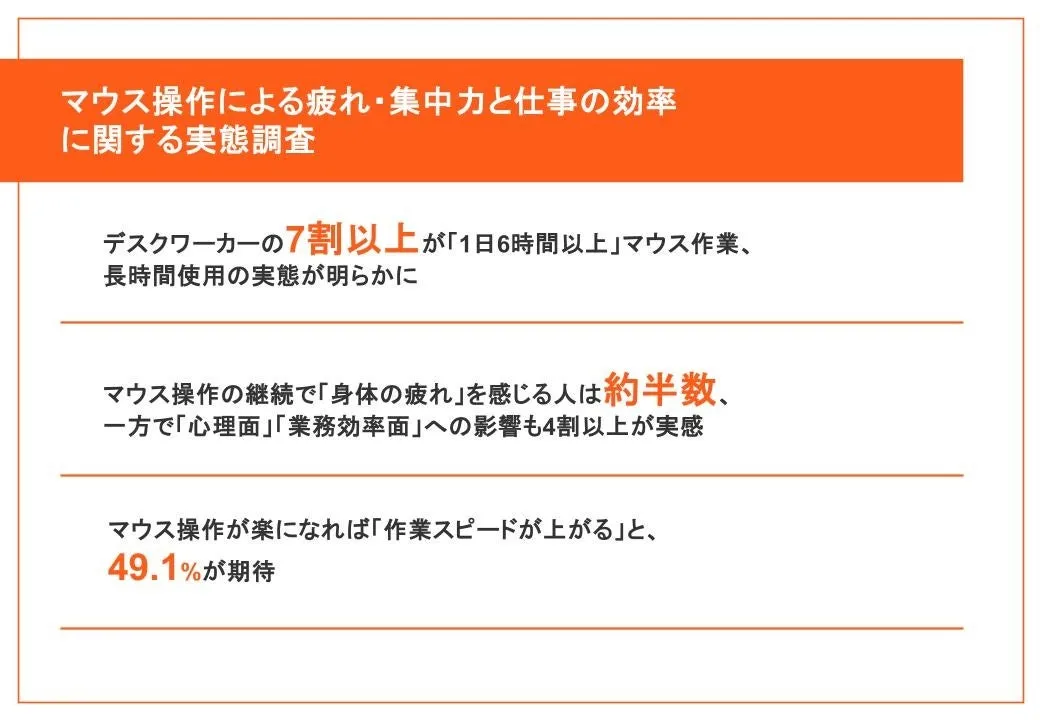
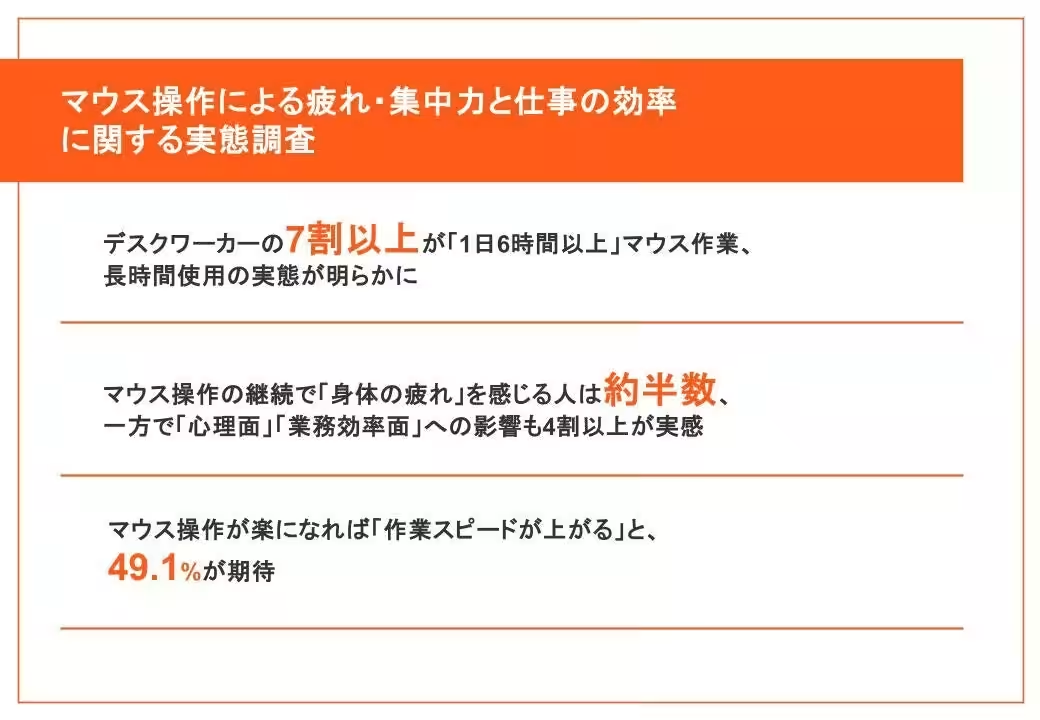
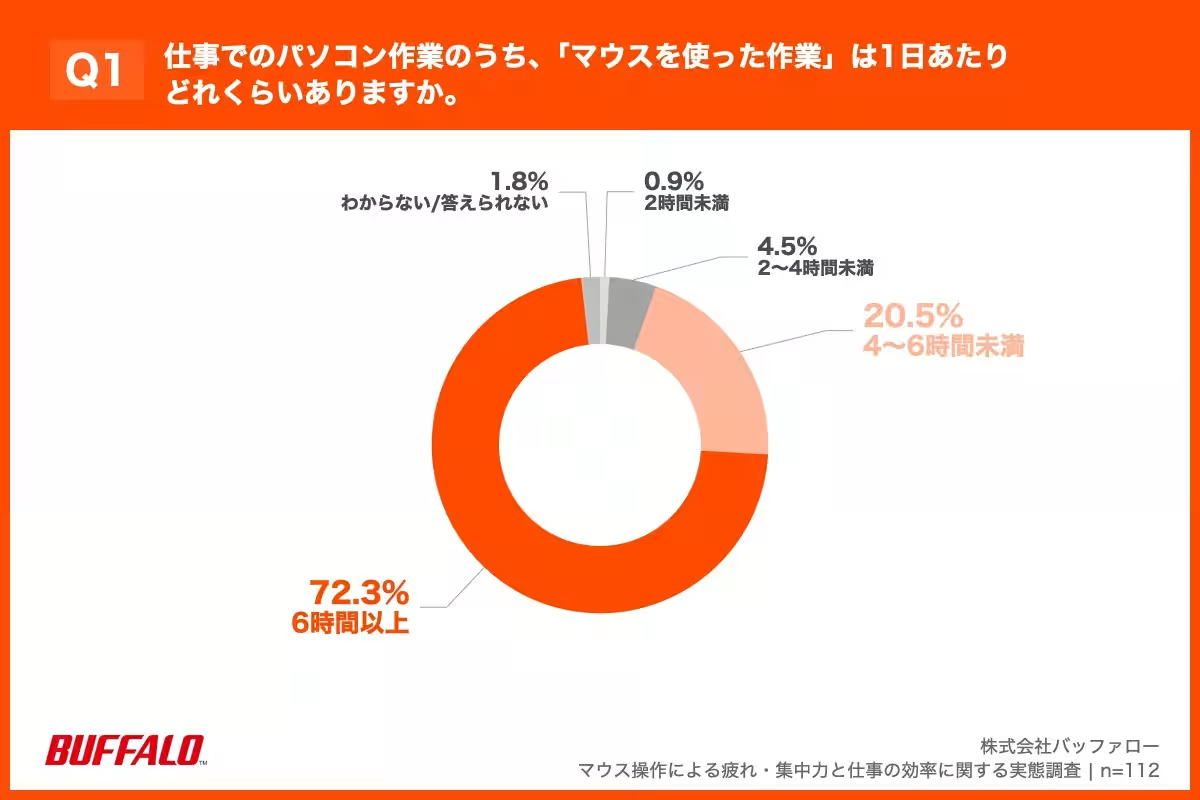
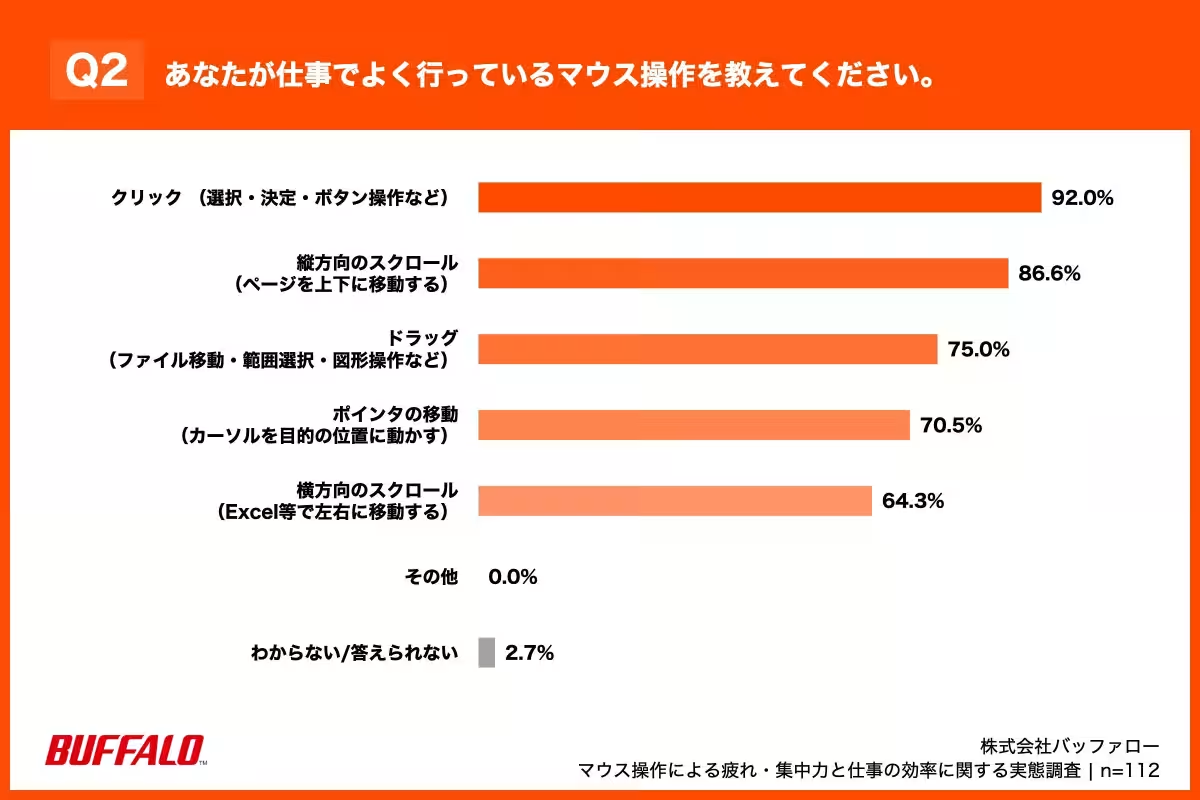
The survey revealed that 72.3% of the respondents spend more than six hours a day performing tasks that require mouse usage. When asked about the most common operations, clicking emerged at the forefront, with 92.0% of participants reporting it as a frequent task, followed closely by vertical scrolling at 86.6%. These basic operations are part of the daily routine for virtually all employees, indicating a heavy reliance on mouse functionality for their roles.
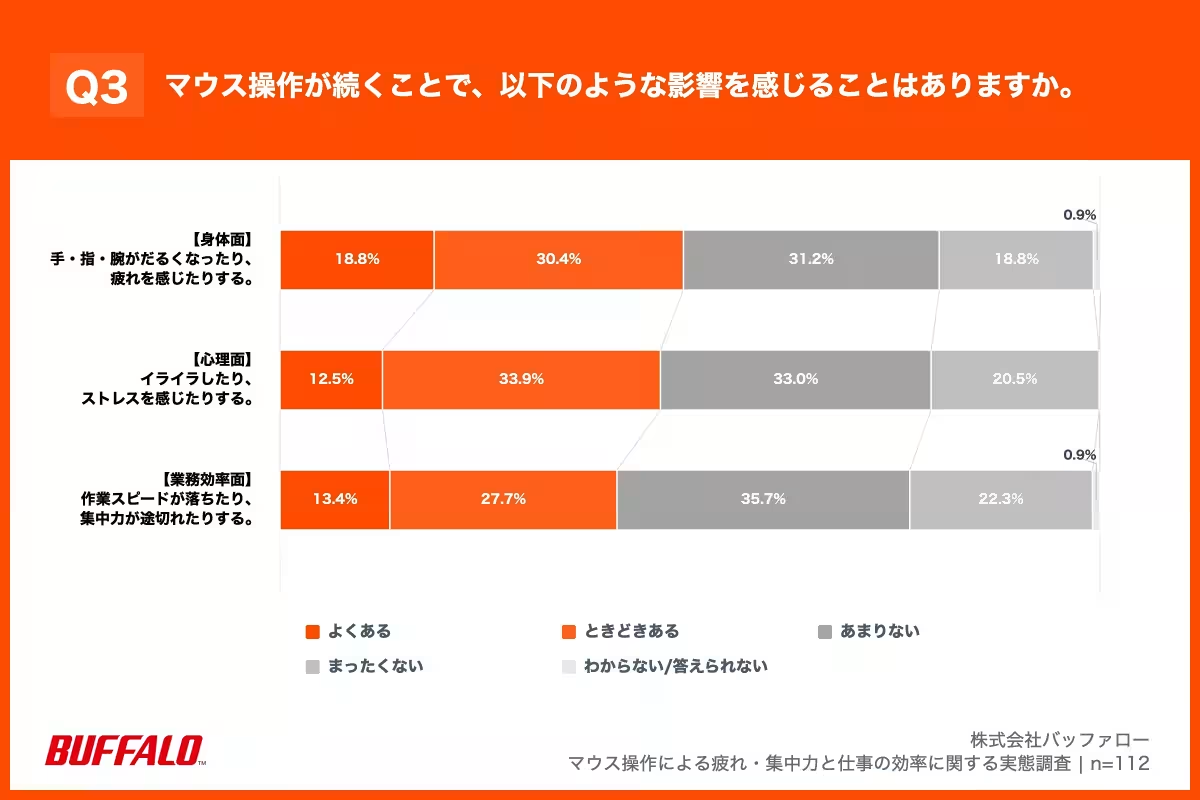
Interestingly, while many workers are engaged in these activities for extensive periods, nearly 49.2% reported experiencing fatigue or discomfort in their hands, fingers, or arms due to prolonged mouse usage. Furthermore, 46.4% admitted to feeling stressed or irritable, reflecting significant psychological and efficiency-related impacts associated with extensive mouse operations.
Indifference Towards Mouse Selection
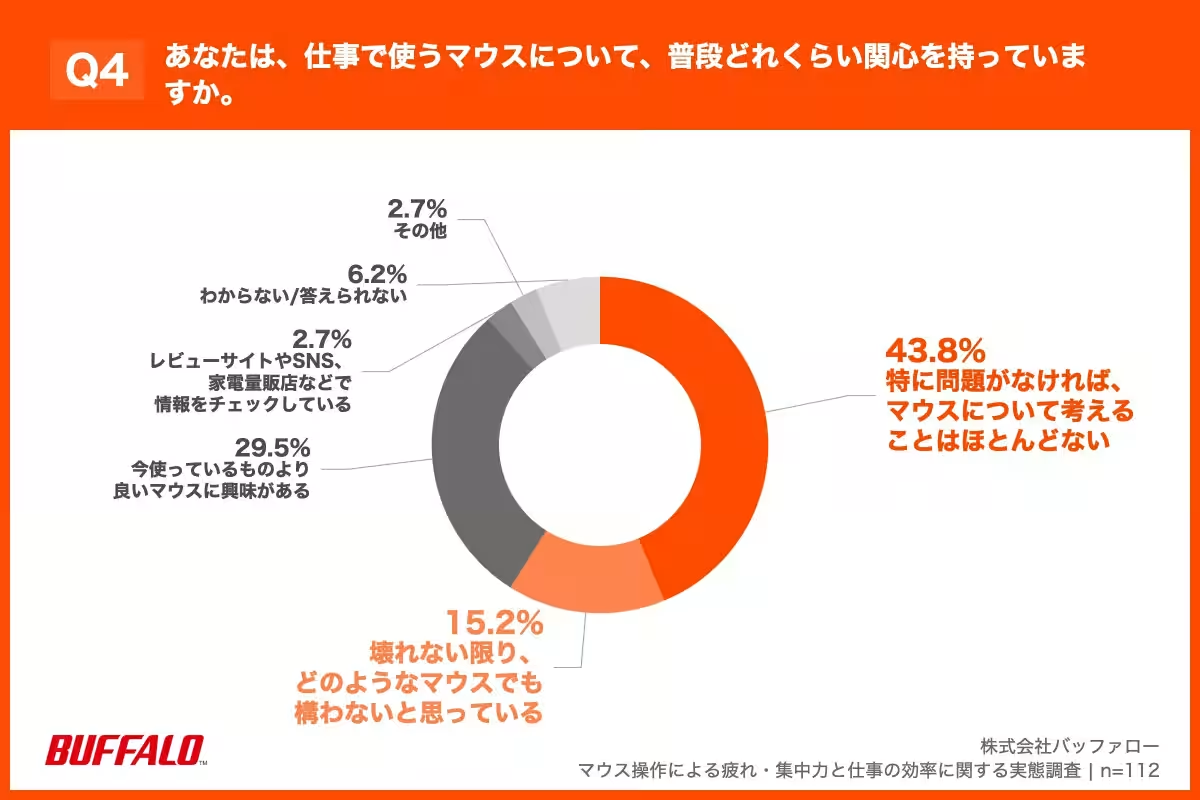
Despite the evident drawbacks, the study highlighted a concerning trend: many employees exhibit a lack of interest or concern regarding their mouse choice. About 43.8% of respondents stated that they rarely think about their mouse unless issues arise, while 15.2% claimed they do not care what kind of mouse they use, provided it works. This total of 59.0% suggests a widespread apathy towards selecting optimal mouse devices despite the physical toll they are experiencing.
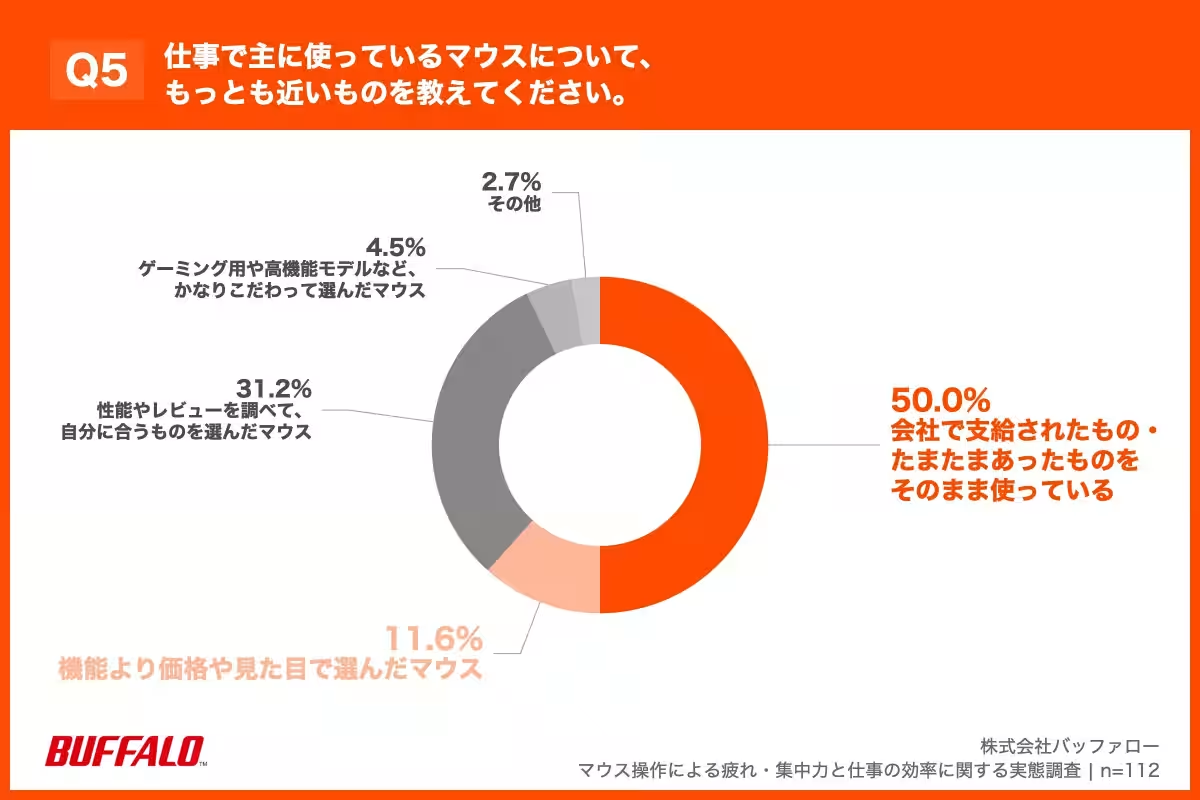
Moreover, an alarming 50.0% of participants utilize company-issued mice or random devices without any consideration for functionality. This reflects a trend where ergonomics and user experience in mice selection are not prioritized, potentially leading to negative health outcomes.
Factors Prompting Mouse Replacement
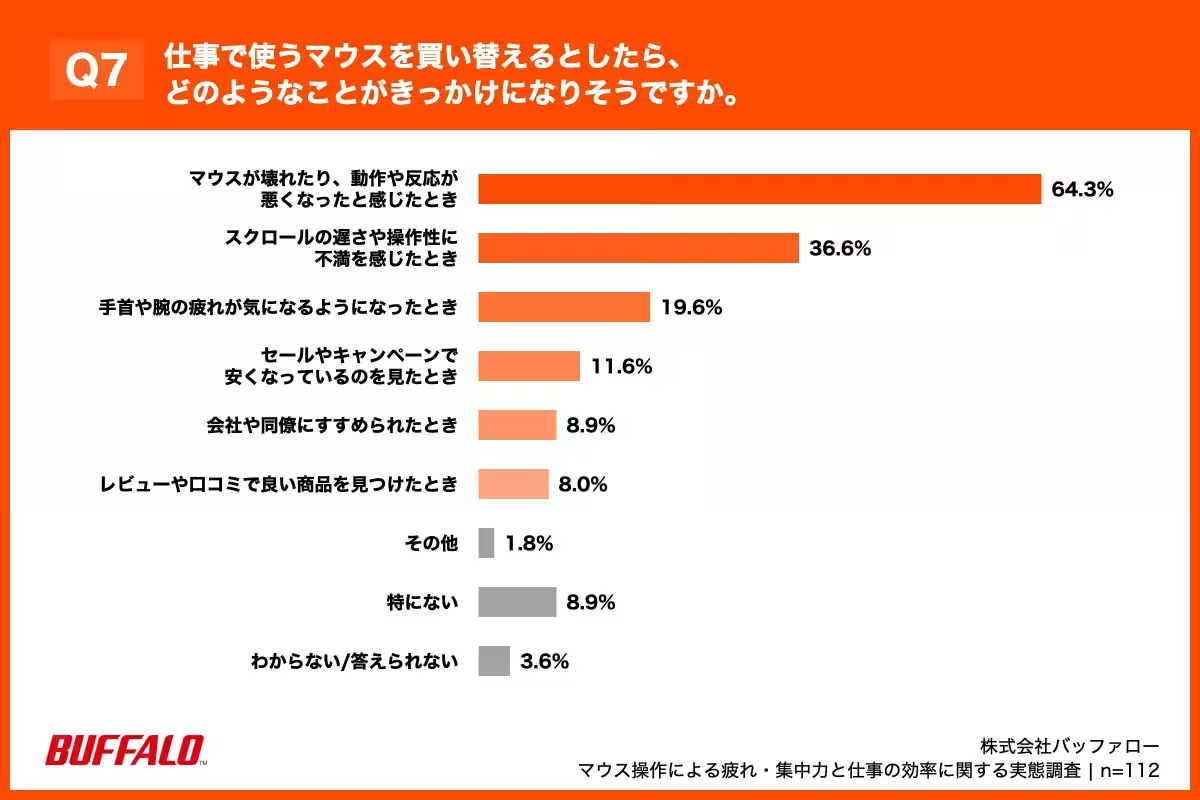
Interestingly, the main reason behind replacing a mouse appears to be necessity rather than proactive choice. The survey found that 64.3% of respondents would consider replacing their mice only when they broke down or showed poor performance. This suggests a reactive approach to equipment management rather than one that seeks to implement better practices for long-term health and efficiency.
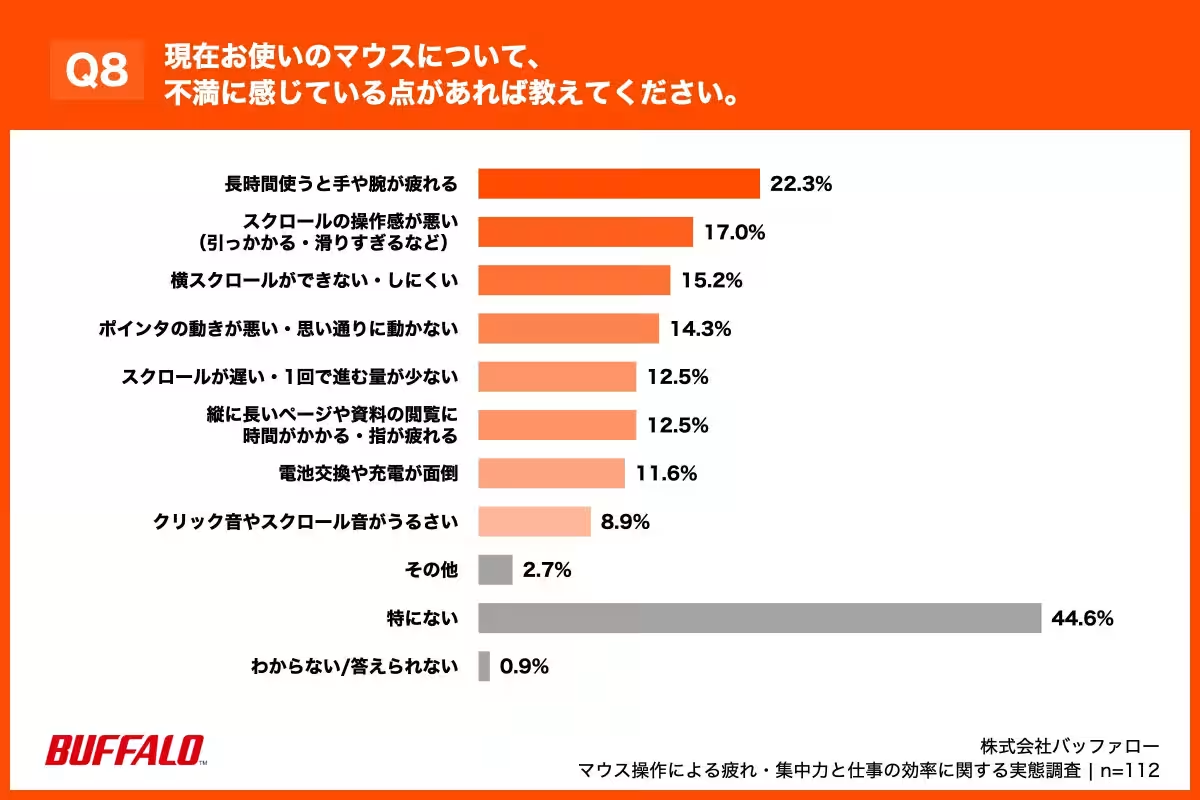
Additionally, feedback regarding dissatisfaction with current mice indicated that 22.3% found extended use leads to fatigue in hands or arms, and 17.0% were unhappy with the scrolling capabilities. These insights point towards a clear disconnect between the need for better equipment and the actual choices being made.
Expectations for Improvement
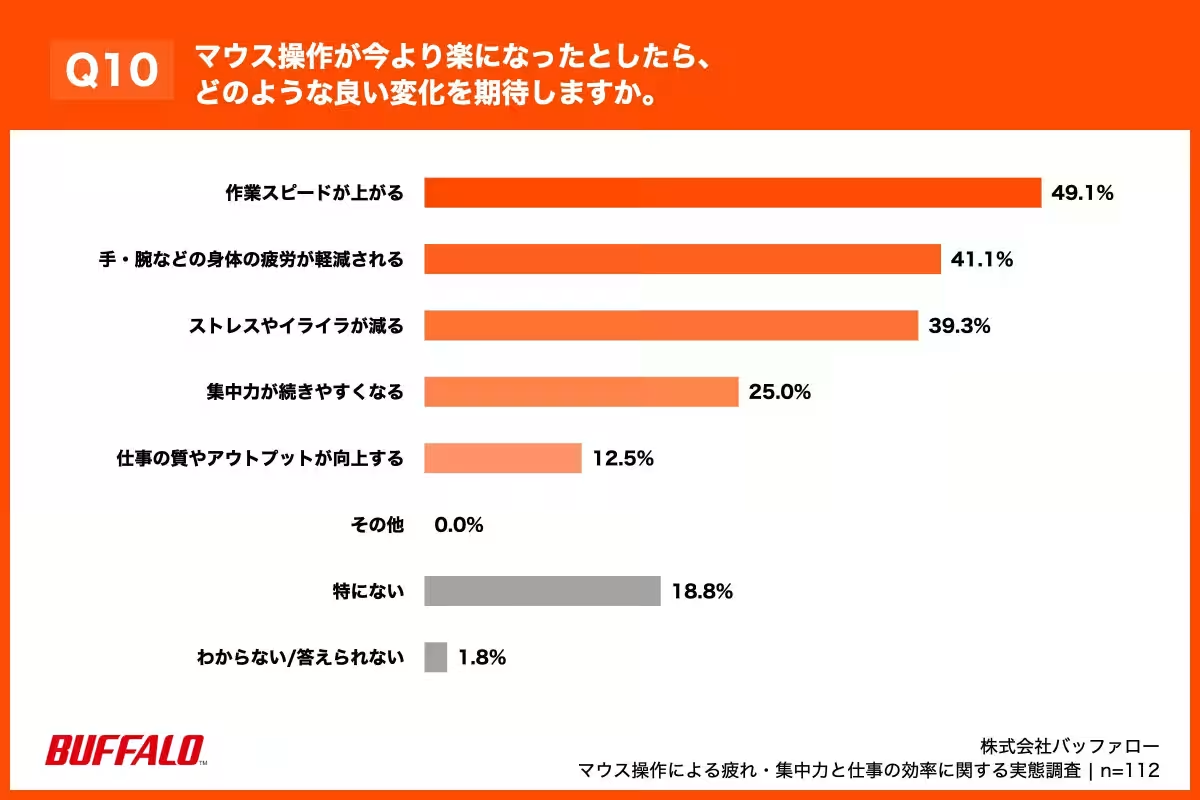
When asked about the desired improvements that could come from a more user-friendly mouse, around 49.1% believe that improved mouse ergonomics could enhance their task speeds. Moreover, 41.1% expressed that they would like to see a reduction in fatigue and discomfort, and 39.3% desired a decrease in stress levels associated with their work tasks.
Conclusion
This survey sheds light on the pressing need for awareness in mouse selection among office workers. Despite the prevalent fatigue and discomfort linked to prolonged mouse use, a significant proportion of individuals remain indifferent. Buffalo's findings emphasize that incorporating a more ergonomic and efficient mouse can mitigate physical strain and enhance productivity. Adopting such changes will not only improve the immediate work environment but also contribute positively to long-term worker health. Ultimately, reviewing the tools we use, such as the mouse, can play a vital role in transforming our work habits for the better.
Embracing Better Mouse Technology
For those looking to enhance their workplace experience, the BSMBB700 Series by Buffalo offers a wireless mouse designed to address many of the discomforts reported by users. With a high-speed scroll wheel and ergonomic design, it aims to make long hours of computing more comfortable and efficient. By considering such innovations, workers can take a proactive step towards improving their daily working conditions.


Topics Consumer Products & Retail)
【About Using Articles】
You can freely use the title and article content by linking to the page where the article is posted.
※ Images cannot be used.
【About Links】
Links are free to use.