



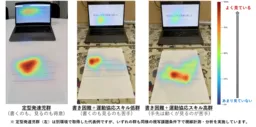
Understanding the Difficulties of Writing Through Dynamic Eye Movement Patterns in Children
Discovering Writing Difficulties Through Eye Movement Analysis
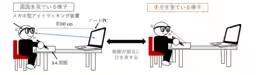
A recent study has highlighted how the challenges children face in writing are influenced by their eye movement patterns. Traditional understanding emphasized that the coordination of eye and hand movements (known as visuo-motor integration) is crucial for successful writing. Previously, researchers struggled to measure gaze during actual writing tasks. Now, utilizing wearable eye-tracking glasses, this research quantitatively assessed how children distribute their gaze between the reference text and their writing area during a three-minute copying task.
Eye-Tracking Insights
The study, conducted by Takako Watanabe and her team at Waseda University, sought to objectively identify the difficulties children encounter while writing. It focuses on understanding how a child’s gaze shifts during writing tasks. Many children can perform the motor skills required for writing yet still struggle with their visual attention, leading to what has been termed 'writing difficulties.' Previous estimates suggest that around 10% of elementary school students face such challenges, which could be easily misinterpreted as laziness or a lack of effort.
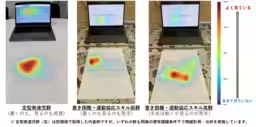
Using the innovative eye-tracking technology, the researchers found that children who struggle with writing often exhibited unstable gaze patterns—failing to consistently focus on either the writing surface or the model text they were using. By comparing these gaze patterns among different groups—specifically, those with typical developmental skills and those with writing difficulties—the team identified critical differences, uncovering a complex interplay between visual attention and handwriting skills.
The Significance of This Study
Understanding that gaze instability is a contributing factor to writing difficulties provides a new lens through which educators and parents can support affected children. Instead of attributing writing problems to a lack of effort, this research anticipates encouraging early detection of these difficulties based on observational metrics in classroom settings. The frequency of head movements, or 'gaze shifts,' when transitioning between the model text and their writing can serve as an indicator for identifying children who may require tailored support.
Furthermore, the findings can highlight that writing difficulties may stem from a divergence between what children view with their eyes and what they can express through writing. By segmenting the complexity of writing into its visual and motor components, the study aims to redefine approaches to educational support.
Practical Implications in Education
The implications of this study extend to practical applications in educational settings. By focusing on quantitative assessments of gaze behavior, teachers can gain insights into specific challenges students face. Early identification of problems will allow for timely interventions and personalized strategies in teaching methods, help reshape students' self-esteem, and combat assumptions that children experiencing difficulty are simply unmotivated.
Moreover, as the research opens avenues for better training programs, it encourages a move away from repetitive training that doesn’t engage all aspects of learning. It emphasizes the importance of recognizing how children visually process information before writing, paving the way for more informed classroom dynamics.
Future Research and Considerations
Moving forward, researchers aim to expand this study to include a broader age range, focusing especially on younger elementary students who are predominantly affected by writing difficulties. This would assist in tracking developmental changes and enhancing interventions tailored to specific age groups. Additionally, quantifying gaze behavior based on classroom practices, such as how often children look between their model text and their papers, can provide significant data to improve detection methods without the need for specialized equipment.
Conclusion
The groundbreaking nature of this research signifies a shift in how we understand learning difficulties related to writing. As educators, parents, and researchers strive to build a supportive environment for youth, insights from this study will help cultivate improved literacy instruction and foster a more inclusive atmosphere for every student, regardless of their writing strengths or struggles. Through a better grasp of why certain children struggle in their writing endeavors, effective educational interventions can be sculpted with greater precision and empathy.
Acknowledgments
The study is part of Waseda University’s Global Research Center initiative, aimed at enhancing children’s well-being, showcasing how attention to detail in educational research can have meaningful impacts in real classrooms.
Topics Other)





【About Using Articles】
You can freely use the title and article content by linking to the page where the article is posted.
※ Images cannot be used.
【About Links】
Links are free to use.