



Impact of Trump Tariffs on Small Businesses: A Comprehensive Study
Overview
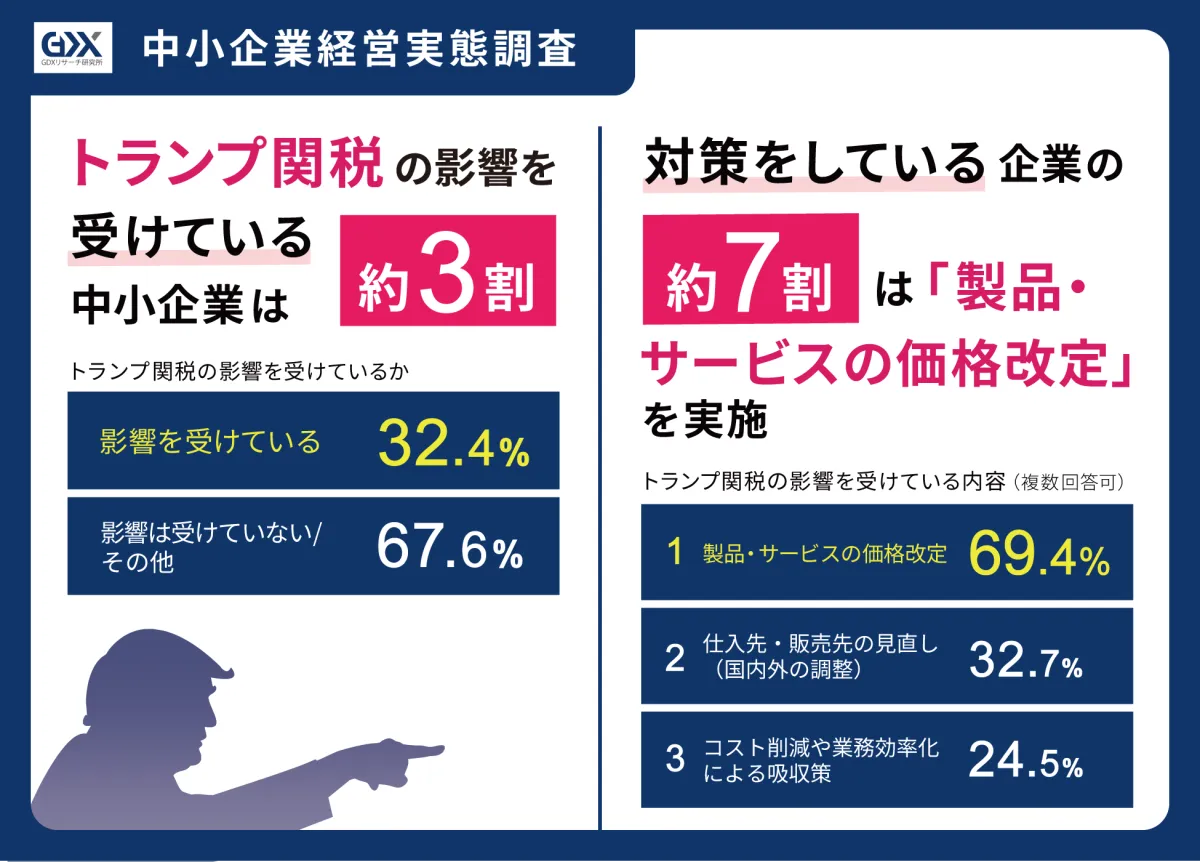
In a recent analysis by Foval GDX Research Institute, it was revealed that approximately 30% of small to medium-sized enterprises (SMEs) in Japan are experiencing the repercussions of the Trump tariffs initiated during the second Trump administration, which began in January 2025. The ongoing tariff negotiations between the U.S. and Japan are stirring concerns in businesses heavily reliant on U.S. exports. The study was conducted from September 16, 2025, to October 17, 2025, gathering responses from 1,464 SME executives across the nation.
Current Situation
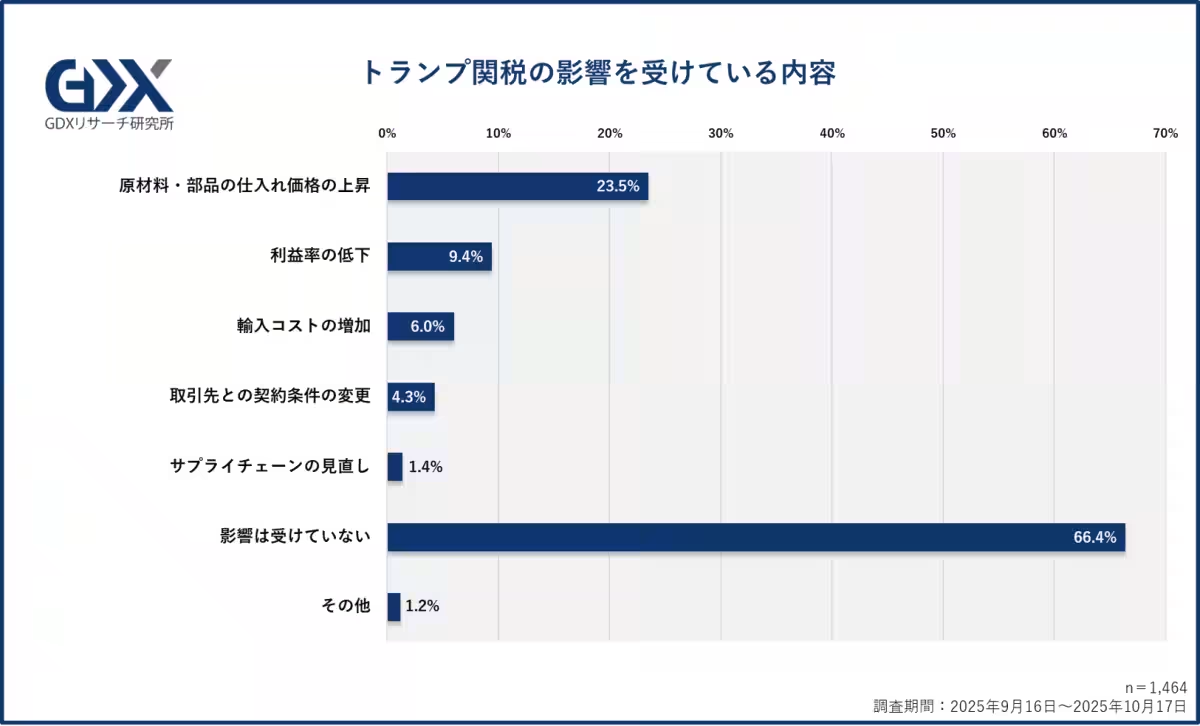
The second Trump administration has escalated diplomatic negotiations involving tariffs, focusing on key products like steel, aluminum, automotive parts, and semiconductors. This has led to a growing anxiety among Japanese exporters about rising costs and potential business impacts. The general sentiment among the majority (66.4%) of SMEs is that they have not yet felt significant adverse effects from the tariffs, although 23.5% acknowledged an increase in the cost of raw materials and components as a direct consequence of the tariff policies.
SMEs and Their Response
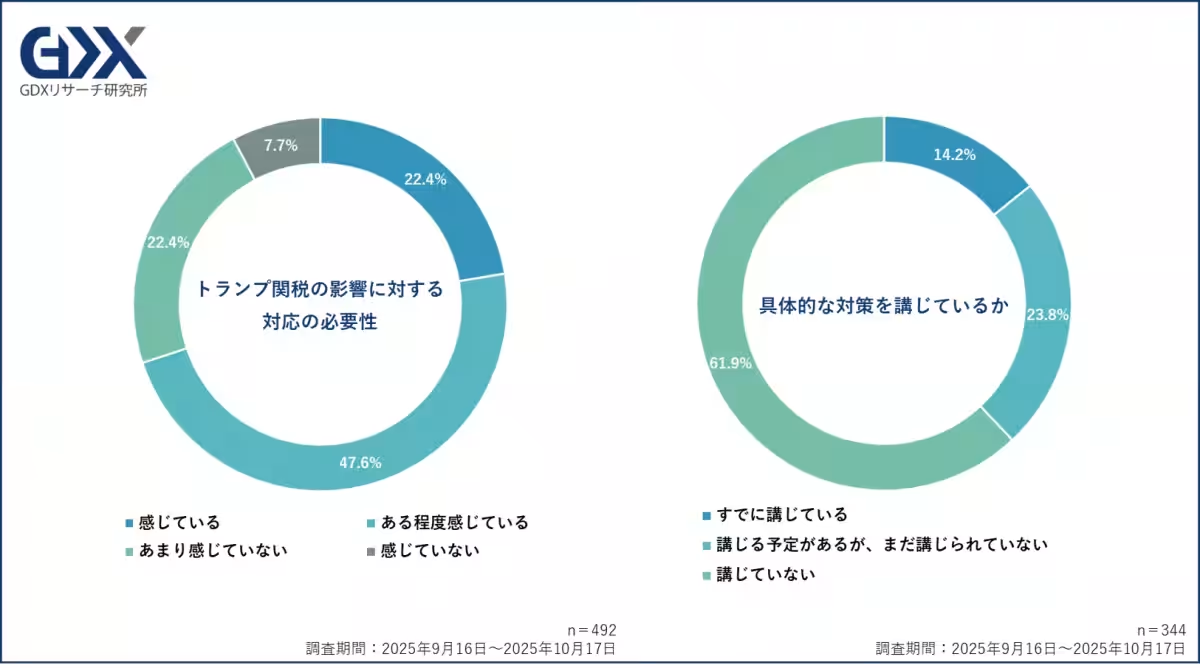
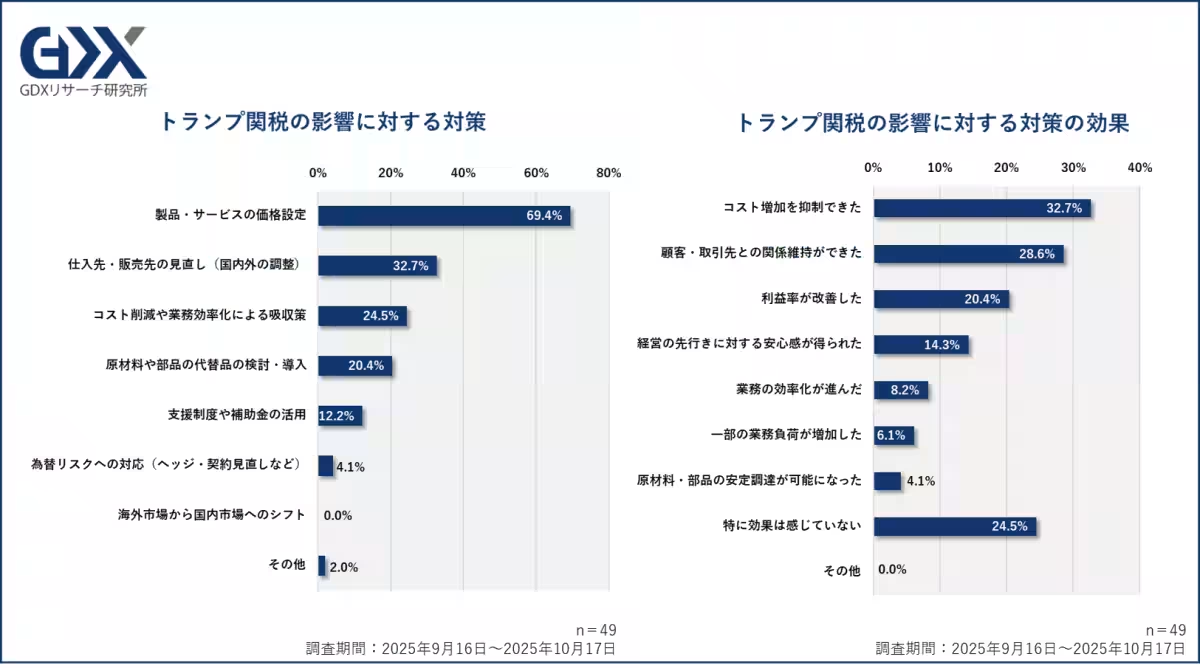
Despite the limited immediate impact, around 70% of affected businesses recognize the need to adapt to these changes. However, only about 10% have implemented concrete measures in response. Among the SMEs feeling the effects, most have reacted by reconsidering their pricing strategies, with roughly 70% opting for price adjustments in response to the increased costs. While this may help mitigate cost-induced losses for businesses, it could inadvertently lead to a rise in consumer prices, raising concerns about broader economic ramifications.
In summary, while some SMEs feel the pressure from rising costs, a significant number are hesitant to make drastic changes due to the unpredictable nature of the Trump administration's policies. The uncertainty surrounding future tariff negotiations adds to the complexity of decision-making for these businesses.
Survey Findings
- - Impact of Tariffs: Out of respondents, 23.5% cited increases in raw material costs, specifically in construction, manufacturing, and wholesale sectors.
- - Need for Action: Among those impacted, approximately 70% acknowledge the necessity to strategize, but only 14.2% have taken actionable steps to address the resulting challenges.
Strategic Recommendations
As highlighted by Foval GDX Research’s president, Manabu Taira, SMEs need to be proactive in evaluating their business models and consider adjusting pricing structures while maintaining customer relations. Furthermore, the potential long-term nature of the current tariff negotiations suggests that business leaders should reassess their supply chains and explore alternatives, possibly engaging external the expertise to navigate these transformations effectively.
Conclusion
The report underscores the importance of preparedness in the face of evolving trading conditions. By leveraging both green and digital transformation strategies (referred to as GDX), SMEs can work towards sustaining their operations and growth amidst international economic fluctuations. Foval GDX Research Institute aims to support these companies in navigating their challenges and fortifying their business practices as they adapt to this changing landscape.
For more insights and detailed reports, visit the Foval GDX Research Institute.






Topics Business Technology)
【About Using Articles】
You can freely use the title and article content by linking to the page where the article is posted.
※ Images cannot be used.
【About Links】
Links are free to use.