



The Truth About Winter Air Conditioning: Debunking Myths and Understanding Efficiency
Understanding Winter Air Conditioning
As temperatures drop and winter sets in, choosing the right heating appliance becomes crucial for both comfort and cost. While there are various options like oil heaters, electric stoves, and the ever-popular air conditioners, many still hold misconceptions about the effectiveness of air conditioning during the colder months.
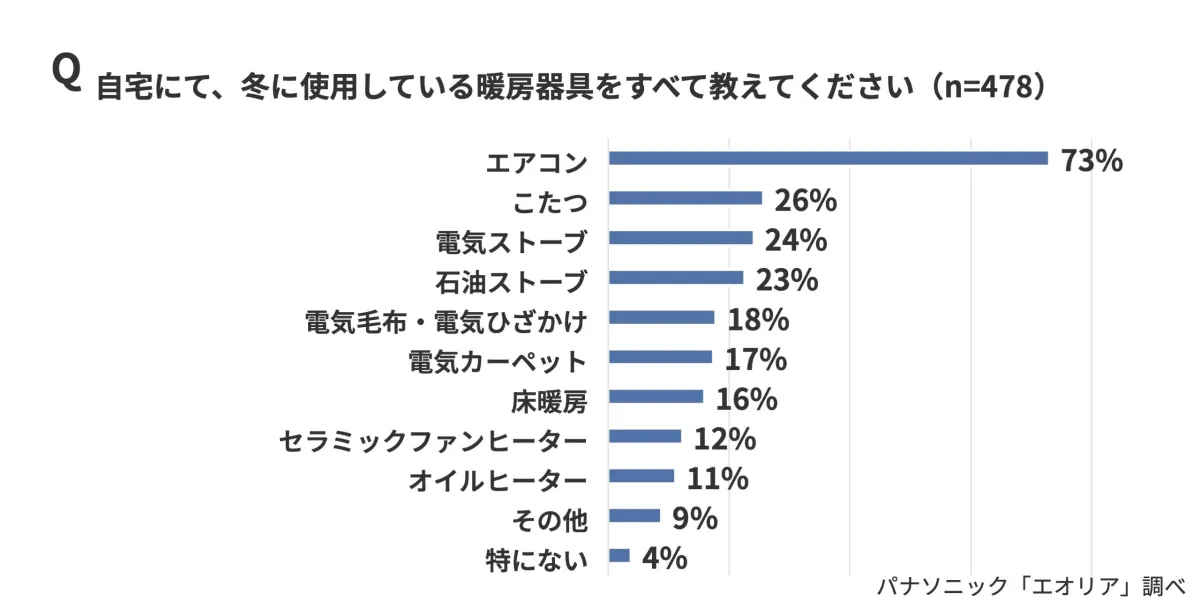
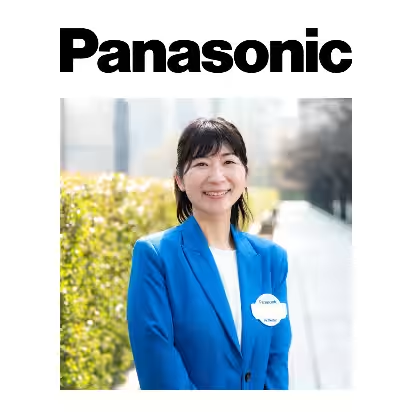
Recent surveys indicate that 73% of people use an air conditioner for heating, with 47% relying on it as their primary source. Despite this, many remain hesitant, believing that air conditioning is inefficient or costly. However, recent advancements in technology have significantly improved the efficiency and energy performance of these appliances. Panasonic's Air Expert, Fuko Fukuda, aims to debunk common myths surrounding air conditioning in winter.
Insights from the Survey
1. Types of Heating Appliances Used:
- The survey revealed that air conditioners are the most commonly used heating devices during winter, followed by kotatsu and electric stoves.
- Interestingly, many users (56%) reported combining multiple heating sources in the same space, primarily for faster warmth or comfort.
2. Criteria for Choosing Heating Devices:
- The most significant factors influencing choices include electricity costs (64%), speed of heating (43%), and safety (39%).
- Despite being the most used, air conditioning is still viewed by 25% of respondents as the most expensive in terms of running costs.
Common Misconceptions
Many misconceptions surround air conditioning's performance in winter; respondents often cited concerns like high electricity bills (60%), increased dryness (42%), and inadequate heating in certain areas (34%). However, many also recognized benefits, such as year-round usability (23%) and convenience of operation (22%).
Air Conditioning vs. Other Heating Methods
When comparing heating methods, air conditioning stands out due to its ability to provide uniform warmth throughout the room by circulating heated air. In contrast, infrared heaters and stoves typically offer localized warmth.
Four Advantages of Air Conditioning:
1. Even Heat Distribution: Air conditioning ensures that all corners of a room are evenly warmed, reducing cold spots.
2. Clean Air: Unlike combustion-based heaters, air conditioners maintain clean air quality, with no odors from fuels like oil or gas.
3. Low Maintenance: Users can adjust settings via remote control, without worrying about fuel refills or ventilation.
4. Versatile Usage: Air conditioners are beneficial year-round, functioning as heaters in winter, coolers in summer, and dehumidifiers in rainy seasons.
Addressing the Electricity Cost Myth
Contrary to popular belief, modern air conditioners are energy-efficient appliances that convert small amounts of electrical energy into multiple units of heat energy. This is largely thanks to innovations such as heat pump technology, which captures outdoor heat and transfers it indoors, and inverter technology, which optimally adjusts power usage based on temperature settings.
Panasonic's Advanced Heating Solutions
Panasonic has released several advanced air conditioning models to meet varying needs, especially in colder regions. For example, their new air conditioning systems feature exclusive technologies that maintain heating during defrost cycles, ensuring continuous comfort.
Panasonic's Full-Dan Eolia series excels in heating capacity, making it suitable for extreme cold. These models are designed to provide effective heating even when outdoor temperatures drop significantly.
Conclusion
As winter approaches, understanding the true performance of air conditioners becomes essential for staying comfortable without breaking the bank. With the right information and modern technologies, homeowners can enjoy a warm and efficient winter.
For further insights, refer to the survey conducted by Panasonic on home heating appliances, which highlights current trends and preferences among consumers.


Topics Consumer Products & Retail)
【About Using Articles】
You can freely use the title and article content by linking to the page where the article is posted.
※ Images cannot be used.
【About Links】
Links are free to use.