



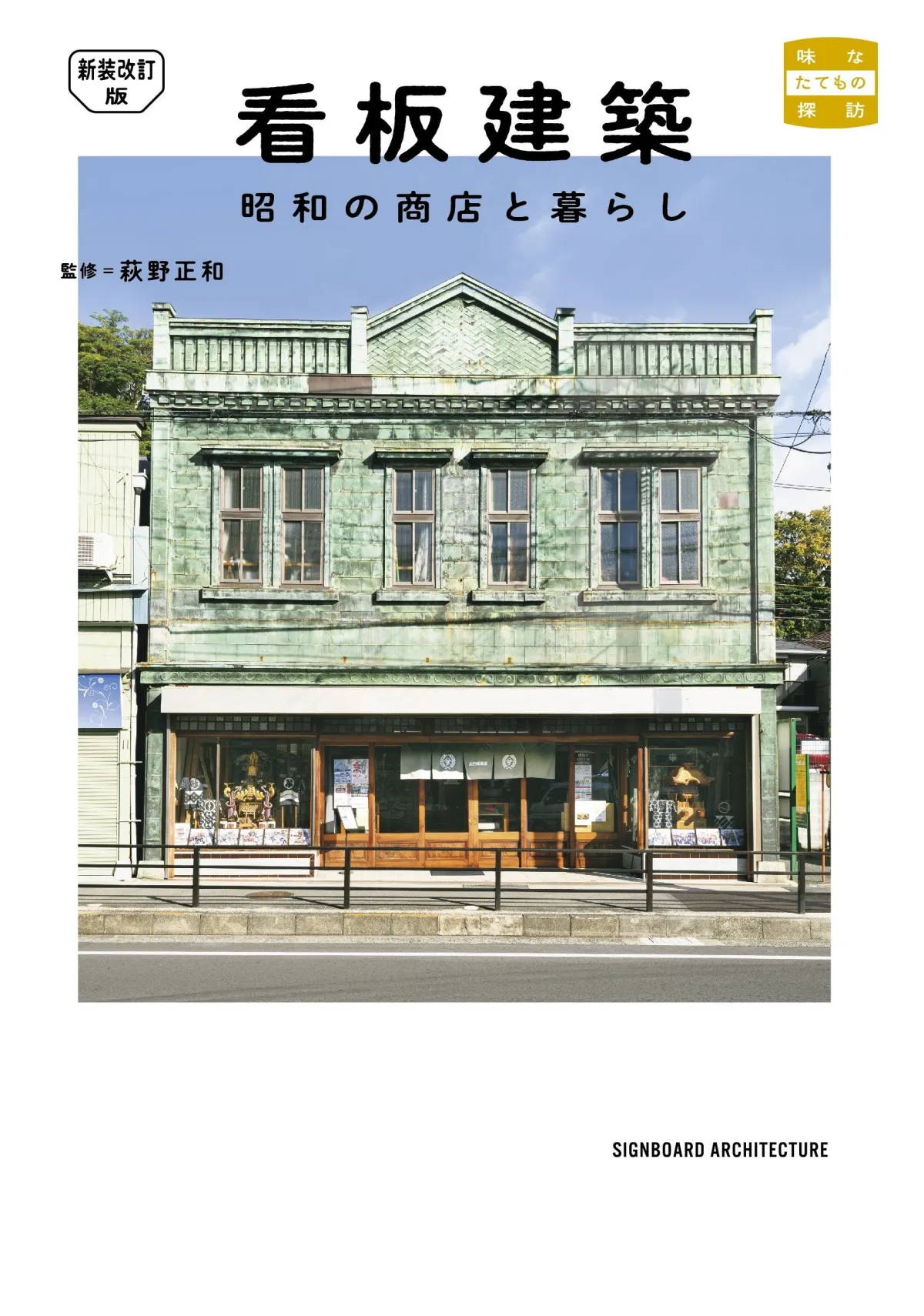
Exploring the Visual Narrative of Showa Era Shop Architecture
New Edition Release: Exploring Showa Era Architecture
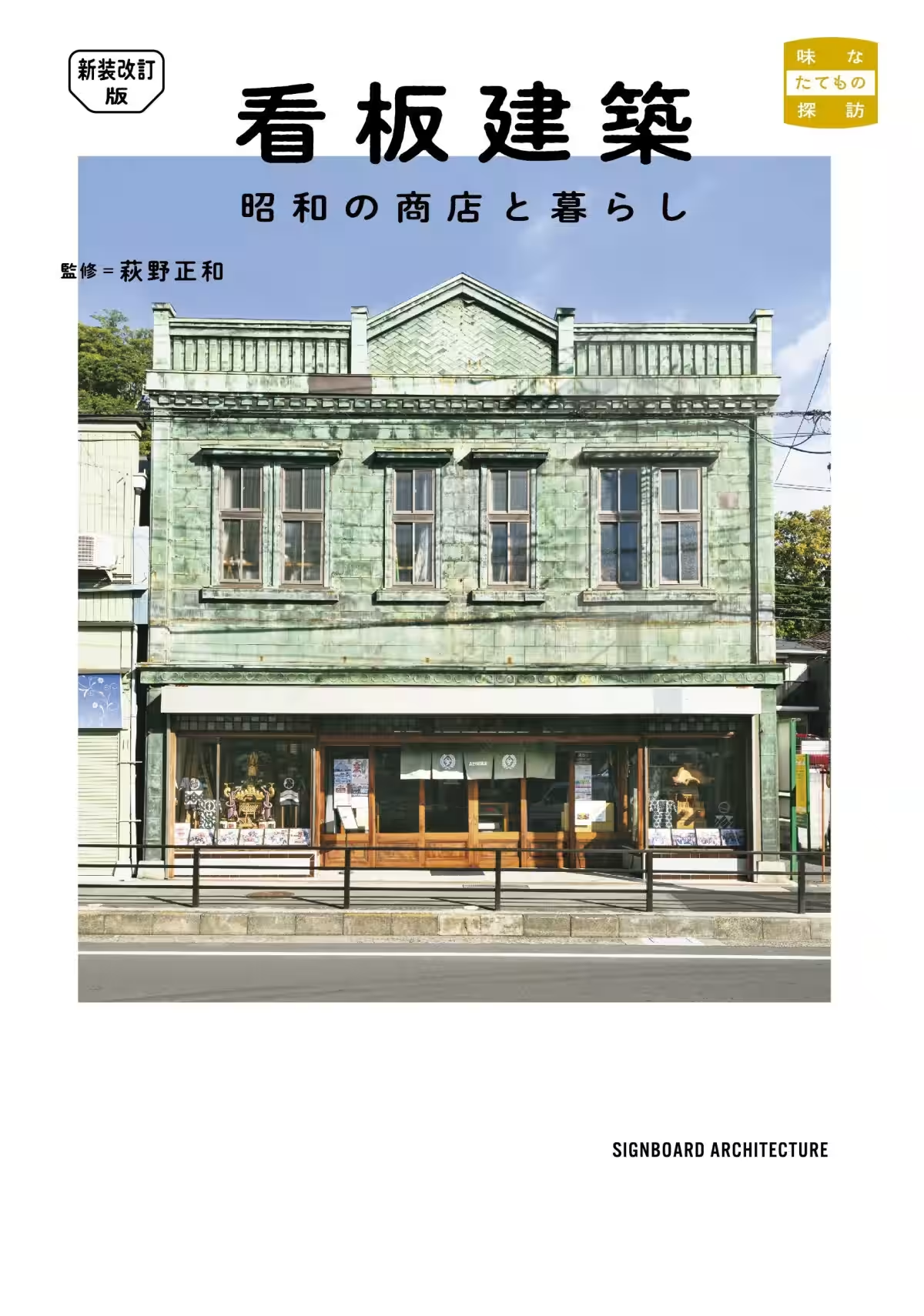
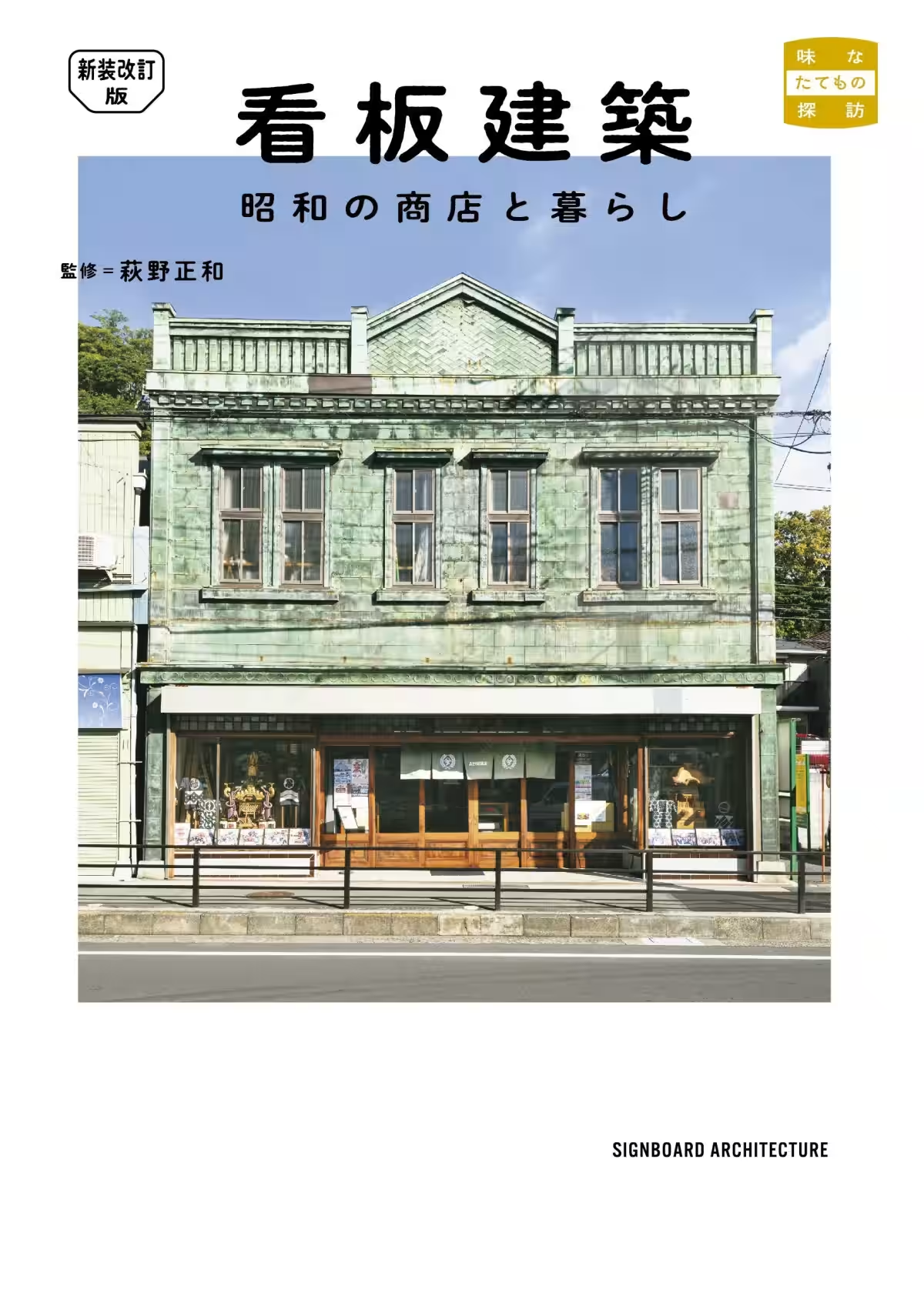
On December 26, 2025, Tovarins Inc., based in Chiyoda, Tokyo, will release the latest edition of the visual exploration series, 'Signboard Architecture: Shops and Life in Showa'. This newly revised edition updates the insights and stories captured in the original book published in 2019, which has seen numerous reprints due to its popularity. With the addition of fresh research, including profiles of the iconic Midoriya shop in Yokosuka and the well-known cluster of signboard buildings in the city of Ishioka, the book promises to provide a wealth of updated information regarding these distinctive architectural forms. It even revisits the Palisade Diner in Chichibu, which became a highlight of a recent crowdfunding campaign.
Understanding Signboard Architecture
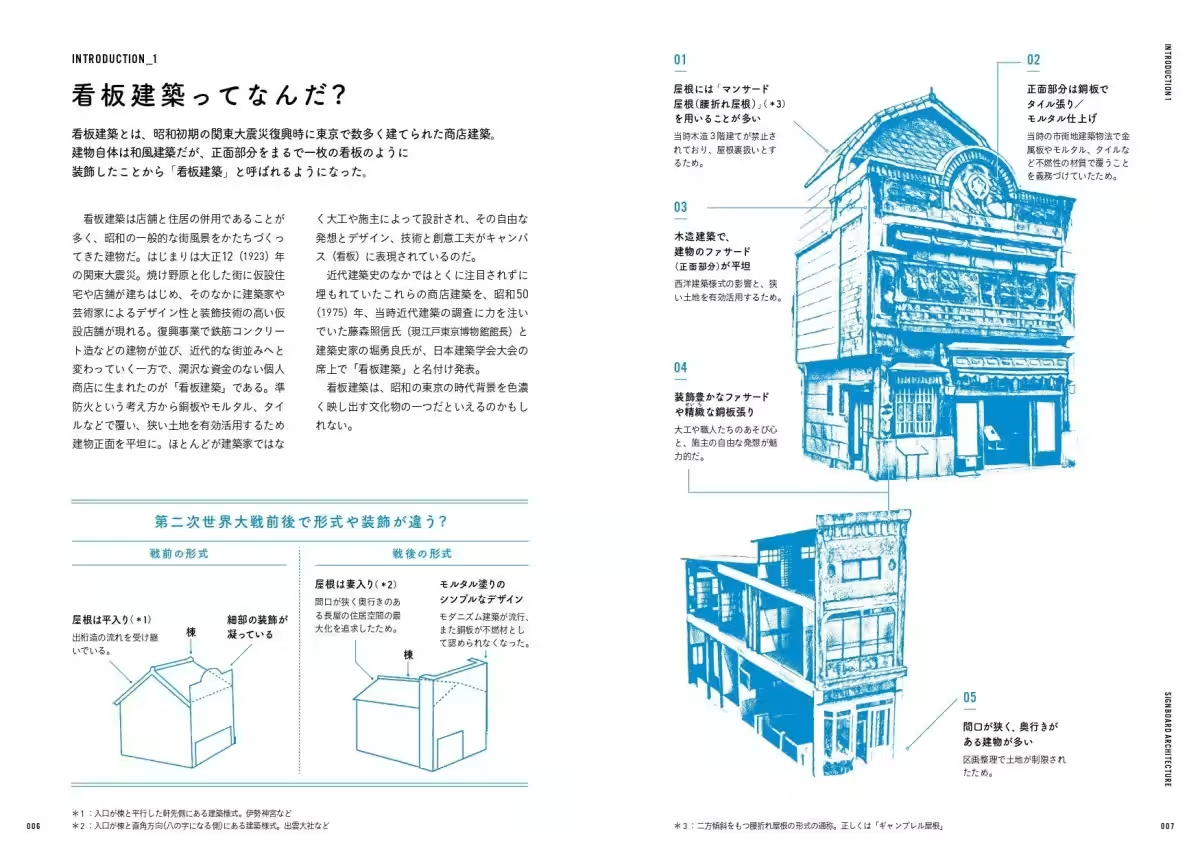
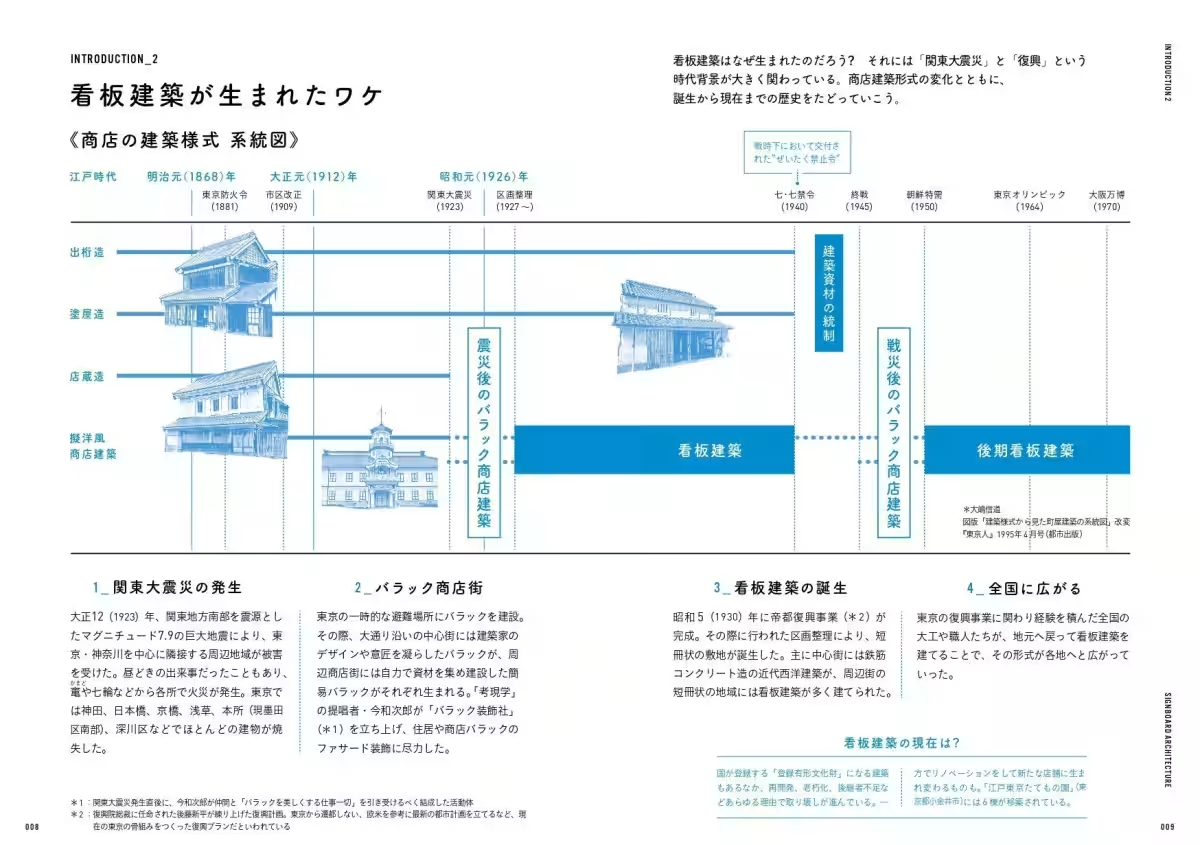
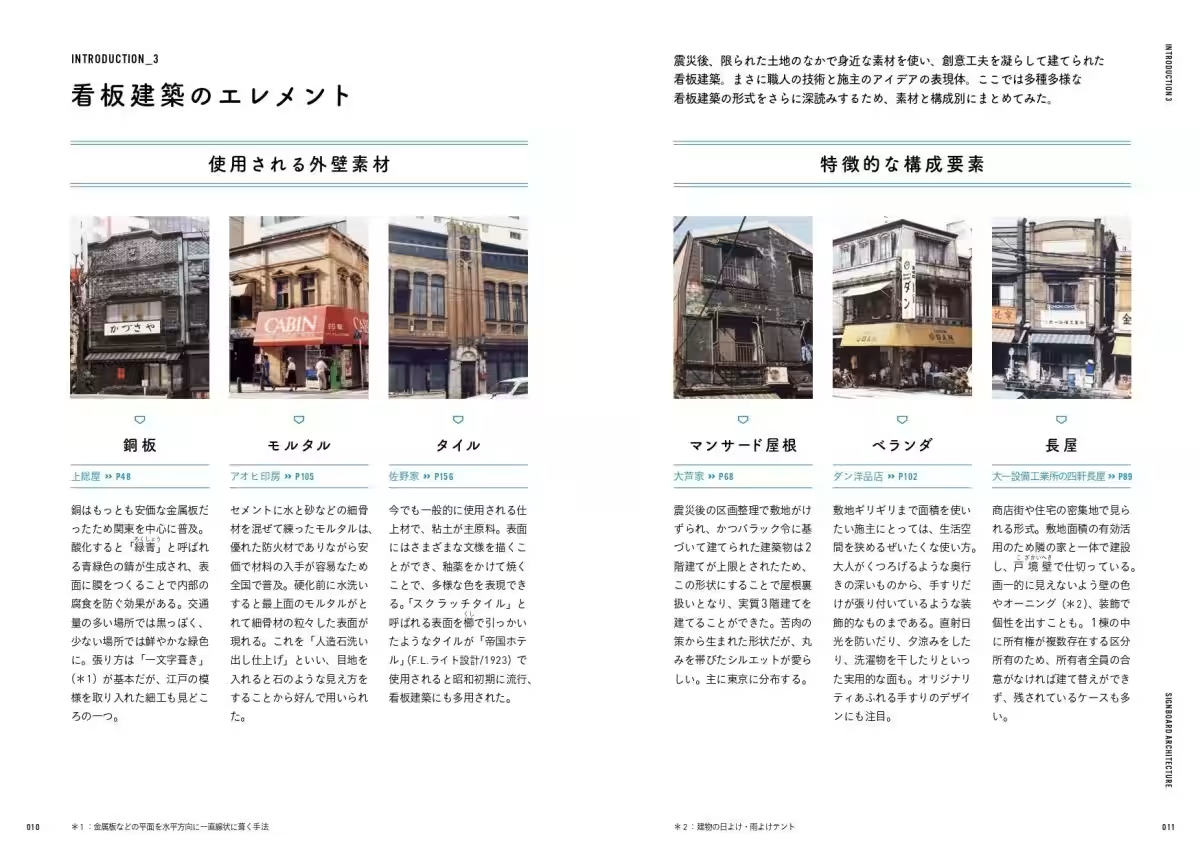
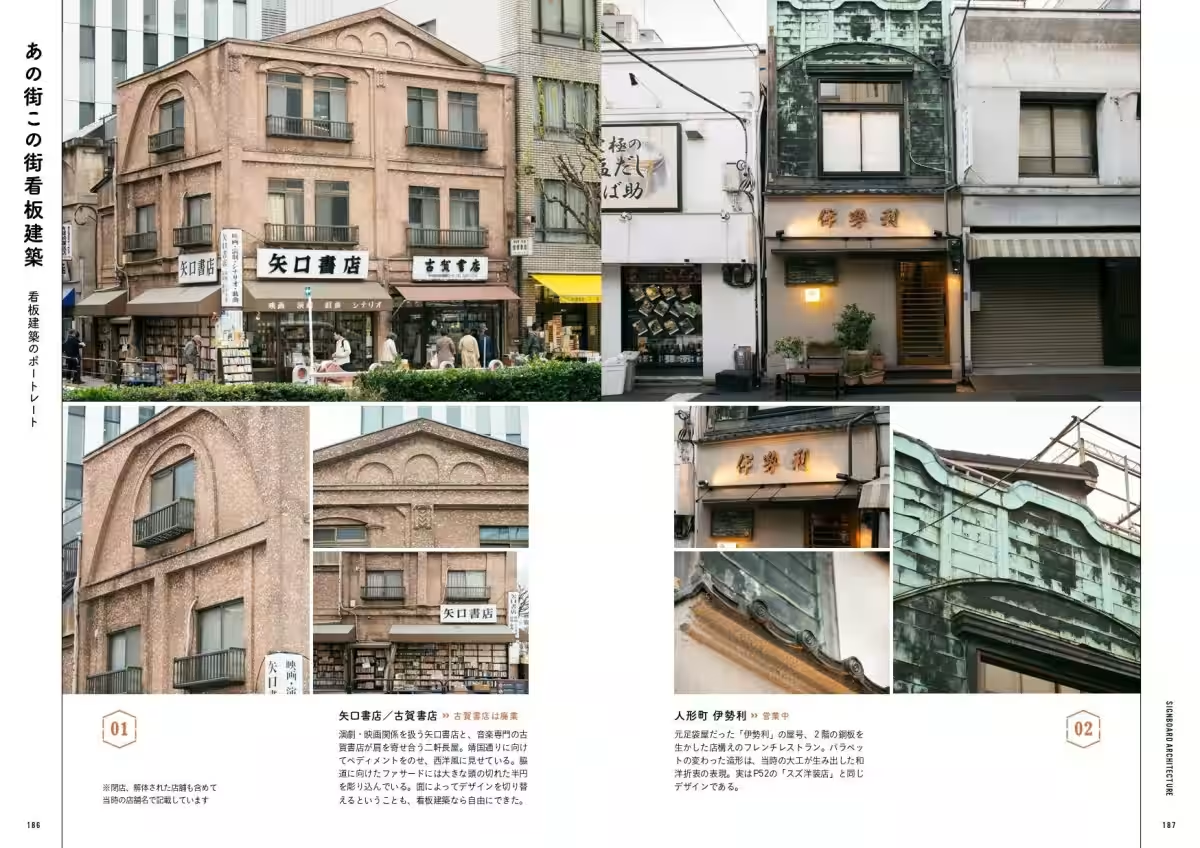
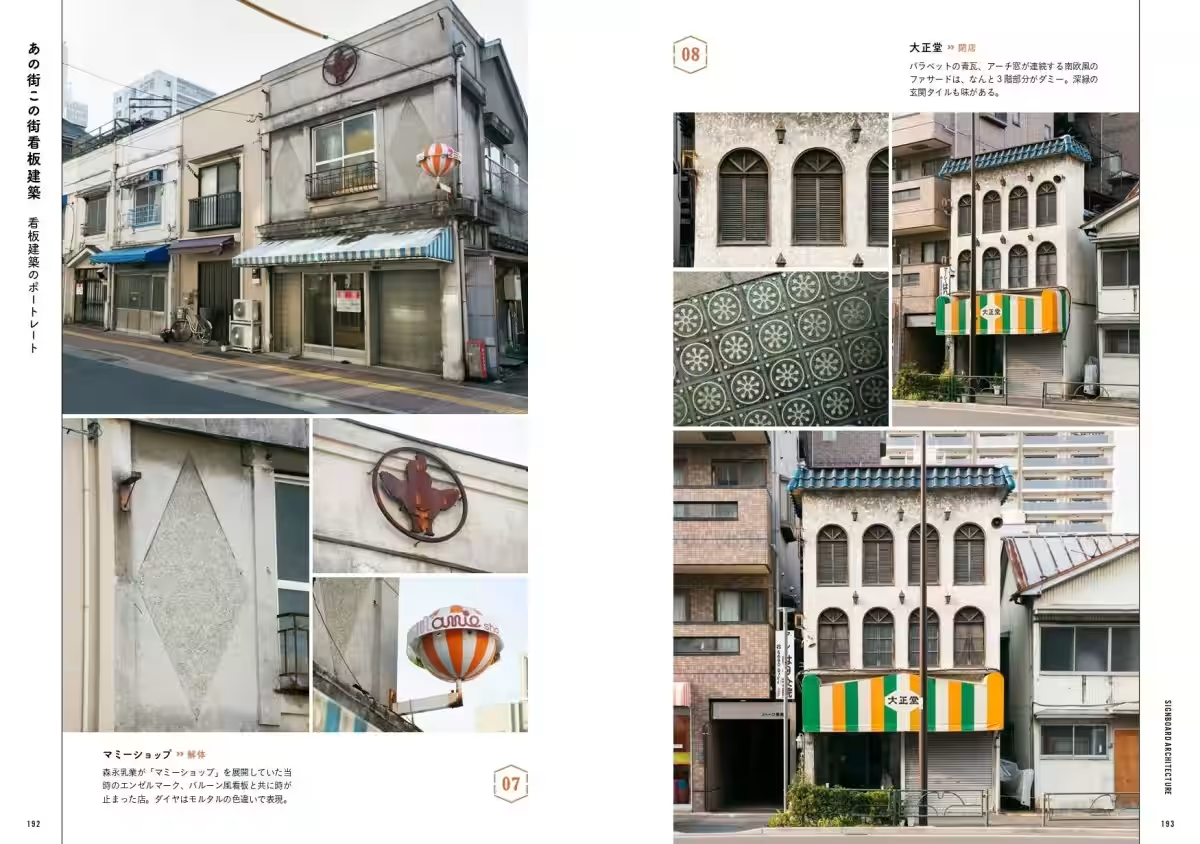
Signboard architecture, a term coined by architect Terunobu Fujimori, describes a unique blend of residential and commercial buildings. Emerging primarily during the reconstruction period post-Great Kanto Earthquake, most of these wooden buildings are 2 to 3 stories tall, featuring fronts covered with fire-resistant materials like copper plates, mortar, and tiles, elaborately decorated.
Fujimori has graciously endorsed this book, highlighting the essence of what signboard architecture represents.
In the early Showa period, the lower town of Tokyo was filled with shops featuring unique architectural designs—stationery stores, florists, barbershops, wagashi shops, hat stores, bookstores, delis, and milk halls. The individual shops that have largely disappeared now played a pivotal role in sustaining the vibrancy of the community. The world captured in this volume is a vital reminder of the city’s past that should not be overlooked by those living in the 21st century.
— Terunobu Fujimori (Architectural Historian and Architect)
Featured Content
Throughout the Kanto region, the book showcases interviews with business owners operating in signboard architecture. These buildings exemplify a harmonious expression between the tradespeople’s livelihoods and their living environments. Readers will uncover the rich narratives of the lifestyles associated with 11 different signboard family-run businesses, exploring the era's daily lives and sentiments through their personal stories.
Featured Interviews:
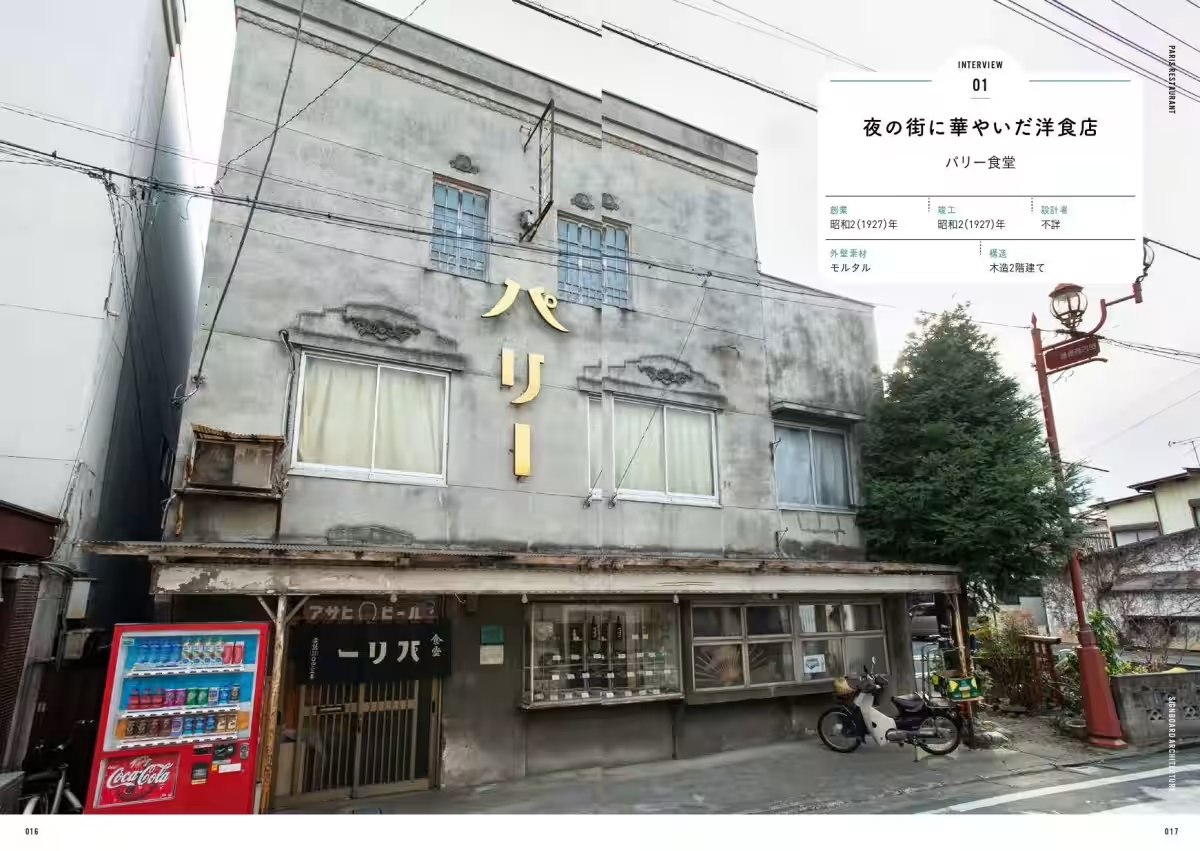
1. Palisade Diner (Chichibu): An elegant Western-style restaurant that brightens the night scene.
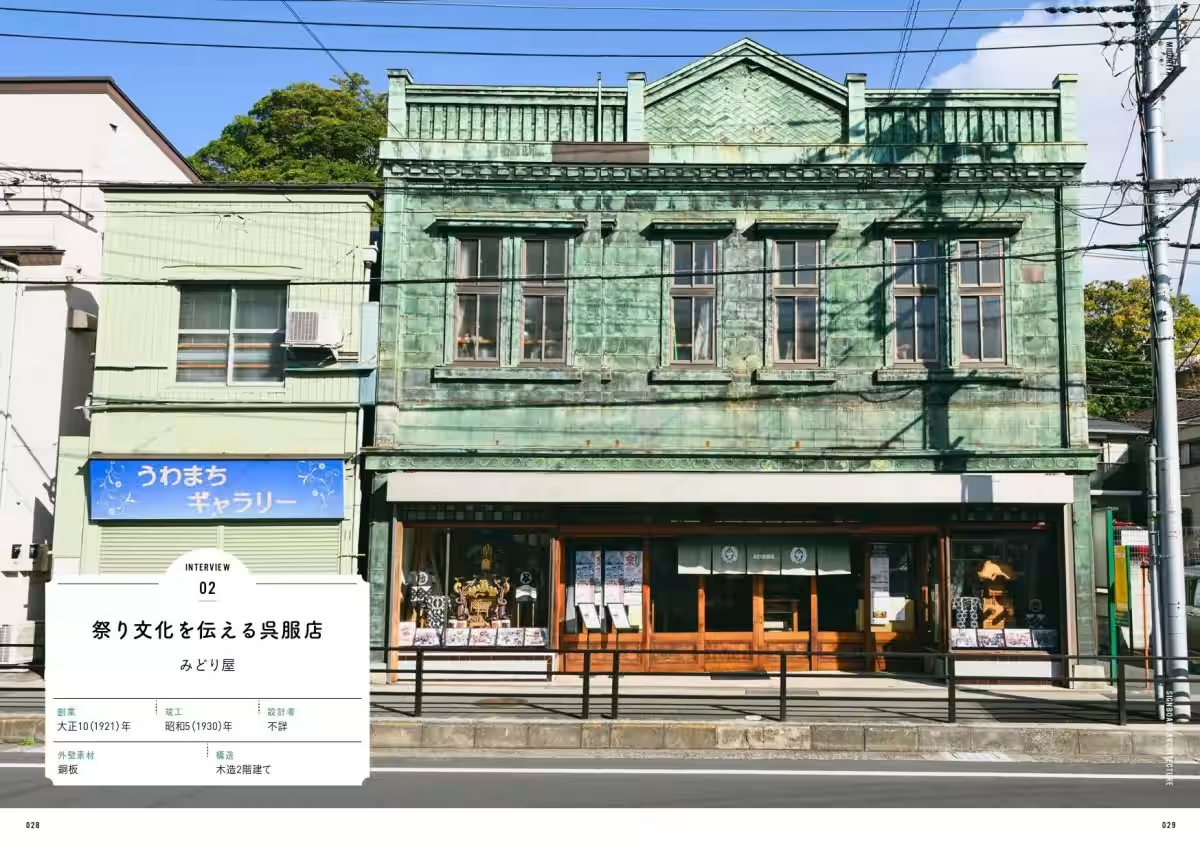
2. Midoriya (Yokosuka): A traditional garment store preserving festival culture.
3. Edo-ya (Nihonbashi): A brush shop that supports cutting-edge techniques.
4. Ichifuni (Tsukiji): A dish shop spreading its offerings globally.
5. Mansei Fruit Parlor: A historic café cherished by University of Tokyo students (currently closed).
6. Okayama Button Store (Kanda): A shop supplying sewing materials for tailors.
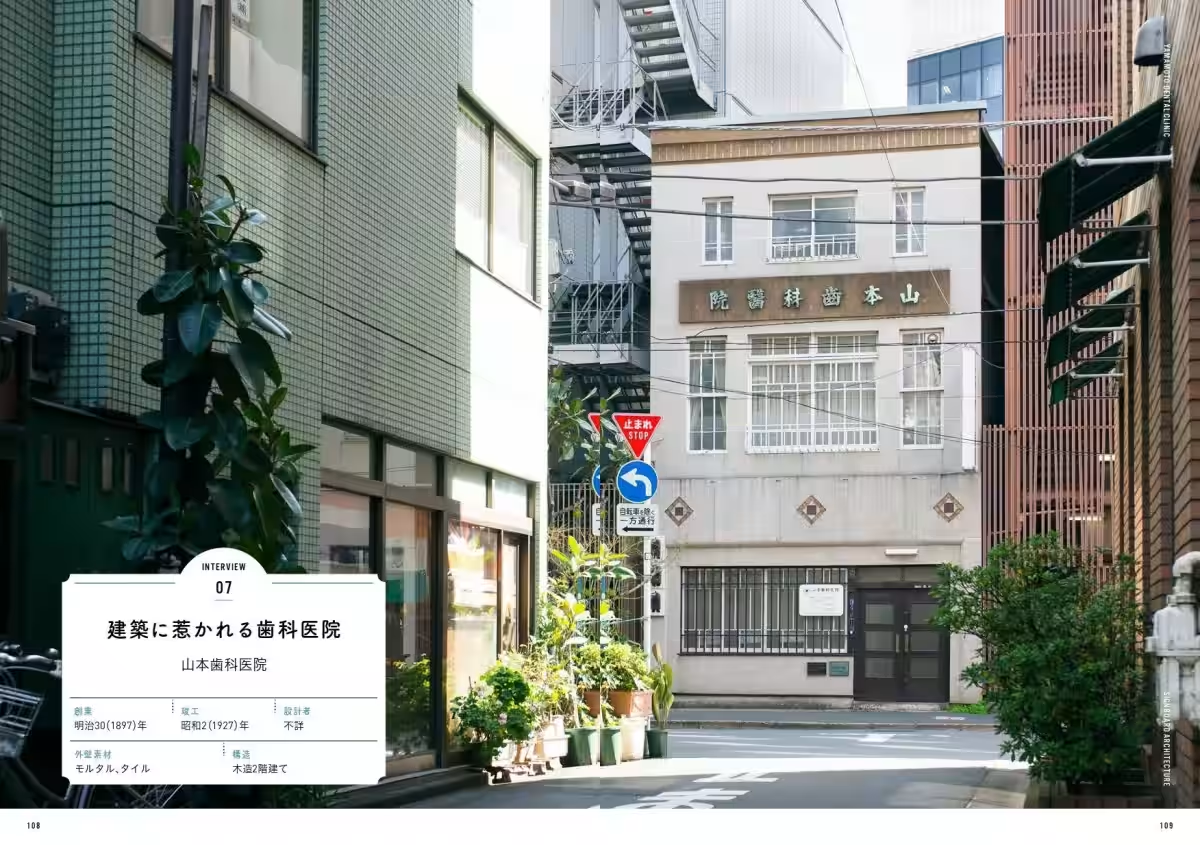
7. Yamamoto Dental Clinic (Kanda): A dental office with a passion for architecture.
8. Fujitaken Barber Shop (Nishitama): A barber that makes you want to pay a visit.
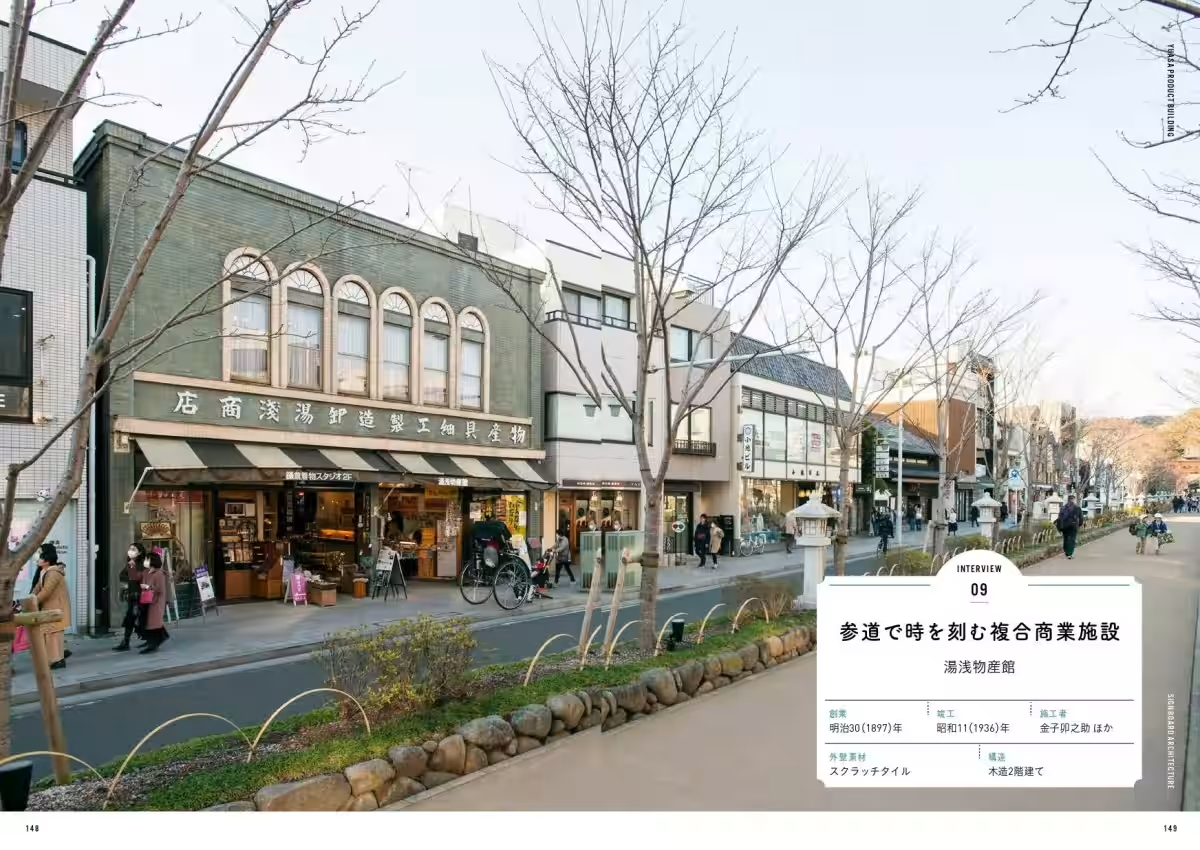
9. Yuasa Bussan-kan (Kamakura): A complex commercial facility marking time near the temple path.
10. Hoshino Photography Studio (Kamakura): A studio bathed in light by the sea.
11. Takarayu (Chichibu): A local sento (public bath) that relaxes the mind and body.
Nostalgia Through Architecture: An Archive
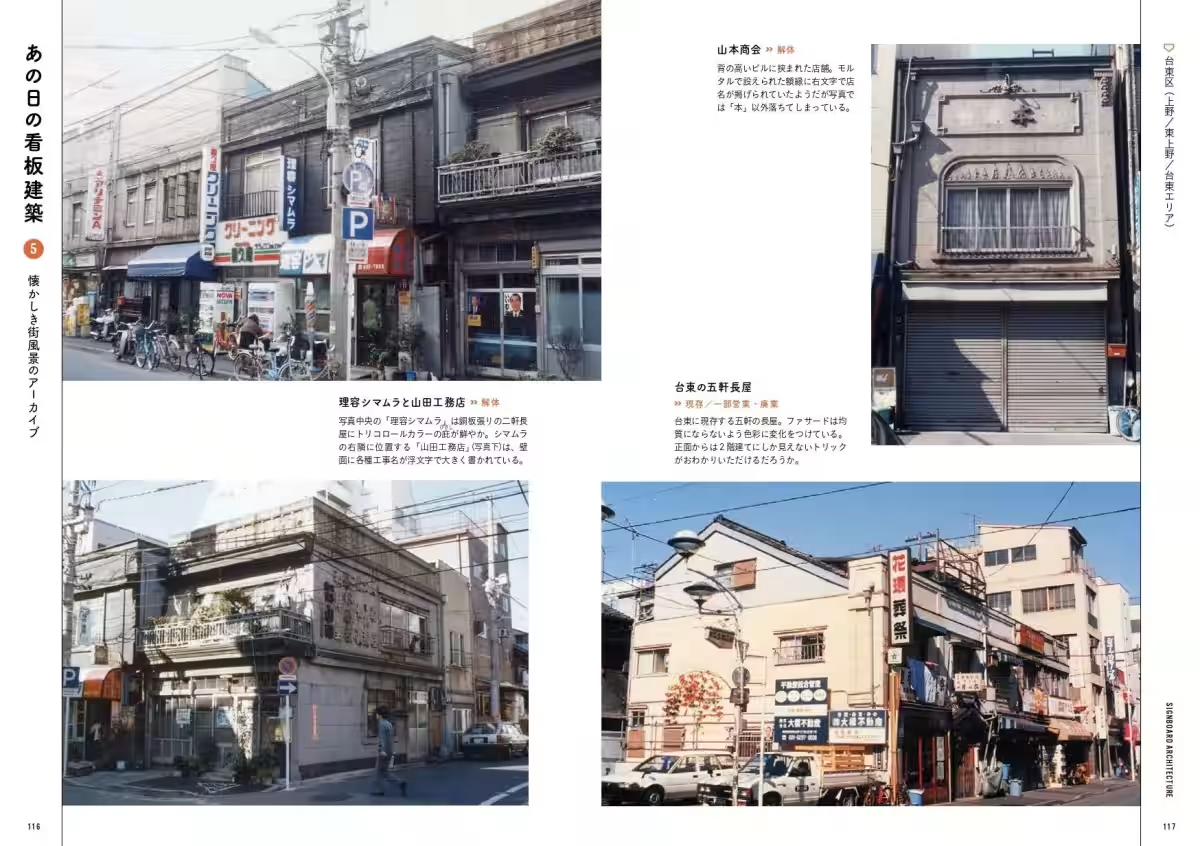
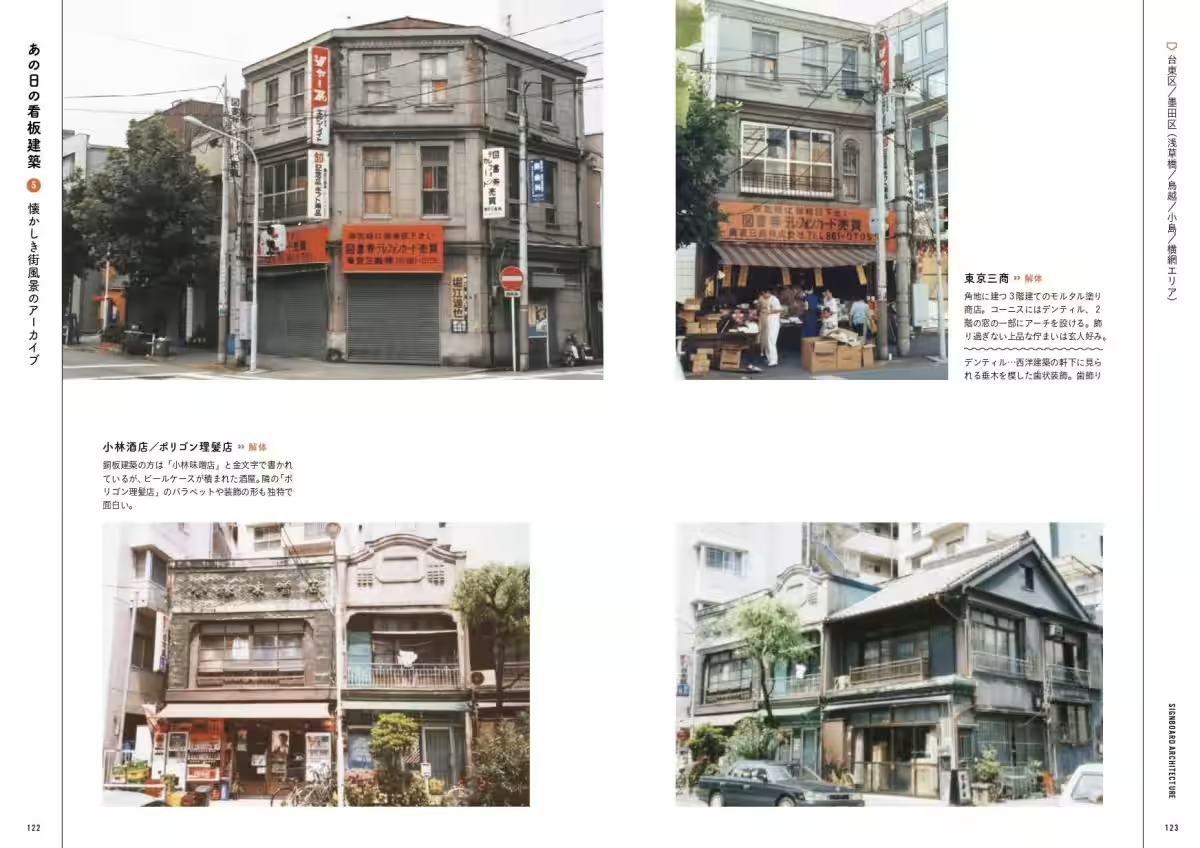
The book also features a nostalgic archive of signboard architecture from both existing and lost structures, complemented by photographs that capture the essence of Showa-era life. A comprehensive list of currently operational sites is also included.
Photo Archive:
- - Chuo Ward (Nihonbashi Area)
- - Chuo Ward's Ginza/Tsukiji/Shin-Tomi Town/Irifune/Hachioji area
- - Bunkyo Ward (Nezu/Hongo/Koisikawa area)
- - Chiyoda Ward (Kanda area)
- - Taito Ward (Ueno/Taito area)
- - Festivals and Signboard Architecture in Tokyo
- - Other notable areas (Minato Ward/Kamakura/Odawara)
Delving Deeper: Columns
Through its columns, the book reveals the intricate history and decorative styles associated with signboard architecture, a form that once thrived among ordinary urban landscapes yet is dwindling into obscurity today. Discover more about the remnants of this cultural heritage— be it unique architectural parts, antique glass, or renovation stories that keep these memories alive.
Columns Include:
1. Delicious Signboard Architecture: The flavors passed down through generations.
2. I Am Signboard Architecture: A collection of business names.
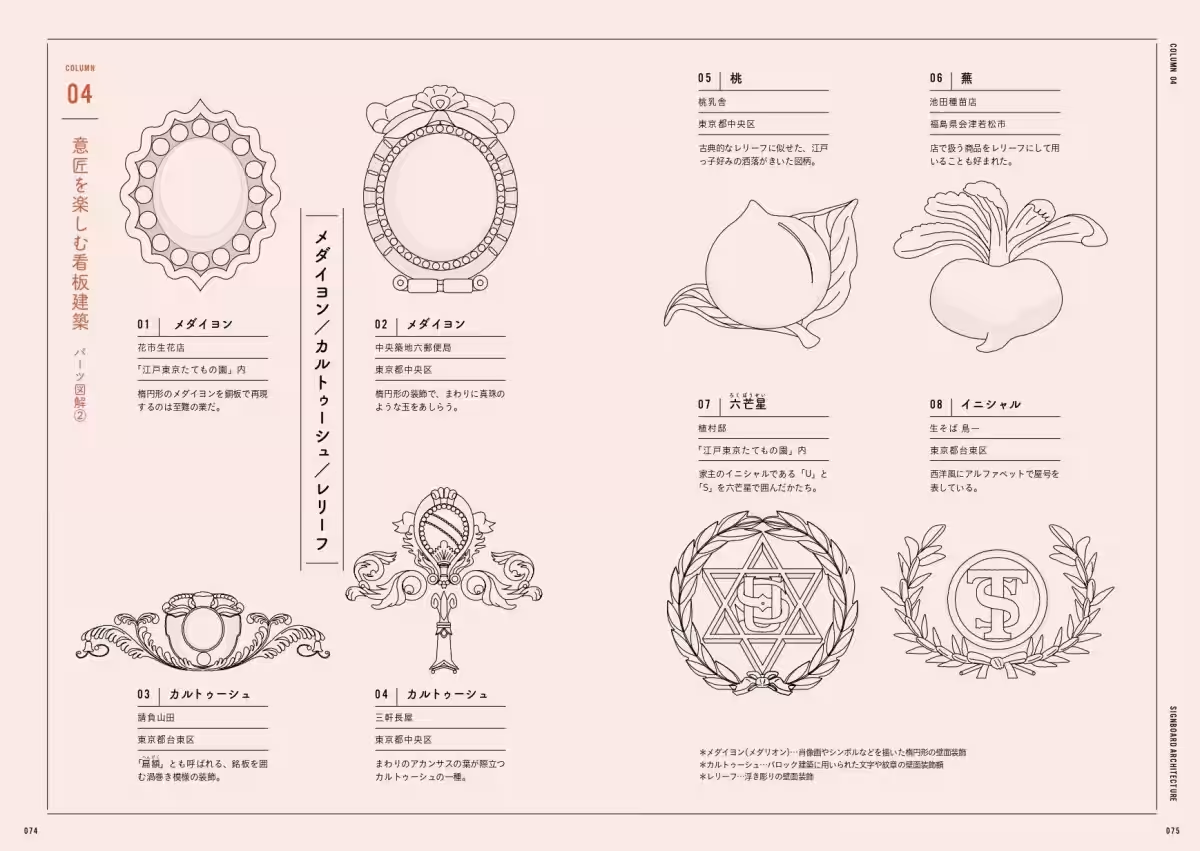
3. Enjoying Design: Visual breakdown of signboard architectural parts.
4. Celebrating Craftsmanship: Visual breakdown of artisanal parts.
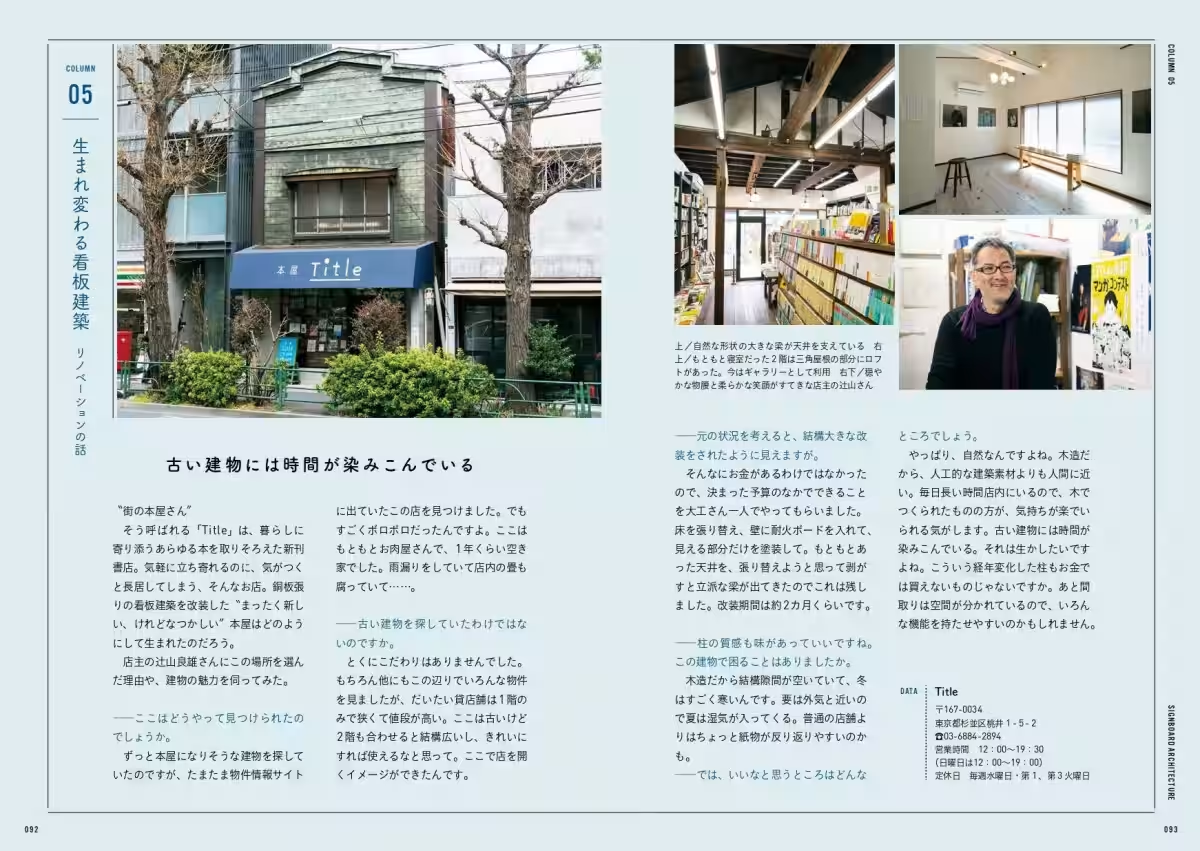
5. Reviving Signboard Architecture: Stories of renovations.
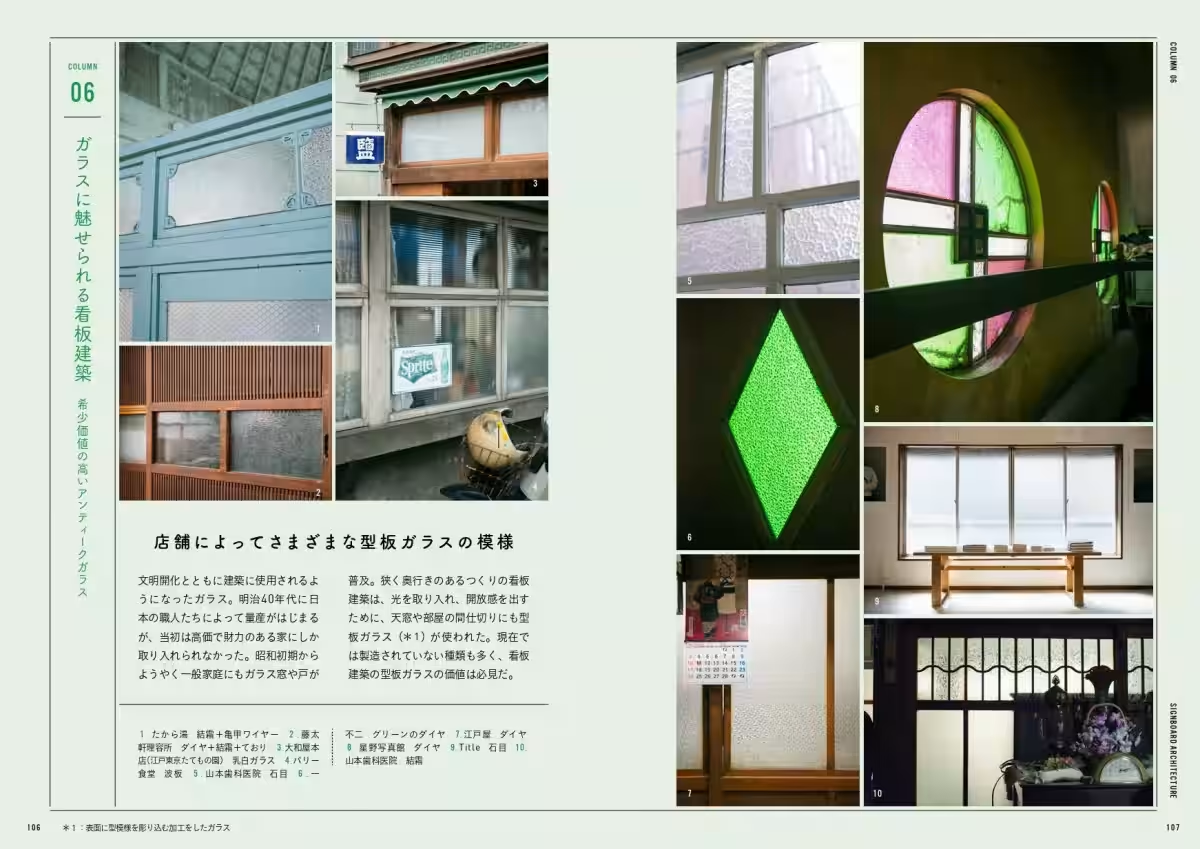
6. Enigmatic Glass: The rare antique glass that graces these structures.
7. Visit Signboard Architecture: Highlights from Edogawa Tokyo Architectural Park.
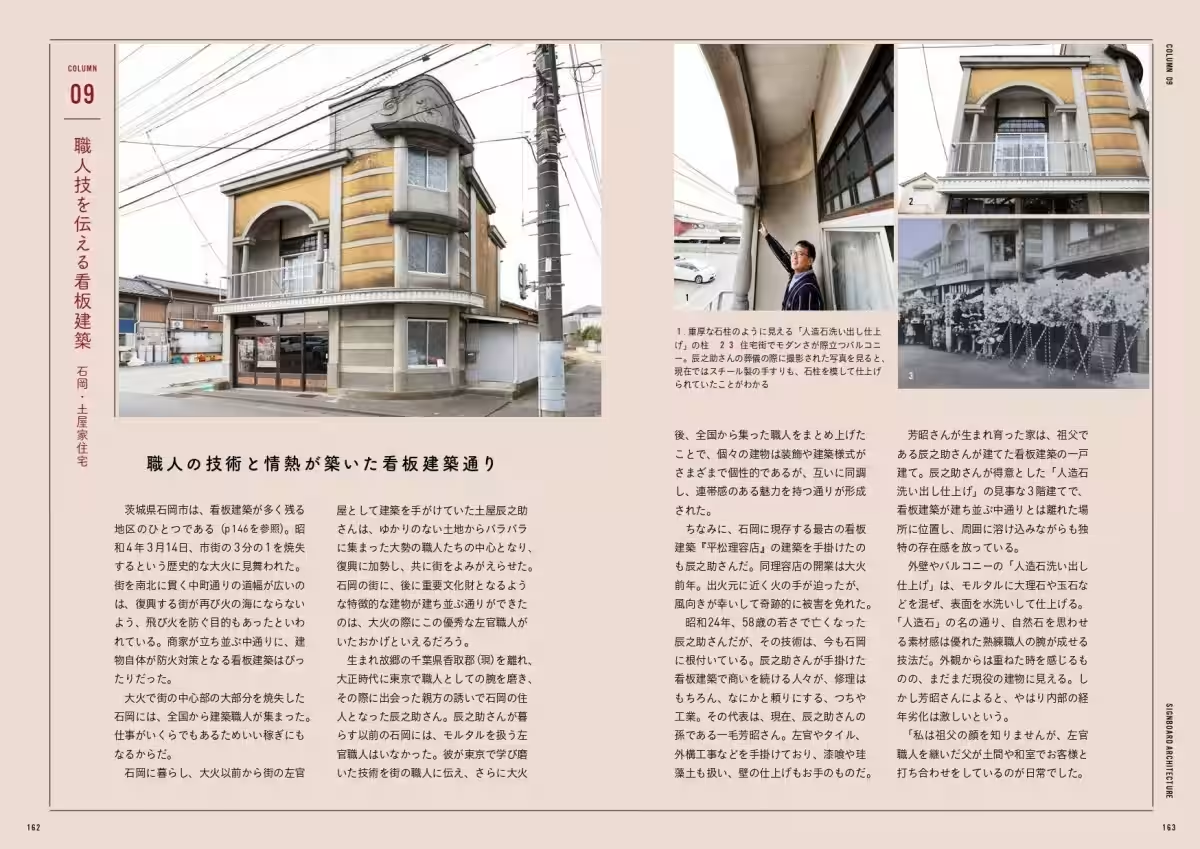
8. Signboard Architecture in the Kanto Area: Insights from Ishioka and Suwa.
9. Conveying Craftsmanship: Insights from Ishioka and the Tsuchiya Family Residence.
10. Analyzing Signboard Architecture: Four masterpieces through elevation drawings.
Book Details
- - Title: 'Newly Revised Edition: Signboard Architecture – Shops and Life in Showa'
- - Editor: Masakazu Hagino
- - Price: 2,400 yen (excluding tax)
- - Format: A5, paperback, 208 pages, full color
- - ISBN: 978-4-86791-069-6
- - Release Date: December 26, 2025 (please note that release dates may vary by region)
- - Publisher: Tovarins Inc.
Topics Other)
【About Using Articles】
You can freely use the title and article content by linking to the page where the article is posted.
※ Images cannot be used.
【About Links】
Links are free to use.