


Enhancing Parental Engagement in Dental Hygiene Through Psychological Support in Naha City
Introduction
In a groundbreaking initiative, WizWe, Naha City, and NTT West Japan collaborated on a project aimed at developing better dental hygiene habits among families in Naha, Okinawa. This project, titled "Supporting the Habit of Dental Health - More Than Just Teeth Cleaning, Nurturing Trust and Future Health Between Parents and Children," has yielded significant results in promoting daily dental care routines among parents and their children.
Background
Okinawa has been noted for its high rate of pediatric dental caries, creating an urgent need for locally rooted preventive measures. In response to this challenge, the trio implemented a behavioral science-based support model to help establish consistent tooth-brushing habits among families.
Objectives
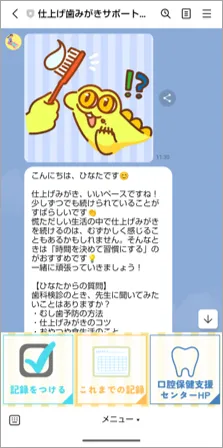
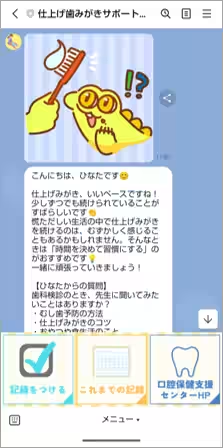
The project targeted preschool-aged children and their parents in Naha City, aiming to make dental hygiene a fun and engaging daily routine. Using the LINE platform, they offered the "Finish Tooth-Brushing Support NAHA" with supportive messages and two-way communication from dedicated supporters to facilitate parental assistance.
Results
1. Establishment of Tooth-Brushing Habit
- - Goal: Record a frequency of at least five sessions per week, with a target of over 60%.
- - Outcome: The average frequency exceeded expectations at 67.4%. Nearly 70% of participants successfully formed a habit, as evidenced by their KPI achievement rate of 66.7%. Notably, the proportion of families who had not previously adopted the habit saw a remarkable increase to 62.5% post-initiation.
2. Increases in Dental Visits and Health Awareness
Dental Visits by Children
- - Pre-initiative: 18%
- - Post-initiative: 45%
- - Interest in future dental visits: 73%
Parental Dental Visits
- - Pre-initiative participation: 54.5%
- - Interest in future dental visits: 73%
Changes in Health Awareness
- - Respondents who felt their health consciousness improved: 91.9%
The results indicate a 2.5-fold increase in children's dental visit rates, with changes indicating a wider awareness of health issues as well.
Key Factors for Success: Psychological Support Approach
The project effectively utilized psychological support strategies for parents, which highlighted three main factors:
1. Benefits of Continued Psychological Support: Providing knowledge alone was insufficient. Instead, assistance that empathized with parents' anxieties and recognized their progress was crucial for ongoing participation.
2. Effective Approach for the Unestablished Habit: Support helped those who were motivated but struggled to take action, fostering self-efficacy by reducing the feeling of failure which often hindered progress.
3. Insight into Developmental Challenges: The project illuminated difficulties faced at specific developmental ages (around 1 and 3 years), underscoring the necessity of emotional backing during these times.
Conclusions from the Initiative
- - The importance of psychological support tailored to the unique struggles faced by parents is critical for fostering consistent brushing habits.
- - The findings suggest a broader application, with implications beyond dental care to enhance other aspects of parenting support. Integrating technology and psychological assistance paves the way for innovative community initiatives.
Future Prospects
The promising outcomes indicate a potential for broader implementation within local municipalities. Recognizing the structural challenges, future efforts will focus on creating user-friendly operational designs and sustainable support systems derived from the Naha model. Expanding into other regions is also envisioned, utilizing the established habit-forming support framework to address societal issues in health behaviors.
Implementation Overview
- - Participants: 21 parents with preschool children from Naha City.
- - Duration: 3 months from October 25, 2025, to January 30, 2026.
- - Method: Providing habit-forming support via LINE for daily tooth brushing.
- - Key Features: Weekly supportive messages, interactive communication with dedicated supporters, encouragement for dental check-ups, and information dissemination on dental health.
Organizational Roles
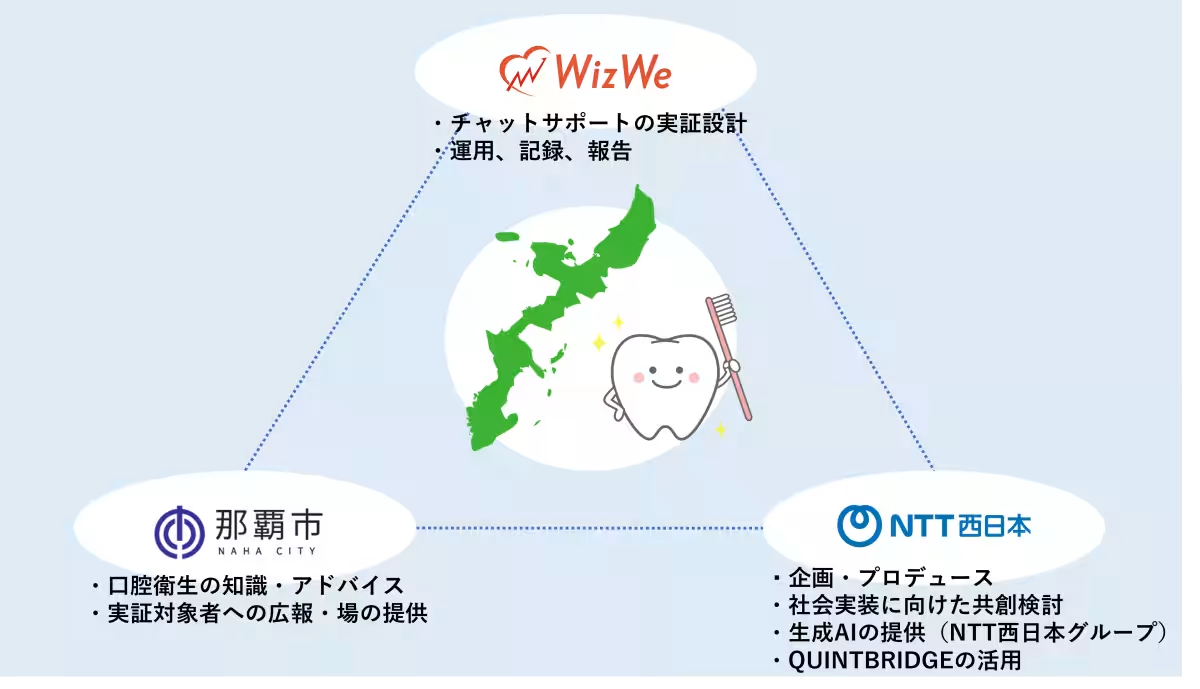
- - WizWe: Designed and operated the chat support system.
- - Naha City: Provided oral health advice and support for outreach.
- - NTT West Japan: Contributed to project planning and execution, including the use of generative AI.
This unique collaboration not only strives to improve dental habits but also aims to build trust and health awareness among families in the Naha community.
Topics Health)


【About Using Articles】
You can freely use the title and article content by linking to the page where the article is posted.
※ Images cannot be used.
【About Links】
Links are free to use.