



A Comprehensive Analysis of COVID-19 Situation and Medical Response in Okayama Prefecture
Overview of the COVID-19 Situation in Okayama Prefecture
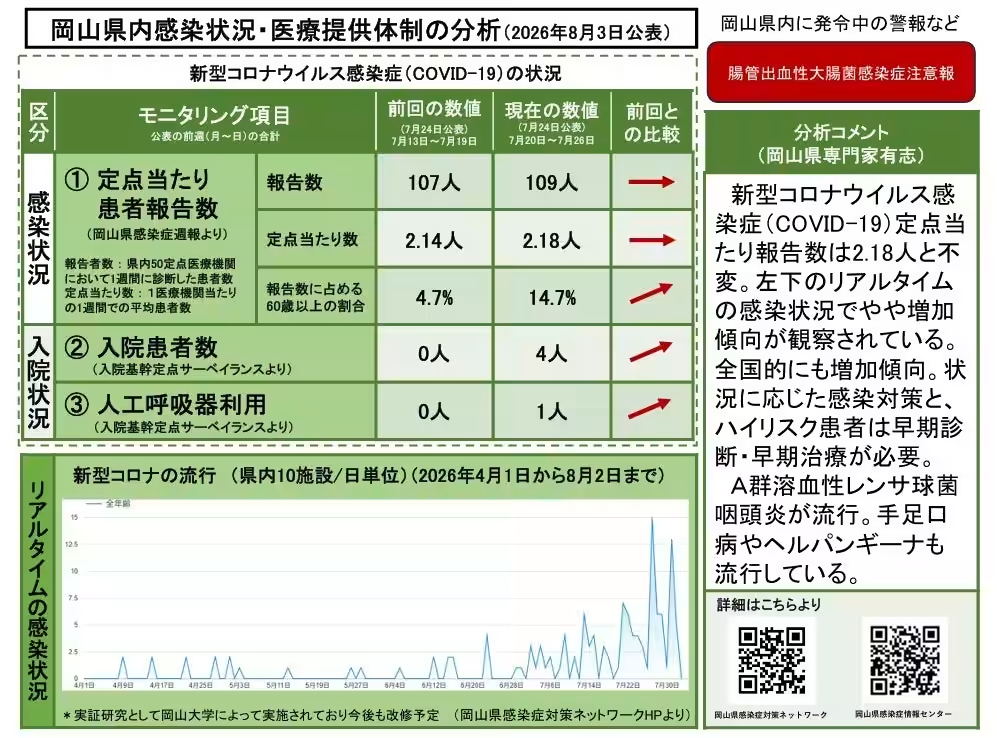
As of August 3, 2026, the Okayama University has presented a detailed analysis of the COVID-19 infection rates and the medical care systems within Okayama Prefecture. This analysis compiles patient report data published on the Okayama Prefecture’s official website and includes commentary from a group of medical experts from the area. Updates to this information are planned on a weekly basis to provide the public with timely insights regarding the evolving situation.
The recent data shows that the reported cases of COVID-19 per medical facility remain steady at approximately 2.18 individuals per facility. However, a gradual upward trend in the number of infections has been noted, mirroring a similar pattern across the nation. With these developments, it's crucial to maintain appropriate infection control measures and ensure early diagnosis and treatment for high-risk patients.
Additionally, other illnesses such as Group A Streptococcus pharyngitis, hand-foot-mouth disease, and herpangina are also currently circulating within the prefecture, highlighting the ongoing challenges faced by the healthcare system.
Expert Insights
The analysis received meaningful contributions from various experts in infectious diseases. Some of the notable members include:
- - Yasunori Ichimura (National Institute of Health Emergency Management)
- - Hideaki Hagiya (Okayama University Hospital, Department of Infectious Diseases)
- - Koji Fujita (Tsuyama Central Hospital, General Internal Medicine and Infectious Diseases)
- - Haruichi Yamada (Okayama City Hospital, Department of Infectious Diseases)
- - Daisuke Yoshioka (Kawasaki Medical University, Clinical Infectious Diseases)
- - Takashi Yaitou (Okayama University Graduate School of Medicine, Dentistry and Pharmaceutical Sciences)
This collaboration ensures that the analysis reflects a broad spectrum of expertise, and highlights the importance of continuous communication among healthcare providers.
Current COVID-19 Situation
Since WHO's declaration of the end of the pandemic phase of COVID-19, Japan has seen a return to normalcy in daily life. However, the situation in Okayama Prefecture necessitates ongoing monitoring and the sharing of information about infection rates and healthcare capacities. It remains essential for residents to utilize this data as guidance for their personal infection prevention strategies in daily life.
Ongoing Information Sharing
The Okayama University plans to continue providing information to assist the public and healthcare professionals in navigating these changing circumstances. This approach aims to foster a better understanding of the pandemic's effects on local communities, thereby supporting effective responses to emerging health challenges.
The analyses refer to this week's metrics and insights for developing further infection control policies and to provide updated usage statistics of healthcare facilities in responding to current health threats. The initiative emphasizes that even as normalcy returns, vigilance in managing public health remains critical to safeguarding community health.
For further references and explorations of the recent reports, you can visit the provided links on Okayama University’s official site or health monitoring platforms designed to share vital public health information. Additionally, various studies and video data available through the Okayama Prefecture’s health networks offer supplemental insight into effective practices and findings that aid the general populace in staying informed and prepared.
Conclusion
A cohesive and informed healthcare strategy is paramount as Okayama Prefecture navigates the complexities of post-pandemic life. The commitment of the Okayama University and its affiliated medical experts plays a vital role in ensuring that residents are adequately informed and that resources are aligned with the needs of the community. It is through this blend of data, expert commentary, and public engagement that the region can enhance its resilience against future health challenges.
Topics Health)


【About Using Articles】
You can freely use the title and article content by linking to the page where the article is posted.
※ Images cannot be used.
【About Links】
Links are free to use.