



The Evolving Definition of Infidelity in the Age of AI and Social Media
Understanding Online Infidelity in Modern Marriages
In today's digitally connected world, the landscape of romantic relationships is shifting dramatically. A recent survey conducted by MR Detective Agency highlights that approximately one in three married individuals has experienced personal interactions with members of the opposite sex outside their marriage through social media or apps. This raises intriguing questions about the evolving definitions of fidelity and trust in romantic partnerships.
Survey Overview
The study titled "AI and Social Media Era × Marital Relationships" surveyed married individuals aged between 30 and 59 living with their spouses. It sought to explore perceptions of infidelity in the context of constantly evolving social media and communication technologies, including apps like Instagram and AI interactions.
Rise of Social Media Engagement
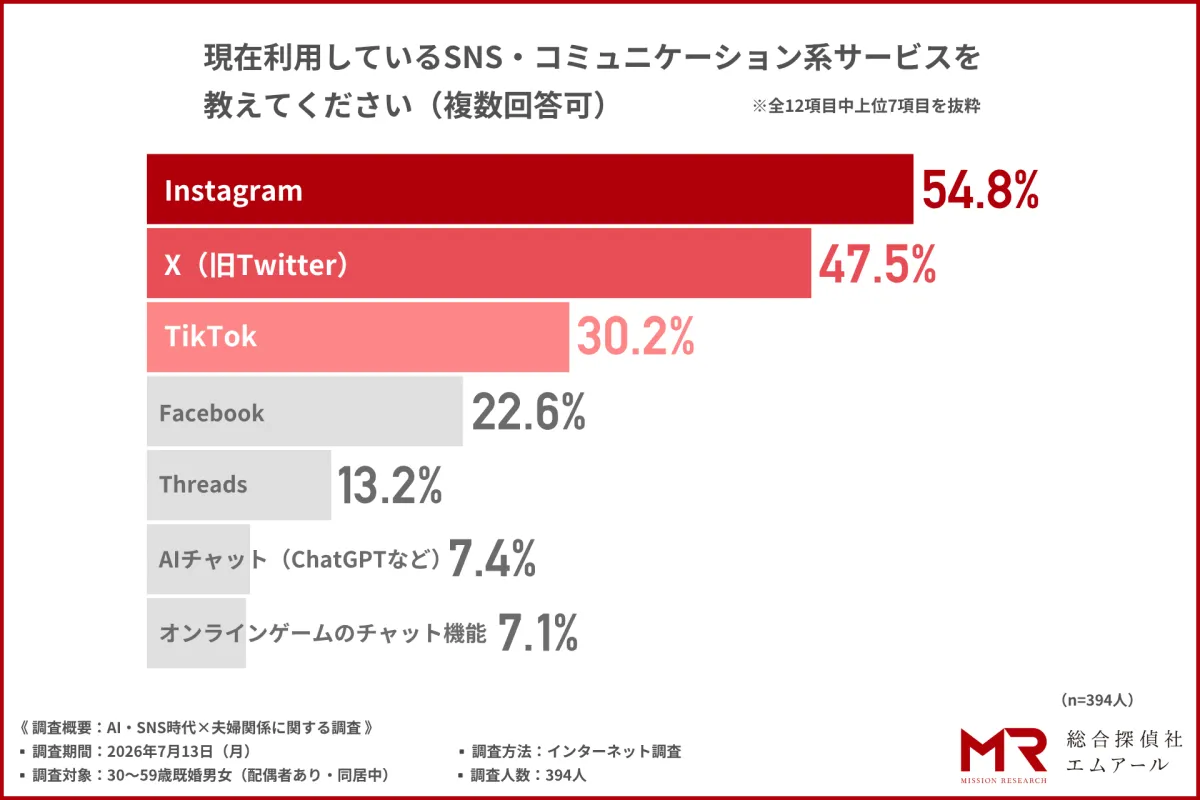
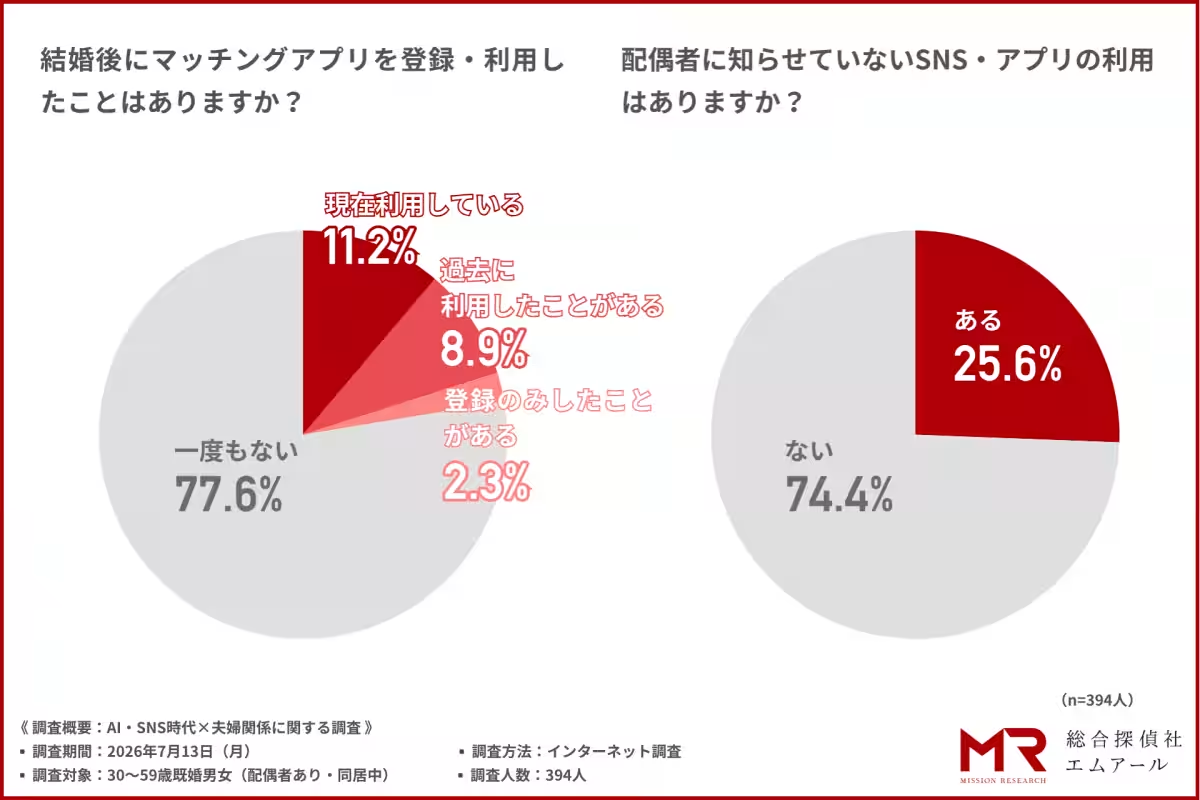
The survey shows a prevalent use of social media, with 54.8% of respondents using Instagram, followed closely by 47.5% engaging in X (formerly Twitter). This reflects a growing trend where married individuals are connecting with others beyond their spouses. Notably, around 22.4% of married participants acknowledged having registered for or used dating apps after marriage. While 77.6% stated they had never done so, the statistic implies that a significant minority has ventured into this territory.
Hidden Digital Lives
A staggering 25.6% of respondents admitted to using social media or applications without their spouse’s knowledge. This behavior raises concerns about transparency and trust within marriages. The reasons behind such undisclosed activities can vary widely, but they certainly indicate a lack of openness about online interactions.
Online Interactions with Others
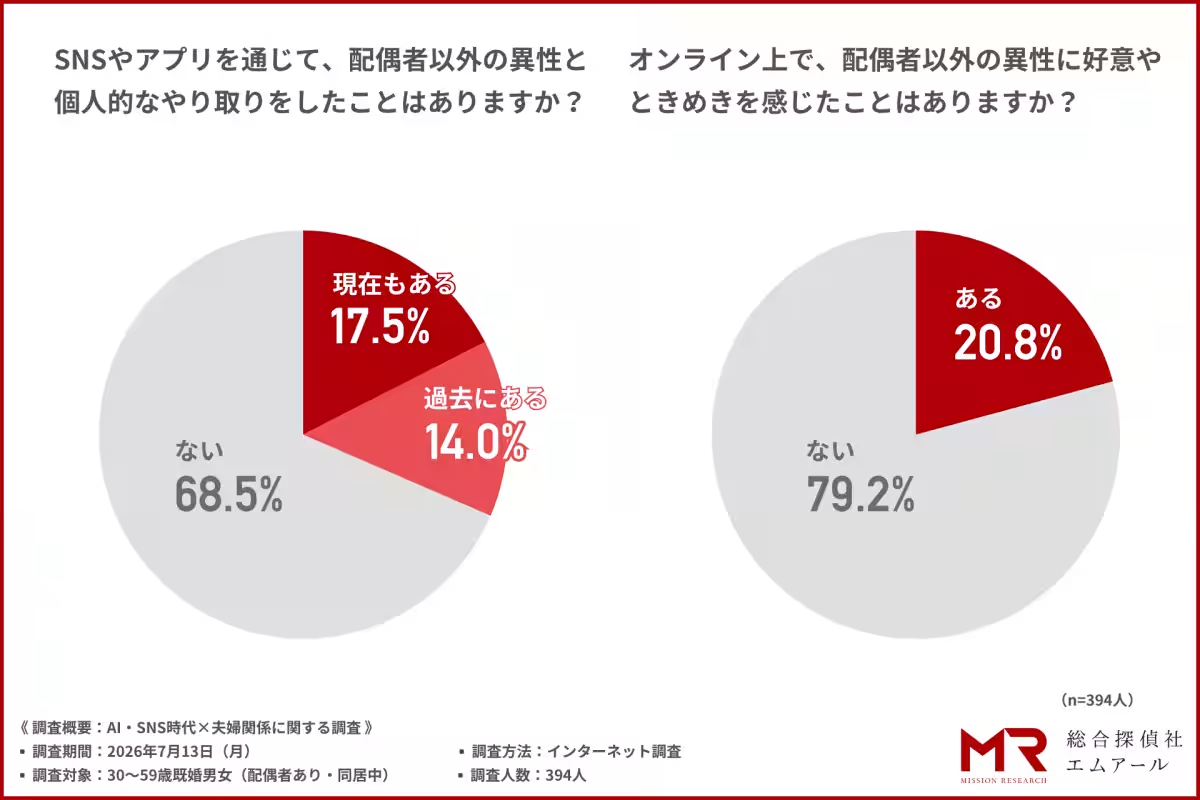
The survey revealed that around 31.5% of married individuals had personal communications with someone of the opposite sex outside their marriage, with 17.5% of respondents admitting to ongoing interactions. Moreover, 20.8% stated that they had developed feelings for someone other than their spouse. This emphasizes the potential emotional risks associated with online interactions, as experiencing attraction online can weaken the fundamental trust between spouses.
Physical Meetings from Digital Connections
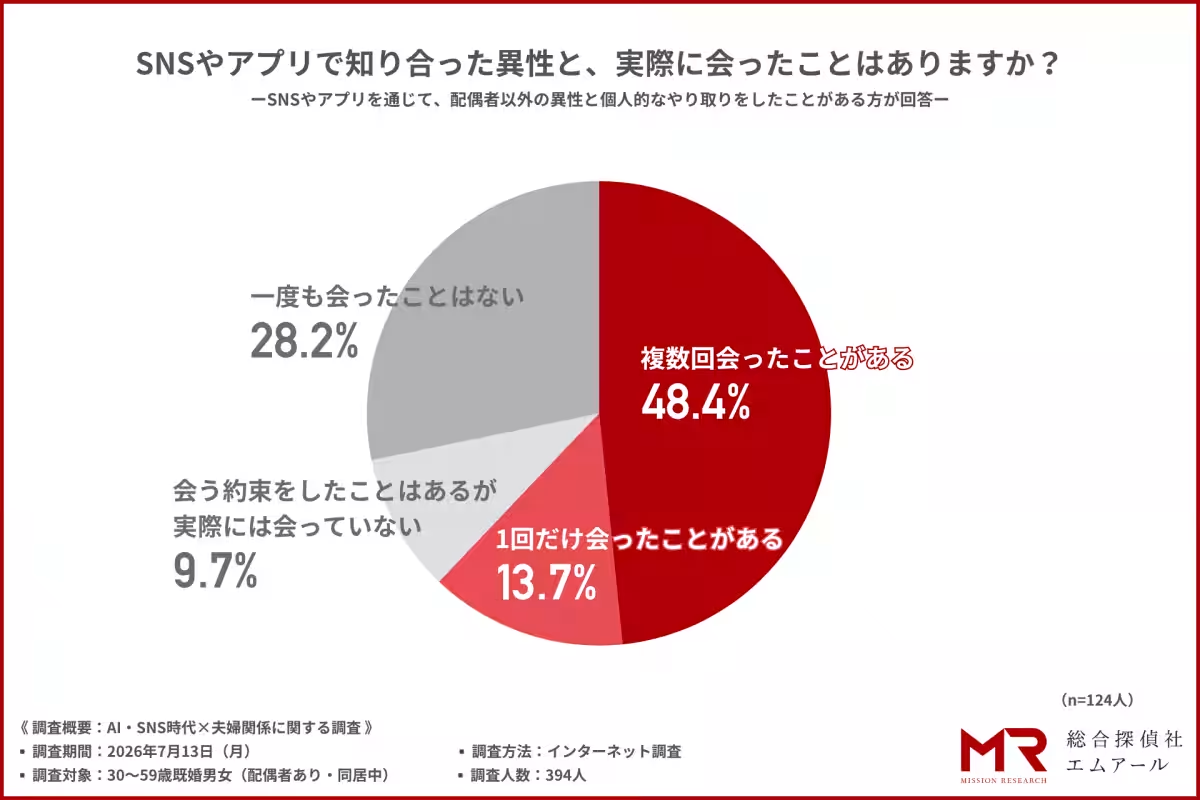
Interestingly, 62.1% of respondents who had engaged online did report having met the individuals they connected with through these platforms—48.4% having met multiple times. This connection between online and real-world interactions complicates the interpretation of infidelity, suggesting that emotional and physical boundaries are increasingly intertwined in the digital age.
Defining Infidelity in the Digital Age
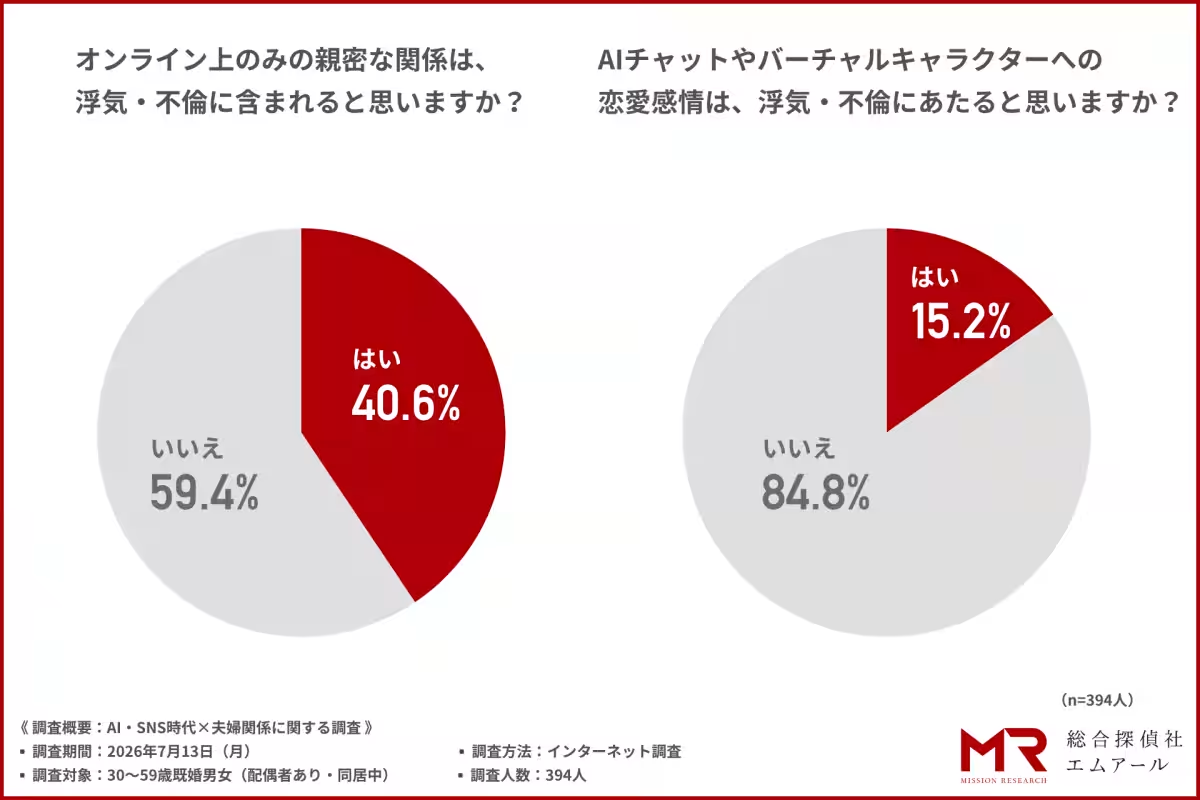
When queried about whether online-only close relationships constitute infidelity, 40.6% of participants responded affirmatively. Furthermore, 15.2% viewed feelings toward AI chatbots or virtual characters as infidelity, signaling a growing recognition that digital connections, even without physical contact, can deeply influence marital relationships.
Changes in the Definition of Infidelity
Respondents shared insights on how technology and social media might change the perception of infidelity. Many believe that defining infidelity could become increasingly complicated—suggesting that emotional infidelity could lead to relationships breaking down without any physical contact. The challenges of the digital environment mean that a wider variety of relational behaviors can now cause distrust between partners.
Conclusion: Navigating Digital Relationships
In summary, this survey reveals a nuanced understanding of infidelity in the age of AI and social media. With many married individuals actively engaging in online relationships and acknowledging emotional attachments that may stray beyond their marriage, it is imperative for couples to openly discuss their boundaries and expectations regarding digital interactions.
The lines defining infidelity are becoming more blurred in a world where communication is constantly evolving and expanding online. For couples, discussing the implications of their online behaviors and establishing a mutual understanding is essential to maintaining trust and fidelity in their relationship.
Topics People & Culture)
【About Using Articles】
You can freely use the title and article content by linking to the page where the article is posted.
※ Images cannot be used.
【About Links】
Links are free to use.