



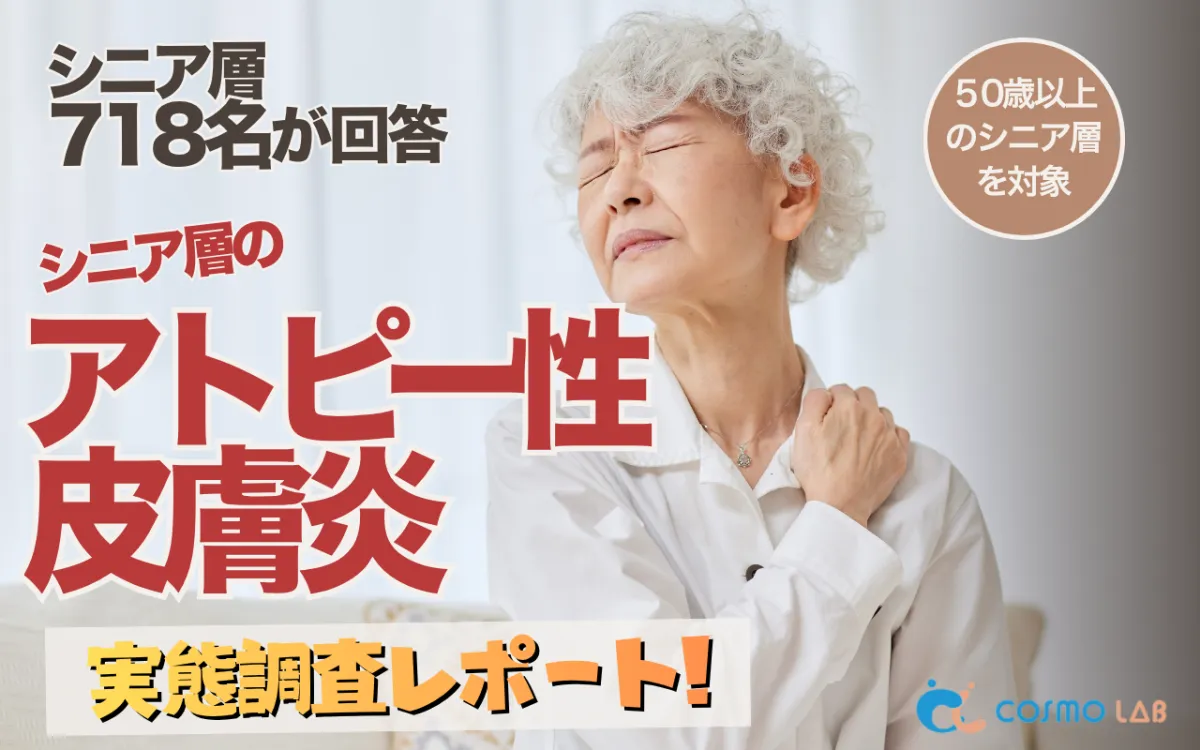
Emerging Needs in Senior Atopic Dermatitis Care Highlighted by New Survey Results
New Insights into Senior Care for Atopic Dermatitis
A recent survey conducted by Cosmo Lab, under Cosmo Health Inc., has highlighted the unique challenges faced by seniors aged 50 and older in managing atopic dermatitis. This research, focused specifically on this demographic, assessed various factors including individual and family histories of the condition, symptom severity, perceived triggers, treatment preferences, and the desire for improvement. The report offers valuable insights aimed at enhancing support for seniors and their families dealing with this chronic skin condition.
Survey Highlights
Prevalence of Atopic Dermatitis Symptoms
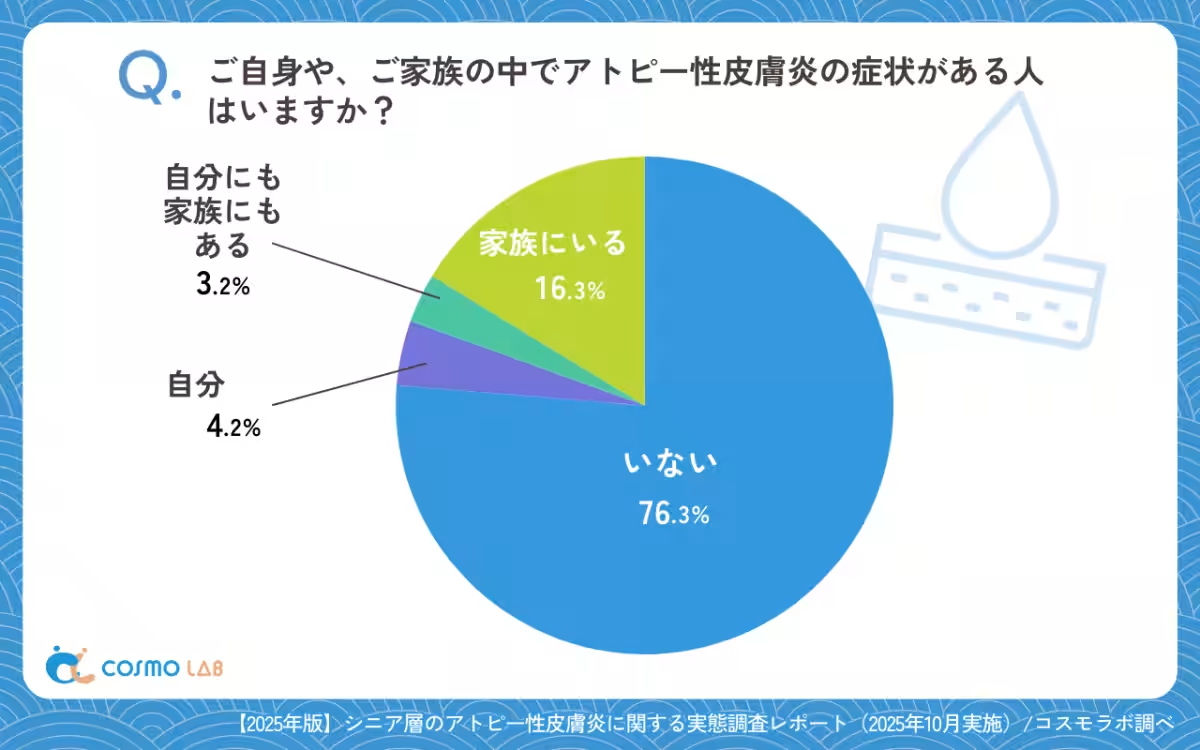
Among 718 respondents, a significant majority, 76.3%, reported no current symptoms of atopic dermatitis. However, 23.7% indicated either experiencing symptoms themselves or having family members who do. This suggests a dual focus is necessary, not only on those directly affected but also on their families who may require support and information.
Most Distressing Symptoms
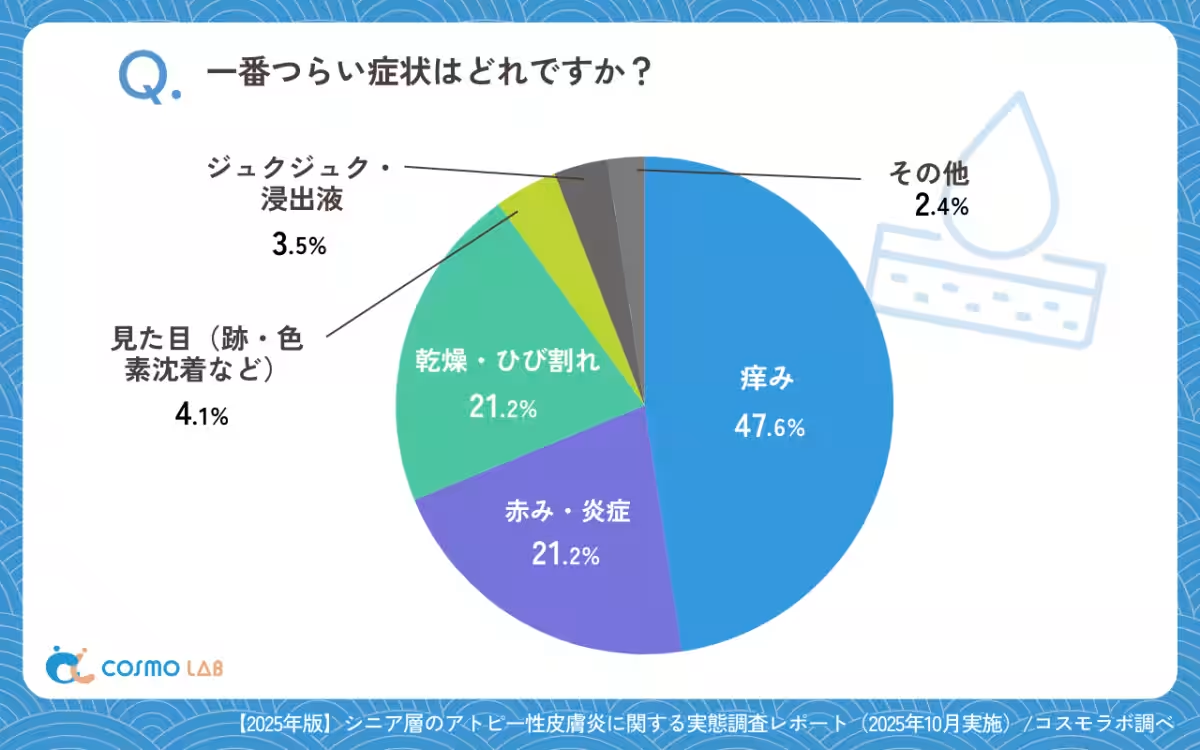
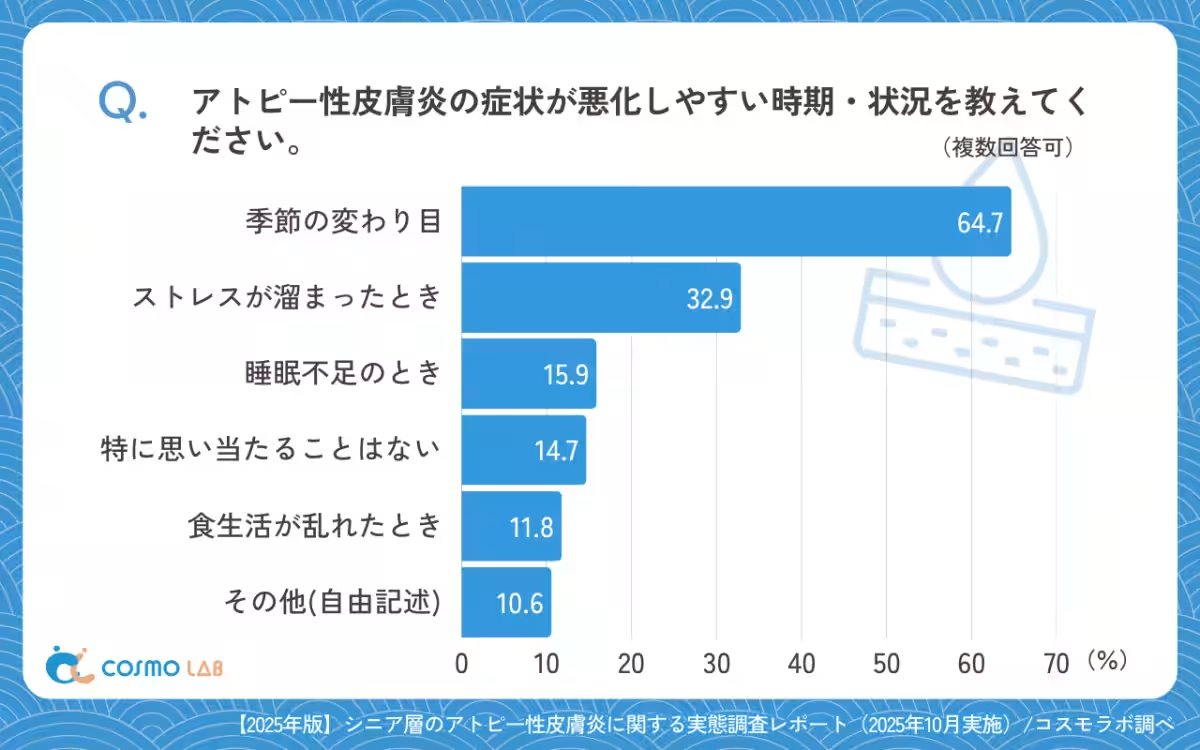
The survey found that the most distressing symptom for 47.6% of those affected is itching, with seasonal changes cited as the leading trigger for worsening symptoms by 64.7% of respondents. This underscores the crucial link between environmental changes and dermatitis flare-ups.
Approaches to Treatment
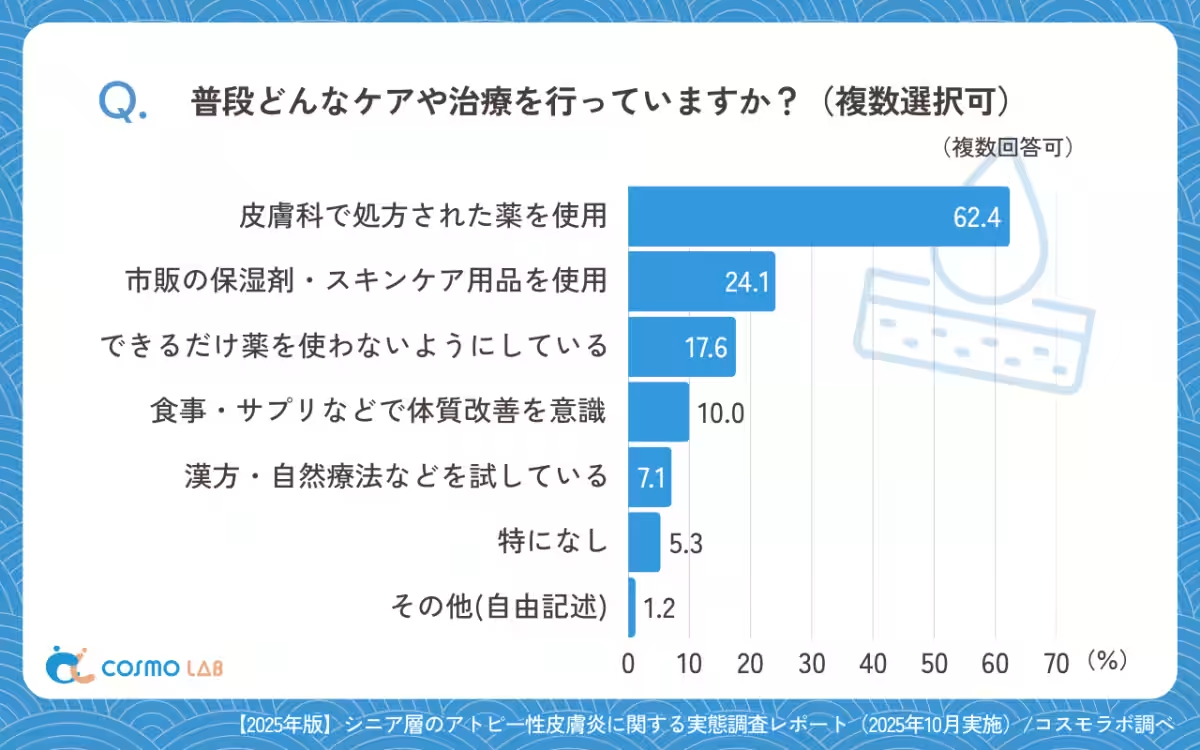
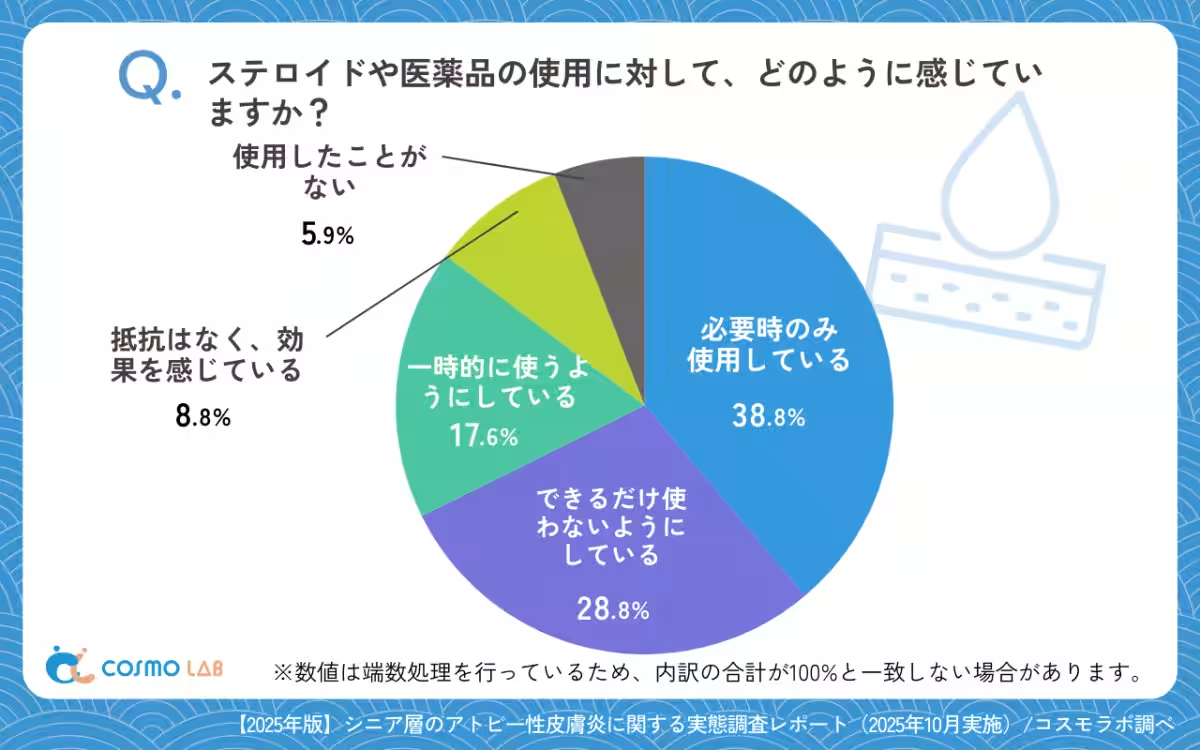
The findings reveal that 62.4% of seniors primarily rely on prescription medications from dermatologists. Interestingly, there is a notable cautious approach to medication, with 38.8% of participants stating they only use medications when necessary, while 28.8% prefer to avoid them altogether.
Pain and Lifestyle Impacts
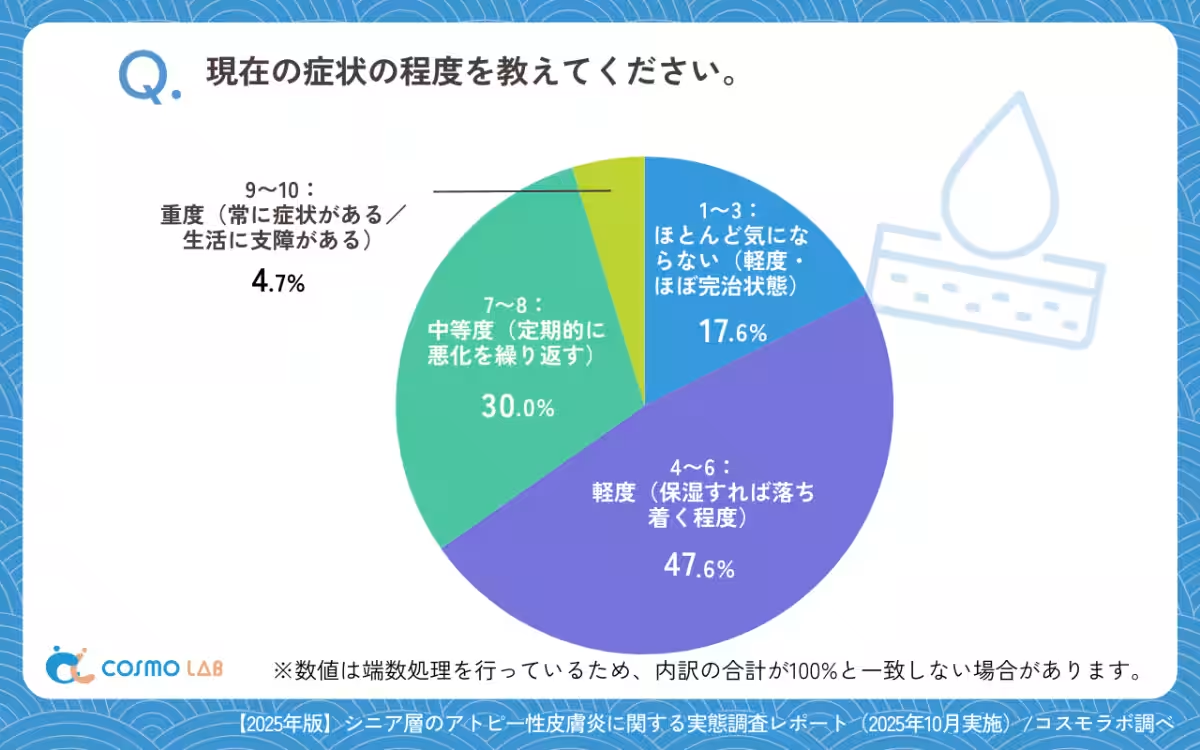
The severity of symptoms varies, with 47.6% reporting mild symptoms that are manageable with moisturizers, while a smaller fraction experiences severe symptoms that significantly hinder their daily activities.
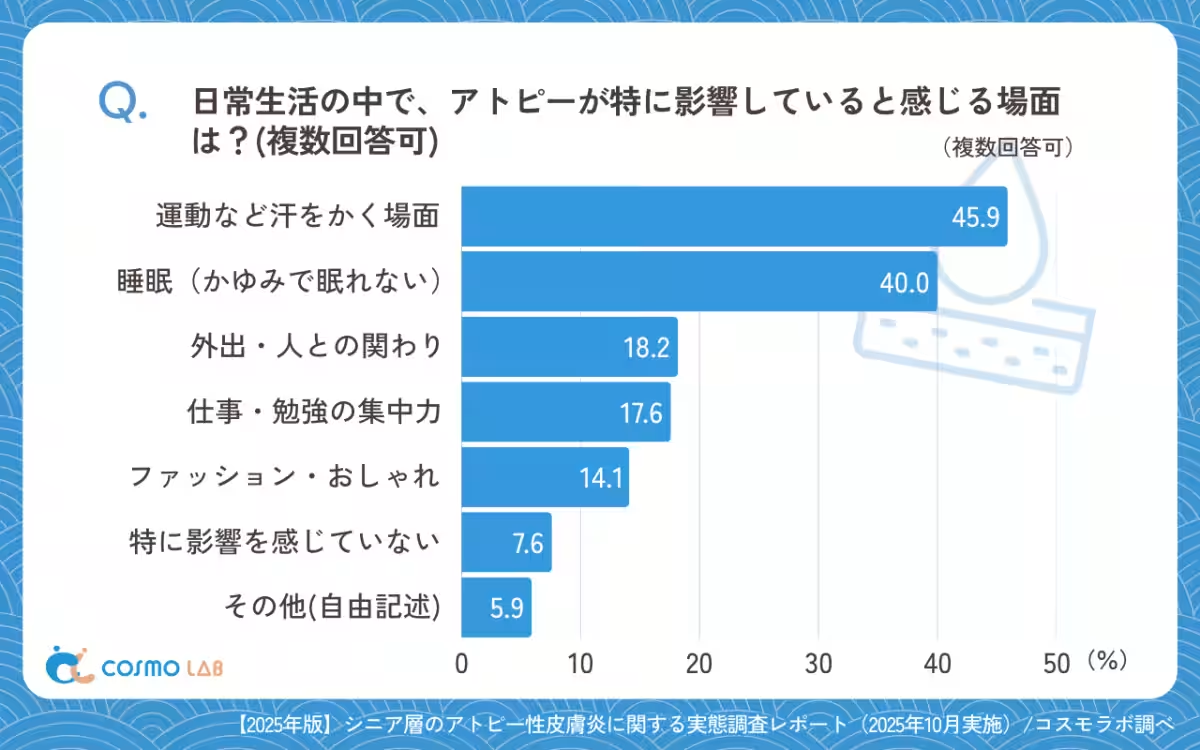
Additionally, specific situations such as exercising (45.9% of respondents) and inadequate sleep (40.0%) are highlighted as significant areas where atopic dermatitis impacts daily life. The psychological and social ramifications of this condition are evident, affecting both physical comfort and participation in social activities.
Treatment and Management Strategies
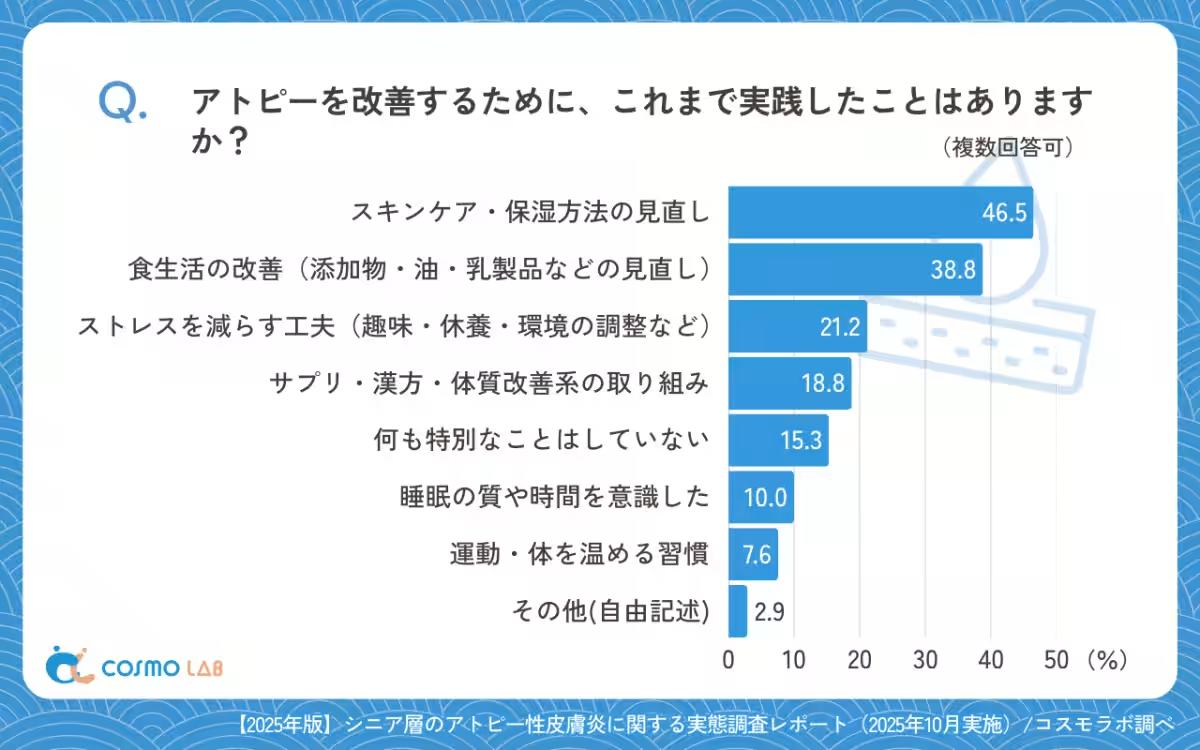
Seniors reported employing a range of strategies for managing their condition. The most common measures include utilizing prescription ointments, with 62.4% relying on these treatments, while 24.1% opt for over-the-counter moisturizing products. Interestingly, there seems to be an inclination towards limiting medication use, indicating a desire for more holistic management approaches, including dietary changes and stress reduction techniques.
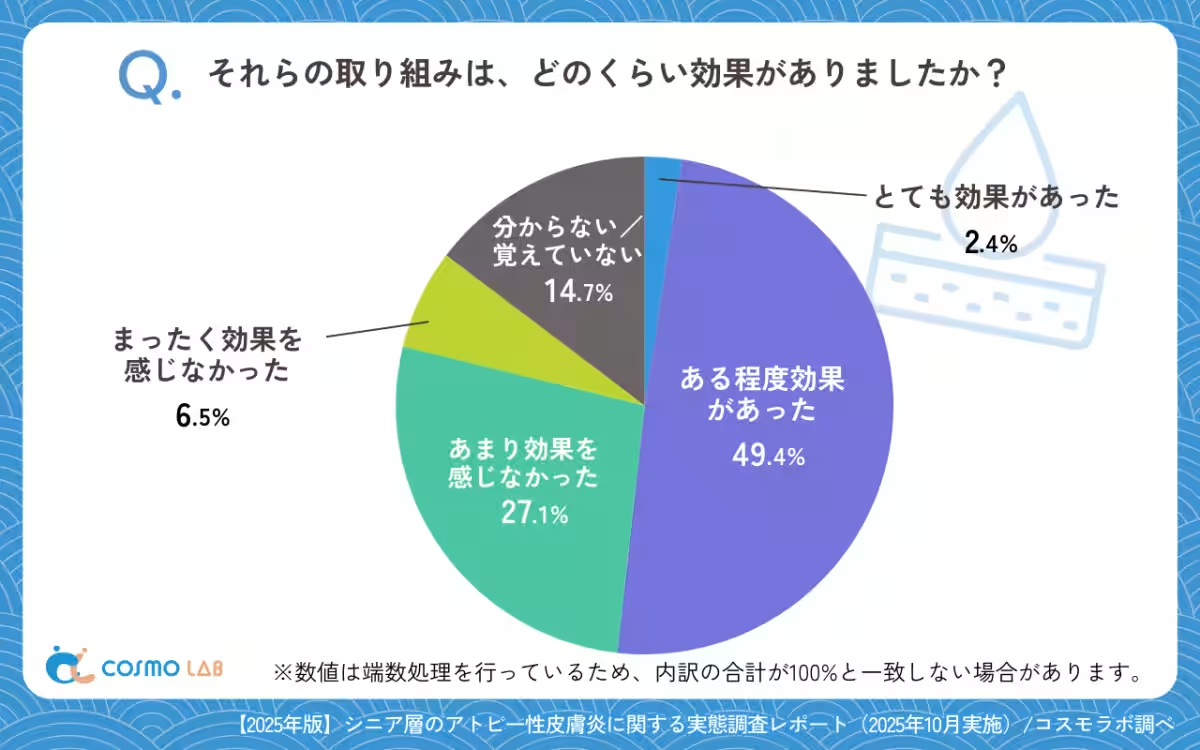
The survey results also emphasize the importance of recognizing that relief from symptoms can vary widely, with some seniors finding substantial improvements while others report limited effects from their efforts. This inconsistency may lead to feelings of frustration or resignation regarding their treatment plans.
Aspirations for Improvement
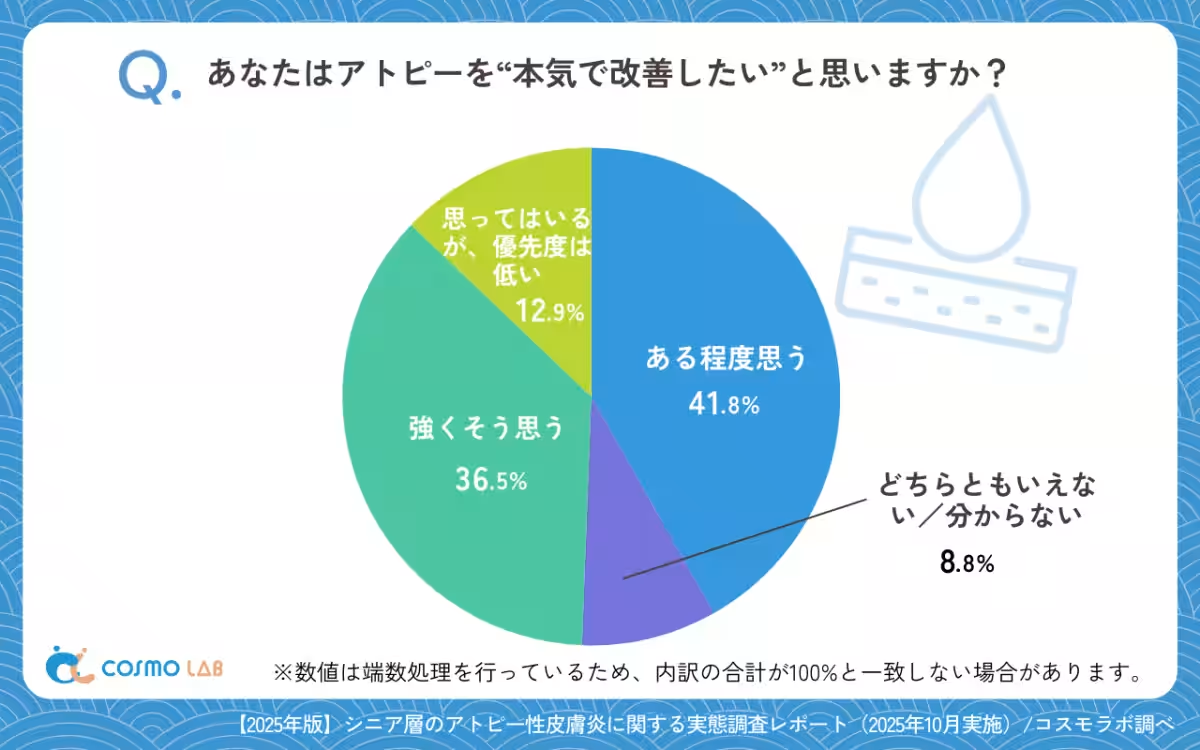
Despite the challenges, the desire to improve their condition remains strong among seniors, with 78.3% expressing a desire to actively seek improvement in their atopic dermatitis management. However, barriers such as prioritization of daily responsibilities and ambivalence about potential treatments can hinder their progress.
Conclusion
The Cosmo Lab report paints a comprehensive picture of the struggles, needs, and aspirations of seniors facing atopic dermatitis. With a significant percentage expressing a desire for improvement, there is an opportunity for healthcare providers to craft tailored support strategies that also consider the family dynamics involved. This indicates a need for a multifaceted approach that addresses both the individual and their familial context in managing this chronic condition.
For more information on atopic dermatitis and other surveys targeting seniors, please visit Cosmo Lab's website for continued updates and insights into the evolving landscape of senior health.
Topics Health)
【About Using Articles】
You can freely use the title and article content by linking to the page where the article is posted.
※ Images cannot be used.
【About Links】
Links are free to use.