



Kokoromil's Innovative UX Project Confirms Need for Regular Heart Health Check-Ups
Insights from the UX Project
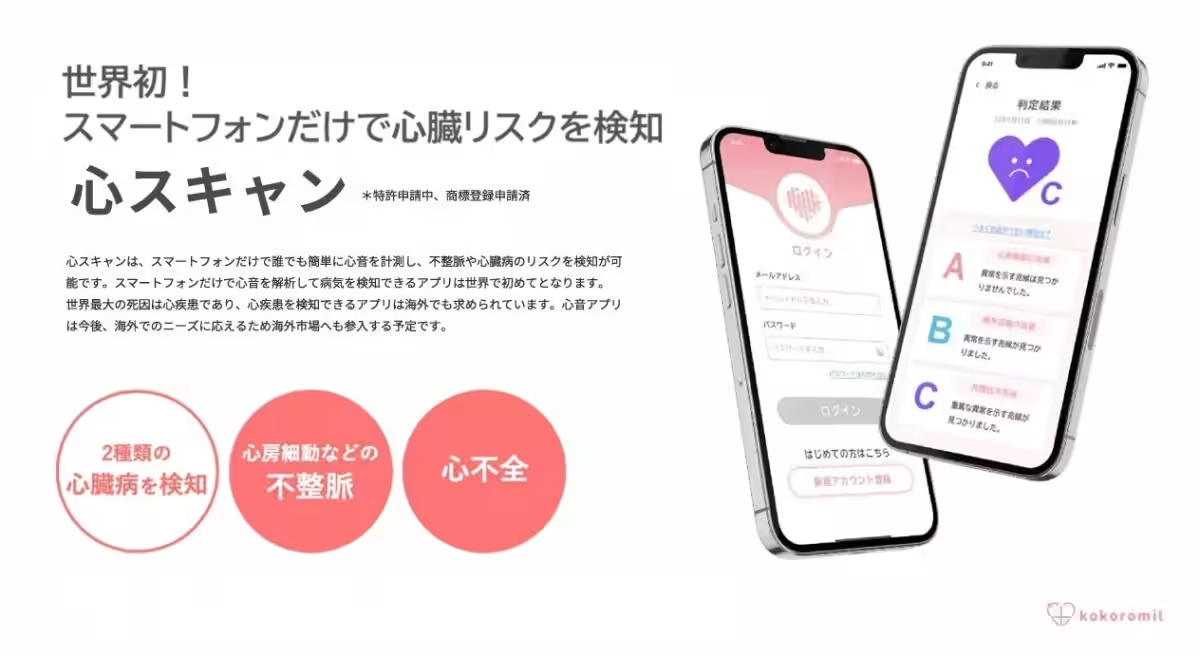
Kumamoto Prefecture has taken strides in healthcare innovation with its UX Project, which emphasizes solutions to local issues. A medical tech venture, Kokoromil, has spearheaded an experiment using a smartphone-based screening process that leads to at-home ECG tests. This initiative represents a pioneering model for preventive healthcare, enabling easy access to heart health checks.
Methodology of the Research
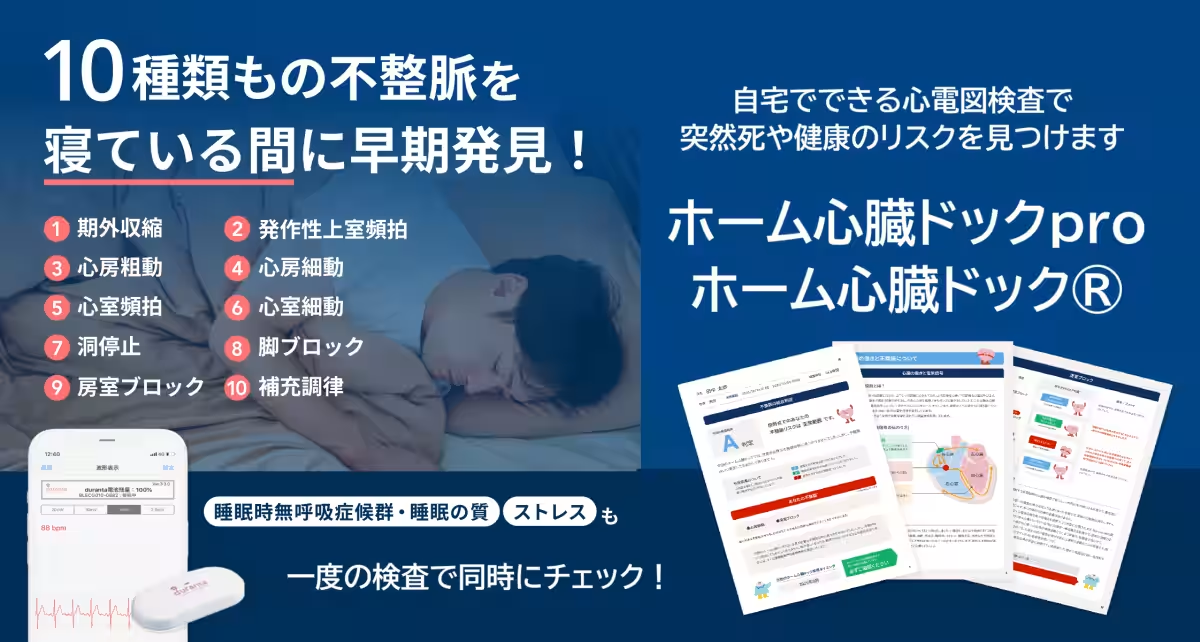
The project utilized a prototype app called 'Heart Scan' for routine self-checks. This was coupled with the 'Home Heart Dock pro,' an advanced prolonged ECG test, thereby creating a seamless pathway from smartphone monitoring to precise medical evaluation. Participants in the study engaged with both the app and the test to assess the practicality and impact of this model on heart health awareness.
Key Findings from Participant Feedback
An important element of the UX Project included participant surveys, which yielded insightful data from 30 respondents:
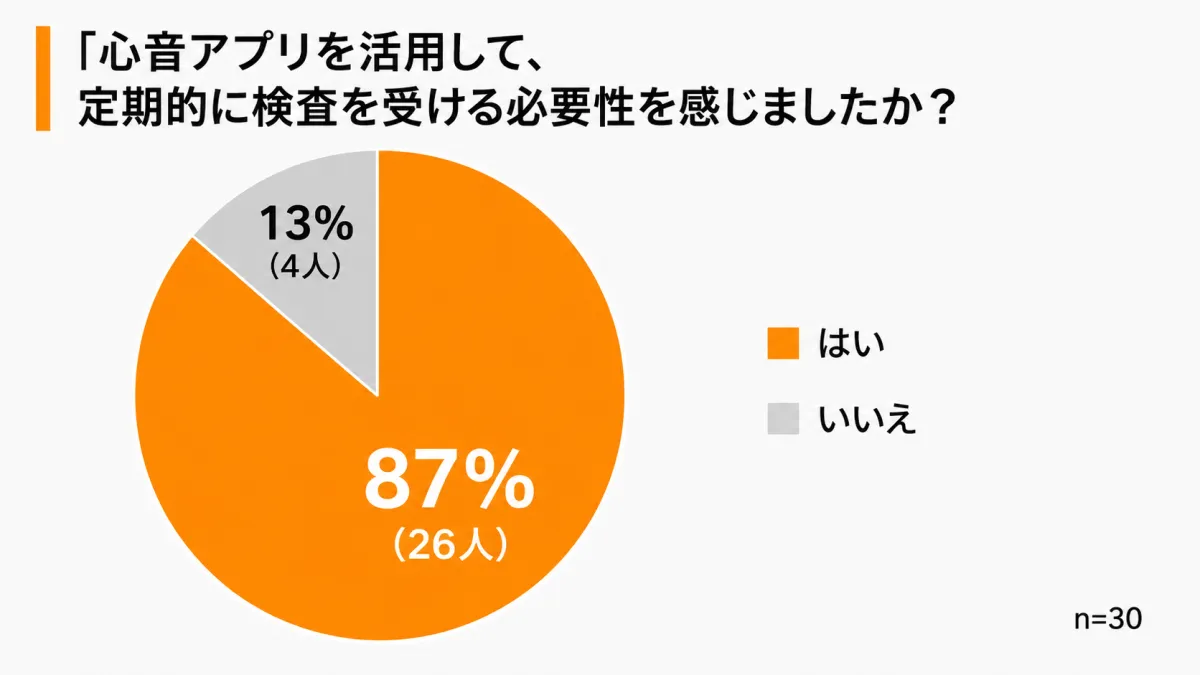
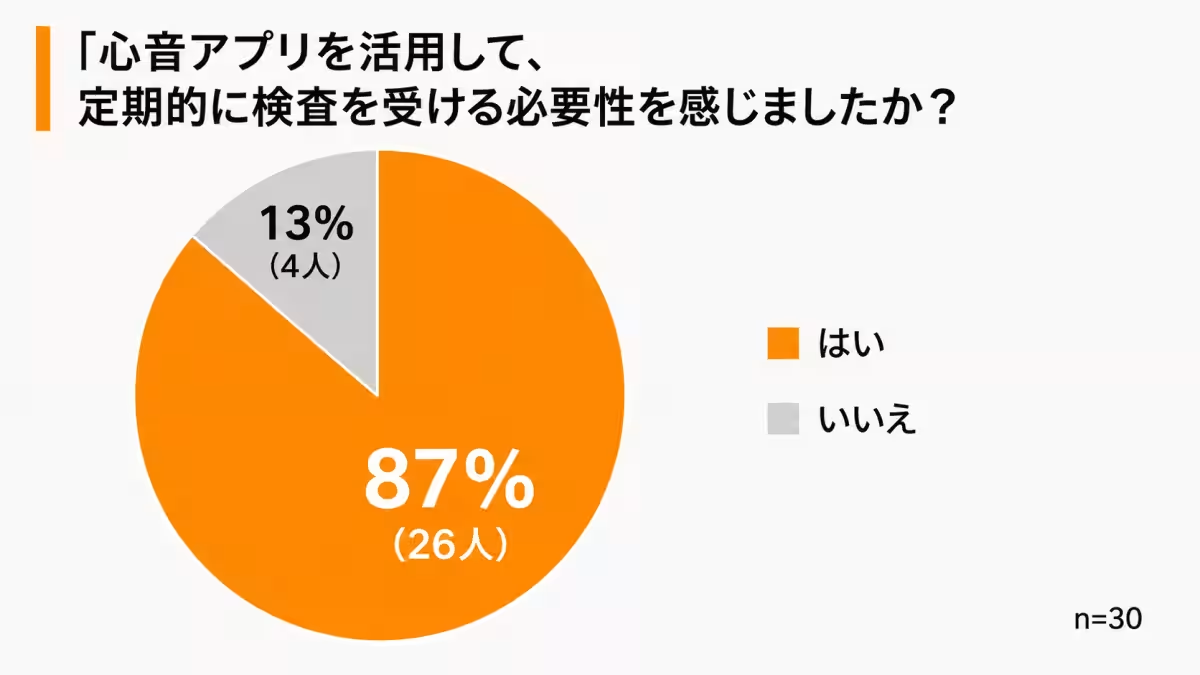
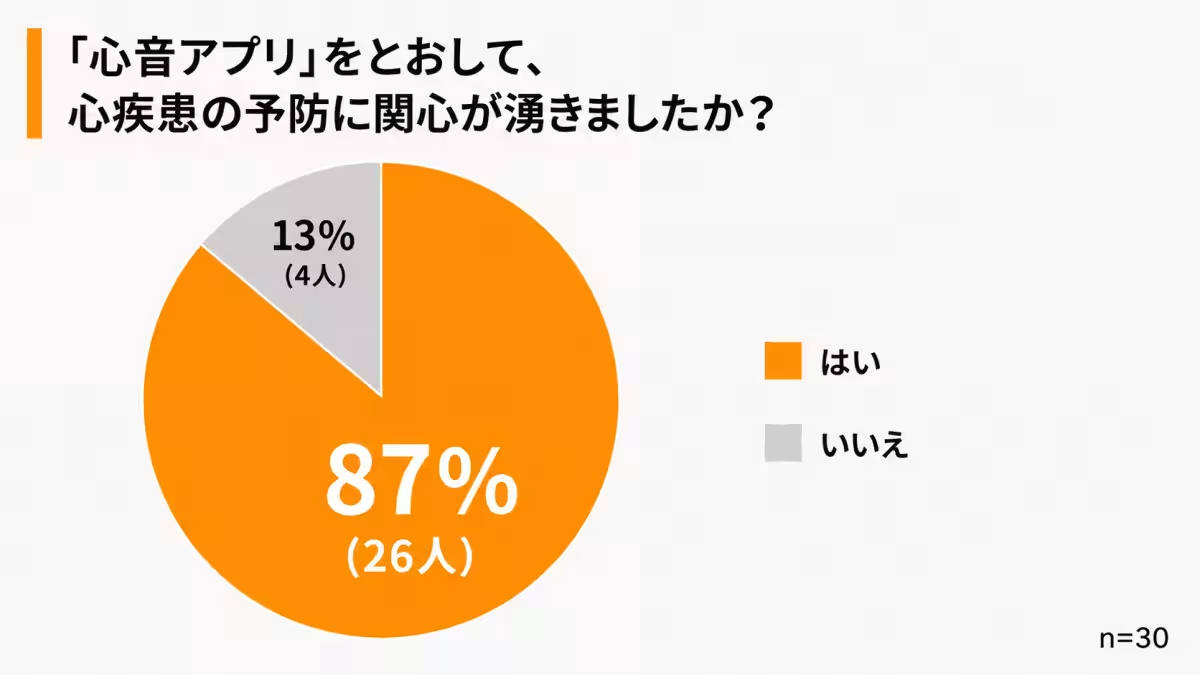
- - Change in Awareness: A significant 86.7% of participants felt a stronger need for regular check-ups and exhibited increased interest in preventing heart disease, attributable to their engagement with the Heart Scan app. This emphasizes that exposure to one's own heart rhythms and sounds can motivate individuals, particularly those with no apparent symptoms, to take proactive steps in monitoring their heart health.
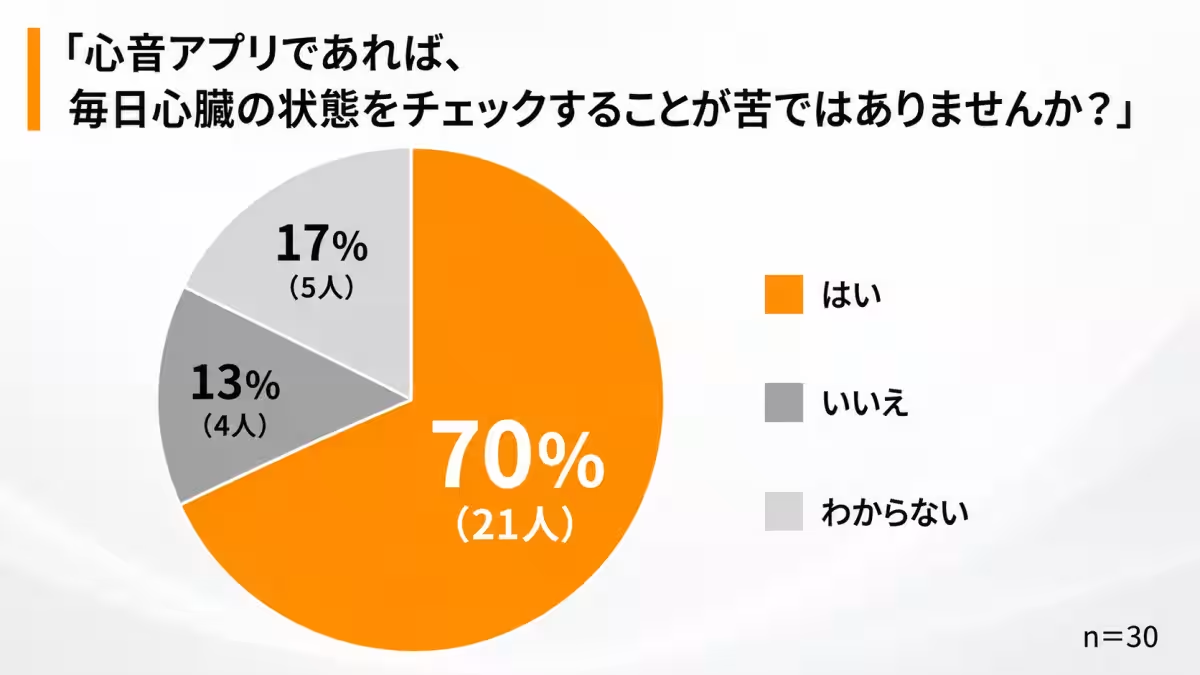
- - Willingness to Maintain Routine Checks: Notably, 70% of participants expressed that having an app would make daily checks manageable, illustrating how integrating health monitoring into daily routines can enhance adherence among users, especially those who typically struggle with consistent health management.
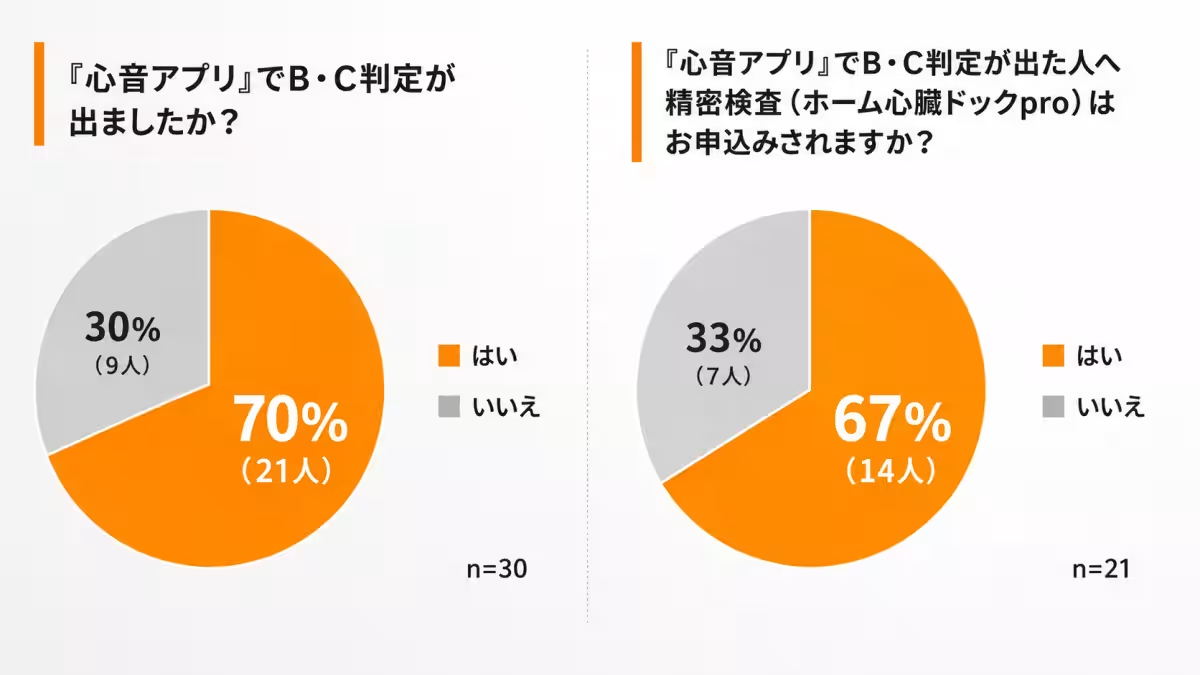
- - Interest in Further Testing: Among those who required further evaluation based on their initial screenings, 66.7% opted to undergo the comprehensive test offered by the Home Heart Dock pro, indicating that smartphone apps could successfully encourage individuals to pursue necessary medical evaluations.
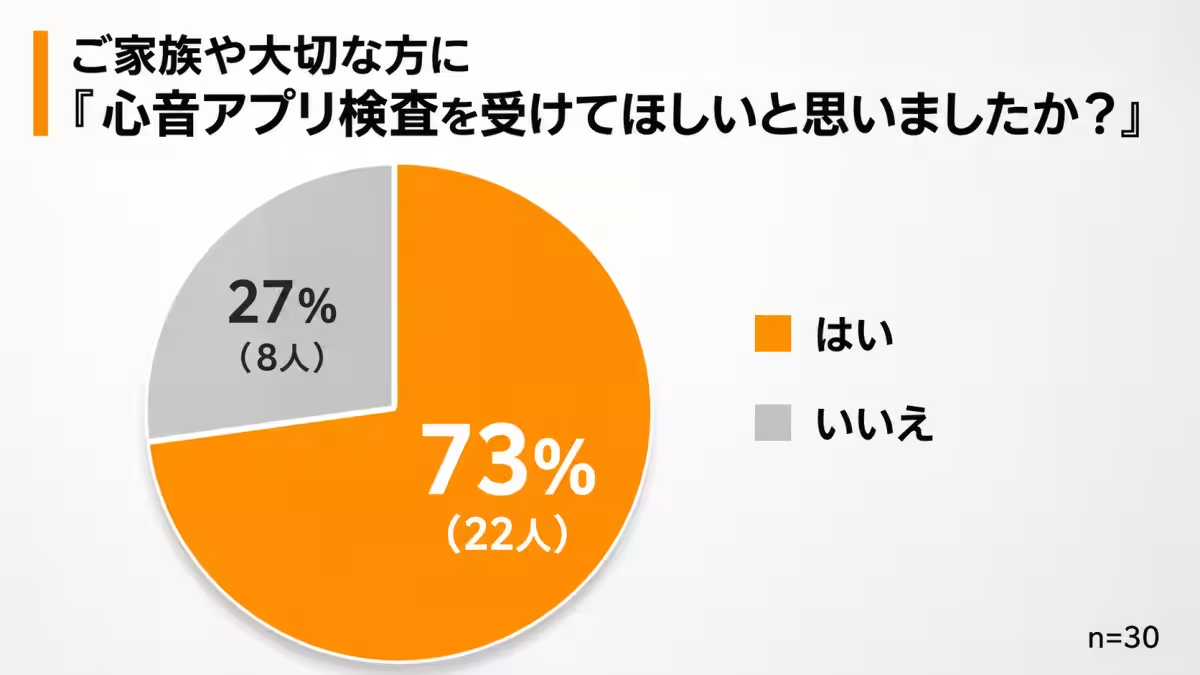
- - Family Considerations: Furthermore, 73.3% of respondents showed a desire for their family members to also utilize the Heart Scan app, reflecting a community-oriented approach to health education.
Responses and Testimonials
Participants provided positive feedback, indicating surprise at the app's capabilities to facilitate heart checks simply through their smartphones. Many reported that it served as an excellent introduction to taking a more active interest in health. Concerns were addressed, including the need for enhanced functionality and the user experience, particularly regarding adjustments for seasonal conditions and usability aspects like button placements.
Future Directions and Challenges Ahead
This initiative demonstrates the potential for smartphones to serve as a gateway for preventive medicine, affording individuals both low-cost and barrier-free access to essential health screenings. Notably, it outlines a future where routine health checks are as convenient as checking a weather app, which could significantly mitigate rising healthcare costs associated with chronic conditions.
However, addressing user-experience flaws is crucial for maximizing engagement. Respondents expressed the need for improvements in environmental response and cost-effectiveness.
Moving forward, Kokoromil plans to integrate the encouragement behaviors observed in this study with refinements based on user feedback. The goal is to enhance the product for a more comprehensive preventive healthcare system in Kumamoto, and potentially beyond. With ongoing partnerships aimed at connecting citizens to necessary health resources proactively, the groundwork lays fertile soil for establishing an effective public health model that all can access.
In conclusion, the collective insights from the UX Project not only provide pivotal data on user engagement but also support Kokoromil's mission to foster a society where serious health issues can be preempted efficiently and affordably.

Topics Health)



【About Using Articles】
You can freely use the title and article content by linking to the page where the article is posted.
※ Images cannot be used.
【About Links】
Links are free to use.