



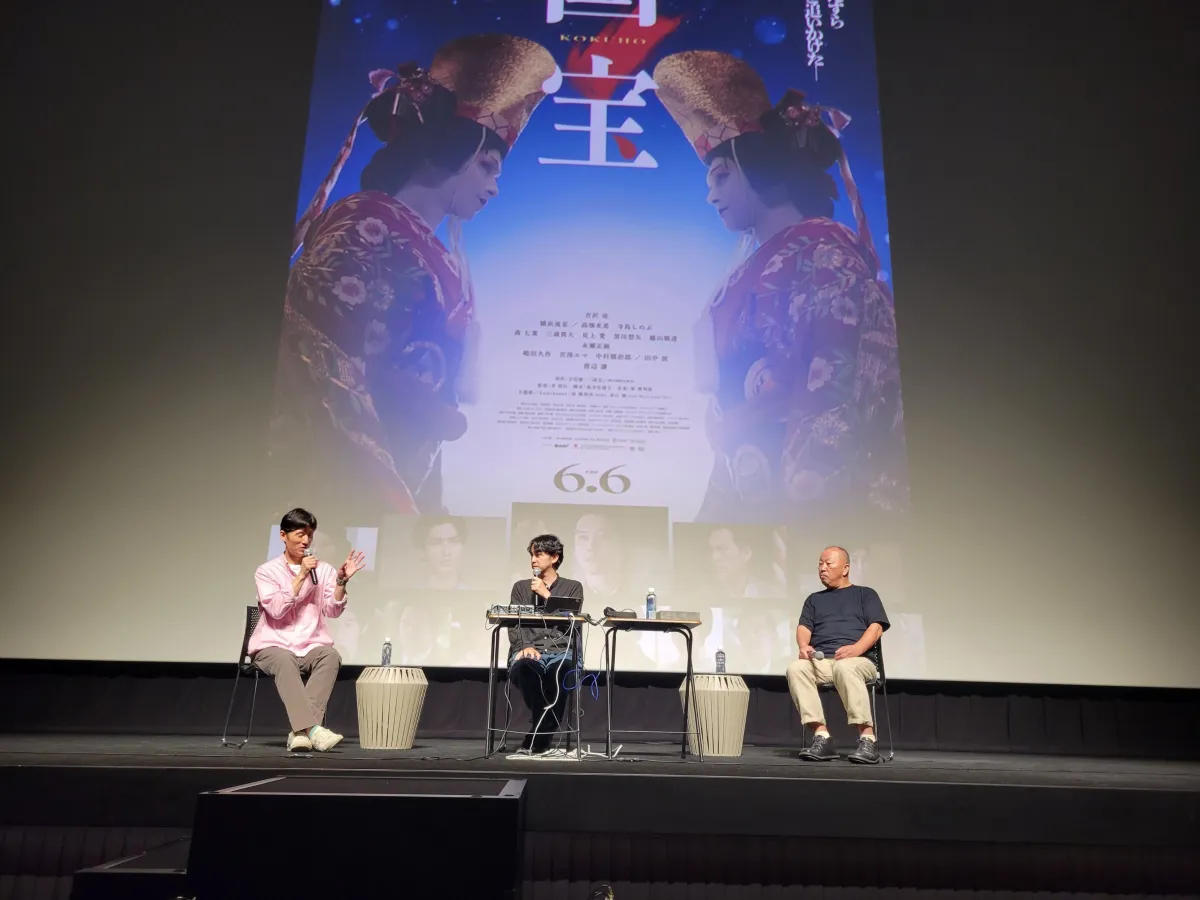
A Fascinating Talk Show Event Featuring Director and Musician Behind Hit Movie 'Kokuhou'
Event Report: Talk Show Screening of "Kokuhou"
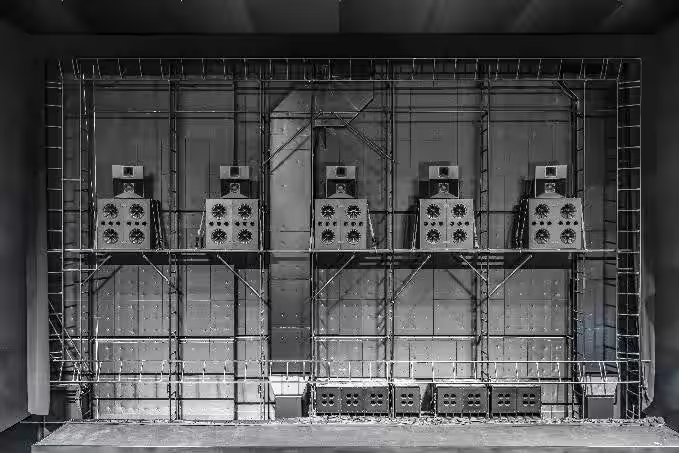
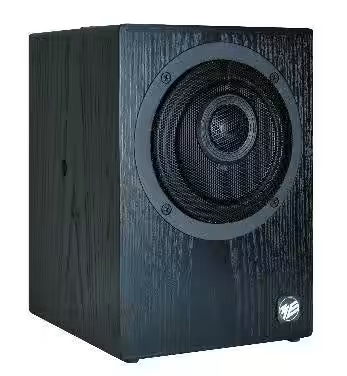
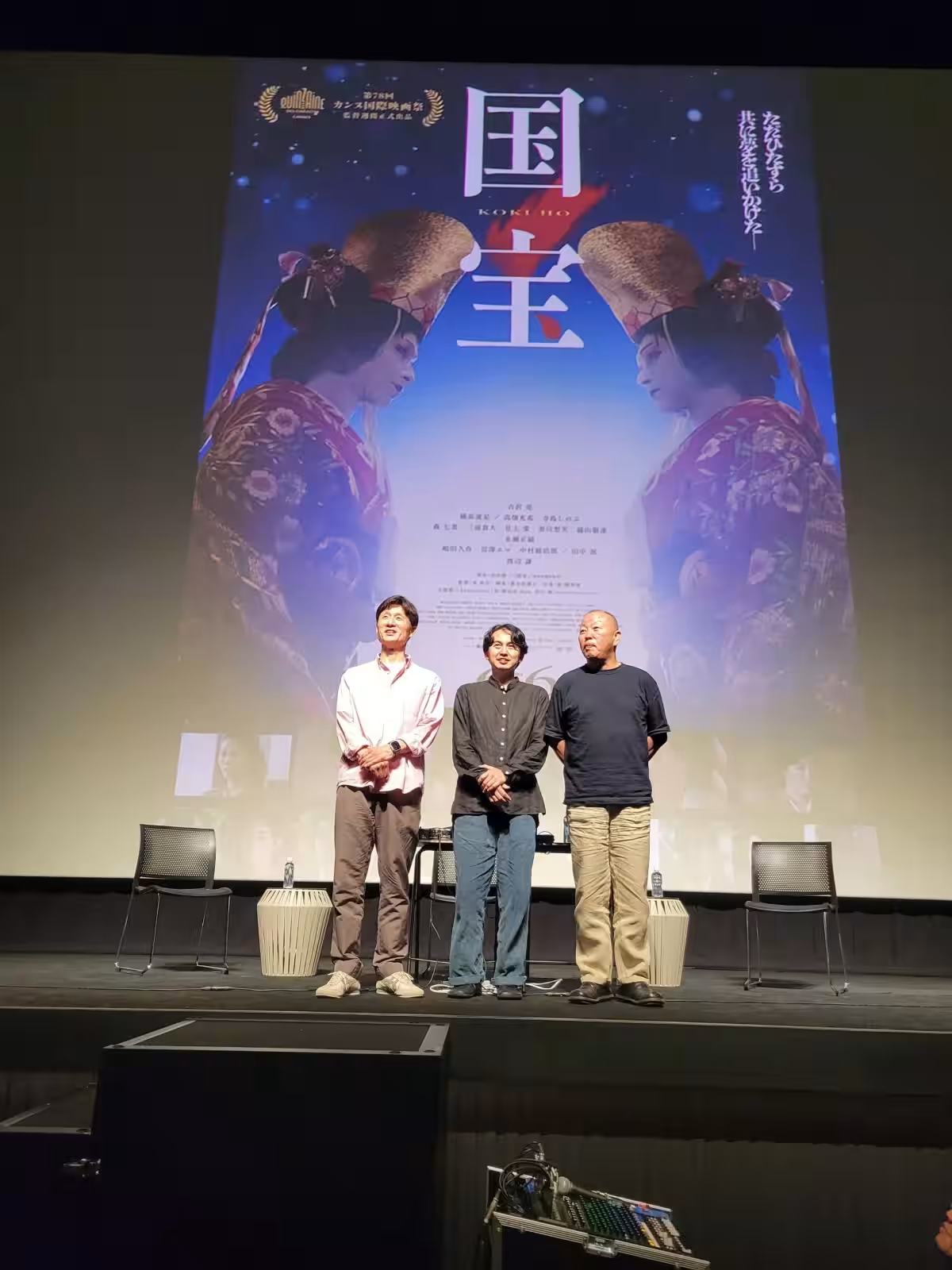
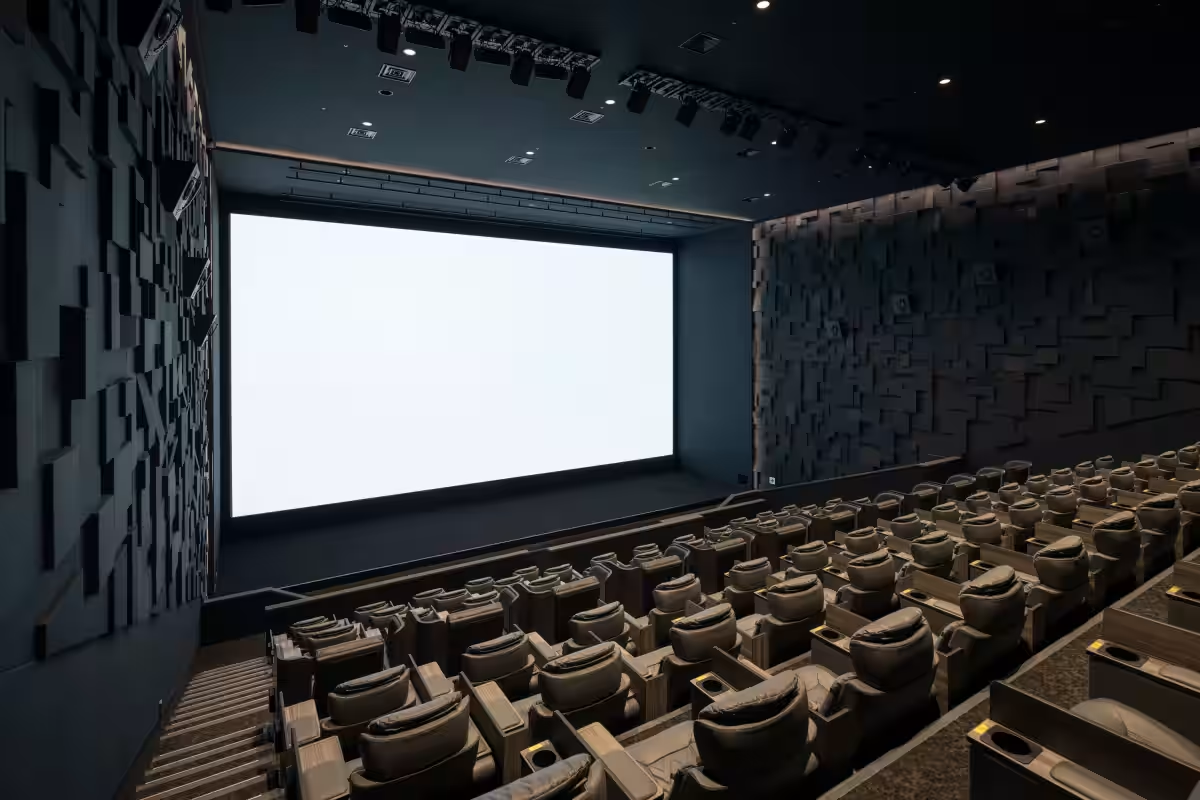
On July 5, 2025, Tokyu Recreation Co., Ltd. hosted a special screening of the hit film "Kokuhou" (distributed by Toho) at the 109 Cinemas Premium Shinjuku, renowned for its cutting-edge sound system designed by Sakamoto Ryuichi.
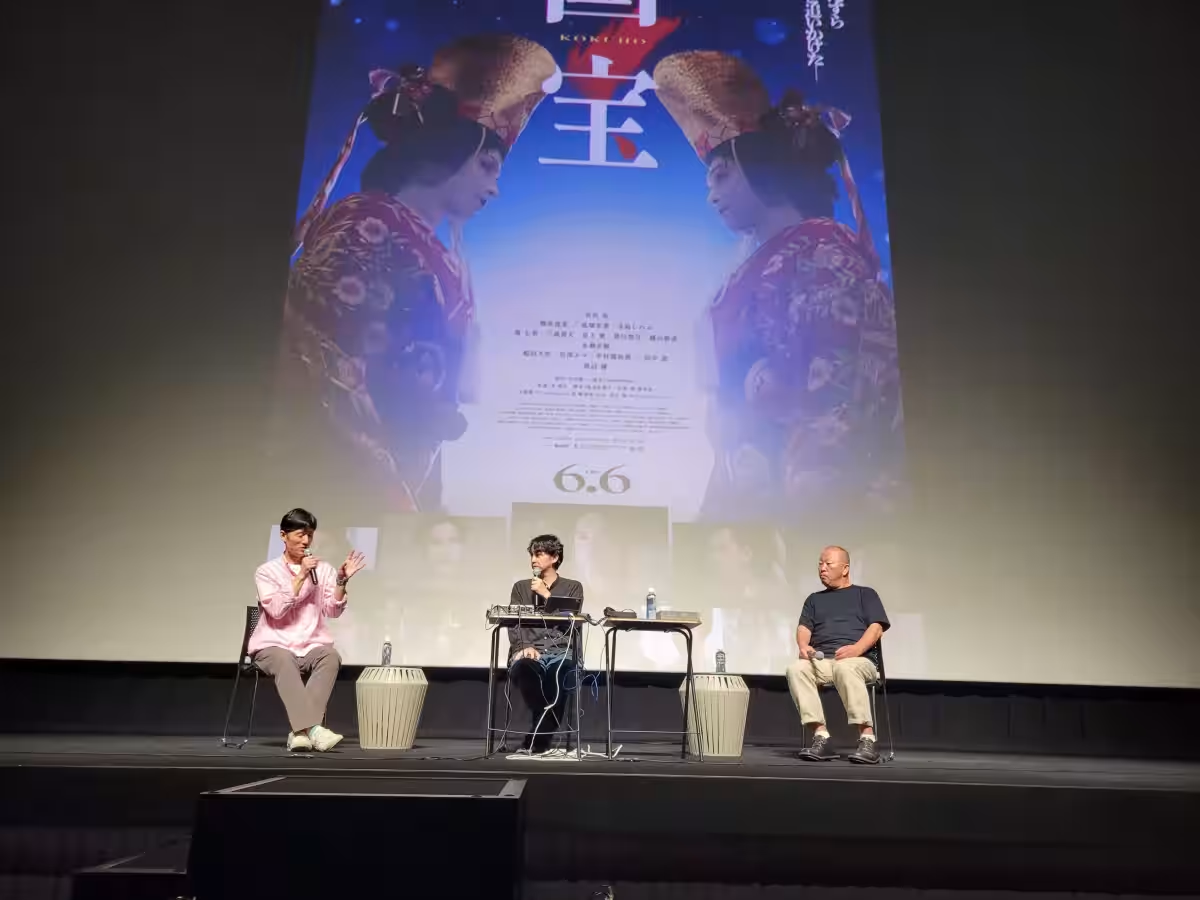
The event featured an engaging talk show alongside the film, where director Lee Sang-il, composer Morihiko Hara, and sound designer Mitsuaki Shiratori delved into the intricate soundscapes of the film. The talk highlighted the deep connection between music and emotion, revealing layers of storytelling through sound.
Introduction of the Talk Show
The talk show took place in Theater 7 of 109 Cinemas Premium Shinjuku. After the screening of "Kokuhou," director Lee took the stage, emphasizing the significance of sound in film. He introduced Hara and Shiratori, both of whom contributed significantly to the film's auditory experience. This marks Lee's second collaboration with Hara, while he and Shiratori have previously worked together on various successful projects including "Hula Girls" and "Villain."
Shiratori reflected on his first impression of Hara's work, stating that Hara's compositions evoke a vivid imagery and atmosphere that resonate deeply. Despite Hara's initial limited experience in film music, his reputation has grown, leading Lee to humorously comment about their collective discovery of Hara within the film music industry.
Exploring the Role of Sound in Cinema
In discussing the nuances of sound in "Kokuhou," Hara mentioned the need for creating a broader emotional landscape compared to their previous collaboration. He aimed to incorporate not only the main characters' emotions but also the complex lives of supporting characters, expanding the auditory scope. Shiratori chimed in, noting Hara's music invokes a slow-brewing emotional impact, similar to how the pain of an unhealed wound can surface unexpectedly.
This collaborative effort led to deep discussions about how music should not merely supplement actor performances but rather delve into the underlying emotions. Hara shared his experience of watching the film the day before the event at 109 Cinemas Premium Shinjuku, where he contemplated the origin of the sounds he crafted, remarking on the ethereal distance these sounds seemed to emanate from.
Shiratori praised the theater's acoustics, noting how every sound detail—from raindrops to footsteps—was vividly captured, enhancing the viewing experience. He and Lee reflected upon the necessity of clear sound during filming and how advancements in technology facilitate the cleaning and mixing of recorded sounds, underlining Shiratori's role in balancing music and sound effects.
The Fusion of Kabuki and Film Music
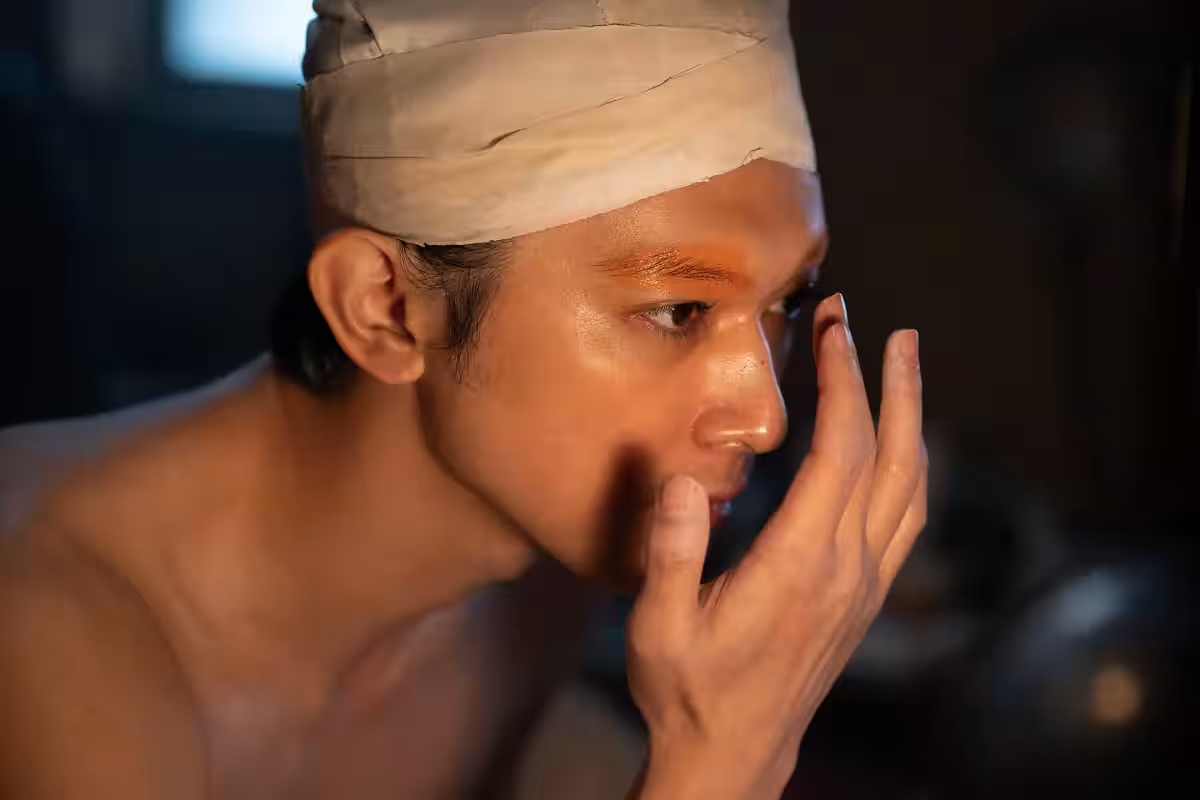
One key point of discussion was the integration of traditional Kabuki music within the film's score. Shiratori highlighted a pivotal scene where the young characters enjoy a Kabuki performance, noting how successfully combining the two forms of music laid the groundwork for the film’s auditory identity.
Lee revealed that their initial vision for the Kabuki scene had evolved, realizing that Shiratori's work brought the sound of Kabuki to the forefront, melding seamlessly with Hara’s compositions. Hara reflected on his experiences with more traditional forms of music in his past projects, bringing that perspective into his work for "Kokuhou."
The Creative Process of Composition
Hara shared the creative challenges faced during the music's development, particularly regarding the theme for the character Kikuhou. He recounted how a haunting sound formed on a medieval instrument provided the thematic thread throughout the film, emerging prominently during key moments. Lee and Hara's collaborative process included intense
Topics Other)
【About Using Articles】
You can freely use the title and article content by linking to the page where the article is posted.
※ Images cannot be used.
【About Links】
Links are free to use.