



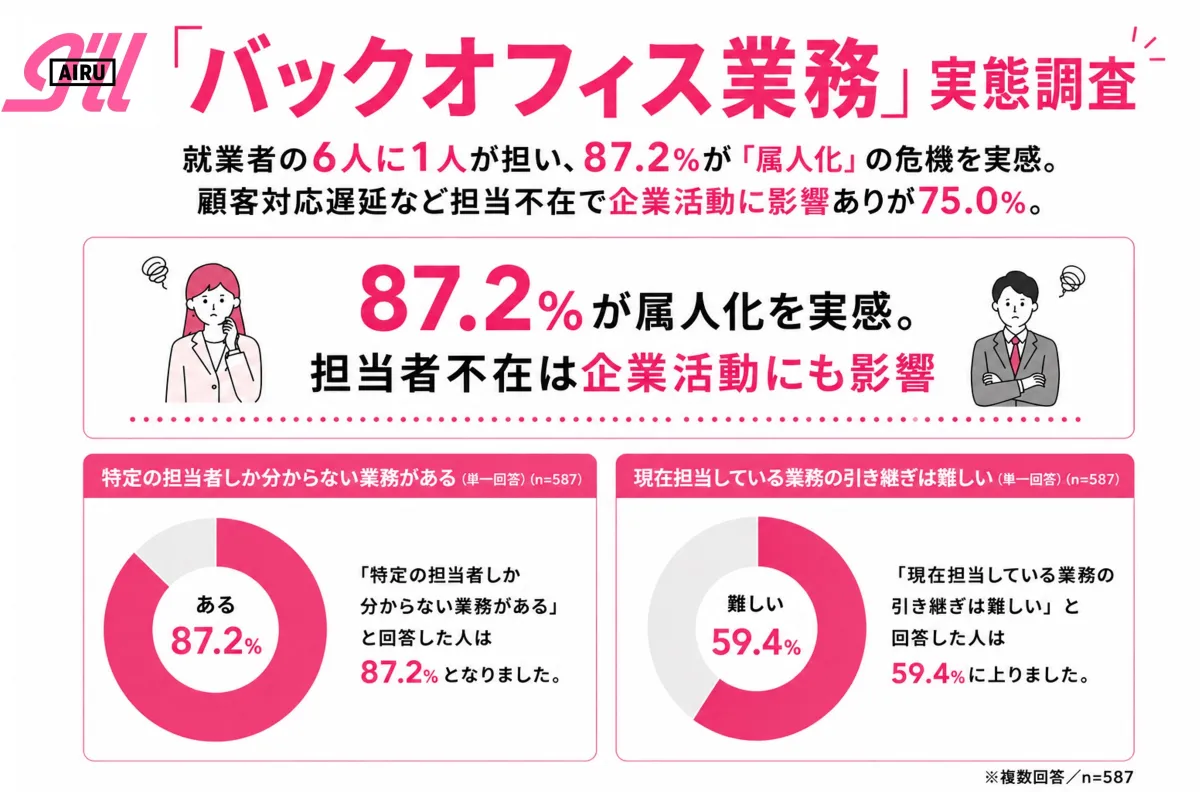
The Critical Role of Back Office Operations Revealed: 1 in 6 Workers Engaged and Facing Unique Challenges
The Vital Significance of Back Office Operations in Japan
In a recent comprehensive survey by ILL Co., a company dedicated to empowering business operations through self-developed systems, it was revealed that approximately one out of every six workers in Japan is involved in back office functions. These results, gathered through an extensive internet survey targeting 587 employees engaged in back office activities across various sectors, shed light on a critical area often overlooked in discussions about business efficiency and productivity.
Understanding Back Office Operations
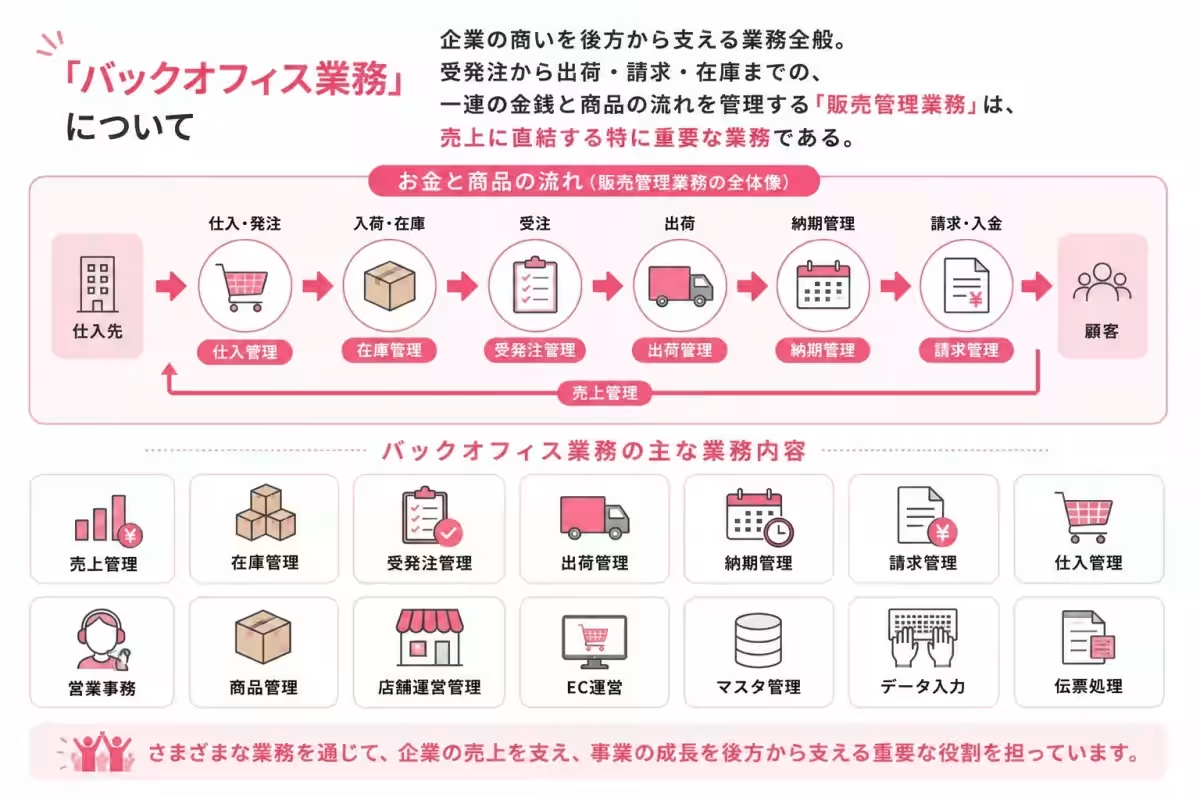
Typically, back office roles encompass essential functions such as accounting, human resources, and general administration. However, ILL emphasizes a broader definition that includes various support operations vital to a company’s business activities. The survey highlights areas such as sales management, inventory management, and order processing, showcasing how these crucial back office operations have grown increasingly important in challenging times marked by labor shortages and the need for digital transformation (DX).
Survey Insights
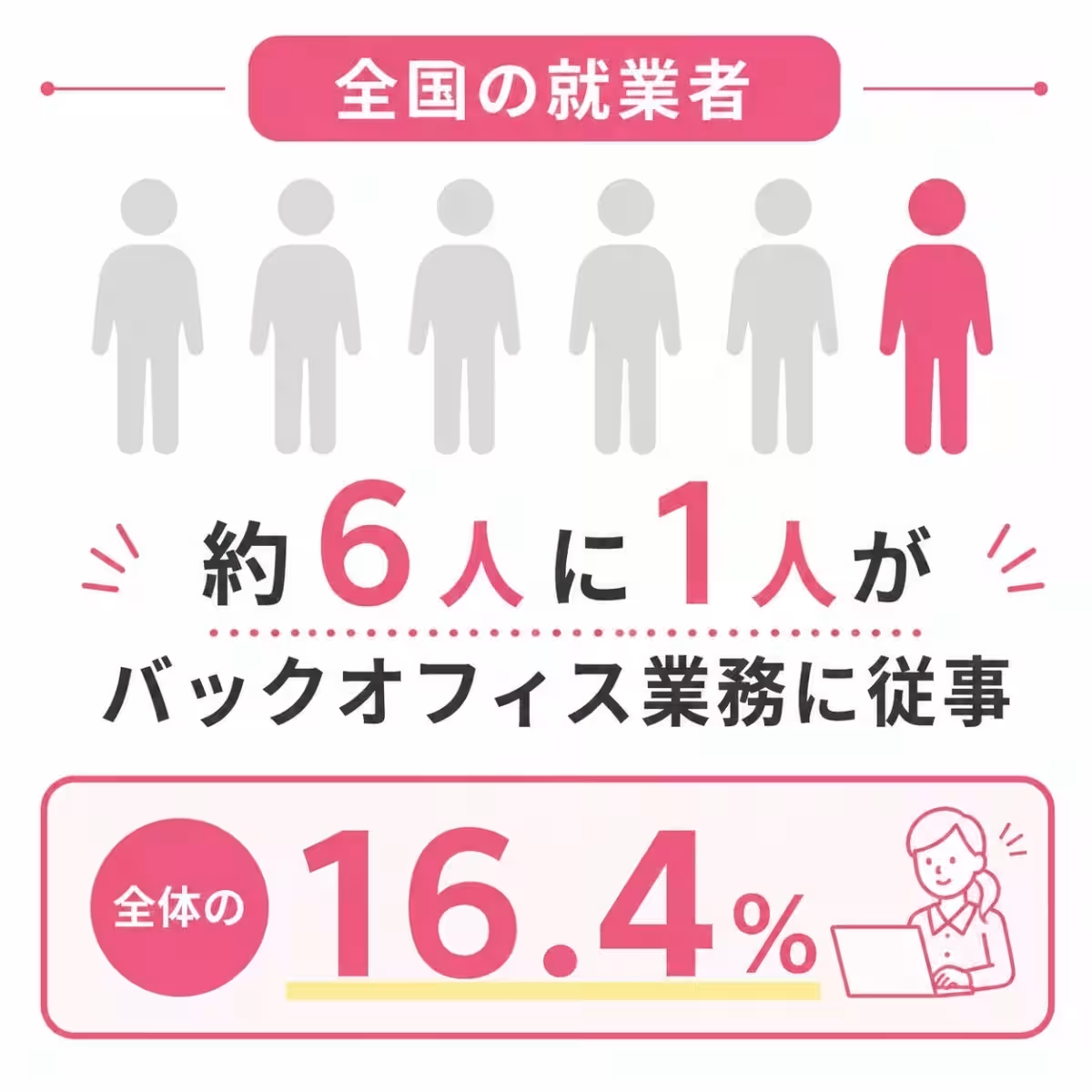
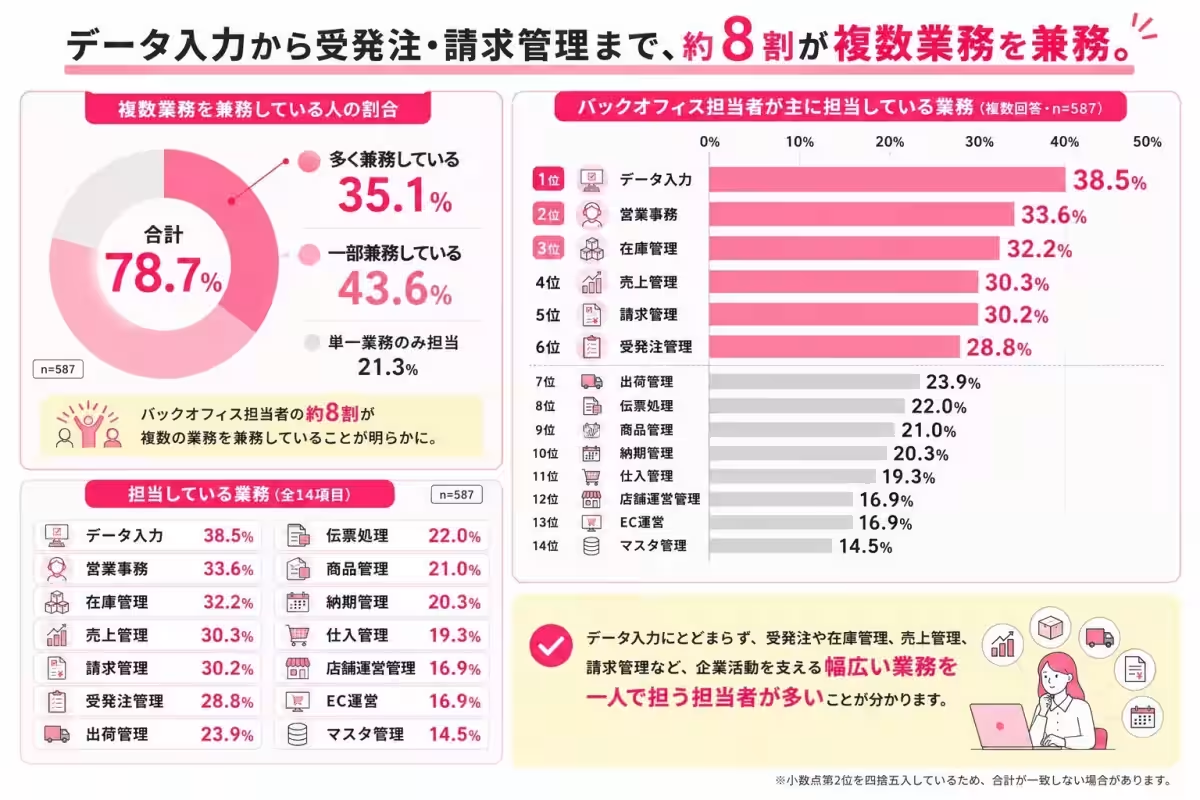
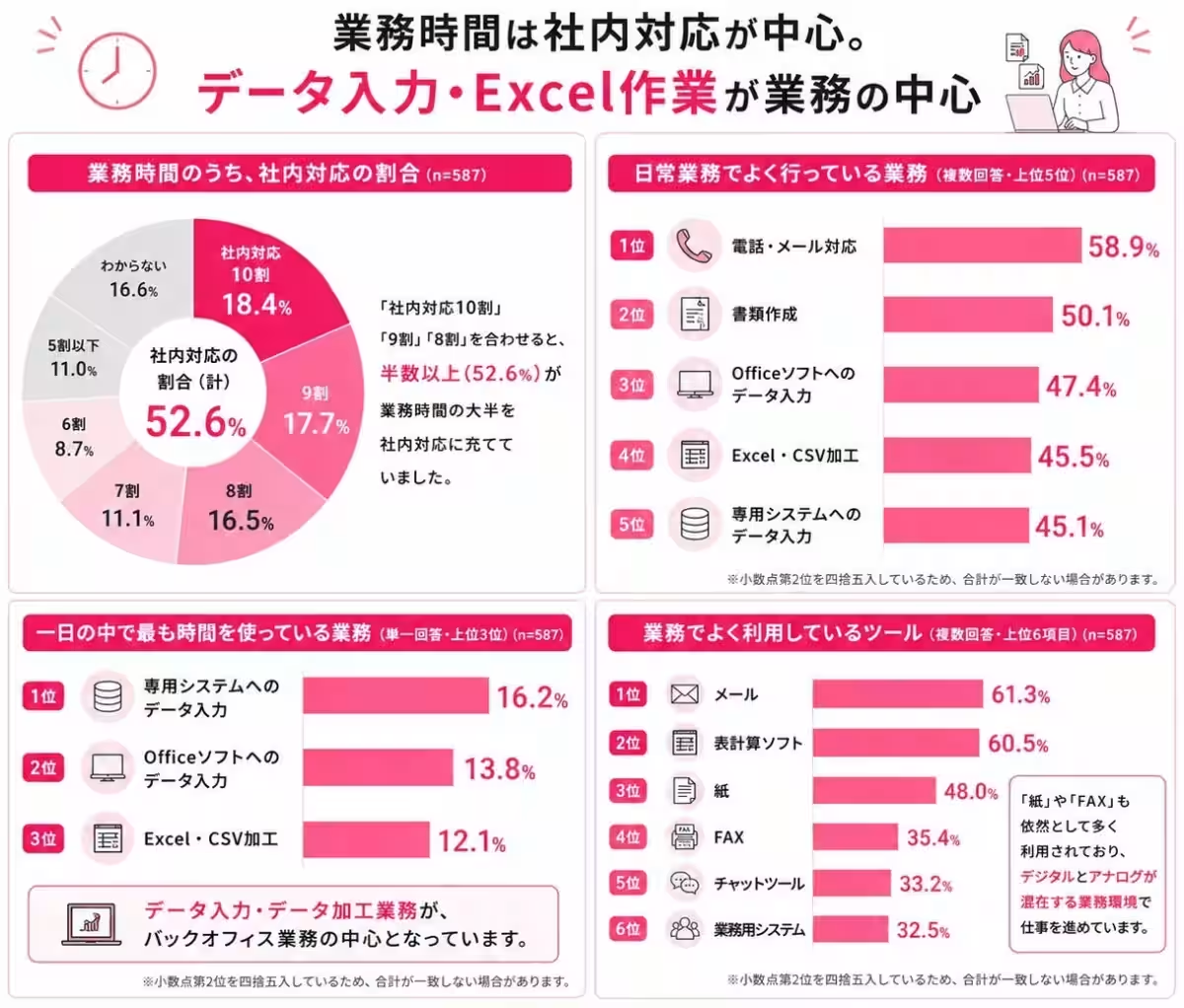
The survey's findings uncover that approximately 16.4% of Japan’s workforce, which corresponds to one in six employees, is engaged in some form of back office work. Furthermore, a remarkable 78.7% of these workers juggle multiple roles, indicating the demanding nature of these positions. More than half of the respondents reported that over 80% of their day-to-day activities are focused on internal matters, primarily communicating via phone and email, with a concerning reliance on traditional methods like paper and fax still prevalent among 48% and 35.4% of respondents respectively.
Challenges and Risks
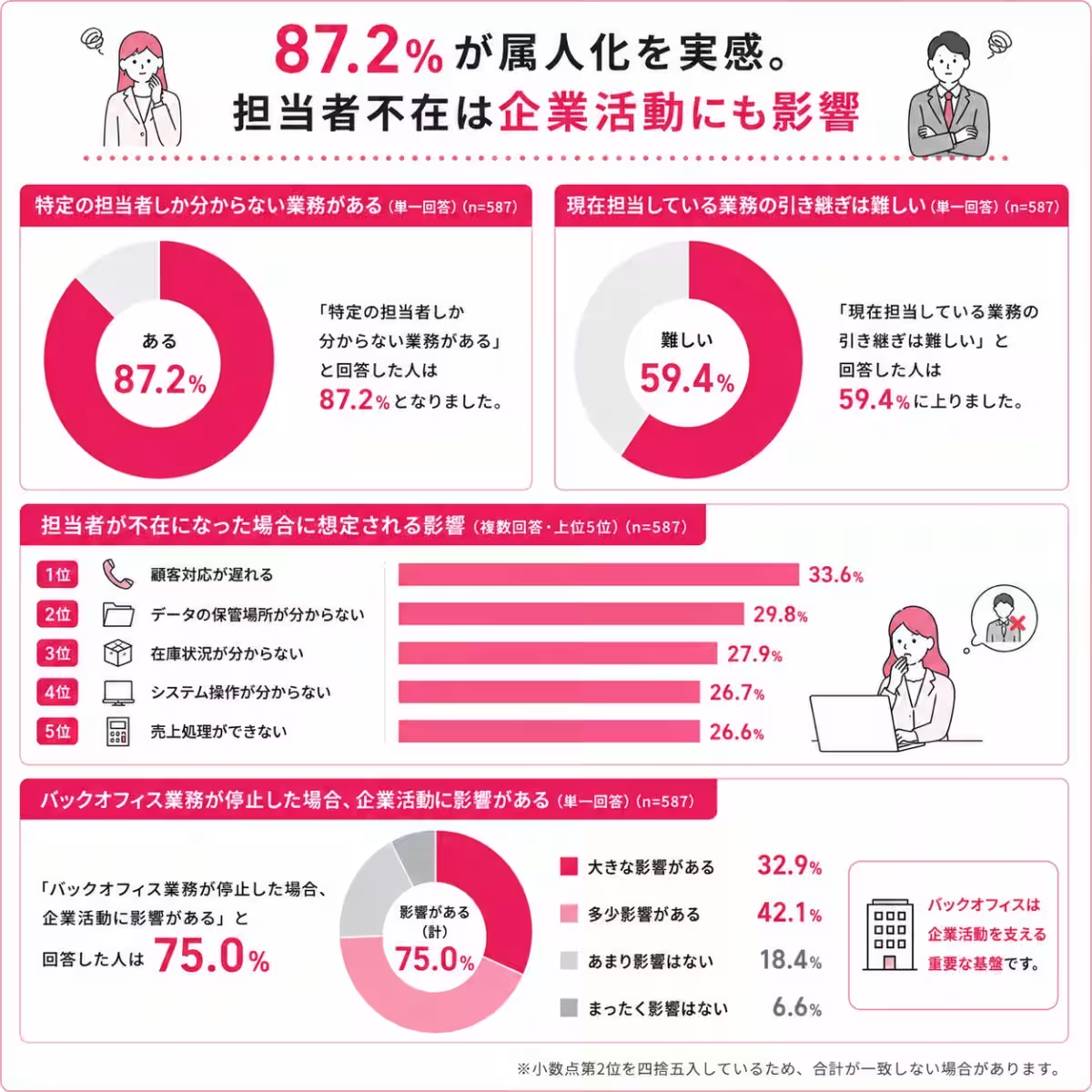
Despite the critical role back office staff play, the operational risks associated with task dependency are alarming. An overwhelming 87.2% of survey participants indicated that their jobs have become overly dependent on specific staff members. This dependency poses significant threats to operational continuity; 75% of respondents acknowledged that their company's activities would be adversely affected if key personnel were absent due to delays in customer service or data accessibility issues.
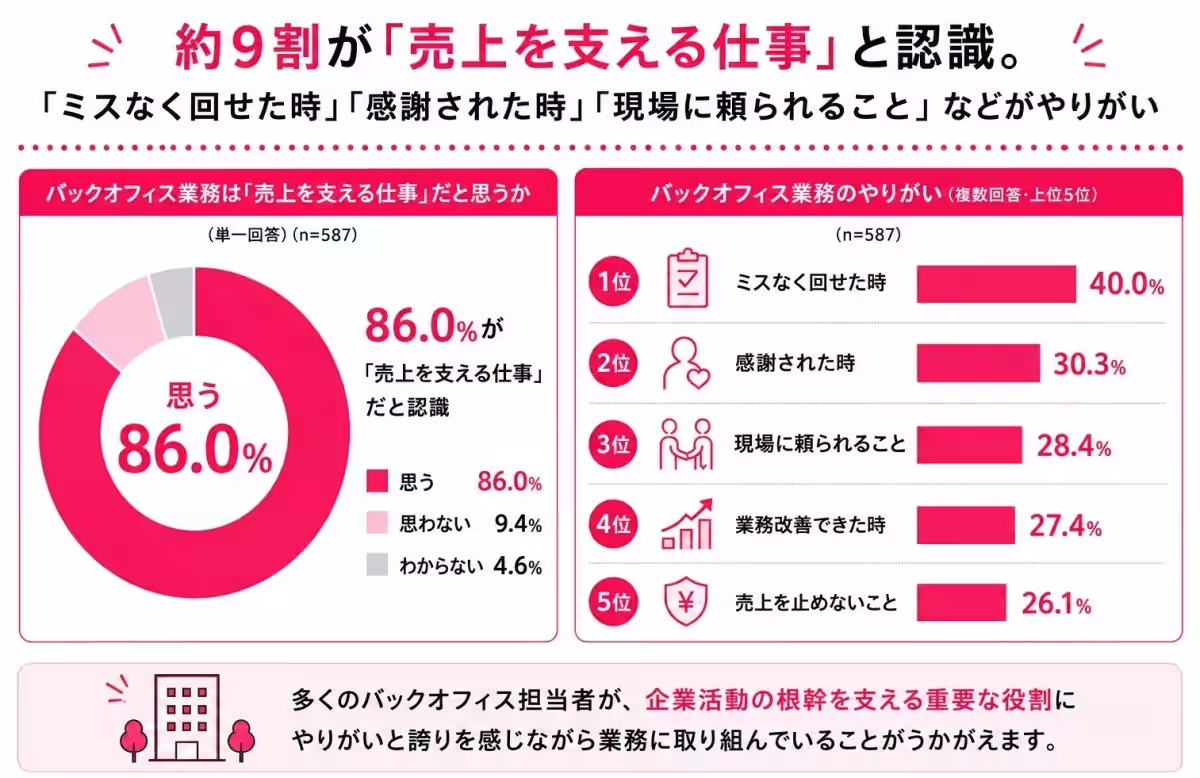
The survey reveals that many back office employees feel a heavy responsibility as they recognize their roles as pivotal in supporting the company's revenue. Approximately 86% identify their work as essential for driving sales, highlighting a sense of pride among these employees for contributing to their organization’s success.
A Glimpse into Back Office Functionality
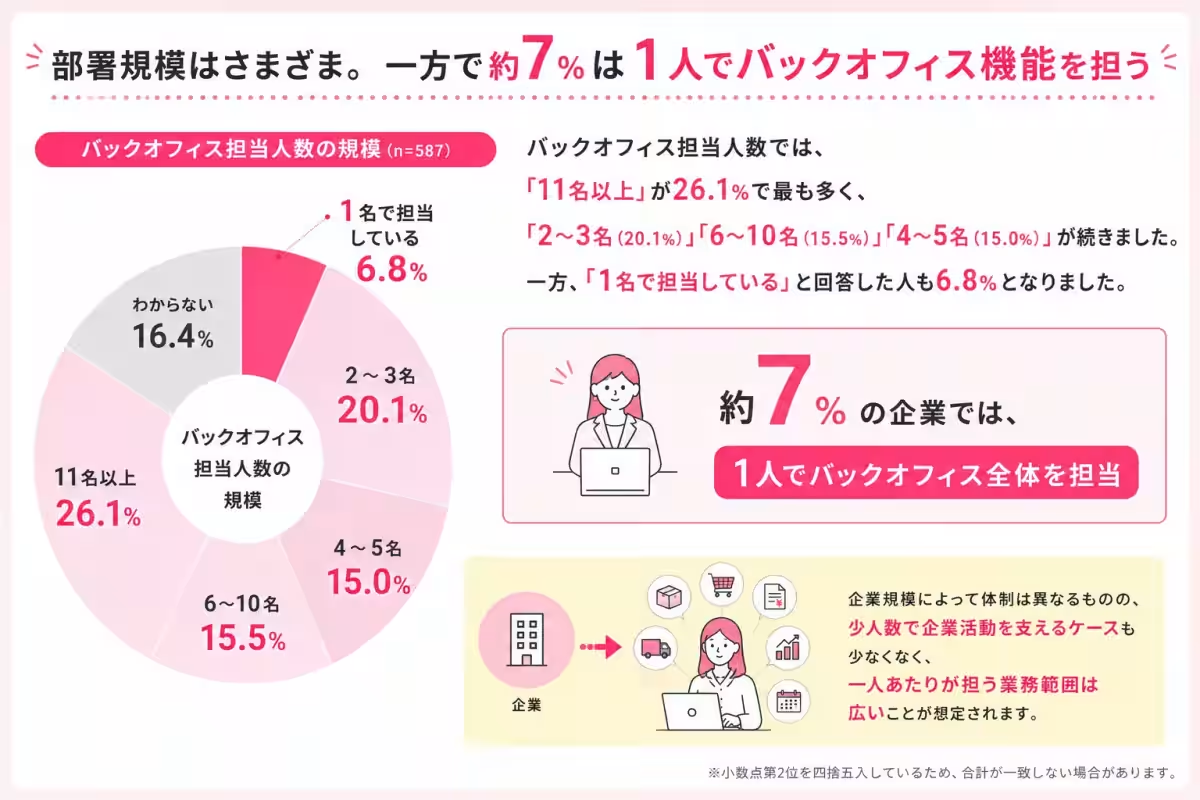
Back office operations encompass diverse tasks that include data entry, sales management, and order handling. This breadth of responsibilities means that many employees are required to be versatile, managing multiple areas effectively. As companies continue to navigate operational complexities, the demand on back office staff to handle a mix of duties becomes apparent. The survey shows that approximately 7% of respondents reported working alone in back office roles, while others manage teams, illustrating the varying scales and capacities of these operations.
The Importance of Technological Integration
As the data indicates a pressing need for improved systems, organizations must consider integrating technology to alleviate the pressures faced by back office personnel. With numerous workers acknowledging the challenges of maintaining seamless operations under constrained conditions, companies are urged to explore consulting with experts and adopting contemporary solutions. This strategy may assist in tackling issues like staff dependency and operational bottlenecks that frequently arise.
Conclusion
Overall, the insights from this survey provide a crucial perspective on the often-underappreciated roles that back office personnel play in sustaining business activities. Their contributions, while behind the scenes, are integral to the overall success of organizations in Japan. As ILL continues to support workforce efforts through innovative systems, there is hope that recognizing the critical nature of these roles will facilitate a broader understanding and appreciation of back office functions within corporate strategies. By shedding light on these challenges and promoting their importance, businesses can pave the way for operational reform and enhance the value of each back office employee’s role in driving company success.

Topics Business Technology)

【About Using Articles】
You can freely use the title and article content by linking to the page where the article is posted.
※ Images cannot be used.
【About Links】
Links are free to use.