



Understanding Why People Write Reviews: Insights Into Consumer Behavior and Customer Support
Why Do People Write Reviews?
Introduction
In today's online shopping landscape, consumers can easily purchase a vast array of products from the comfort of their homes. With this convenience comes the necessity to rely on external evaluations, particularly reviews and ratings from other buyers. A recent survey conducted by Rakus Co., Ltd. through their inquiry management system, Mail Dealer, explores the psychology of online shopping and the significant impact customer service has on consumer behavior. This article delves into the findings of the survey and discusses the complexities of consumer opinions in the digital marketplace.
The Importance of Reviews in Online Shopping
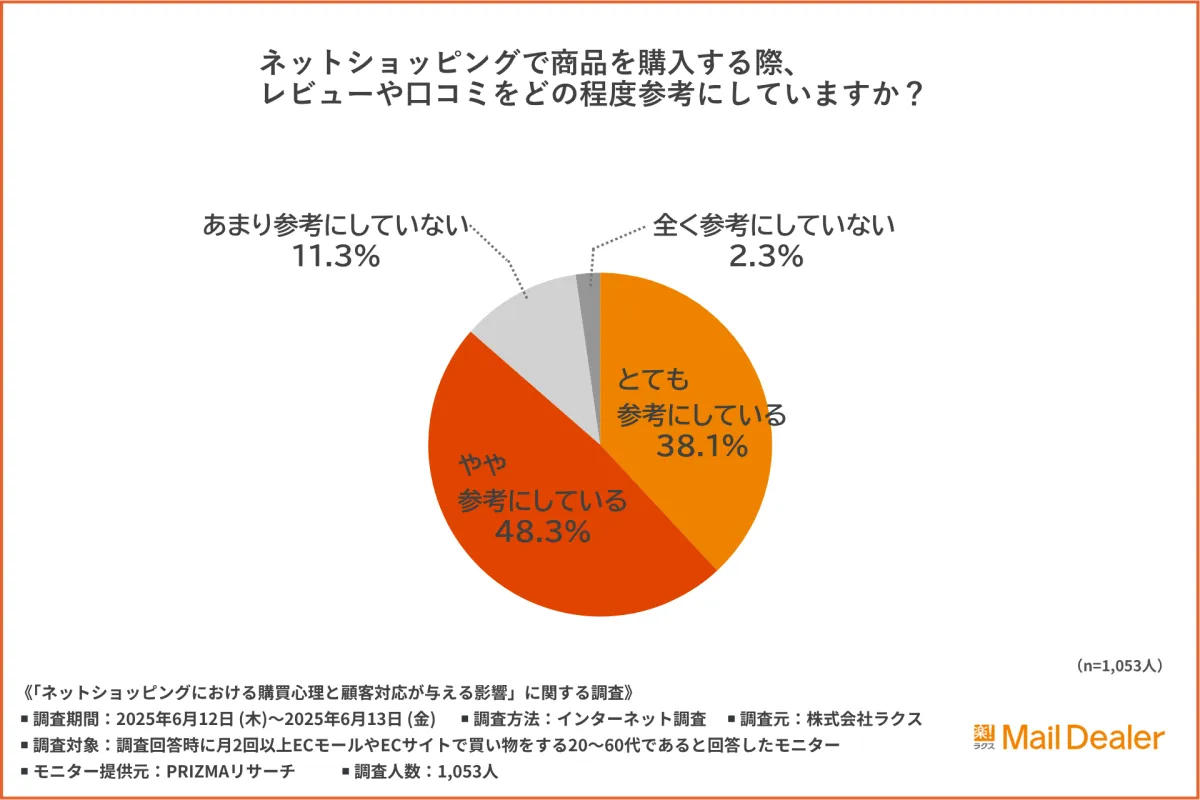
According to the survey, approximately 90% of respondents, aged between 20 to 60 years who shop online at least twice a month, indicated that they reference reviews and testimonials when making purchasing decisions. Specifically, 38.1% stated they find reviews "very helpful" while 48.3% deemed them "somewhat helpful." This suggests that reviews serve as a critical tool for comparison and decision-making in the online shopping environment.
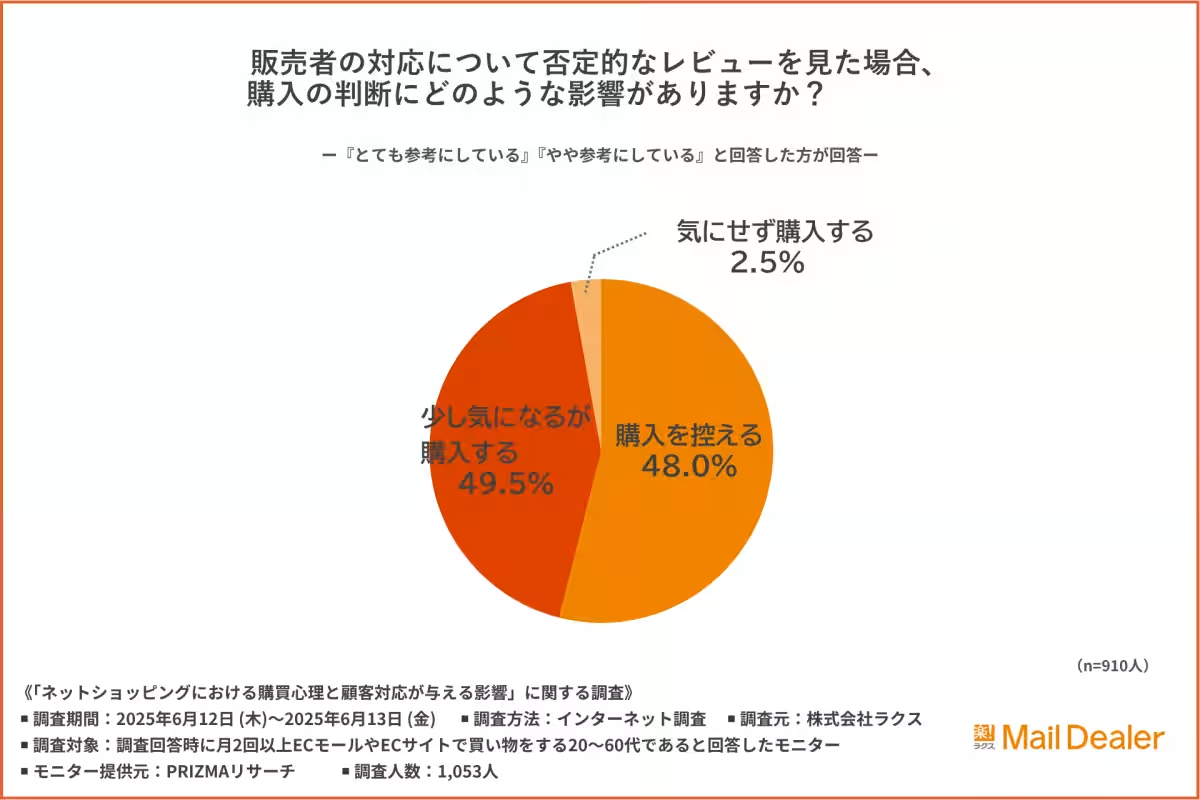
Interestingly, negative reviews hold significant sway over purchasing choices. Nearly half of the participants stated that seeing unfavorable comments from customers makes them reconsider their purchase, revealing the powerful influence of customer feedback on sales.
Consumer Experience with Reviews
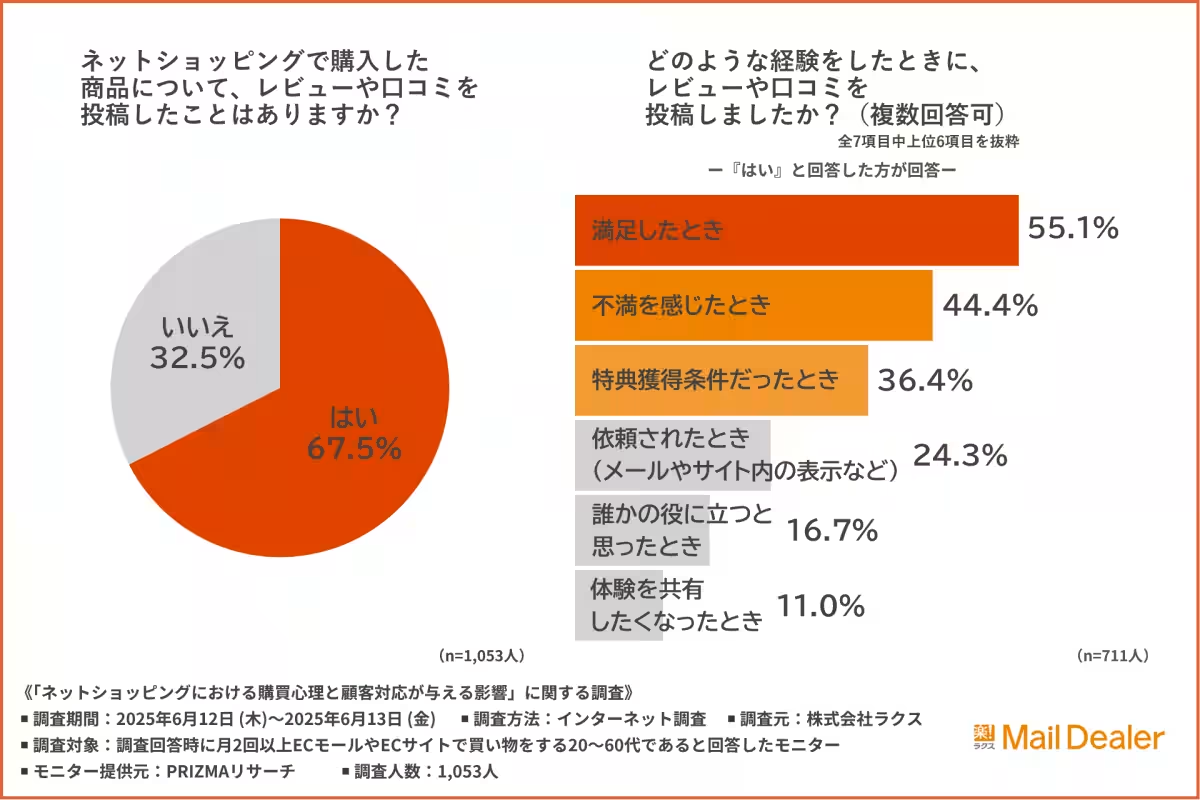
When asked if they had previously shared their own product experiences through reviews or ratings, about 67.5% of respondents affirmed their participation. This indicates that writing reviews has become a common practice influenced by emotional responses. The survey found that satisfaction and dissatisfaction are the main drivers for review postings, with 55.1% posting after positive experiences and 44.4% after negative ones.
Addressing Discontent: The Role of Customer Support
Delving deeper into the reasons behind negative reviews, consumers cited various issues including product functionality (47.2%), quality expectations (44.9%), and service-related dissatisfaction from queries (a significant contributing factor). The survey uncovered that complaints regarding slow or poor customer service were also commonly mentioned reasons for negative feedback.
Here are some specific grievances voiced by shoppers:
- - "When I had an issue, the response I received was insufficient."
- - "I was frustrated after being redirected too many times when asking about size exchanges."
- - "The communication was not smooth, leading to prolonged problems."
- - "Despite following the standard inquiry procedures, waiting for days with no feedback was frustrating."
These shared experiences underscore how vital prompt and respectful customer support is to consumer satisfaction and brand loyalty.
Perceived Value of Customer Support in Online Shopping
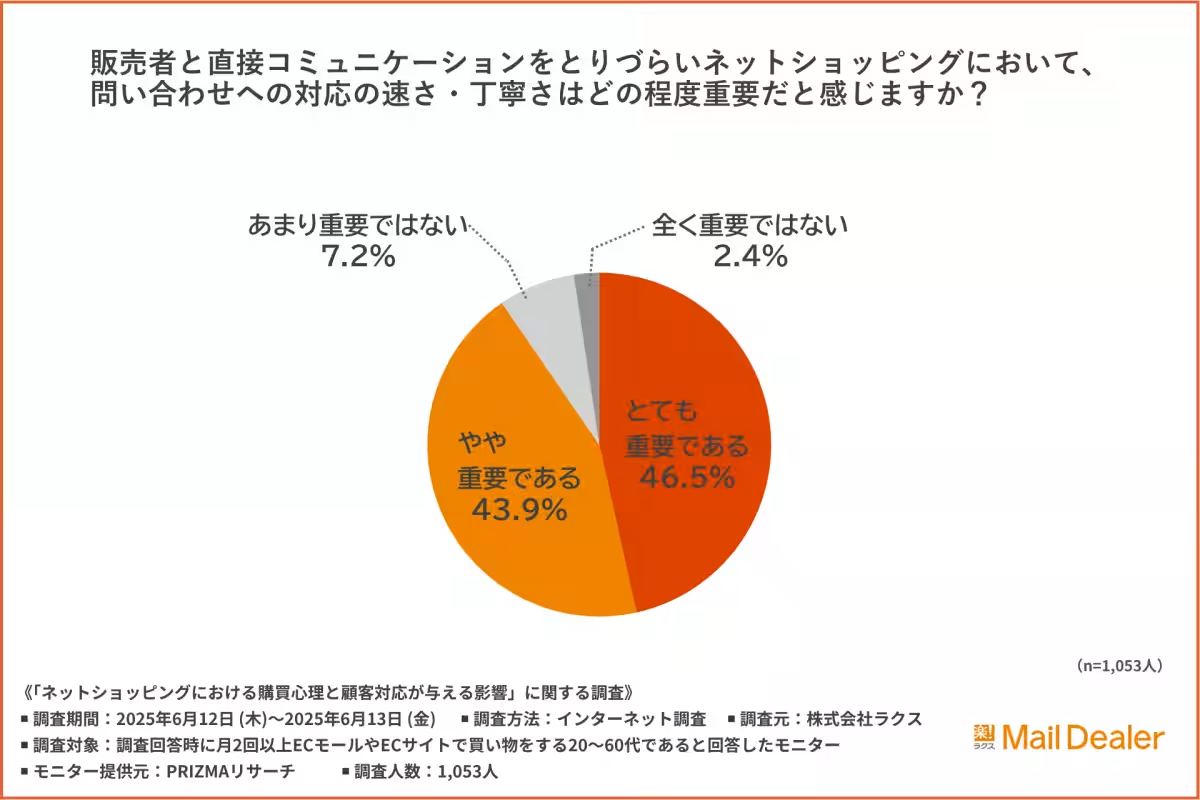
A crucial aspect of the survey addressed how consumers perceive the importance of customer service in an online setting. Roughly 90% of respondents conveyed that the speed and quality of customer service responses are significantly important. The lack of face-to-face interaction in e-commerce amplifies the necessity for effective communication, making it a cornerstone of customer trust.
Conclusion: Emphasizing Support Quality in Online Shopping
The findings from Rakus Co., Ltd. shed light on the evolving relationship between consumer behavior, review impact, and customer support in the online shopping arena. With the data revealing that an overwhelming majority relies on reviews and is heavily influenced by them, it becomes clear that businesses must pay attention to both product quality and customer service.
Notably, negative feedback concerning customer service can deter nearly half of consumers from making purchases, highlighting their considerable impact on buying behavior. Furthermore, emotional triggers, such as satisfaction and dissatisfaction, are essential motivators for individuals to share their experiences.
As the importance of quality customer engagement grows, it's evident that today's consumers equate the overall shopping experience with both product and service interactions. Retailers must prioritize not only the assurance of quality products but also the excellence of customer service in the ever-competitive online market.
This study reminds us that in the digital shopping realm, consumer trust hinges on the responsiveness and efficiency of customer support, which is key to driving sales and fostering brand loyalty.


Topics Consumer Products & Retail)






【About Using Articles】
You can freely use the title and article content by linking to the page where the article is posted.
※ Images cannot be used.
【About Links】
Links are free to use.