



Majority of Parents Show Indifference to Their Children’s Academic Path Choices in STEM or Humanities
Survey Reveals Indifference among Parents on Children’s Academic Path Selection
A recent survey conducted by LUXGO, a Tokyo-based company, indicates that over 70% of parents of elementary and middle school students express no preferences regarding their children's choices between STEM (Science, Technology, Engineering, Mathematics) and Humanities. This research, titled "Understanding Parental Awareness about Children’s Path Choices in a Digital Society," was aimed at shedding light on the evolving educational landscape and the effect of the new university entrance exams on these young students and their guardians.
Background of the Survey
The context for this study stems from significant changes in Japan's university entrance examinations. Starting from January 2026, the second iteration of the general university entrance exam, called “Information I,” will be introduced, placing greater emphasis on practical programming skills and advanced data processing abilities. Reports indicate that the level of difficulty has increased significantly, which has not only implications for students currently preparing for their exams but also for parents of younger students facing similar choices in the near future.
In the past, it was commonly believed that choosing Humanities allowed students to avoid subjects like mathematics and IT, but this has changed. Today, there's a growing necessity for "information literacy" in both streams. Many parents, however, did not specialize in these subjects during their own education, which may contribute to their feelings of uncertainty and concern regarding their children's academic futures.
Key Findings from the Survey
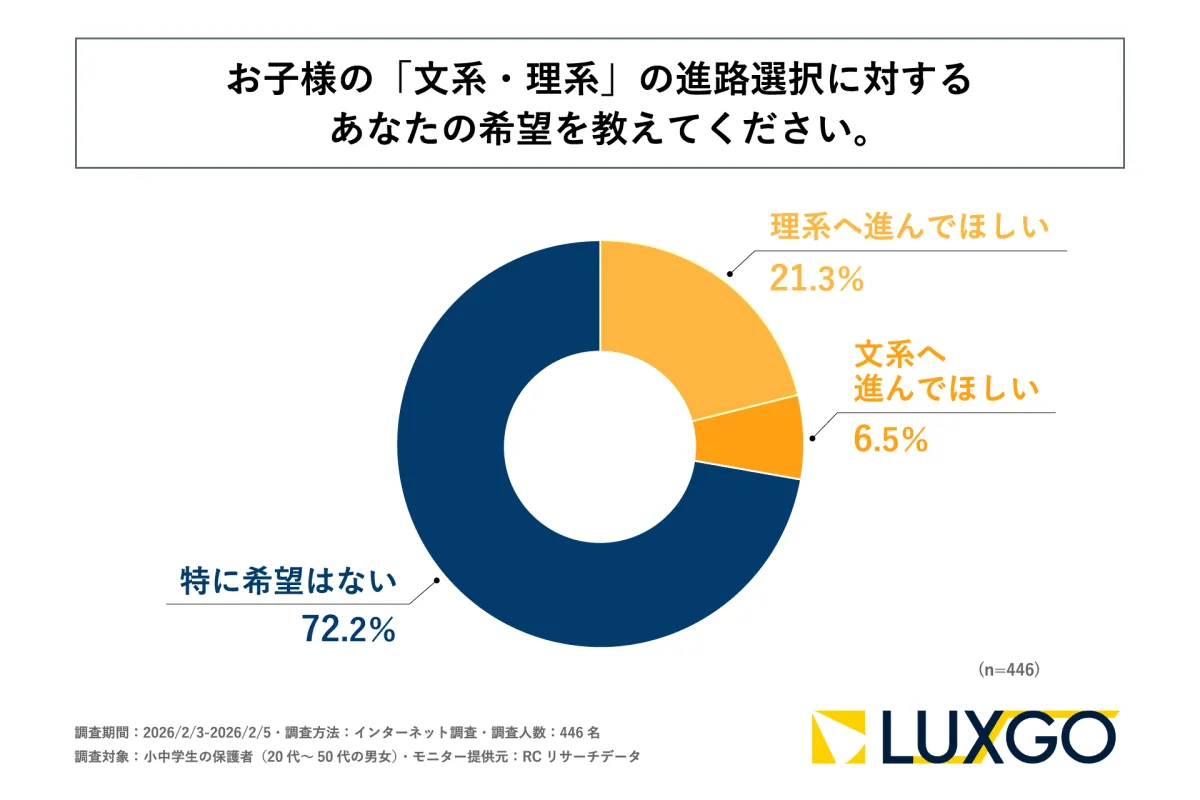
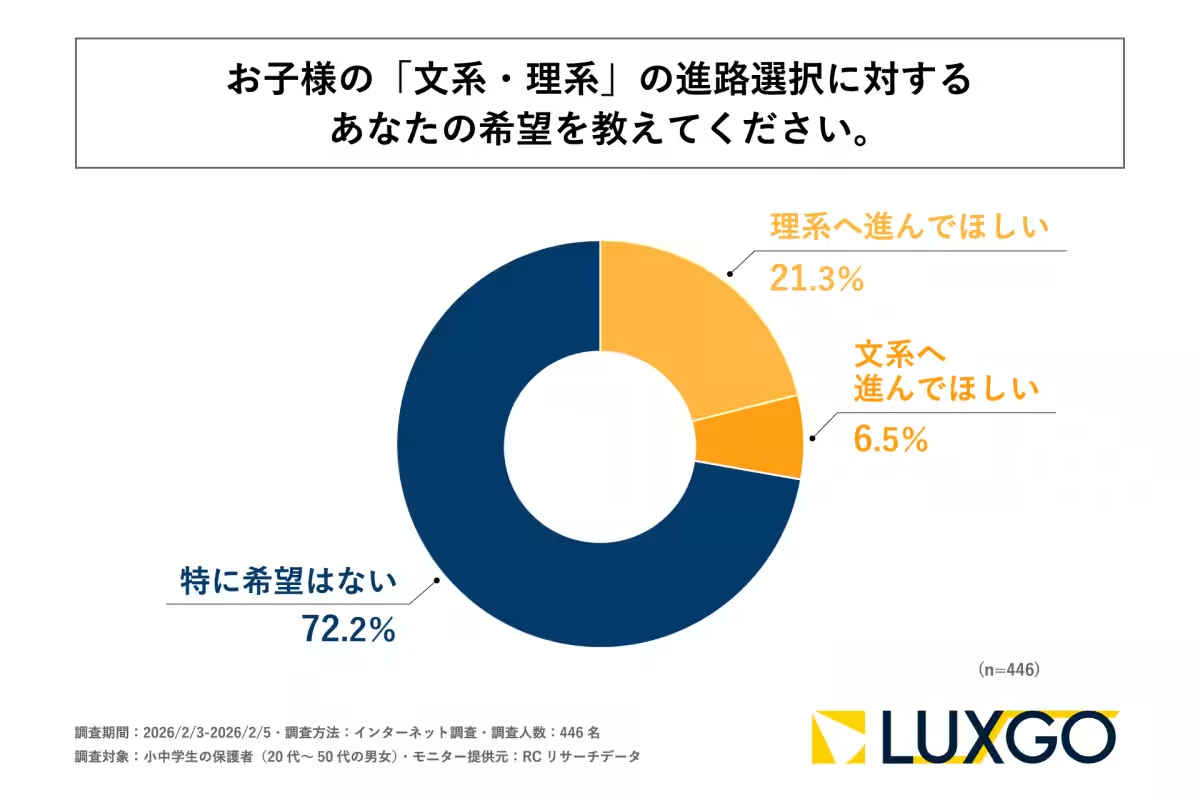
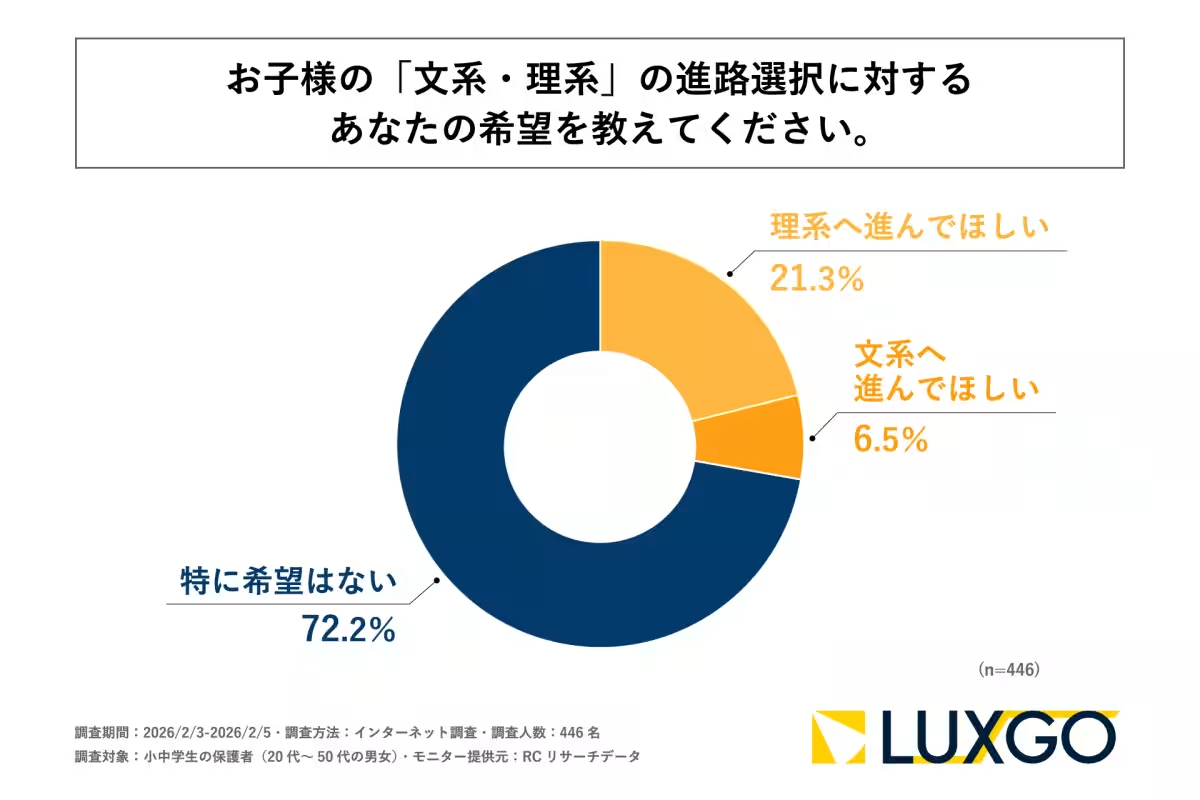
1. Indifference Towards Academic Tracks: The survey revealed that 72.2% of parents stated they had no specific preferences for their children's advancement in either Humanities or Sciences, while only 21.3% hoped they would pursue a scientific path, and 6.5% preferred Humanities.
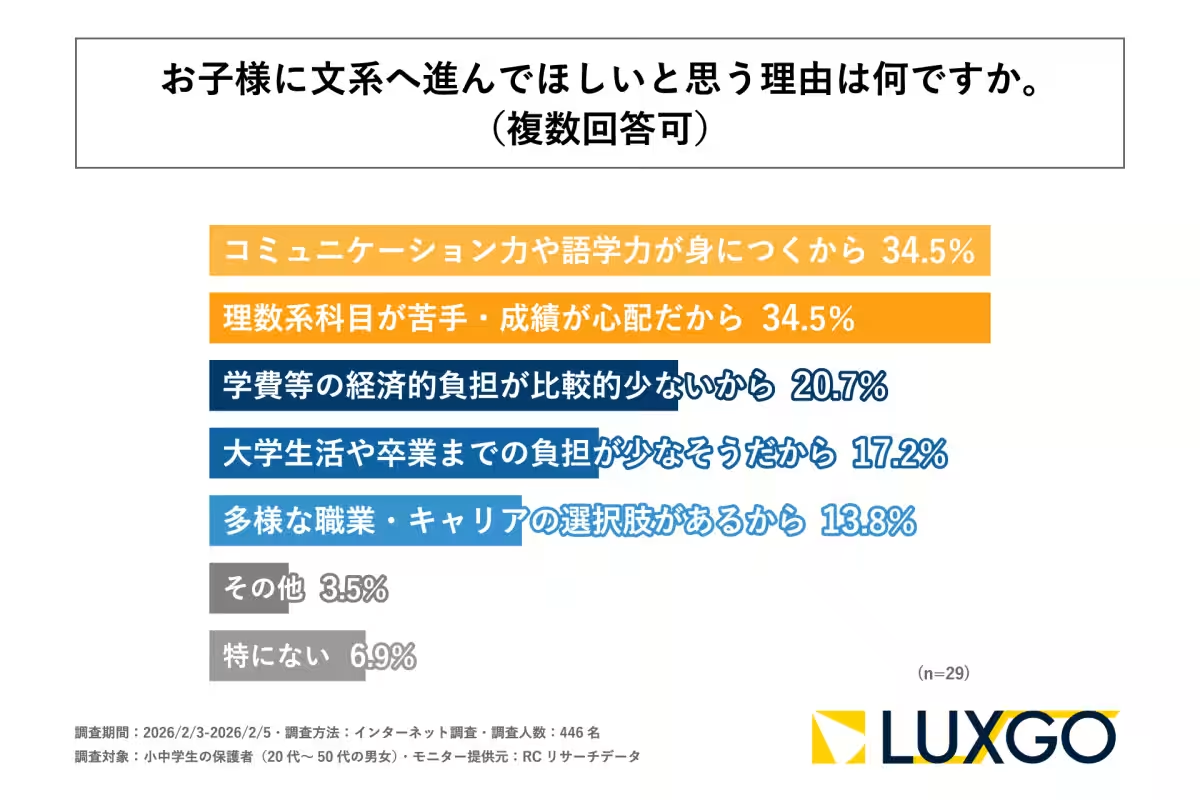
2. Reasons for Advocating Humanities: Among parents who support their children pursuing Humanities, the top reasons cited include enhancing communication and language skills (34.5%) and concerns about their children's struggles with mathematics and science subjects (34.5%). Additionally, economic factors were mentioned, with 20.7% stating lower costs for pursuing Humanities.
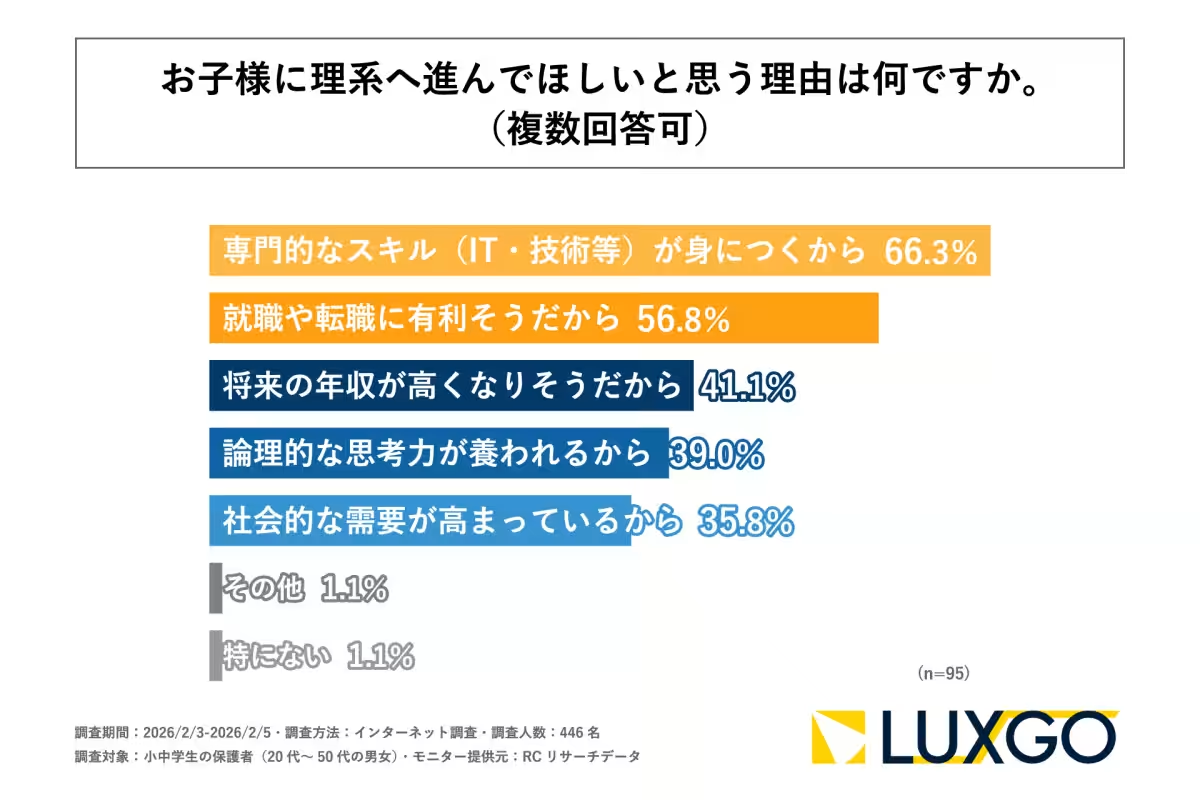
3. Reasons for Advocating Sciences: In contrast, those favoring a scientific pathway mainly cited the acquisition of specialized skills (66.3%) and perceived advantages in job prospects (56.8%). Furthermore, 41.1% of parents believed that a scientific background could lead to higher future salaries.
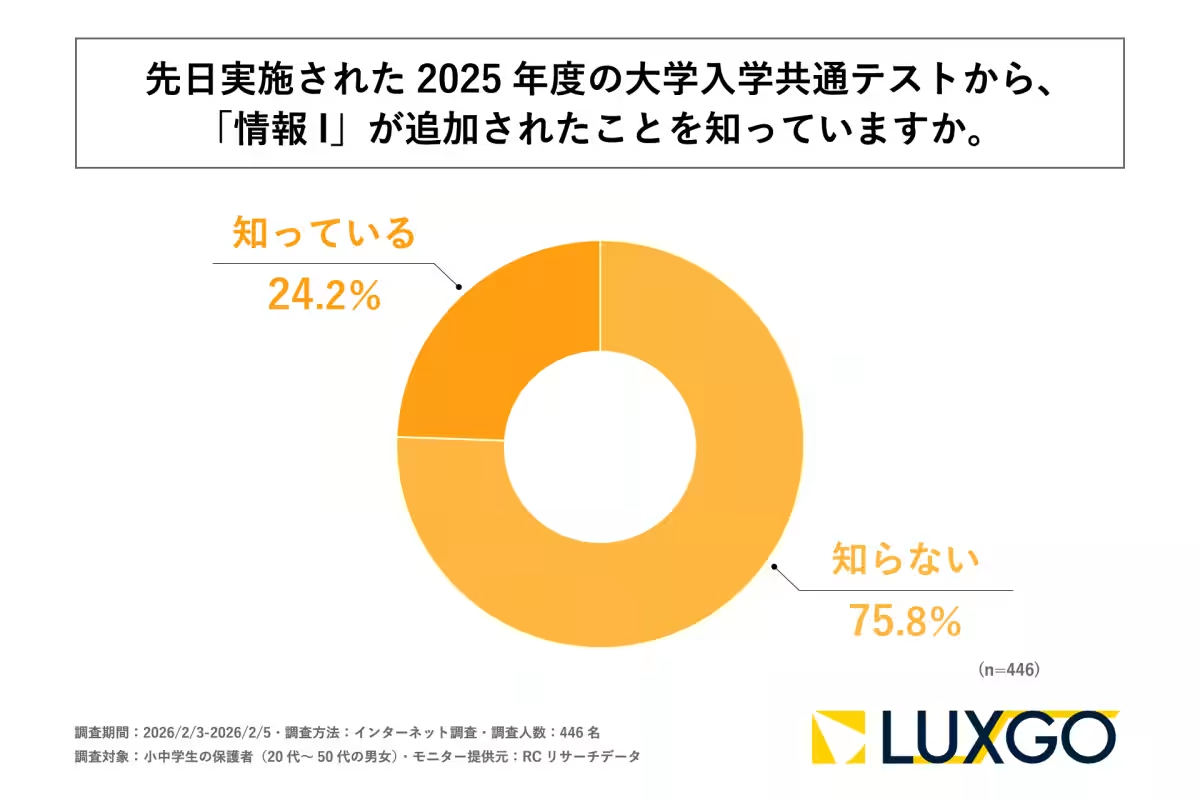
4. Lack of Awareness Regarding Information I: Over 75% of parents were unaware that “Information I” would be a part of the 2025 entrance exams, illustrating a significant gap in knowledge that may further exacerbate the challenges they face.
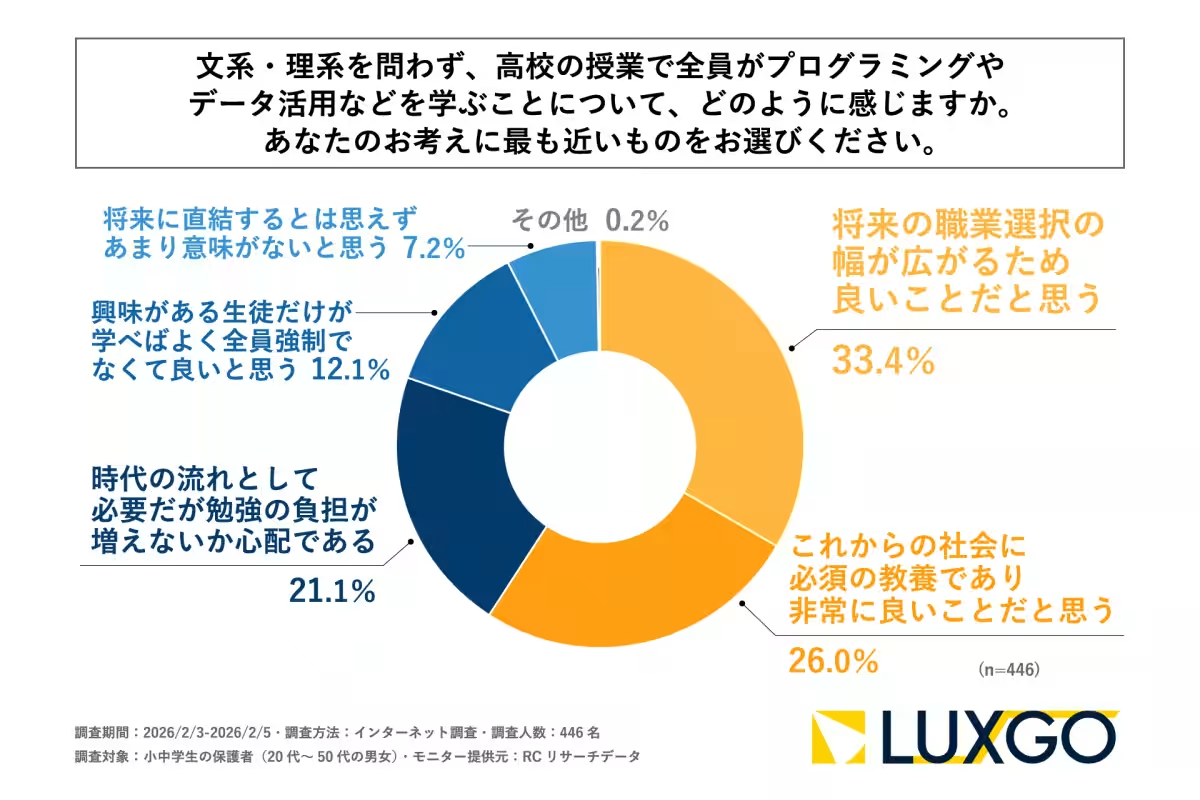
5. Support for Programming Education: Interestingly, more than one-third of parents believe that incorporating programming and data utilization into high school curricula—regardless of the academic stream—would enhance career options for students.
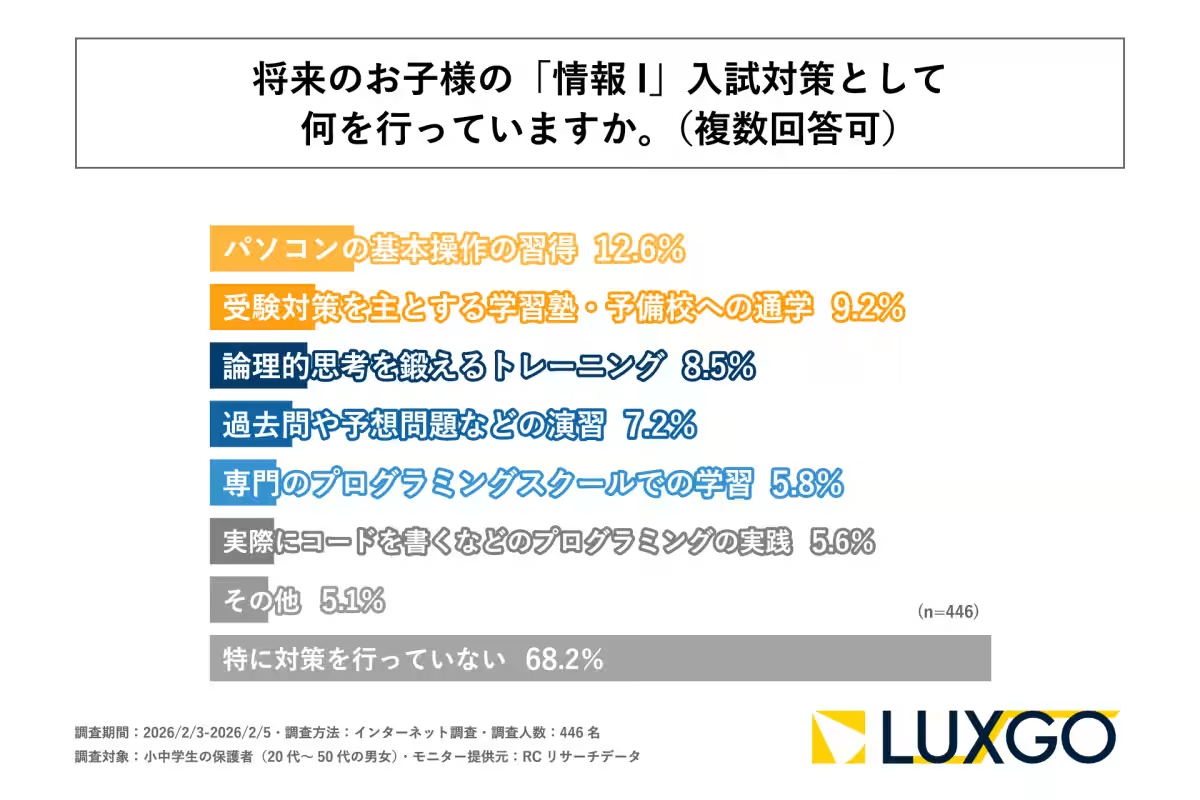
6. Insufficient Preparation for Information I: Despite acknowledging the importance of information literacy, almost 68% of parents reported they were not actively preparing their children for the “Information I” exam, a concerning trend that highlights a gap in readiness for future academic challenges.
Conclusion
This survey underscores a troubling trend where most parents are disconnected from their children's crucial academic decisions regarding majors in Humanities or STEM fields. The results also reveal a critical lack of awareness surrounding the newly implemented “Information I” exam scheduled for 2025. Furthermore, while many parents recognize the benefits of coding and data skills, a majority are not making concrete preparations for their children's future in these areas.
To address these challenges, LUXGO’s "Kids Programming Lab, Akihabara Classroom" aims to provide an engaging environment for children to develop essential programming and logical thinking skills at an early age. Through a curriculum designed to foster creativity and ease of progression, this initiative is dedicated to equipping future generations with the necessary competencies for their academic and career pursuits. Moreover, it addresses the gaps highlighted by the survey, empowering students to be proactive about their futures.
About LUXGO
LUXGO Co., Ltd., located in Tokyo's Taito Ward, operates the "Kids Programming Lab, Akihabara Classroom," which features a tailored curriculum adaptable for beginners to advanced learners and emphasizes individualized instruction. Through practical programming challenges, we strive to nurture creativity and logical reasoning skills in a supportive environment. More information can be found here.

Topics Other)

【About Using Articles】
You can freely use the title and article content by linking to the page where the article is posted.
※ Images cannot be used.
【About Links】
Links are free to use.