



Understanding the Impact of Generative AI on Freelancer Evaluation and Recruitment Processes
The Changing Landscape of Freelancer Evaluation in the Age of Generative AI
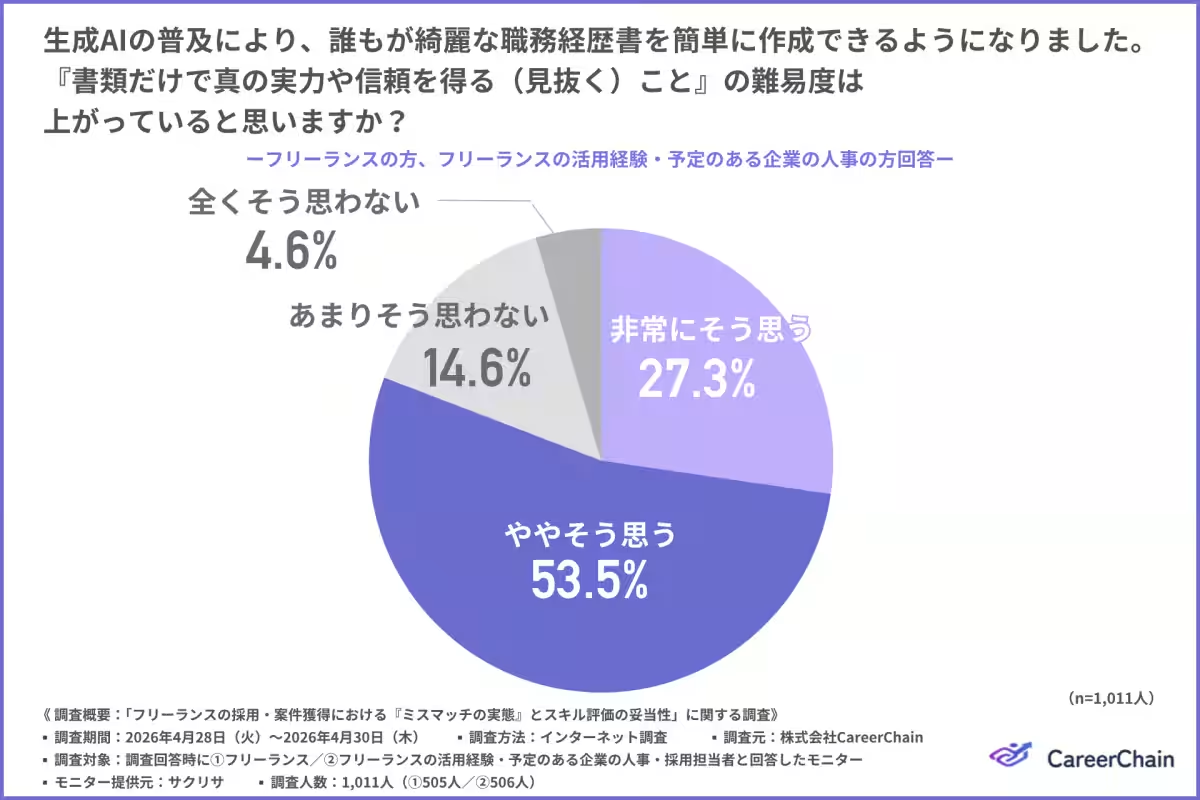
The emergence of generative AI has significantly transformed the recruitment process, especially for freelancers. A recent survey conducted by CareerChain highlights the challenges faced by both companies and freelancers in accurately assessing talent in this new environment. Approximately 80% of participants acknowledged that evaluating skills based solely on resumes has become increasingly difficult due to the influence of generative AI.
The Problem with AI-Generated Resumes
In recent years, many organizations have turned to freelancers to foster growth and agility. However, the diversification of work styles has led to a rise in issues such as skill mismatches and challenges in accurately evaluating candidates. Furthermore, the ease with which anyone can craft an impressive resume using generative AI tools raises questions about the authenticity of the information presented.
When participants were asked if they believed the ability to judge actual skills and trustworthiness from written documents has become more challenging due to generative AI, around 80% responded affirmatively. This indicates that companies find it harder than ever to assess the true abilities and credibility of candidates based solely on their resumes or skill sheets. Conversely, freelancers also struggle to objectively convey their achievements and strengths when the barrier to producing a polished resume is lowered for everyone.
Freelancers Express Concerns Over Differentiation
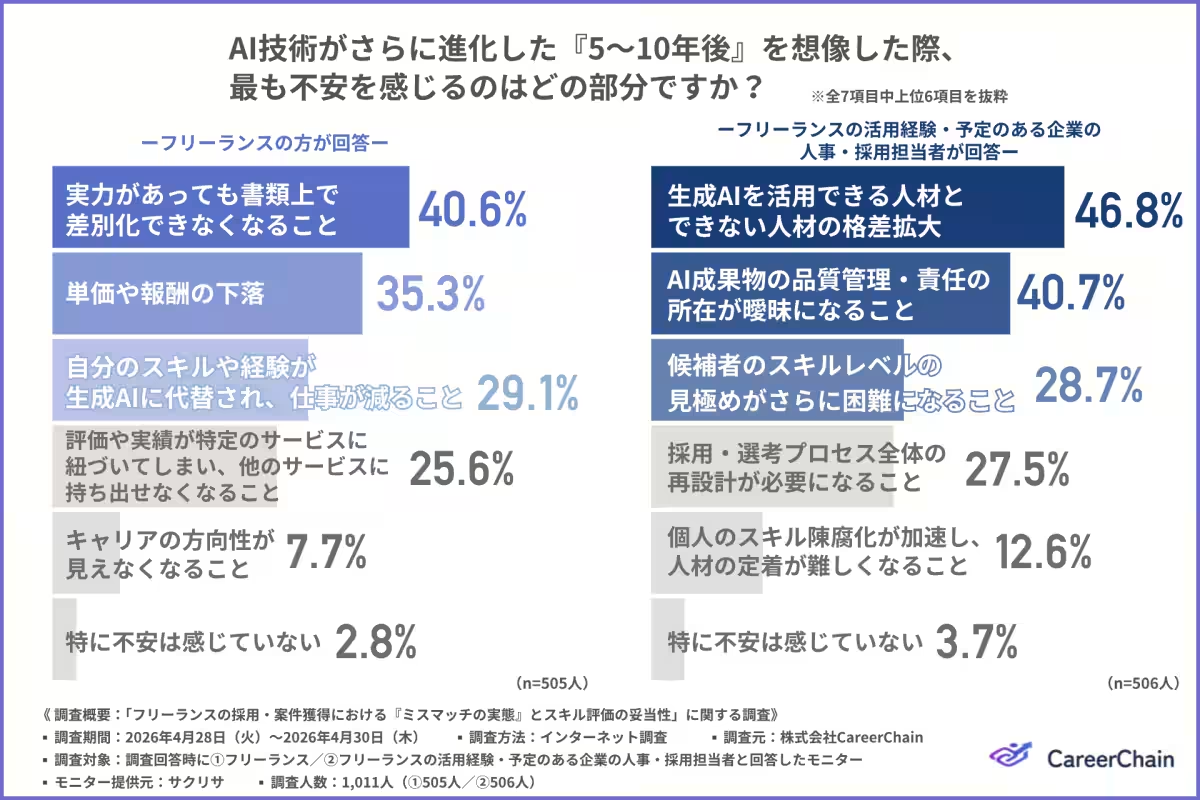
In exploring the concerns of freelancers, 40.6% reported worry about their ability to stand out with their qualifications despite possessing real skills. Other significant concerns included the potential decline in rates or fees (35.3%) and the risk of their skills being replaced by generative AI (29.1%). This suggests that freelancers are not only anxious about job displacement by AI but also about losing the recognition they deserve for their capabilities and contributions.
From the company side, HR professionals indicate an awareness of the disparity between individuals proficient in AI tools and those who are not. The survey participants expressed worries regarding the increasing difficulty of evaluating candidates’ true skill levels and the ambiguity in quality management of AI-generated outputs. Roughly 28.7% acknowledged the added challenge of discerning prospective talent’s qualifications due to the AI revolution.
Shifting Expectations for Freelancers
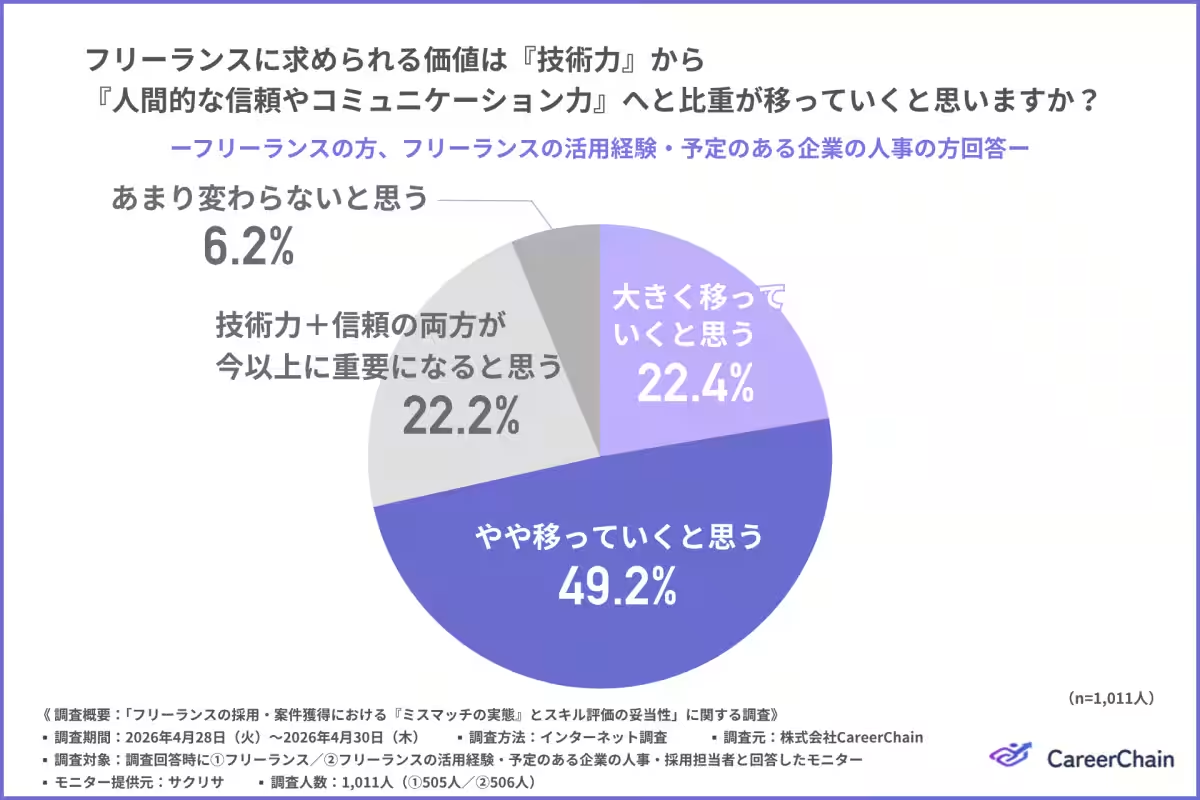
As this landscape evolves, the qualities expected of freelancers appear to be shifting from technical skills alone to a greater emphasis on trust, communication, and personal engagement. Nearly 70% of respondents believe that the weight of these human attributes will significantly increase in the evaluation of freelancers in the wake of generative AI’s rise. As a result, while technical skills remain essential, interpersonal qualities are projected to become equally, if not more, important.
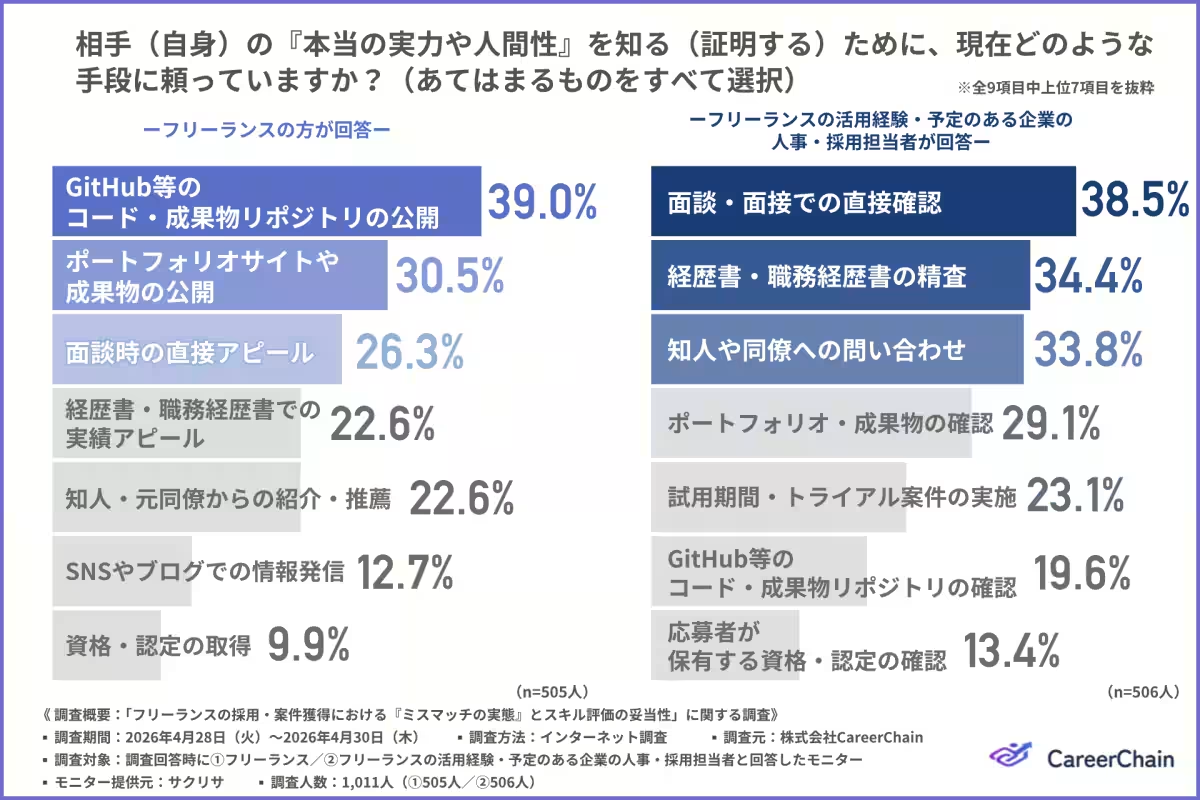
In terms of conveying their true skills and character, freelancers currently rely on a variety of methods. The most common approach (39.0%) is showcasing repositories of their work on platforms like GitHub, followed closely by portfolios and direct communication during interviews. This strategy not only allows freelancers to present their capabilities tangibly but also emphasizes the importance of face-to-face interactions where they can share their work ethos and personality effectively.
On the other hand, companies are also adapting their evaluation techniques. Personnel responsible for recruiting freelancers commonly utilize interviews (38.5%) and scrutinize resumes (34.4%) alongside reference checks (33.8%). This multi-faceted approach indicates a desire to go beyond conventional written records and to obtain a holistic understanding of a candidate’s competencies and character.
The Demand for a Robust Evaluation System
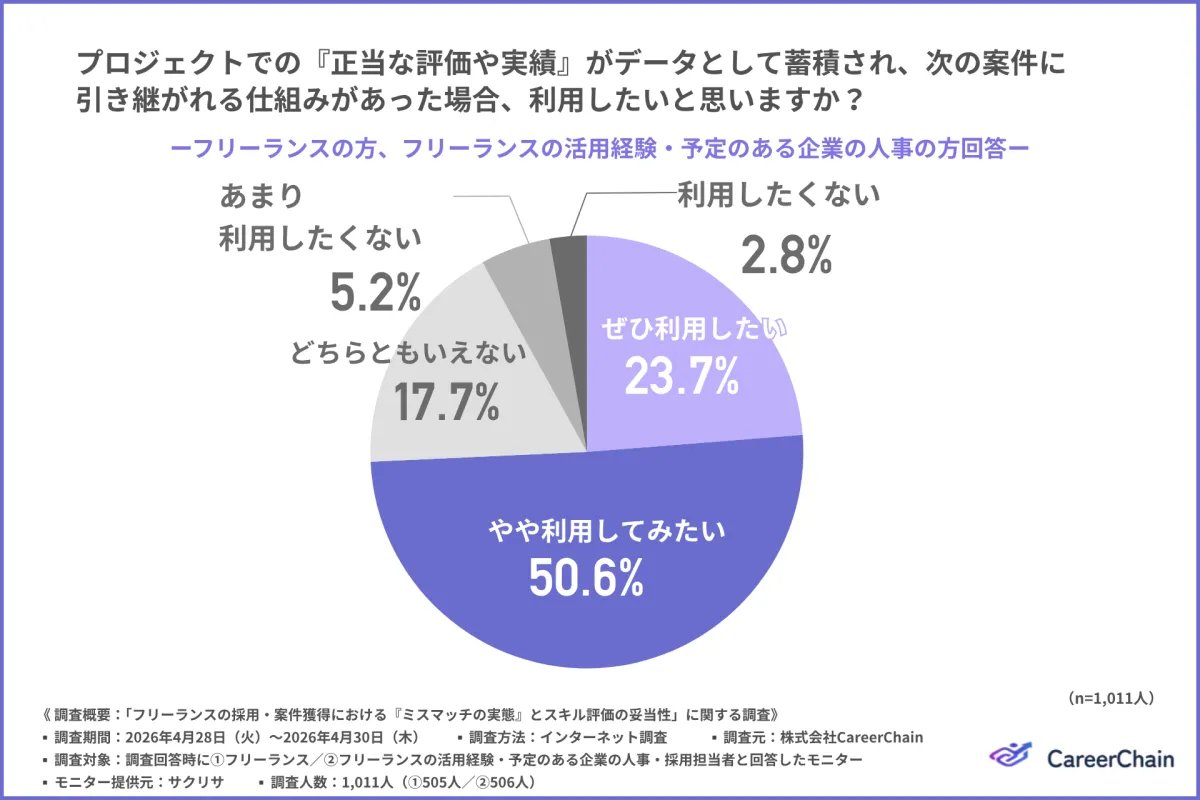
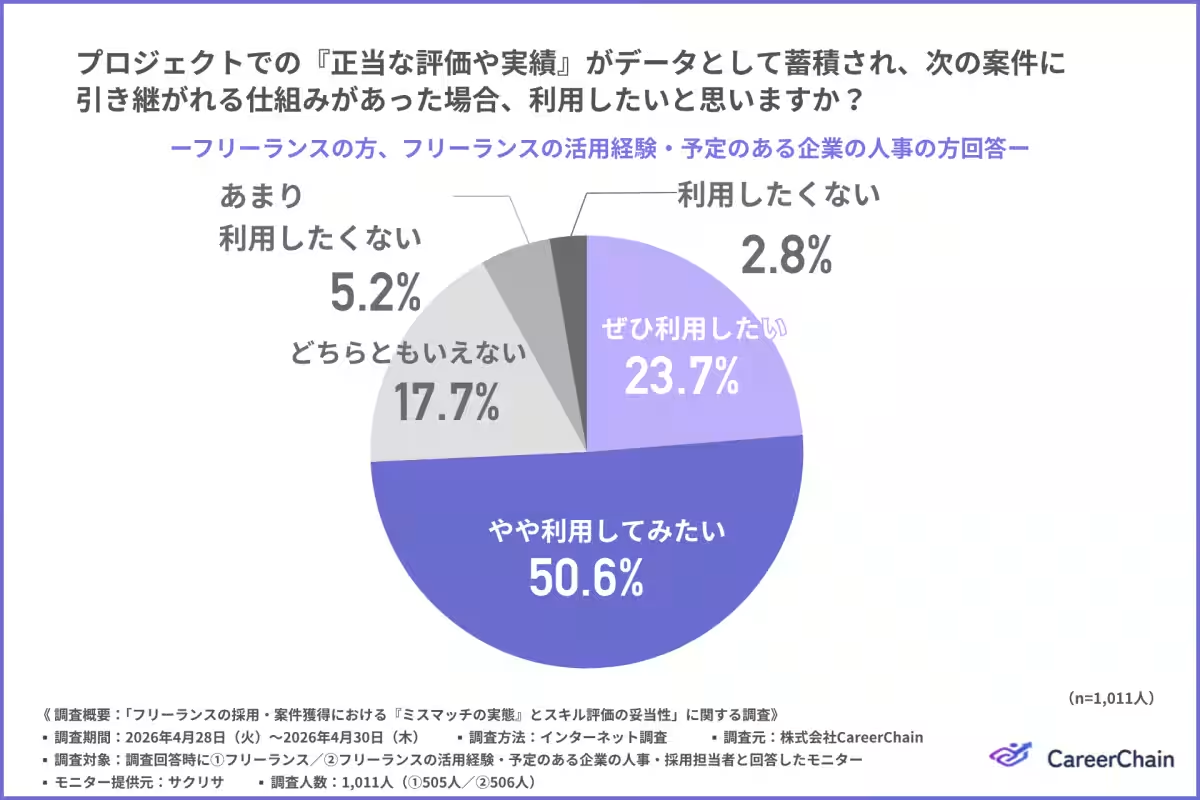
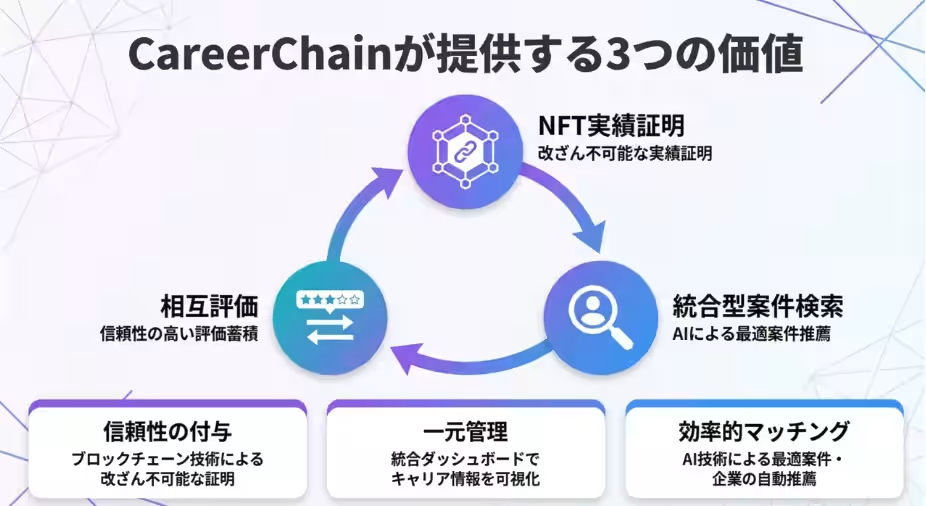
Amidst these revelations, the survey pointed to a notable interest in systems that could objectively compile and leverage evaluation data across projects. Almost 70% of respondents expressed a strong willingness to utilize a mechanism that captures fair assessments from projects to facilitate future opportunities. This illustrates a keen interest in moving beyond self-reported metrics to incorporate verified data on performance and outcomes, benefiting both freelancers and employers in their recruitment processes.
Conclusion: The Urgent Need for Visibility in Talent Evaluation
The survey paints a clear picture: both companies and freelancers are grappling with the complexities introduced by the proliferation of generative AI. While many freelancers are concerned about the challenges of standing out in a crowded marketplace, companies face simultaneous pressures concerning accurate talent assessment and management.
The shift towards valuing interpersonal qualities suggests that technical proficiency alone will not suffice moving forward; the qualitative aspects of human interaction will also be critical in shaping evaluations.
In navigating this new terrain, there is an evident need for systems that promote transparency and trust in the evaluation process. As the landscape continues to evolve, so too will the ways in which businesses and freelancers communicate and assess one another, underscoring the importance of having tools that provide reliable and verifiable performance data to support recruitment decisions. Journalist findings reiterate the necessity for a clear framework that facilitates both sides' need for accurate assessments and tangible trust.

Topics People & Culture)

【About Using Articles】
You can freely use the title and article content by linking to the page where the article is posted.
※ Images cannot be used.
【About Links】
Links are free to use.