



Black AI Wins at HUMANOID HACK TOKYO with Unique Collaboration Demonstration
Black AI Wins at HUMANOID HACK TOKYO
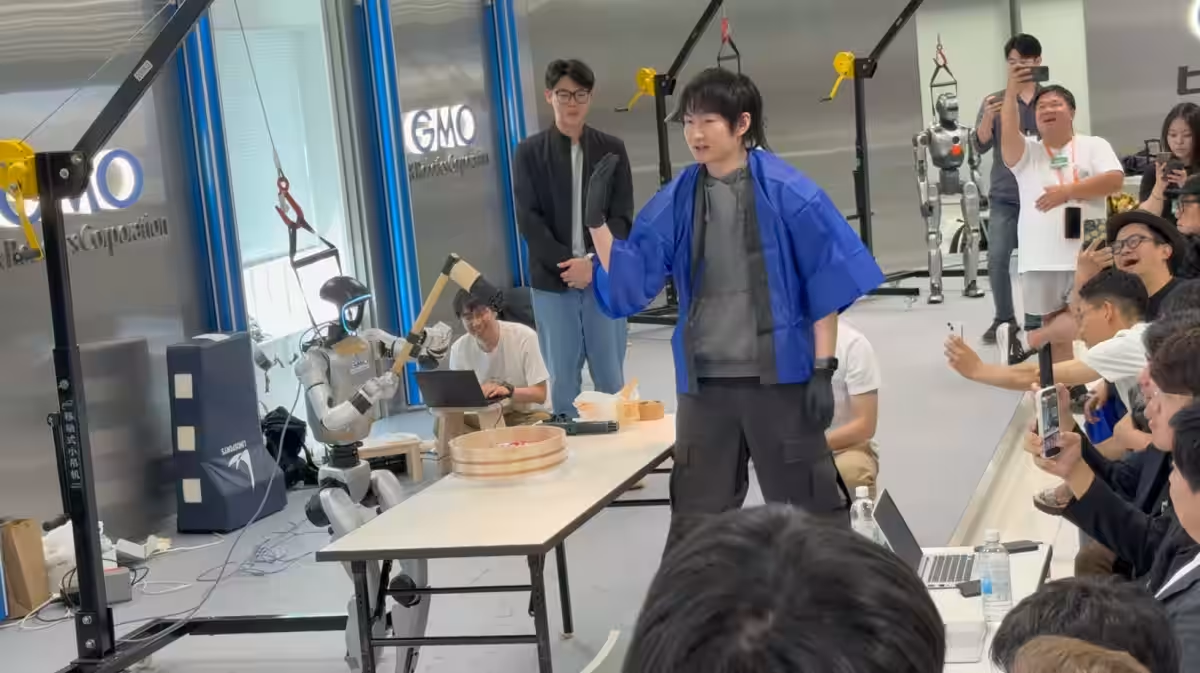
Black AI, based in Shibuya, Tokyo, proudly announced its victory at the Humanoid Hackathon "HUMANOID HACK TOKYO," held at GMO Humanoid Lab on May 30th and 31st, 2026. The company showcased an innovative demonstration that emphasized human-robot collaboration, using the traditional Japanese art of mochi-making as a focal point.
The Essence of Mochi-Making
Mochi-making is not just about creating a delicious treat; it’s an intricate dance of timing and precision that requires close coordination between the participants. In their winning demonstration, Black AI's human and humanoid robot synchronized their movements, showcasing how slight differences in timing could potentially lead to mishaps. This complex interaction highlights the importance of trust and mutual understanding, which are essential in ensuring safety during collaborative tasks between humans and robots.
Tackling Societal Challenges
The need for skill preservation is increasingly critical in Japan due to factors like an aging population and a dearth of successors. Traditional craftsmanship and artisanal skills are at risk of being lost. Instead of creating robots designed to replace human workers, Black AI focuses on developing robots that collaborate with humans and learn from them. This approach opens avenues for robots to inherit skills, paving the way for a future where human expertise is preserved and enhanced through technology.
A Standout Demonstration of Mochi-Making
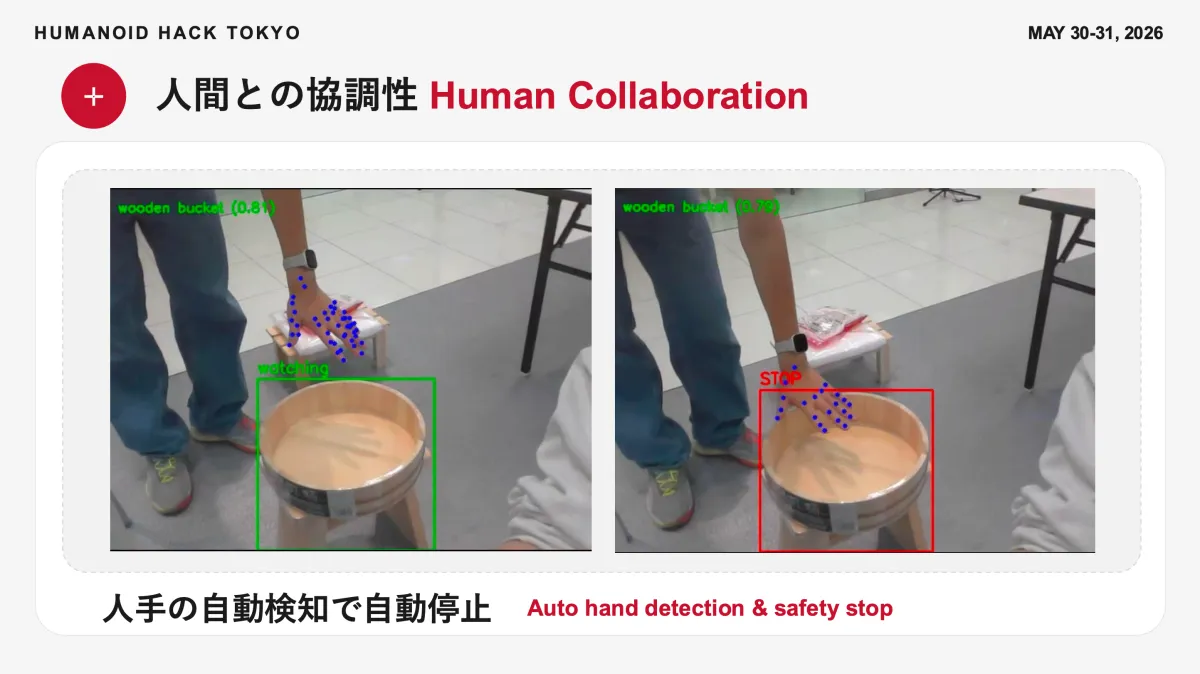
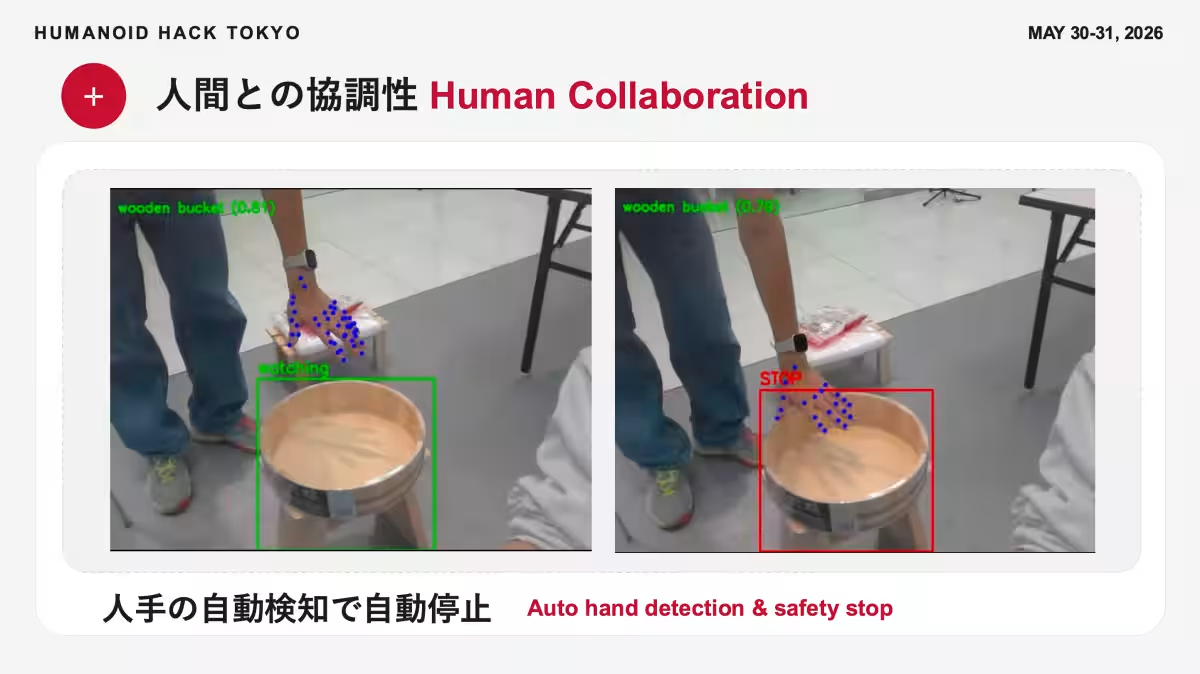
During the demonstration, a human performed the action of returning mochi in the mortar while the humanoid robot utilized its camera to monitor the position of the human's hands in real-time. The robot paused its motion when hands were in the bowl, resuming the hammering only after ensuring the area was clear. This innovative method represented a significant leap towards safe human-robot collaboration that emphasizes teamwork over mere automation.
Technical Innovation: A Breakthrough Workflow
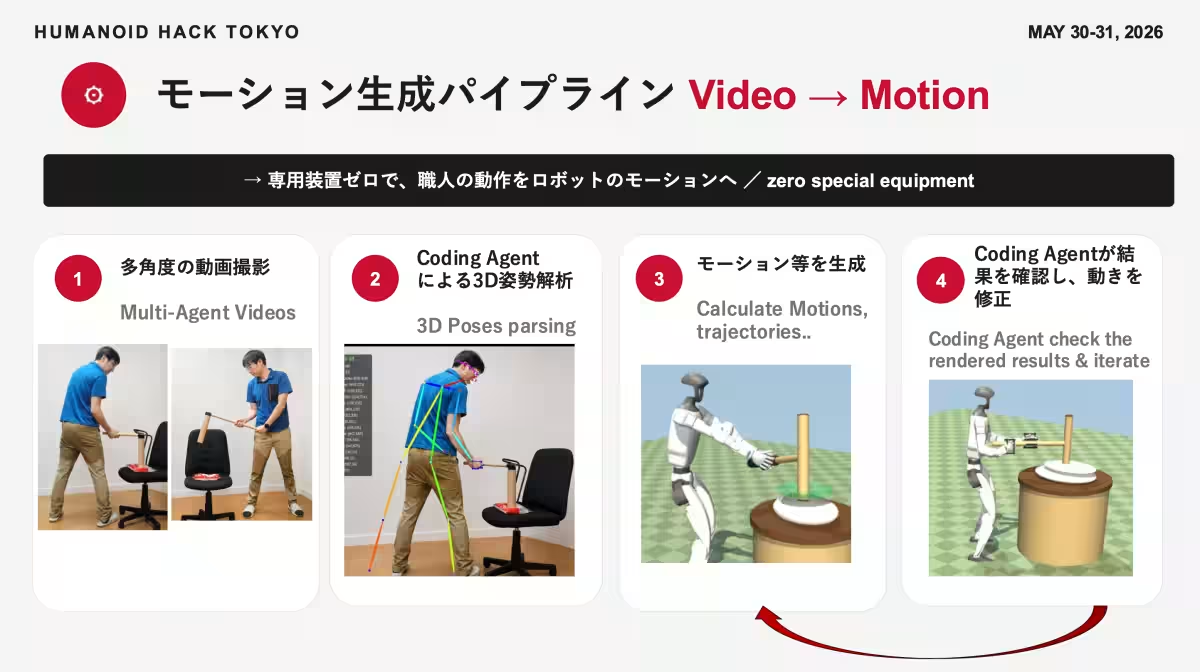
Mochi-making involves significant physical exertion and specialized equipment, making it a challenging task for traditional simulation or learning models. Black AI tackled this by creating a unique workflow:
1. No Dedicated Equipment Required: The process utilized a video-based motion generation pipeline. Videos captured from various angles were analyzed by a Coding Agent to recreate 3D robotic movements without reliance on motion capture technology.
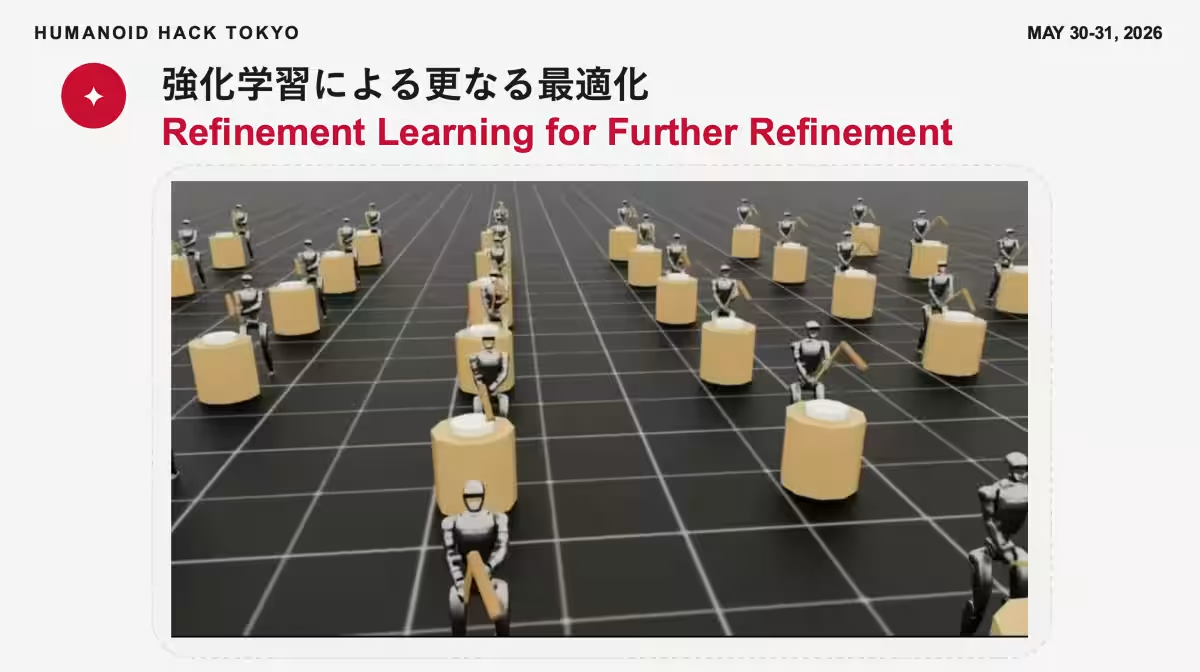
2. Optimization Through Reinforcement Learning: The generated motions were refined through simulations that enabled multiple robots to learn in parallel, fostering consistent and effective striking operations.
3. Robust Motion Execution: Through mastering various stances—standing, kneeling, and multiple striking angles—the robots were trained to conduct motions that involved significant force while maintaining stability and control.
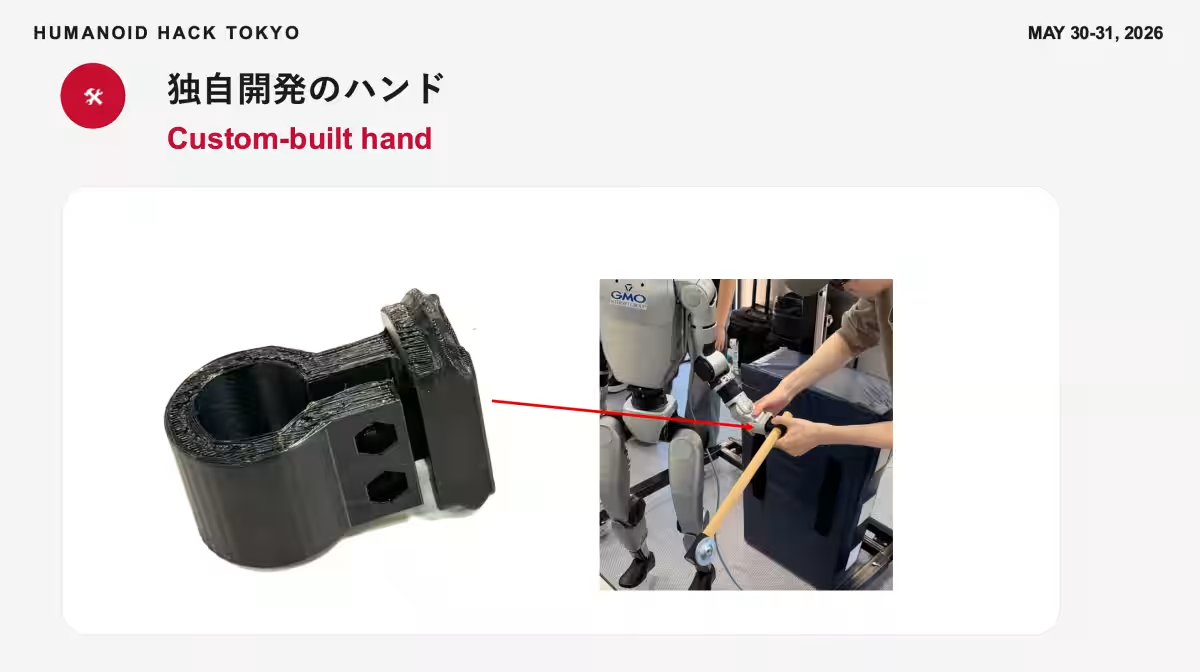
Additionally, Black AI developed a custom hand using 3D printing technology specifically designed to manipulate the unique pestle used in mochi-making.
About HUMANOID HACK TOKYO
The HUMANOID HACK TOKYO event was organized by Orboh, a leader in integrating humanoid robots into sectors like construction, manufacturing, logistics, and agriculture. The venue, GMO Humanoid Lab, opened in April 2026 and is touted as one of the largest humanoid research facilities in Japan, where engineers can inspire one another and drive innovation.
Looking Forward
Black AI is on a mission to accelerate technological validation using humanoid robots, with a vision to extend their applications to logistics, manufacturing, healthcare, and traditional crafts. Their recent victory at HUMANOID HACK TOKYO stands as a testament to the burgeoning potential of human-robot collaboration, marrying tradition with cutting-edge technology for a brighter, more capable future.
For more information, visit Black AI’s official site: Black AI.
Topics Consumer Technology)
【About Using Articles】
You can freely use the title and article content by linking to the page where the article is posted.
※ Images cannot be used.
【About Links】
Links are free to use.