



Survey Reveals 74% of Households Unprepared for Natural Disasters
Understanding Household Preparedness for Natural Disasters
A recent survey conducted by Cross Marketing, targeting 3,000 participants aged 20 to 79 across Japan, unveiled startling findings regarding disaster preparedness among households. As natural disasters continue to strike globally, including earthquakes, wildfires, floods, and heat waves, the survey highlights a pressing need for improved preparedness measures.
Key Findings
Lack of Preparedness
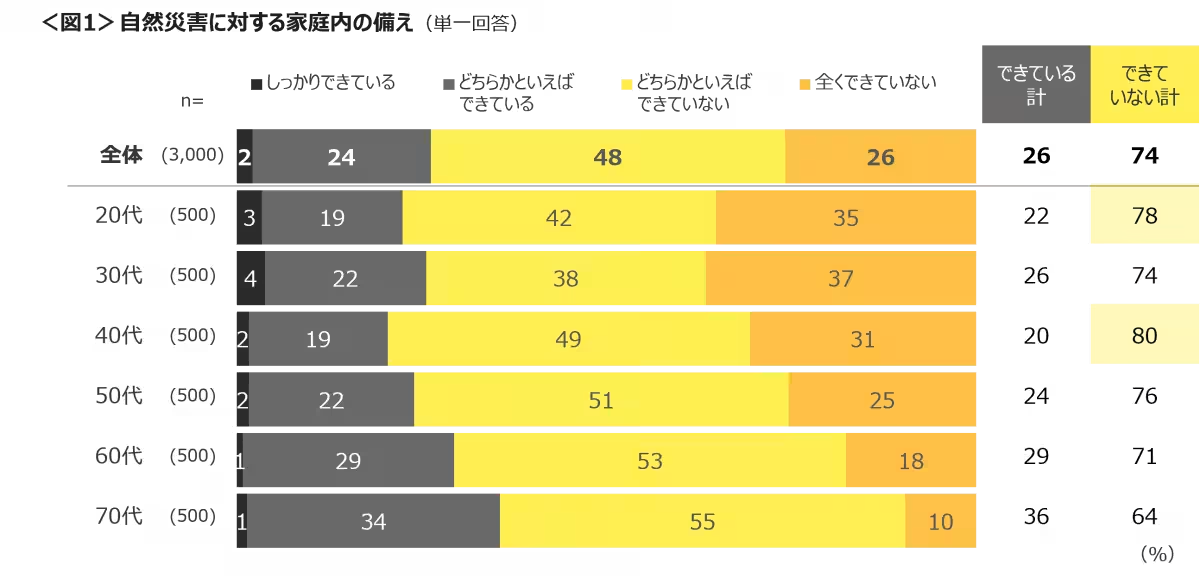
The survey presented a concerning picture, showing that 74% of respondents reported feeling unprepared for potential disasters, while only 26% felt adequately ready. Alarmingly, among those aged in their 20s to 40s, nearly a third admitted they were completely unprepared for disasters. Such a high percentage of unpreparedness raises questions about the effectiveness of current awareness and education efforts.
Basic Disaster Preparedness Measures
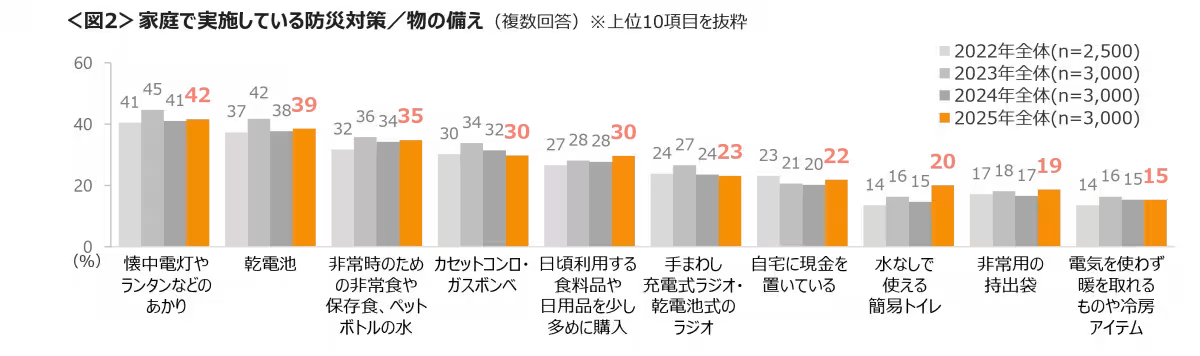
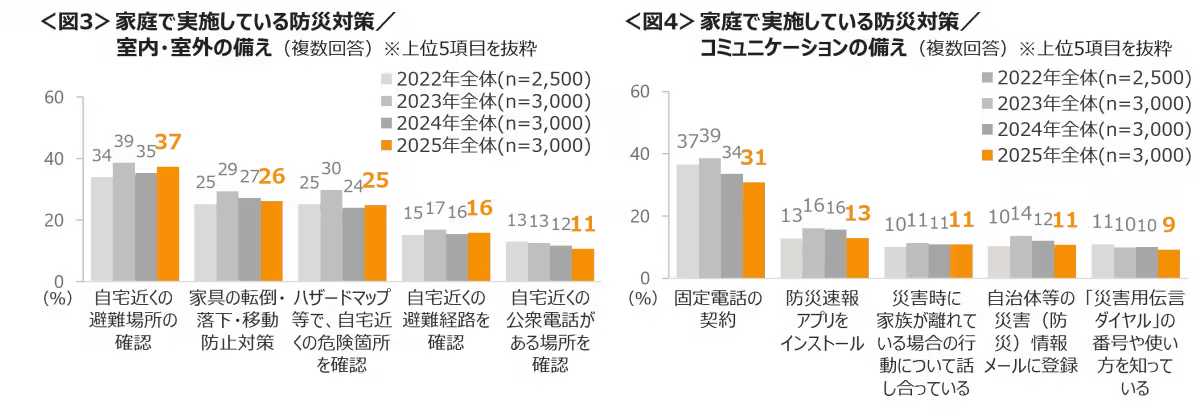
When analyzing tangible preparations, the survey indicated that essential items like flashlights and lanterns were reported by approximately 40% of respondents. Meanwhile, about 30% had stocked up on batteries, emergency food supplies, bottled water, and gas for portable cookers. Interestingly, while most items saw little change over the past four years, the availability of portable toilets saw a 5% increase compared to the previous year.
Despite the identified gaps, some positive trends can be acknowledged. Nearly 30% of respondents had confirmed the locations of nearby evacuation sites. However, a significant portion revealed another area of concern – the declining number of households with fixed-line phones, essential for maintaining communication during disasters.
Awareness of Evacuation Routes
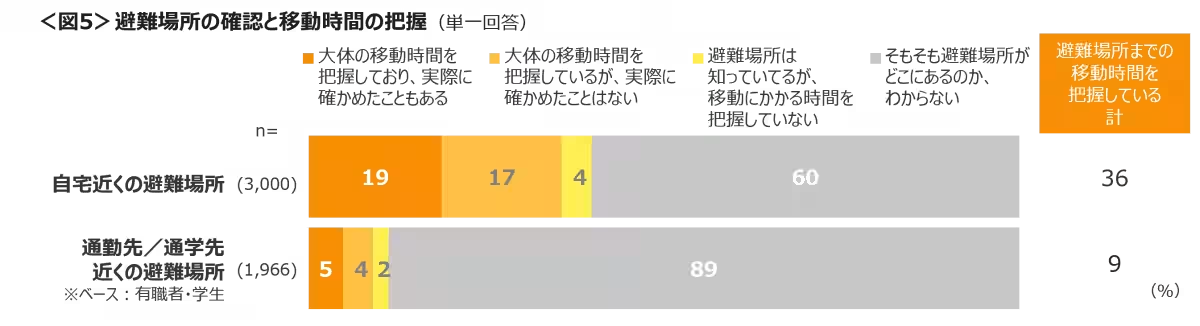
A crucial part of disaster preparedness lies in knowing evacuation routes. The survey revealed a troubling statistic where 60% of respondents were unsure about the locations of their nearest evacuation sites. Among workers and students, this uncertainty rose to 89%, further emphasizing the necessity of proper communication and preparedness initiatives.
Information Sources During Disasters
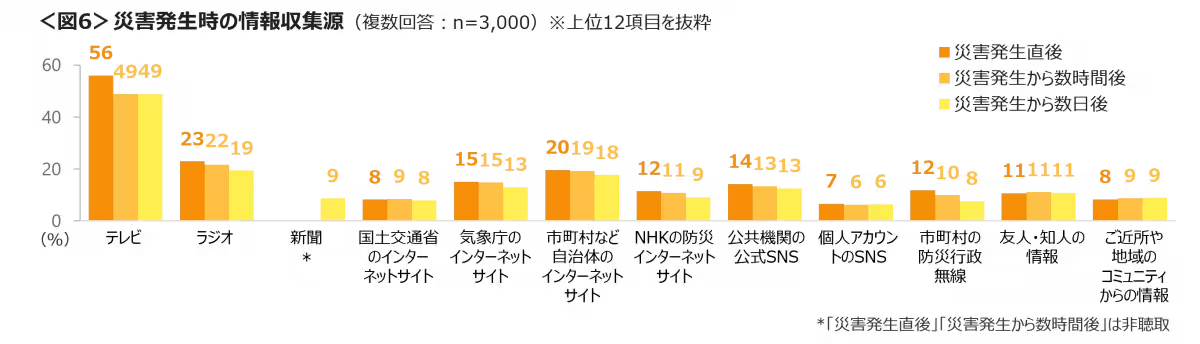
When examining sources of information following a disaster, television emerged as the primary avenue for updates, used by many in the immediate and subsequent days after a disaster strikes. Other sources included radio broadcasts and municipal websites, underscoring the importance of diverse communication channels for effective public safety.
Insurance Coverage
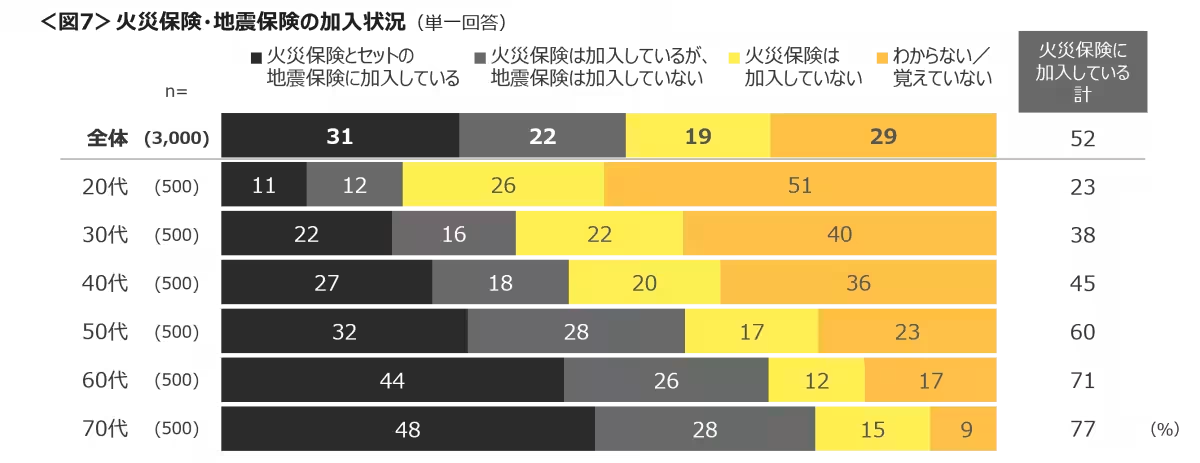
The survey also explored insurance questions. About 31% of respondents held policies that bundled fire and earthquake insurance, while 22% only had fire coverage. Notably, participation in such insurance plans consistently increased with age, particularly among those in their 60s and 70s, where over 40% reported having both fire and earthquake insurance.
Participation in Evacuation Drills
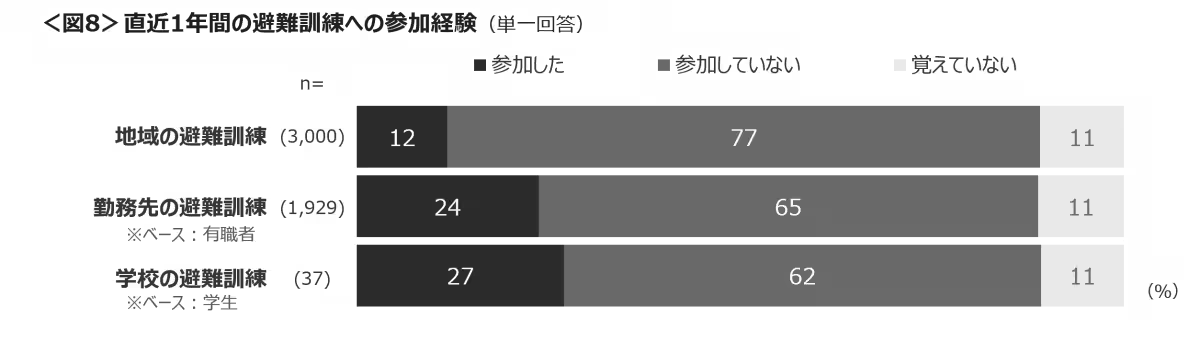
The importance of preparedness drills cannot be overstated; however, participation rates remain low. Only 12% of individuals participated in local evacuation drills within the past year. Rates were slightly higher at workplaces (24%) and schools (27%), yet still fell short of expectations for comprehensive community readiness.
Conclusion
The findings from this survey illustrate a pressing concern for disaster preparedness among Japanese households. As natural disasters continue to challenge communities, it is vital for families to take proactive steps towards improving their readiness. Education programs and community engagement can better equip individuals with the necessary tools and knowledge to navigate potential emergencies. This survey serves as a vital reminder of the importance of preparedness and the collective effort required from society to ensure safety during unforeseen disasters.
For a thorough breakdown of the survey results and further insights, visit Cross Marketing's report.
Company Overview
Cross Marketing is a leading marketing research firm based in Shinjuku, Tokyo, dedicated to providing valuable insights and consultation services in marketing and research since its establishment in 2003.
Topics Other)
【About Using Articles】
You can freely use the title and article content by linking to the page where the article is posted.
※ Images cannot be used.
【About Links】
Links are free to use.