



Understanding Adult Diaper Usage: Insights from a Survey of Caregivers and Care Managers in Japan
Understanding Adult Diaper Usage: Insights from a Survey of Caregivers and Care Managers in Japan
In today's aging society, caregivers often find themselves burdened by the various tasks associated with their loved ones' care. A recent study conducted by SMS Co., Ltd. gathered feedback from 340 caregivers and 420 care managers to better understand their experiences and perceptions regarding adult diapers. The results shed light on the emotional and practical challenges associated with this sensitive subject.
Key Findings of the Survey
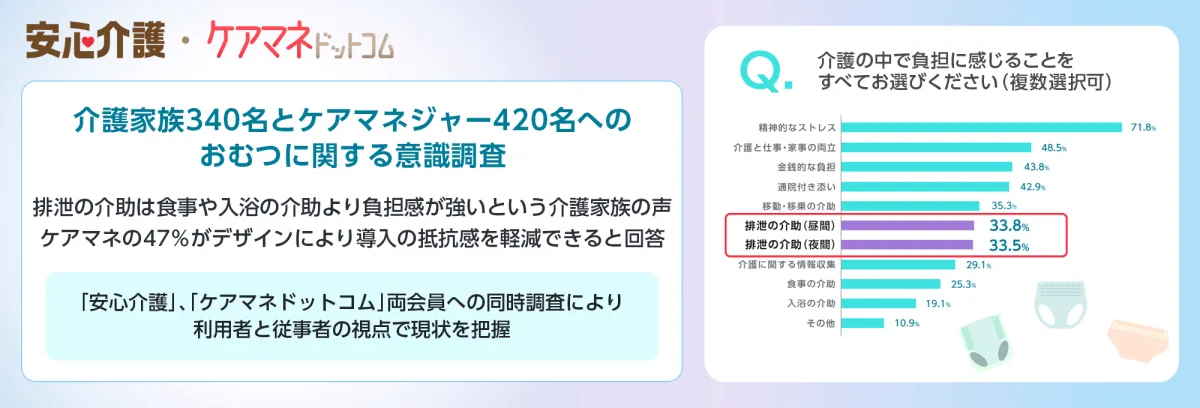
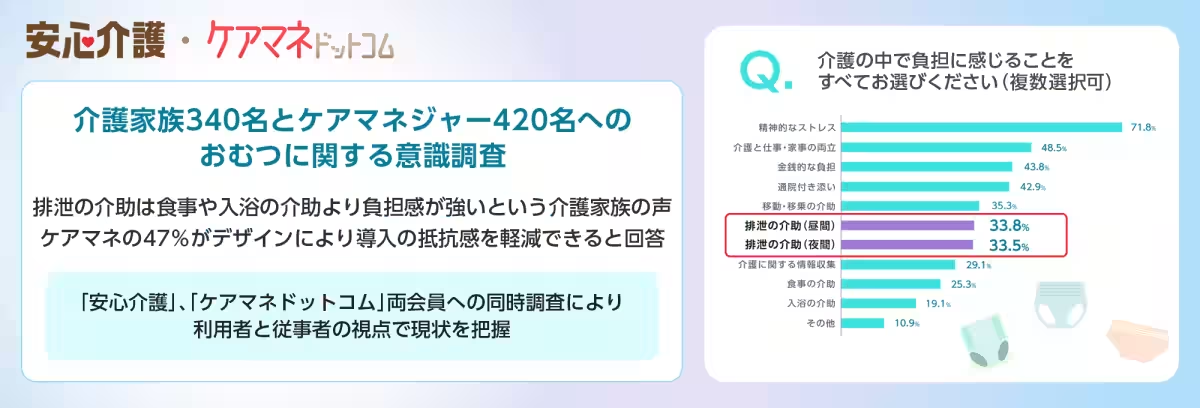
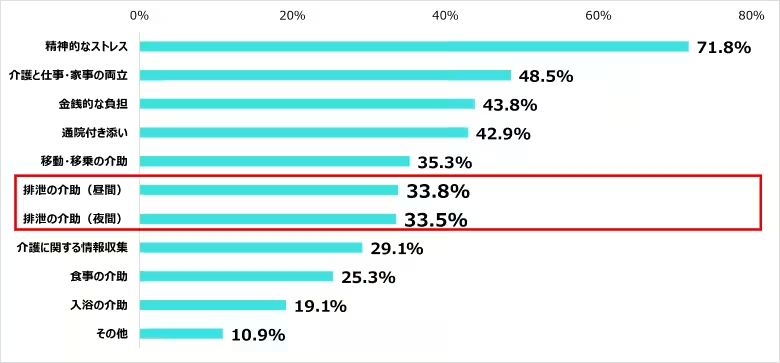
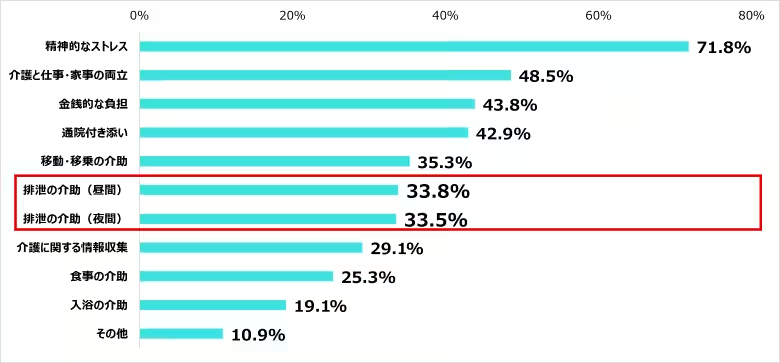
1. Burden of Assistance: The survey unveiled that approximately one-third of caregivers feel a stronger burden when assisting with toileting compared to support for meals and bathing. This highlights the crucial emotional and physical toll that toileting assistance can impose on families, raising concerns about caregiver well-being.
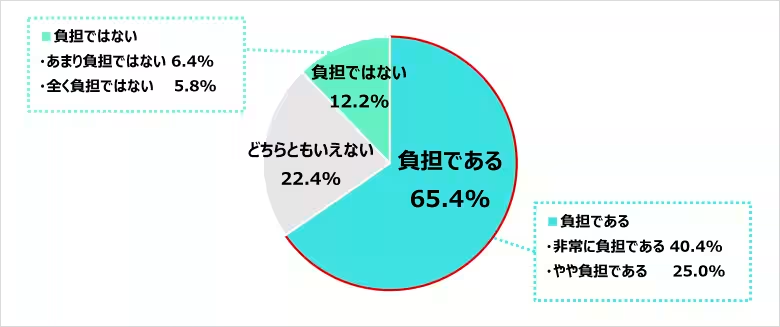
2. Nighttime Diaper Changes: Over 60% of caregivers reported feeling significant stress during nighttime diaper changes, with 40.4% expressing they feel extremely burdened. This indicates that nighttime care complicates the already challenging nature of caregiving, robbing both caregivers and care receivers of restful sleep.
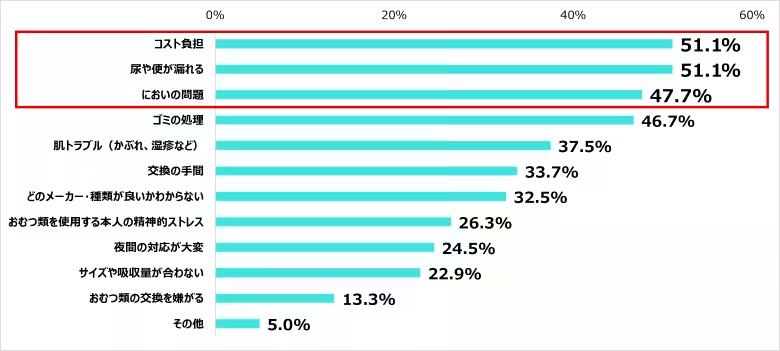
3. Major Concerns About Diaper Use: The survey identified that the top issues were costs (51.1%) and leakages (also 51.1%), followed closely by odor issues (47.7%). These findings emphasize the financial and environmental impacts that diapers have on families, making it evident that both cost and function are critical considerations.
4. Challenges in Choosing the Right Diaper: A significant 55.1% of caregivers expressed uncertainty about which type of diaper to use, indicating a scarcity of accessible information to guide these critical decisions.
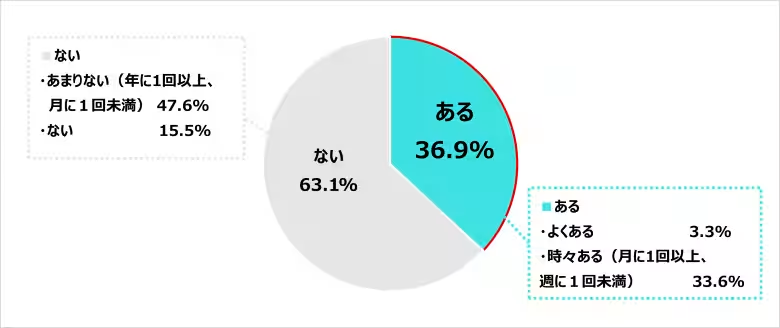
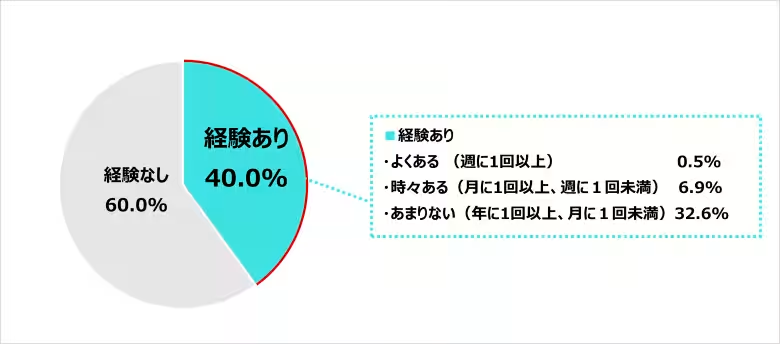
5. Resistance from Care Receivers: Just about one-third of care managers noted experiences of resistance from care receivers regarding the use of diapers, with only 3.3% reporting frequent refusals. This suggests that while reluctance exists, it may not be as pervasive as expected.
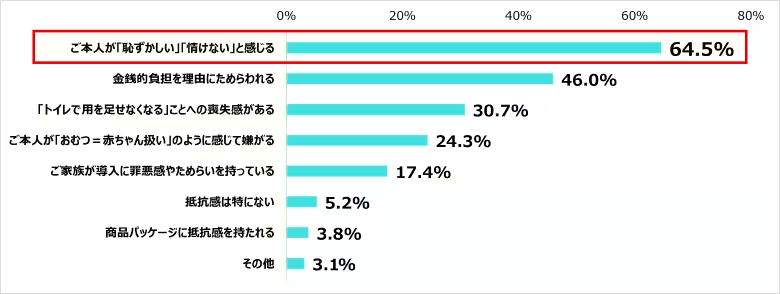
6. Psychological Resistance: A notable 64.5% of care managers indicated that care receivers often feel embarrassed or ashamed about using diapers, which significantly contributes to resistance.
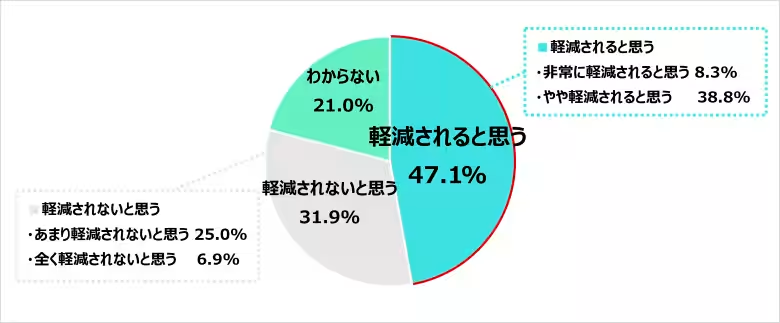
7. Impact of Product Design: Approximately 40% of care managers experienced negative reactions to the appearance of diapers, suggesting that aesthetic concerns play a critical role in acceptance. Moreover, 47.1% believed that less traditional designs could alleviate some of this resistance.
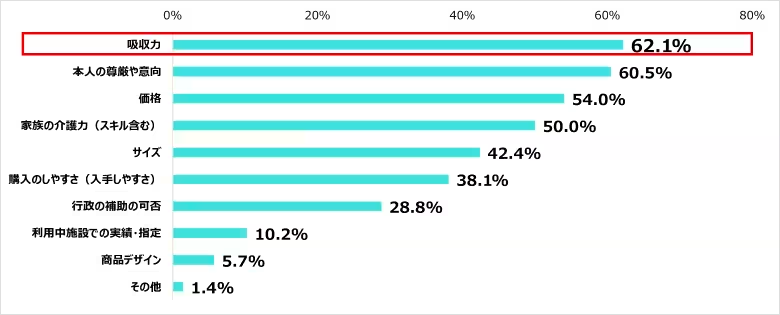
8. Key Recommendations from Care Managers: When discussing products with users, care managers prioritized absorbency (62.1%) over design, indicating that while aesthetics matter, functional effectiveness holds more weight.
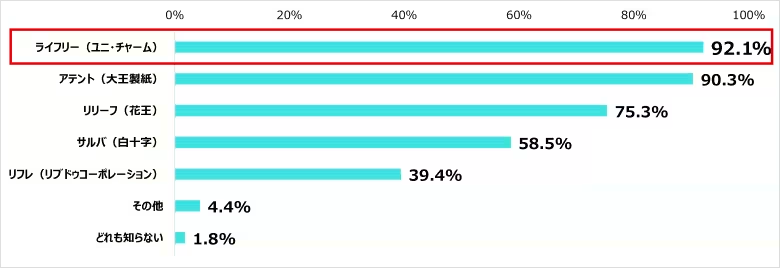
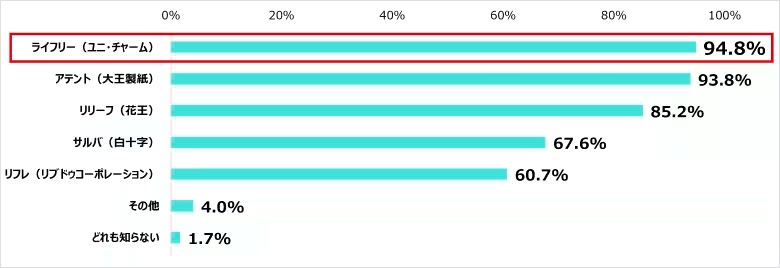
9. Brand Recognition: The survey found that caregivers recognized Lifree (Uni-Charm) as the most familiar brand, followed by Attento (Daiwa Paper), with distinct recognition gaps between caregivers and care managers for other brands.
Conclusion
As Japan continues to face a rapidly aging population, the demand for appropriate caregiving solutions rises. The market for adult diapers is likely to expand, driven by the increasing number of individuals requiring care. Understanding caregivers' challenges and the preferences of both families and care managers is essential for developing better products and services that address the pressing needs of the aging community.
Moving forward, SMS Co., Ltd. aims to leverage these insights to improve the information available to caregivers and ensure that the products they use are effective, affordable, and respectful of the dignity of those they care for. The findings underscore the necessity of addressing both the practical and emotional aspects of caregiving to foster a supportive environment for families navigating this difficult journey.
Topics People & Culture)

【About Using Articles】
You can freely use the title and article content by linking to the page where the article is posted.
※ Images cannot be used.
【About Links】
Links are free to use.