




Exploring Viewer Psychology Behind Popular Love Reality Shows in Japan
Understanding Viewer Psychology in Love Reality Shows
In a recent survey conducted by Monogatari Corporation, over a thousand participants across Japan shared their insights on the enduring appeal of love reality shows. Analyzing viewer habits and preferences reveals some fascinating trends about the genre that has captivated audiences nationwide.
Survey Overview
The study, titled "Viewer Psychology Survey on Love Reality Shows 2026," examined the sentiments of 1,000 men and women aged 10 to 30 living in Japan. Conducted online by knowns, the survey aimed to uncover the reasons behind the popularity of love reality shows and how they engage viewers.
Key Findings
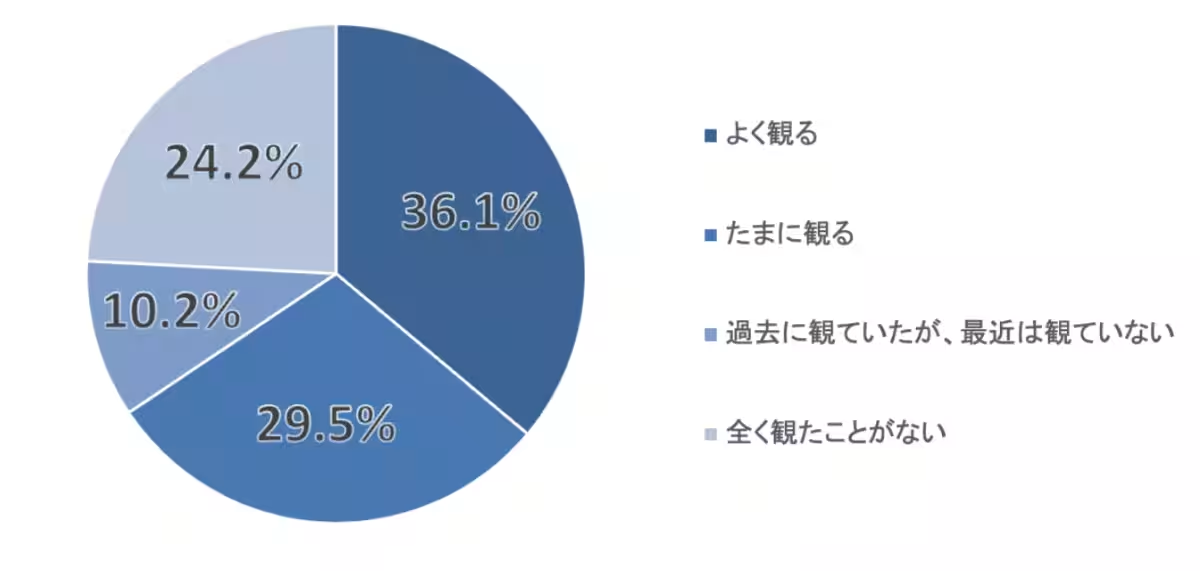
1. Viewership Habits: A striking 65.6% of respondents reported regular viewing habits for love reality shows, with a total of 75.8% having watched at least once in the past. However, 24.2% stated they have never viewed the shows, highlighting a significant viewer divide.
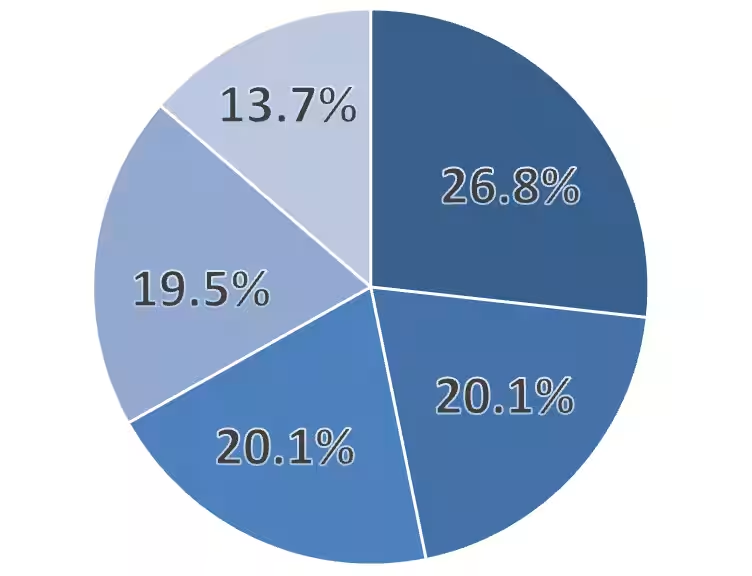
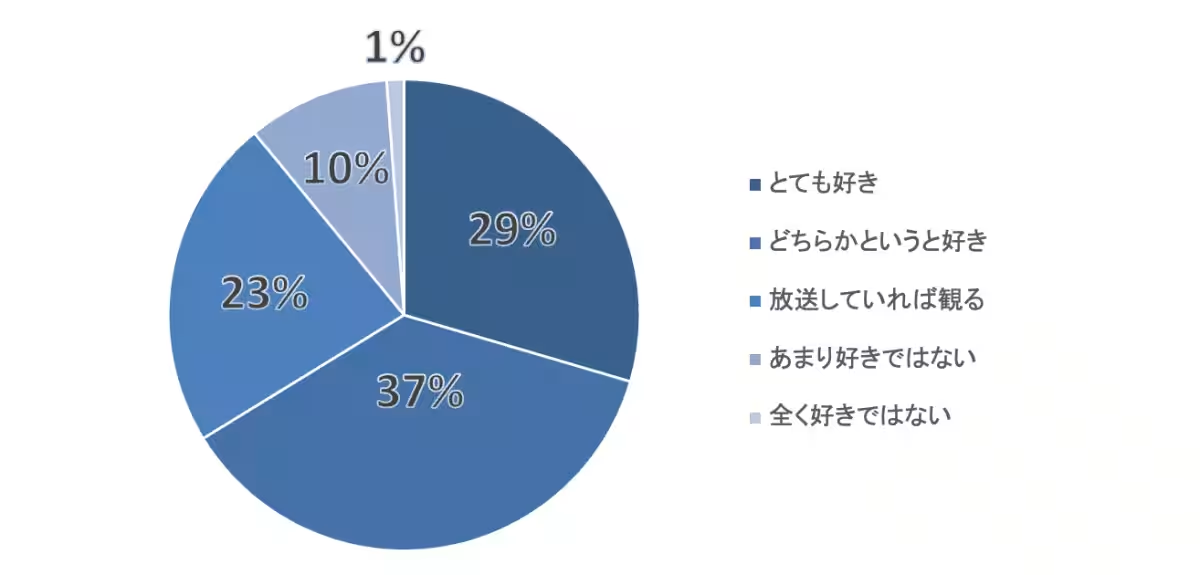
2. Demographics and Preferences: Among those familiar with love reality shows, 66% expressed a favorable view, particularly among younger age groups. While interest was high across all demographics, a notable 30.7% of respondents in their 30s identified as more passive viewers, watching primarily if the show was on air.
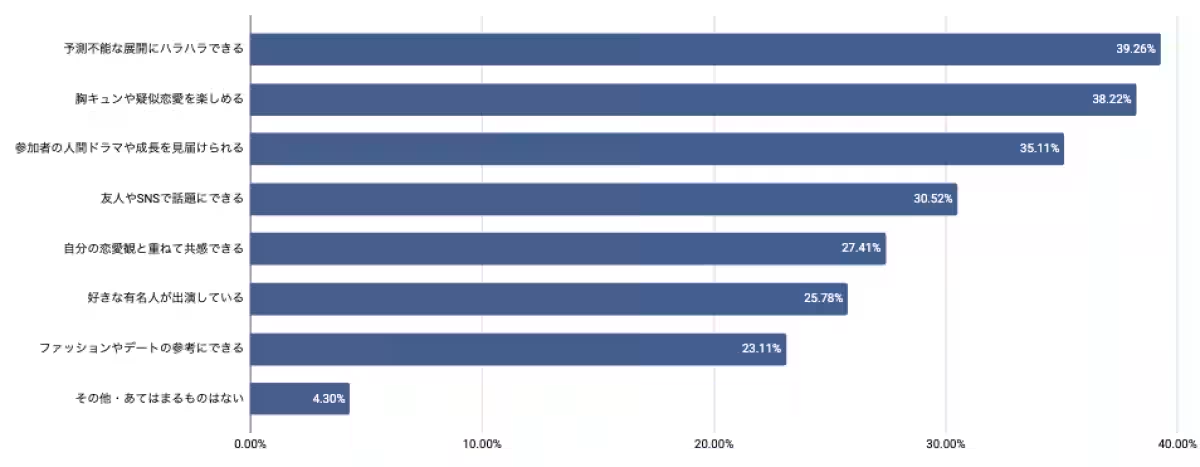
3. Emotional Engagement: Viewers cited unpredictability and the thrill of vicarious romance as key reasons for their interest. The ability to witness the personal dramas and growth of contestants also contributed to their enjoyment. Overall, 39.3% enjoyed anticipating unexpected plot twists.
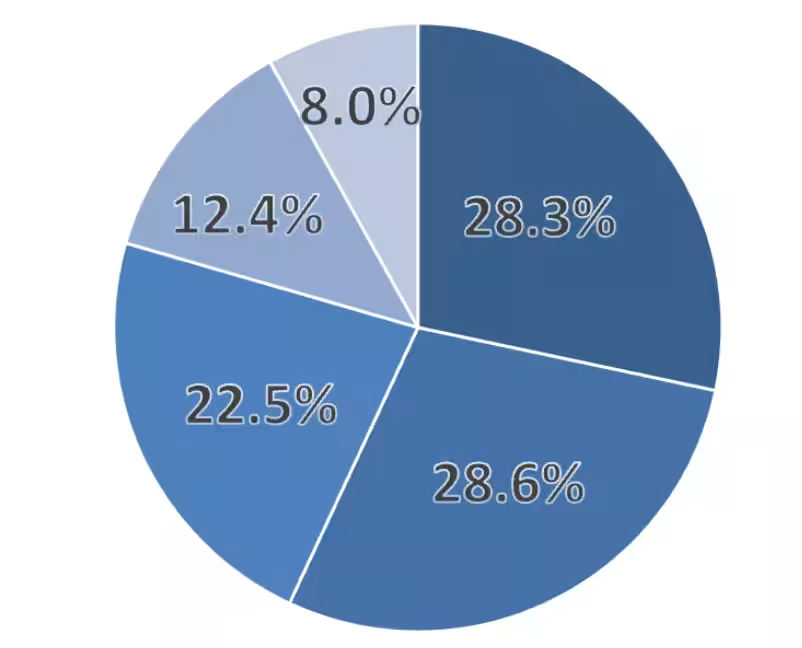
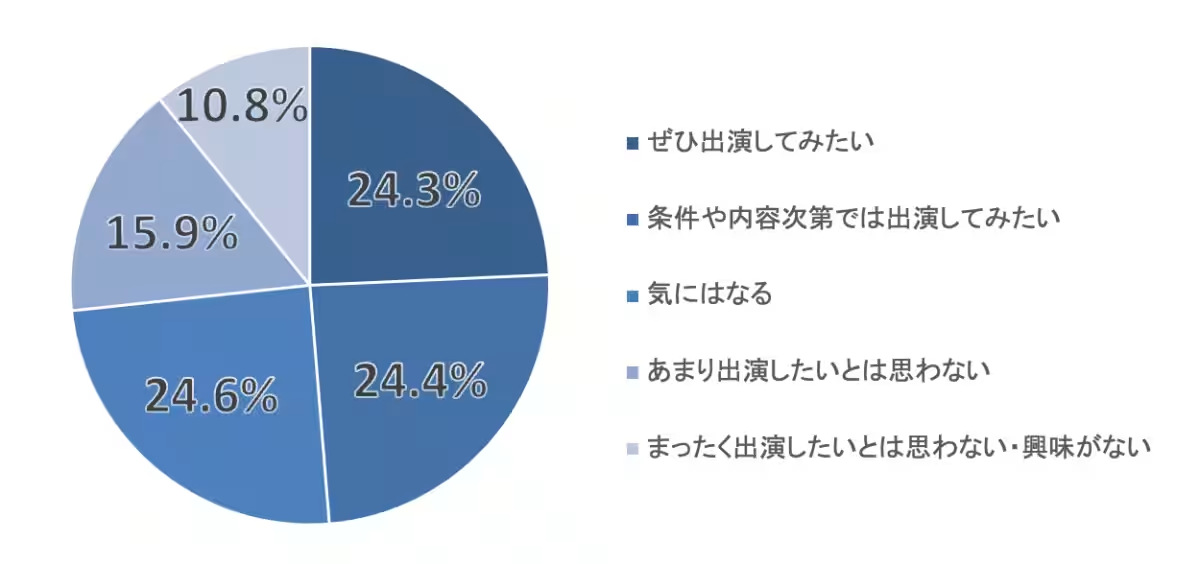
4. Participation Interest: Interestingly, 70% of respondents expressed a willingness to participate in a love reality show. Male interest topped 56.9%, compared to 46.9% among females, suggesting a higher attraction for men to engage directly with the format.
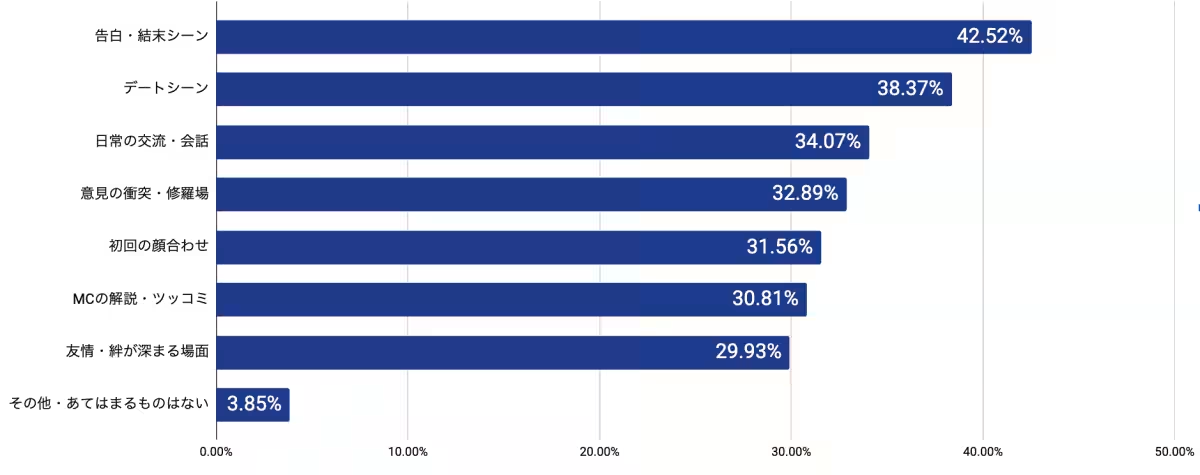
5. Critical Moments: A focus on key emotional moments defined viewer engagement. 42.5% highlighted the importance of confession scenes, while 38.4% were drawn to dating scenarios.
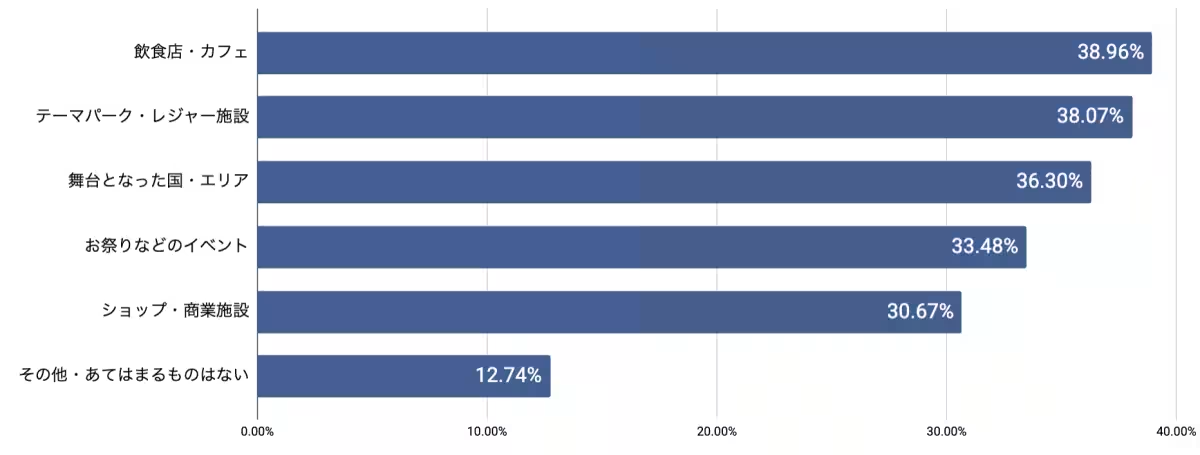
6. Local Insights: Locations featured in shows have inspired around 40% of viewers to consider them for real-life dates or outings, demonstrating a practical influence of media on viewer choices.
What This Means for Producers
For industry operators, these insights are invaluable. The data underscores the immense appeal of love reality shows across all demographics. The strong interest in participation reveals potential for new formats or shows, especially if they focus on relatable, everyday scenarios.
From the results, it's clear that viewers are drawn to elements that resonate with their own lives, suggesting successful reality formats should merge genuine experiences with entertainment. Moreover, with the increasing influence of social media, producers might find additional success in creating shareable moments or engaging platforms for discussions surrounding the shows.
Upcoming Show: "Koi Suru King - A Special 100 Minutes"
In response to these findings, Monogatari Corporation is launching a groundbreaking reality dating show called "Koi Suru King - A Special 100 Minutes" on September 17, 2026. This innovative program invites six singles to navigate relationships over a 100-minute all-you-can-eat yakiniku experience. Contestants will participate in various challenges aimed at fostering connections, embodying the essence of modern love reality formats. This initiative recognizes both the viewer's desire for connection through food and the trend of relatable dating experiences.
Conclusion
The survey illustrates the significant cultural impact love reality shows have on viewers in Japan. As the format continues to evolve, understanding audience preferences will be key to shaping engaging and compelling entertainment experiences for future productions.




Topics Entertainment & Media)



【About Using Articles】
You can freely use the title and article content by linking to the page where the article is posted.
※ Images cannot be used.
【About Links】
Links are free to use.