



Sustainable Future: Local Solar Smiles Project Now Open for Applications
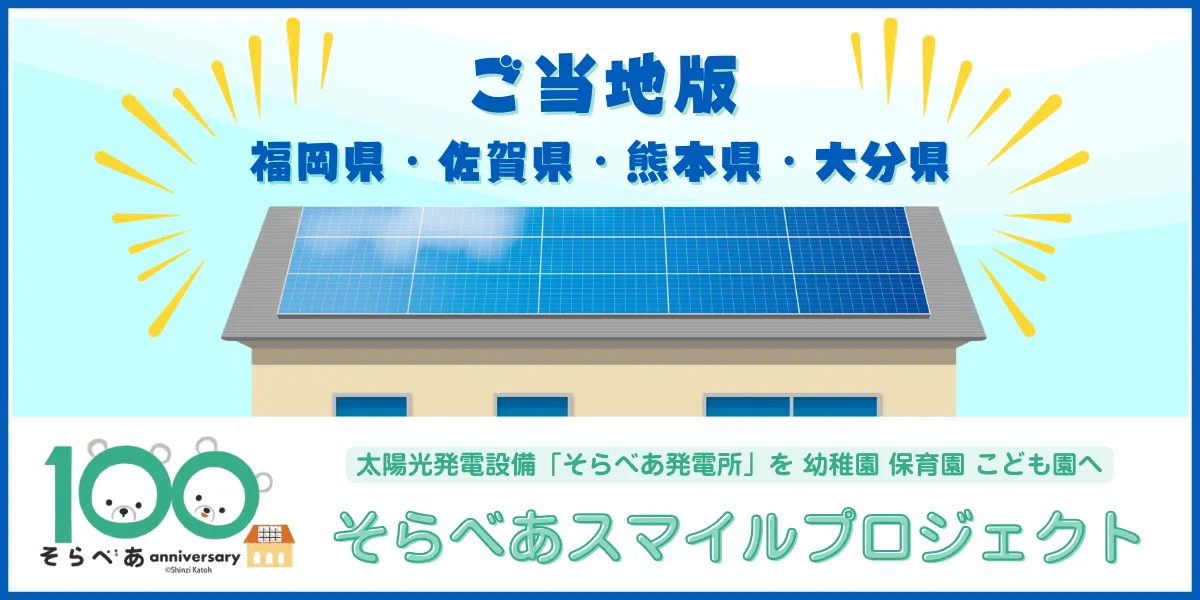
The 'Local Solar Smiles Project' is a unique initiative spearheaded by the Sorabear Foundation, aimed at donating solar power equipment to kindergartens and child care facilities within the Kyushu region of Japan. This project marks its 104th installation and is supported by Riheco Co., Ltd., which is renowned for its 'Yume Solar' solar power solutions across Fukuoka, Saga, Kumamoto, and Oita Prefectures.
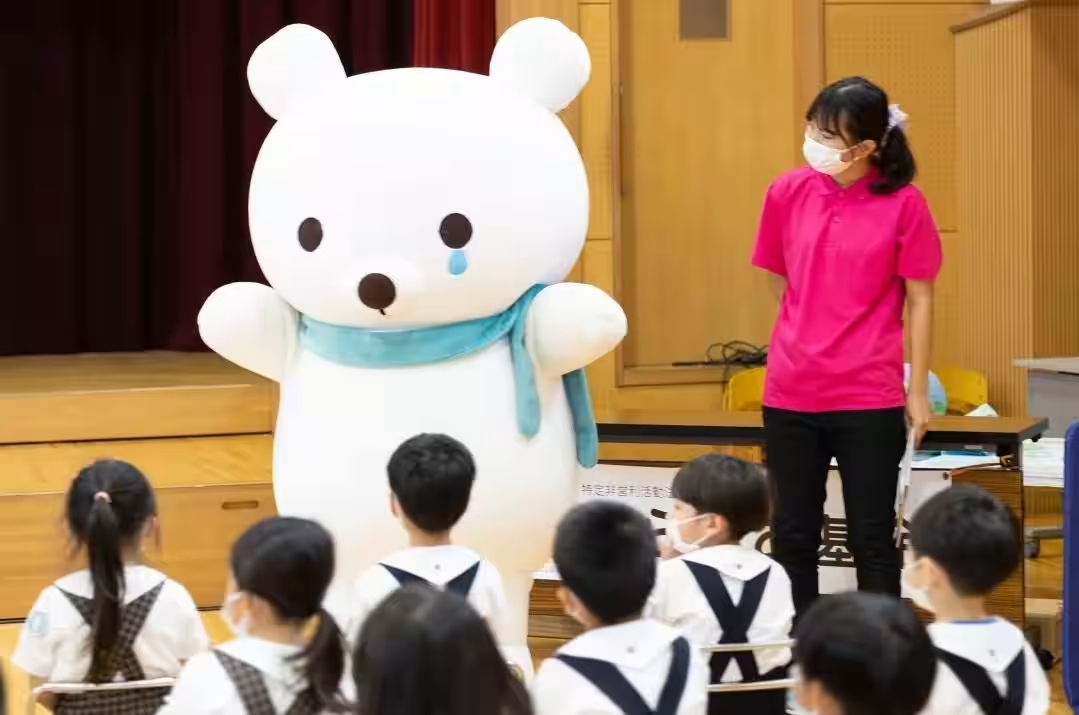
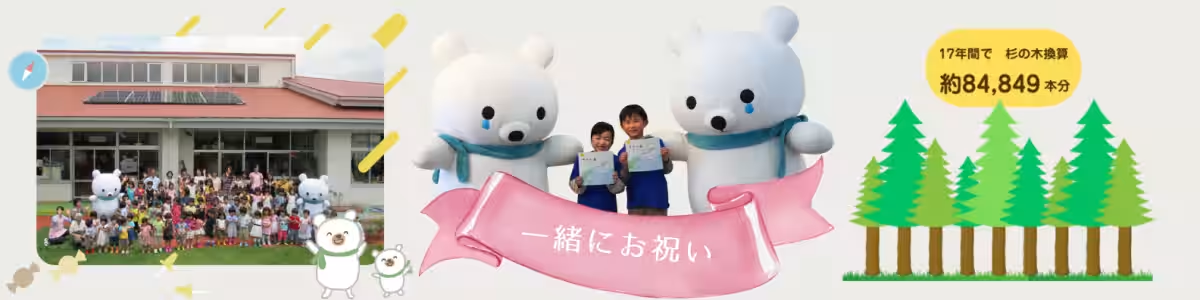
Since its inception in 2008, the Sorabear Foundation has been dedicated to promoting renewable energy and educating children on environmental issues. With the help of its charismatic polar bear mascots, Sora and Bea, the foundation spreads awareness and fosters interest in renewable energy among the younger generations. The project aims not only to reduce CO₂ emissions but also to create a sustainable living environment for future generations.
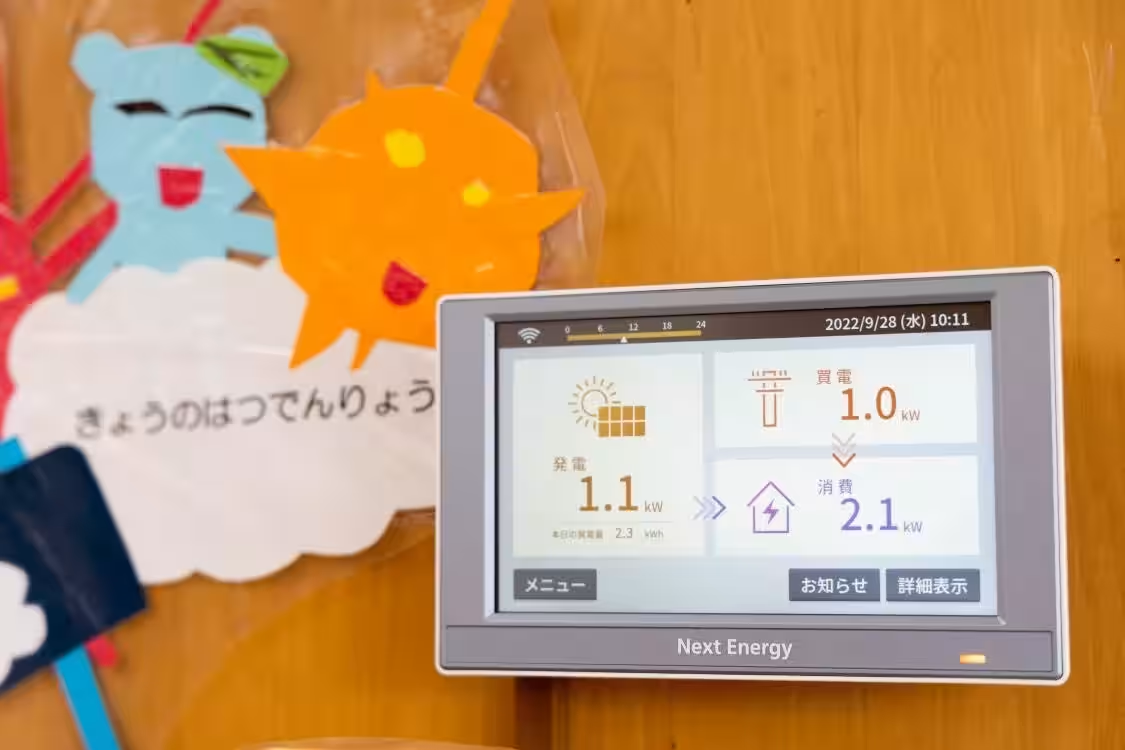
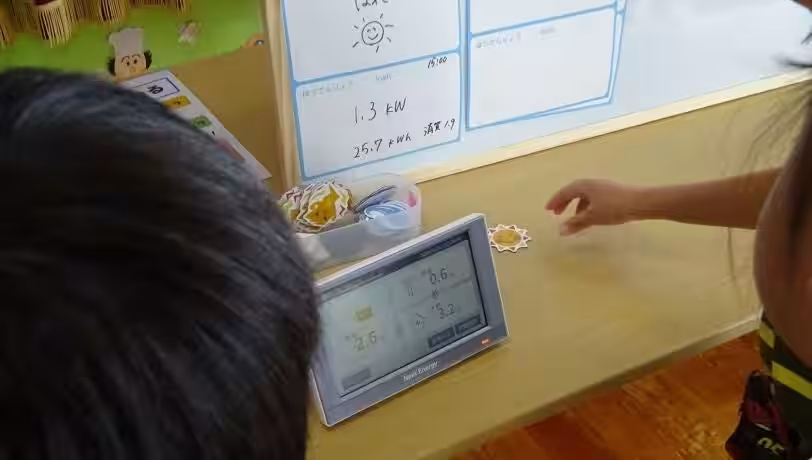
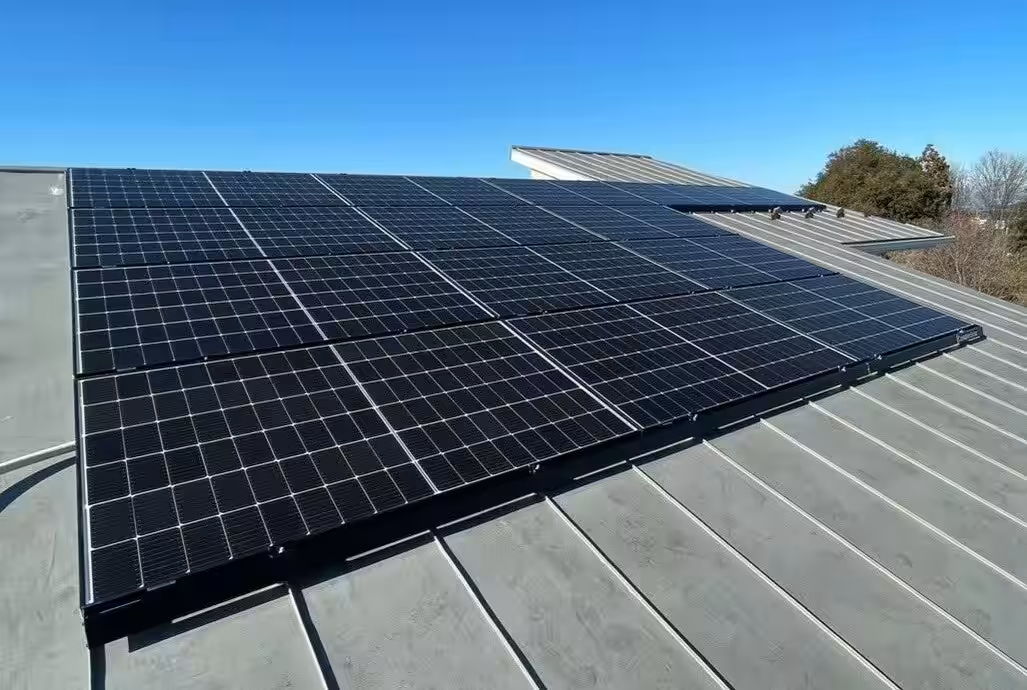
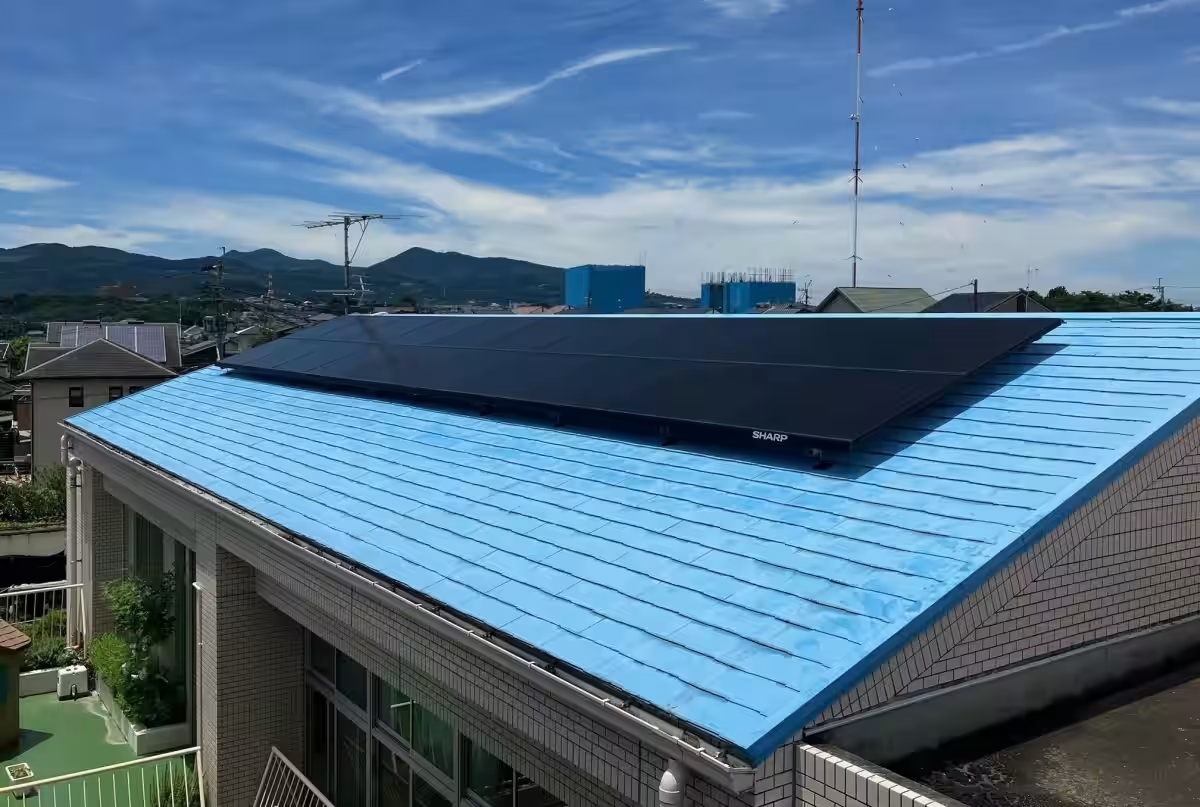
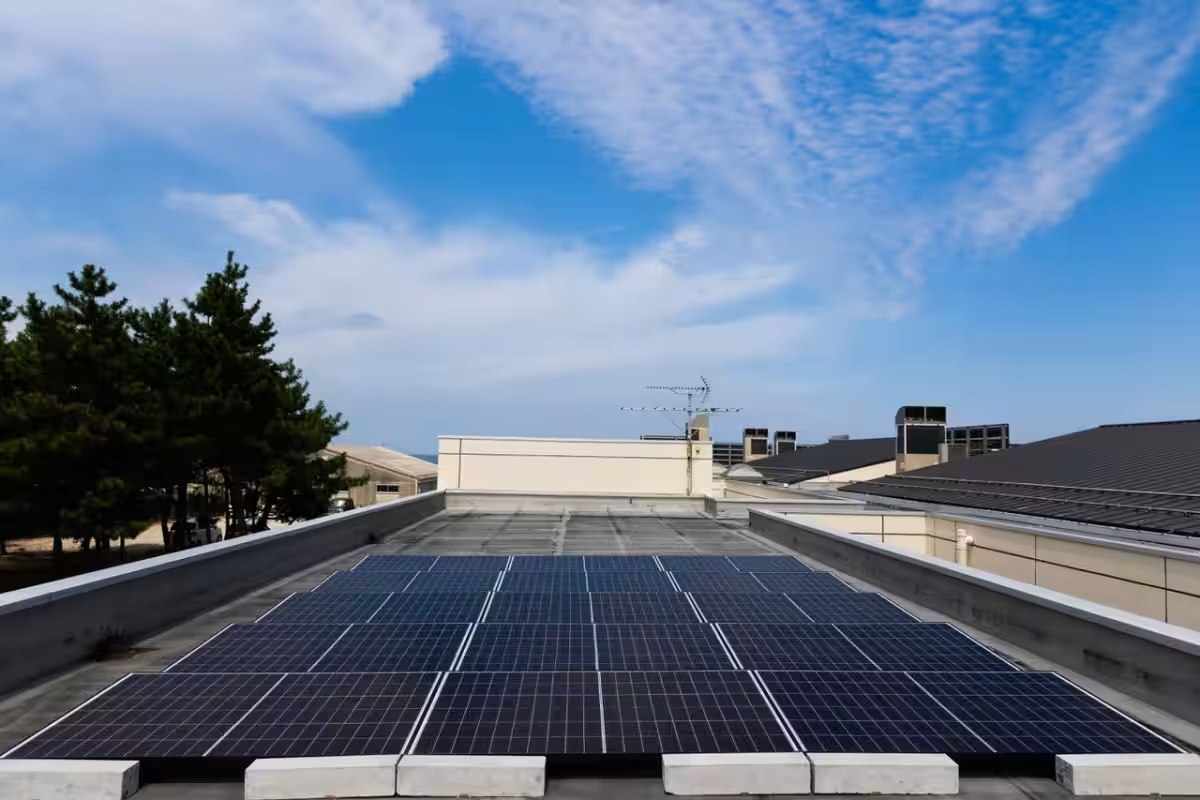
This round of the Local Solar Smiles Project aims to enhance the environmental consciousness of children by offering educational support alongside the solar power equipment. Each recipient will receive a 'Sorabear Solar Station' that produces 5kW of electricity, free of charge (subject to certain stipulations). The donation period runs from September 8, 2025, to October 31, 2025, and applicants must adhere to the eligibility criteria outlined by the foundation.
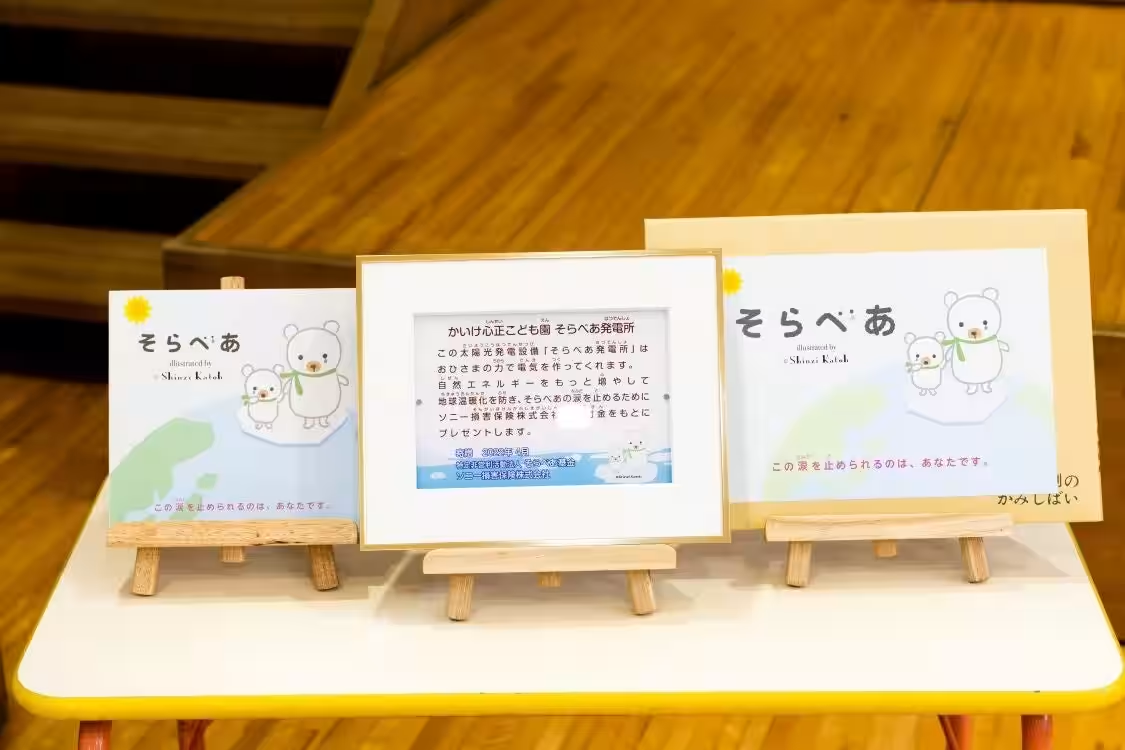
Alongside the solar installations, the project offers a support program called 'Sorabear Day,' which will assist educational activities in recipient facilities for three years. Schools will receive various educational materials including storybooks, plays, and commemorative plates to celebrate the installation of their solar stations, making the learning experience enjoyable and interactive for students.
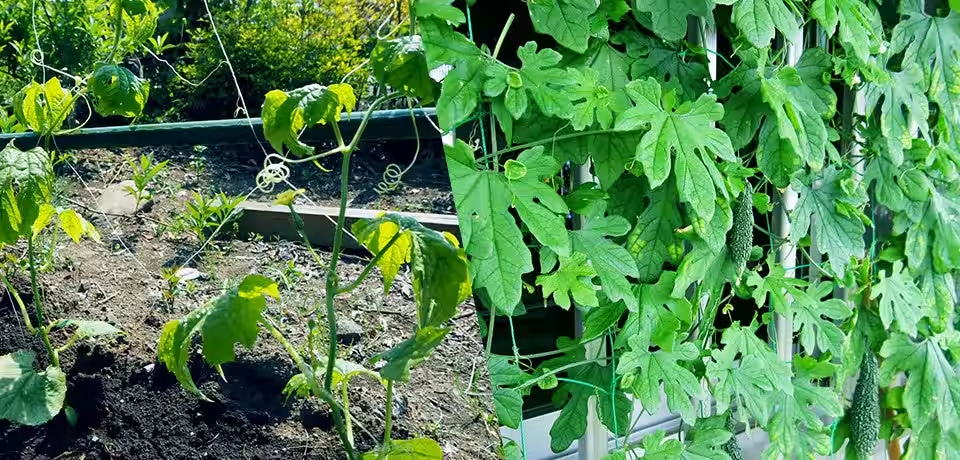
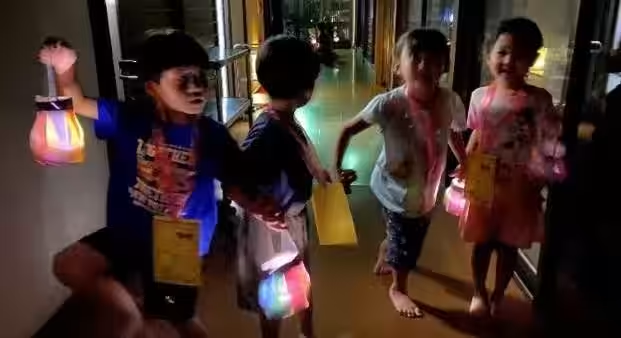
Participating schools are encouraged to engage in eco-action activities through Sorabear Day, which incorporates hands-on learning experiences centered around environmental education. Some of the key activities include climate investigations, solar lantern crafting, and fostering plant growth through green curtains. These activities are designed to instill a sense of responsibility towards the environment in children and empower them to make eco-conscious decisions.
The Local Solar Smiles Project not only aims to provide renewable energy solutions but also focuses on building a community-oriented approach to sustainability. By collaborating with local businesses and organizations, the project aspires to cultivate an understanding of the unique environmental needs of the Kyushu region and support a greener future.
Since receiving its recognition, the Sorabear Foundation has expanded its initiatives significantly. To date, 96 solar stations have been provided to educational institutions nationwide, contributing to a total power generation of approximately 2,465,858 kWh over the past 17 years, equating to a reduction of around 1,188 tons of CO₂ emissions or the equivalent of 84,849 cedar trees.
Looking ahead, the Sorabear Smiles Project aims to reach a total of 100 installations by 2025. Each solar station decreases dependence on fossil fuels and enhances knowledge about renewable energy, ensuring that children are more informed about their environmental footprint.
The project exemplifies a commitment to creating a sustainable future while fostering active environmental stewardship among the younger generation. By enabling children to learn about renewable energy in a practical setting, the program sets the groundwork for instilling green values that can last a lifetime.
The Sorabear Foundation continues its mission to combat global warming and motivate communities to embrace environmentally friendly practices. As they expand their network of supporters—including educational institutions and businesses—more children will have the opportunity to learn about and benefit from renewable energy initiatives.
For more details regarding the Local Solar Smiles Project, interested parties should refer to the application guidelines on the Sorabear website. Potential applicants are encouraged to act swiftly, as the application period is limited, and the benefits of integrating solar technology into educational facilities can pave the way for a brighter, sustainable future for all.



Since its inception in 2008, the Sorabear Foundation has been dedicated to promoting renewable energy and educating children on environmental issues. With the help of its charismatic polar bear mascots, Sora and Bea, the foundation spreads awareness and fosters interest in renewable energy among the younger generations. The project aims not only to reduce CO₂ emissions but also to create a sustainable living environment for future generations.
This round of the Local Solar Smiles Project aims to enhance the environmental consciousness of children by offering educational support alongside the solar power equipment. Each recipient will receive a 'Sorabear Solar Station' that produces 5kW of electricity, free of charge (subject to certain stipulations). The donation period runs from September 8, 2025, to October 31, 2025, and applicants must adhere to the eligibility criteria outlined by the foundation.
Alongside the solar installations, the project offers a support program called 'Sorabear Day,' which will assist educational activities in recipient facilities for three years. Schools will receive various educational materials including storybooks, plays, and commemorative plates to celebrate the installation of their solar stations, making the learning experience enjoyable and interactive for students.
Participating schools are encouraged to engage in eco-action activities through Sorabear Day, which incorporates hands-on learning experiences centered around environmental education. Some of the key activities include climate investigations, solar lantern crafting, and fostering plant growth through green curtains. These activities are designed to instill a sense of responsibility towards the environment in children and empower them to make eco-conscious decisions.
The Local Solar Smiles Project not only aims to provide renewable energy solutions but also focuses on building a community-oriented approach to sustainability. By collaborating with local businesses and organizations, the project aspires to cultivate an understanding of the unique environmental needs of the Kyushu region and support a greener future.
Since receiving its recognition, the Sorabear Foundation has expanded its initiatives significantly. To date, 96 solar stations have been provided to educational institutions nationwide, contributing to a total power generation of approximately 2,465,858 kWh over the past 17 years, equating to a reduction of around 1,188 tons of CO₂ emissions or the equivalent of 84,849 cedar trees.
Looking ahead, the Sorabear Smiles Project aims to reach a total of 100 installations by 2025. Each solar station decreases dependence on fossil fuels and enhances knowledge about renewable energy, ensuring that children are more informed about their environmental footprint.
The project exemplifies a commitment to creating a sustainable future while fostering active environmental stewardship among the younger generation. By enabling children to learn about renewable energy in a practical setting, the program sets the groundwork for instilling green values that can last a lifetime.
The Sorabear Foundation continues its mission to combat global warming and motivate communities to embrace environmentally friendly practices. As they expand their network of supporters—including educational institutions and businesses—more children will have the opportunity to learn about and benefit from renewable energy initiatives.
For more details regarding the Local Solar Smiles Project, interested parties should refer to the application guidelines on the Sorabear website. Potential applicants are encouraged to act swiftly, as the application period is limited, and the benefits of integrating solar technology into educational facilities can pave the way for a brighter, sustainable future for all.
Topics Consumer Products & Retail)
【About Using Articles】
You can freely use the title and article content by linking to the page where the article is posted.
※ Images cannot be used.
【About Links】
Links are free to use.