



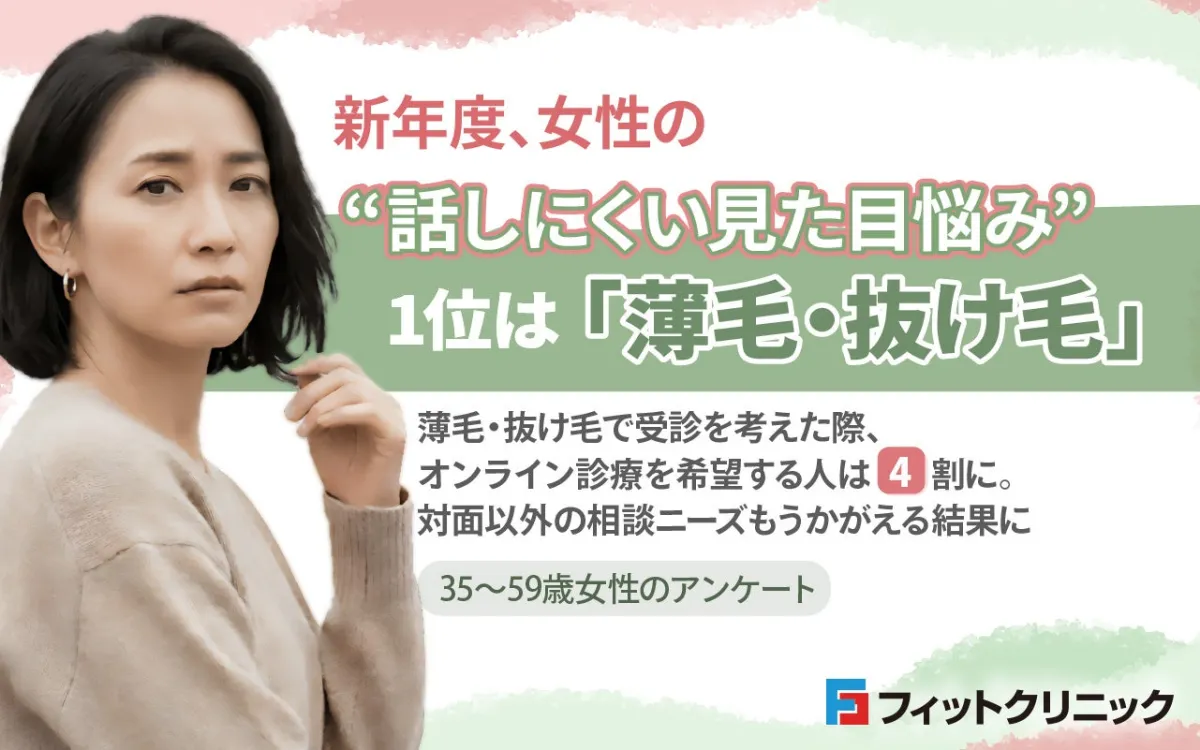
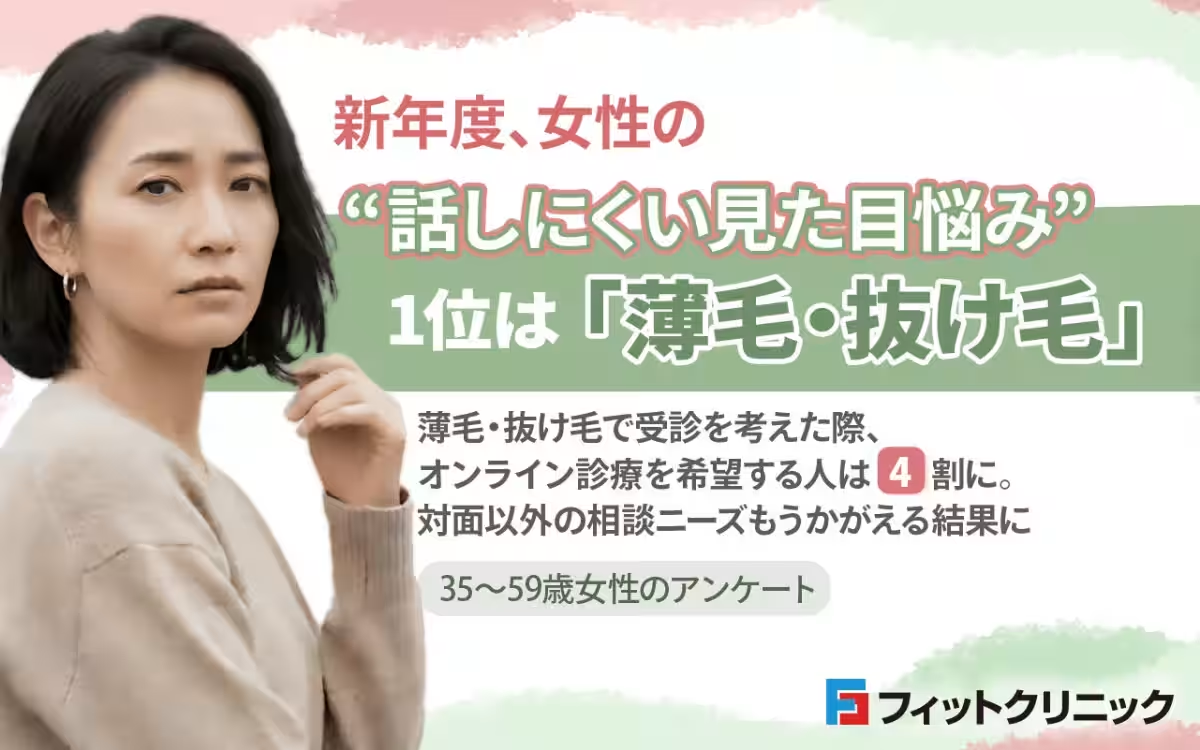
Survey Reveals Women's Appearance Anxiety for New Year: Hair Loss Tops the List
Women’s Appearance Anxiety in the New Year: A Focus on Hair Loss
As the new year begins, many women find themselves facing new social situations, whether at work, in community events, or through their children’s activities. This period often heightens awareness of personal appearance, prompting many to reflect on their looks as they meet new people for the first time. A recent survey by Fit Clinic aimed to delve into the specific appearance-related anxieties women face, specifically focusing on women aged 35 to 59.
Survey Findings
The results from this survey, conducted with 200 women, reveal several alarming trends:
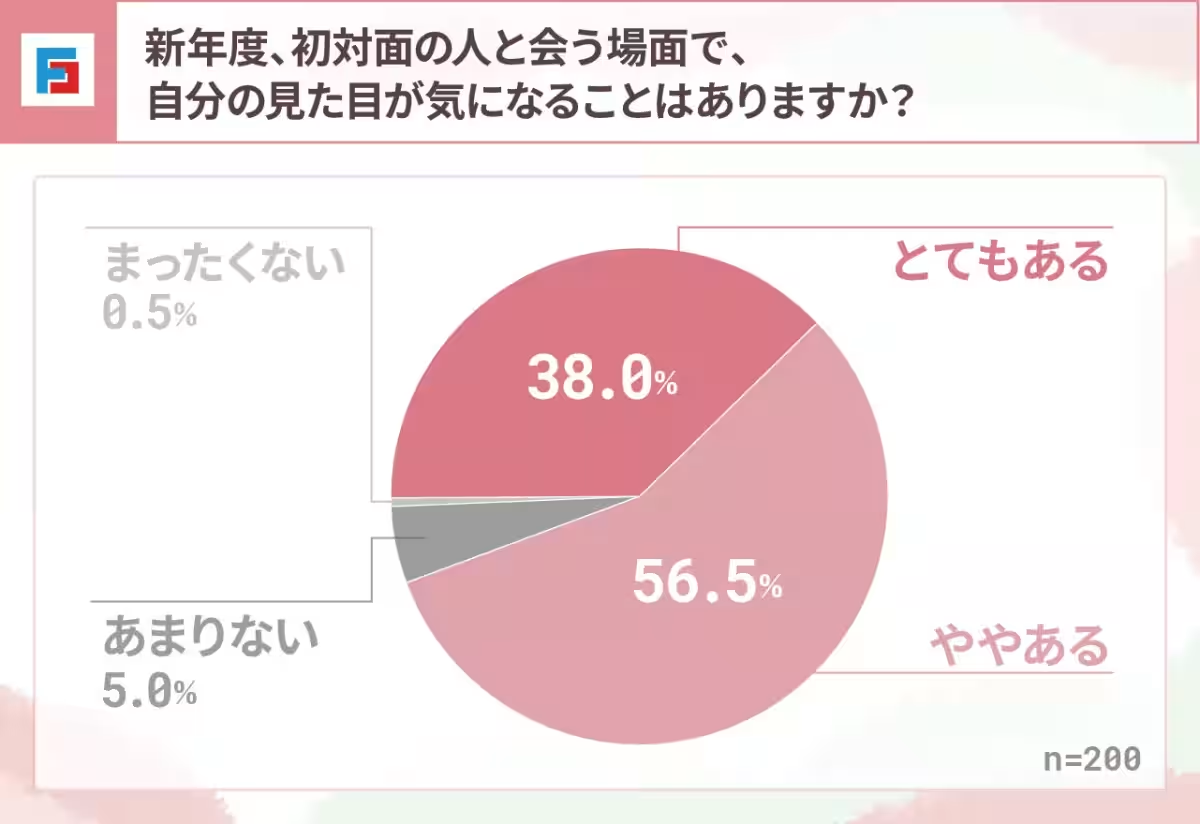
- - An overwhelming 94.5% of women reported feeling conscious about their appearance when meeting someone new.
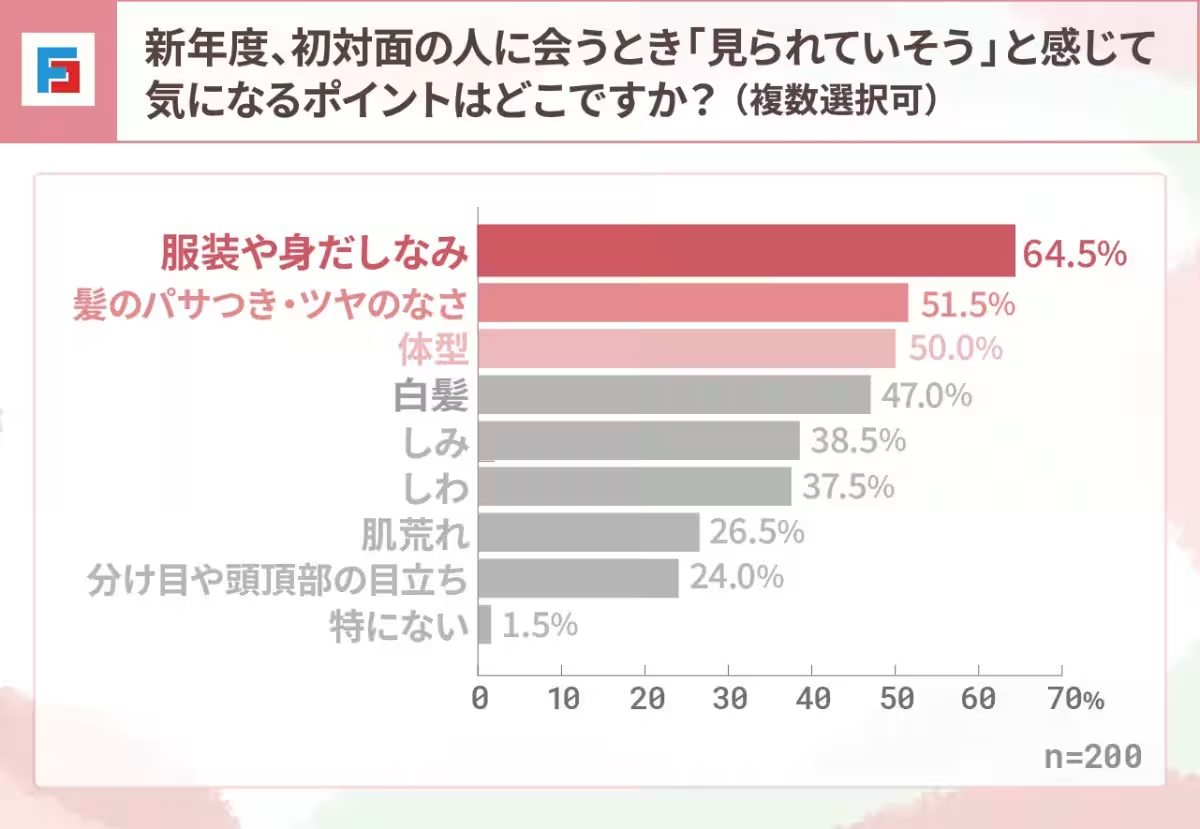
- - Among the various appearance concerns, the most commonly felt anxiety is directed towards personal attire and grooming, with 64.5% of respondents indicating they worry about their outfit and overall appearance.
Discussion Points of Concern
When asked what specific aspects of their appearance they felt were scrutinized, responses varied. The second most concerning area was hair health, noted by 51.5% of women, followed closely by considerations of body shape (50%). These findings highlight not just a general consciousness about appearance but also emphasize the critical role hair plays in women’s self-esteem and how others perceive them.
The Most Talked About Concerns
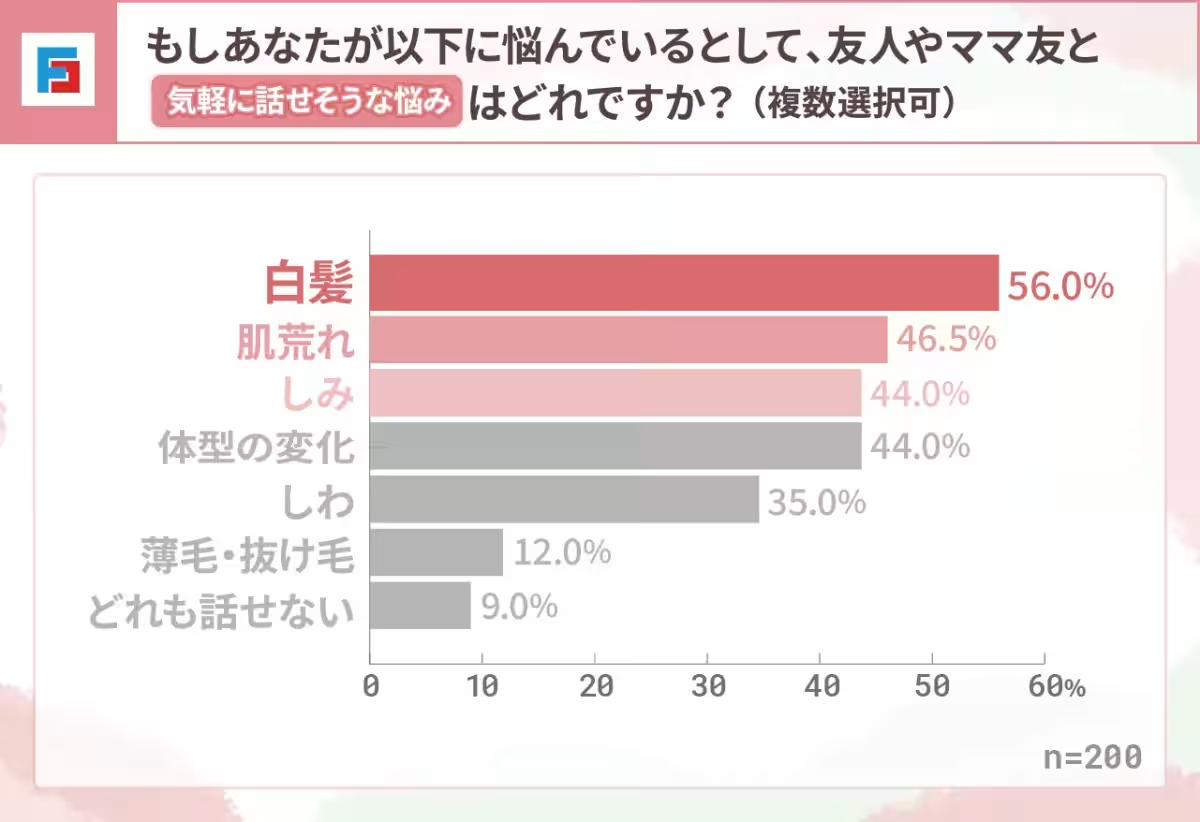
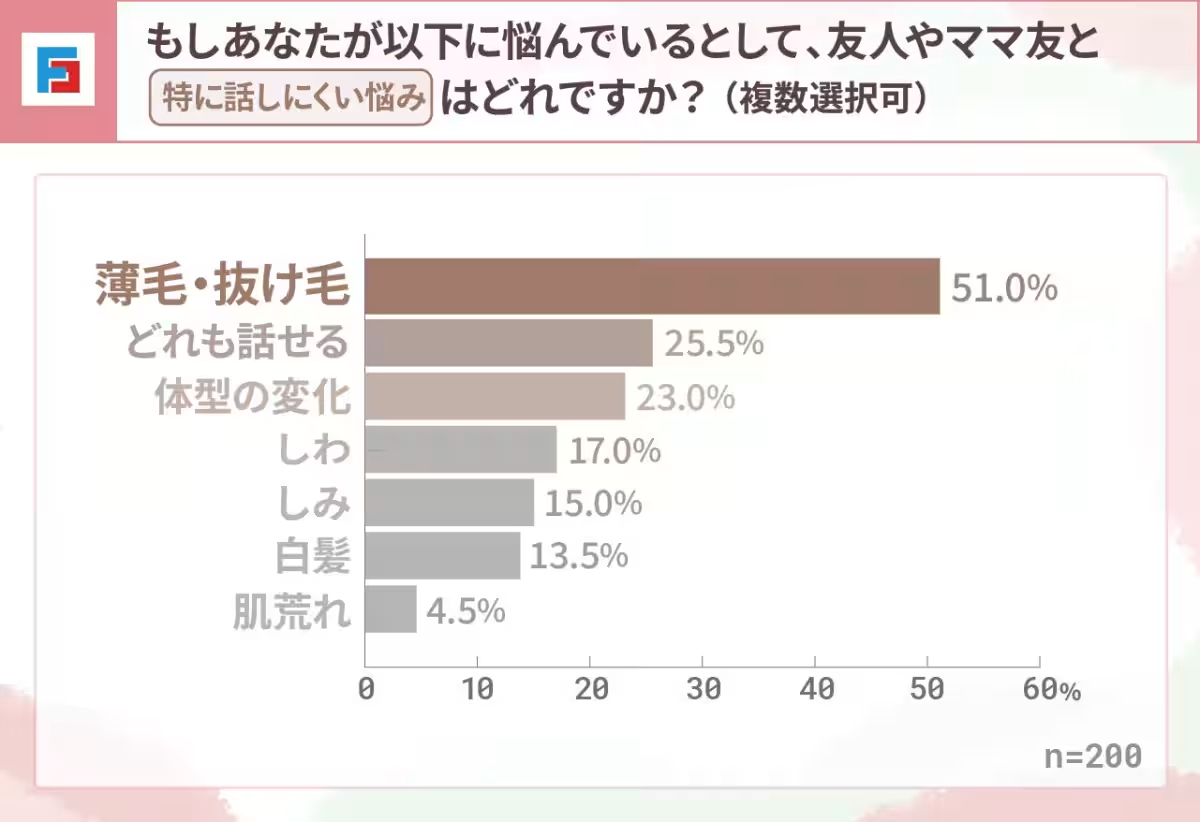
In speaking with friends or peers, the survey found that the perception around discussing appearance-related issues varied. The issue of gray hair was the top topic most women felt comfortable discussing, with 56% of women expressing they are open to talking about it. In contrast, hair loss and thinning emerged as the most challenging topic to share, affecting 51% of the respondents.
Why Hair Loss is So Difficult to Discuss
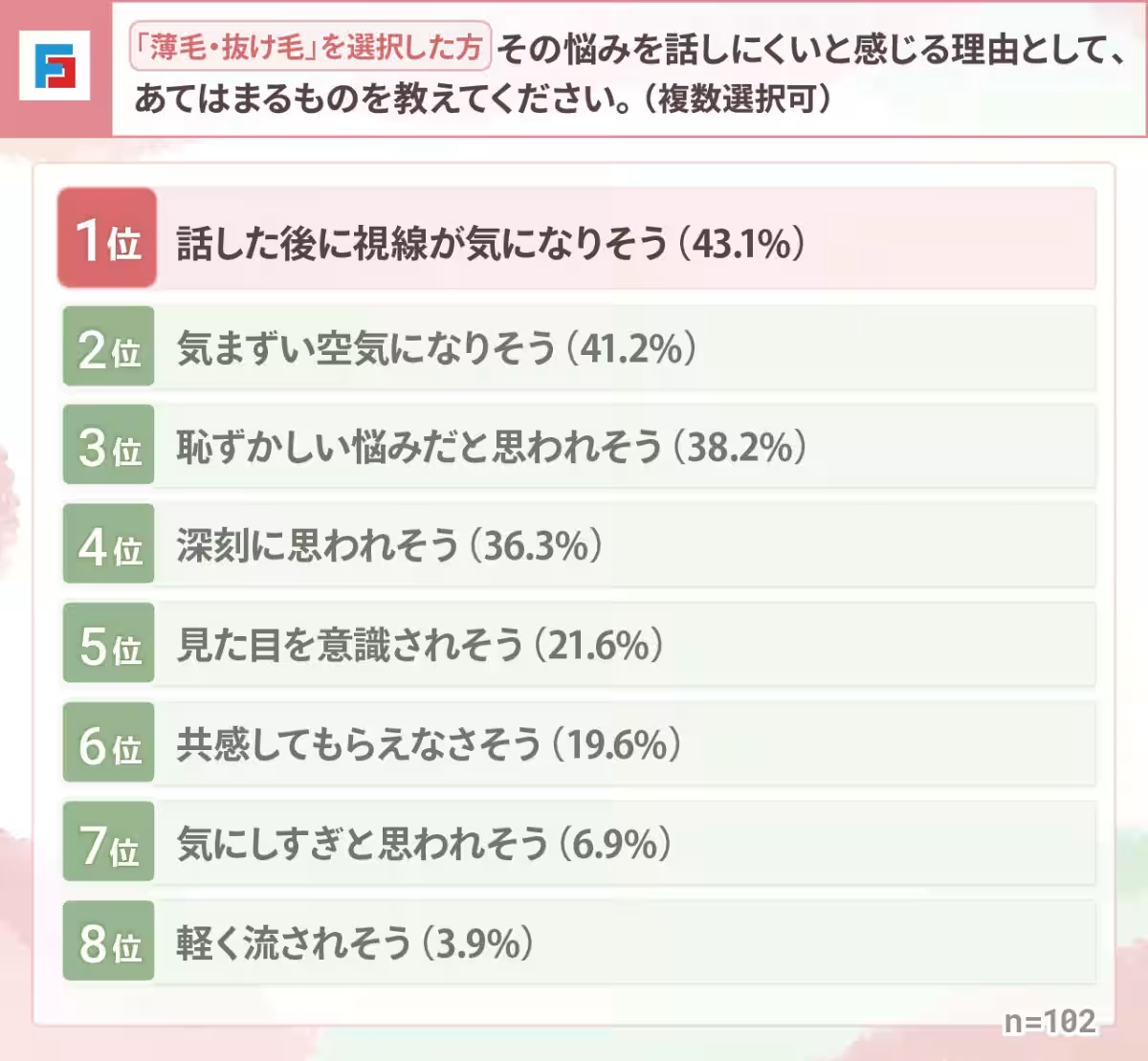
The survey delved deeper into why hair loss is particularly challenging for women to discuss. Respondents showed a strong concern about others’ reactions, with 43.1% indicating that they hesitate to raise the topic out of fear of attracting unwanted scrutiny. Additionally, 41.2% believed it could create an awkward atmosphere, while 38.2% worried about being deemed embarrassed or judged. This signals that hair loss isn’t merely a beauty concern but is deeply rooted in social perceptions and the emotional strain of feeling judged.
Seeking Help: The Online Consultation Trend
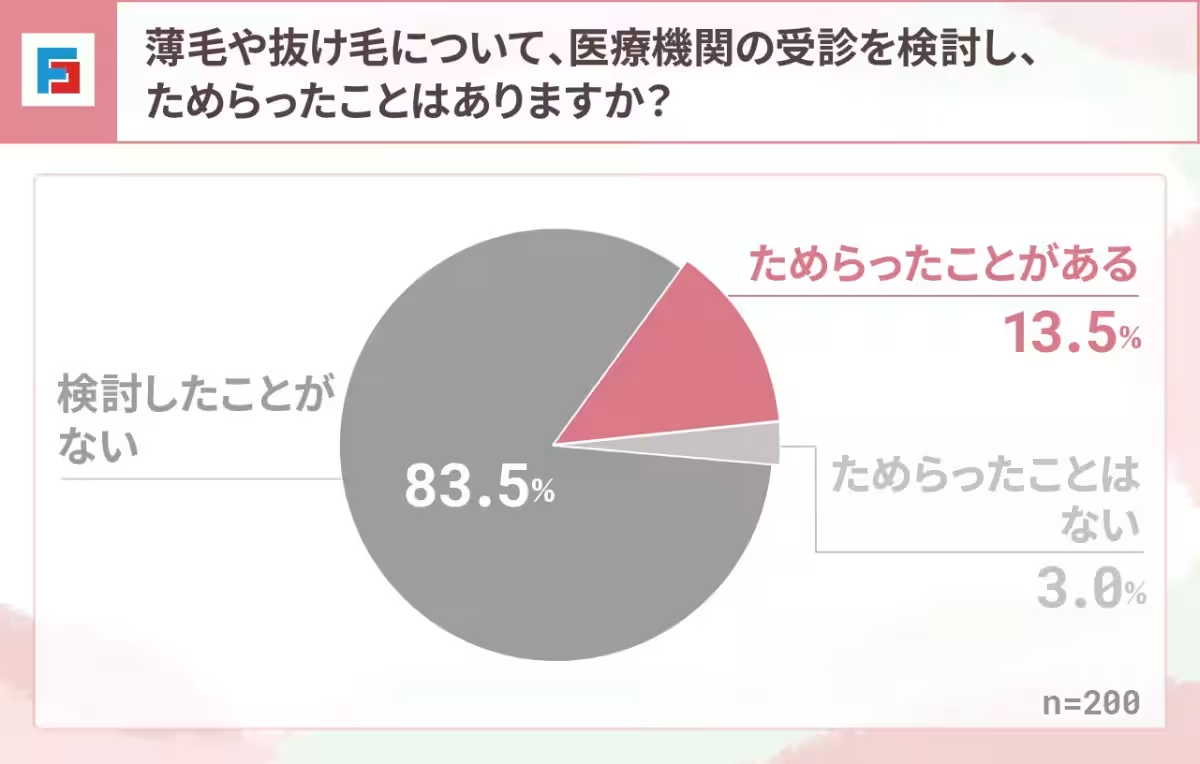
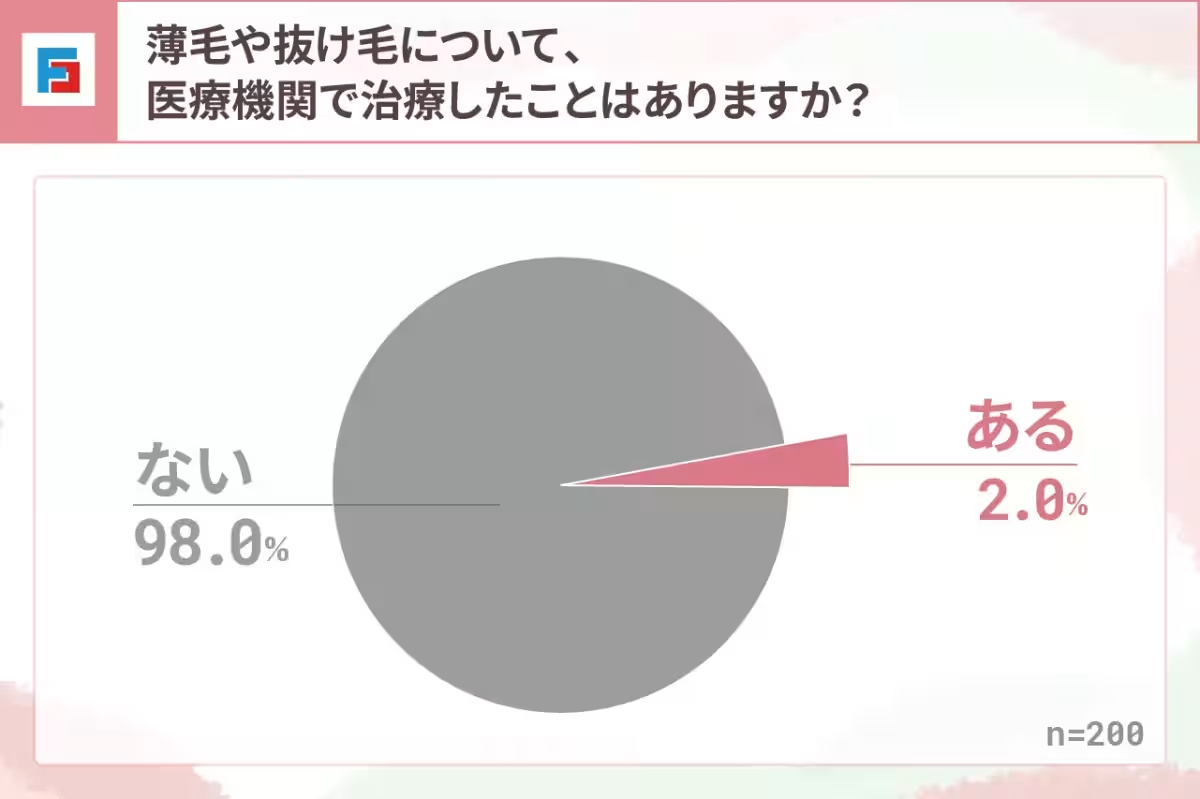
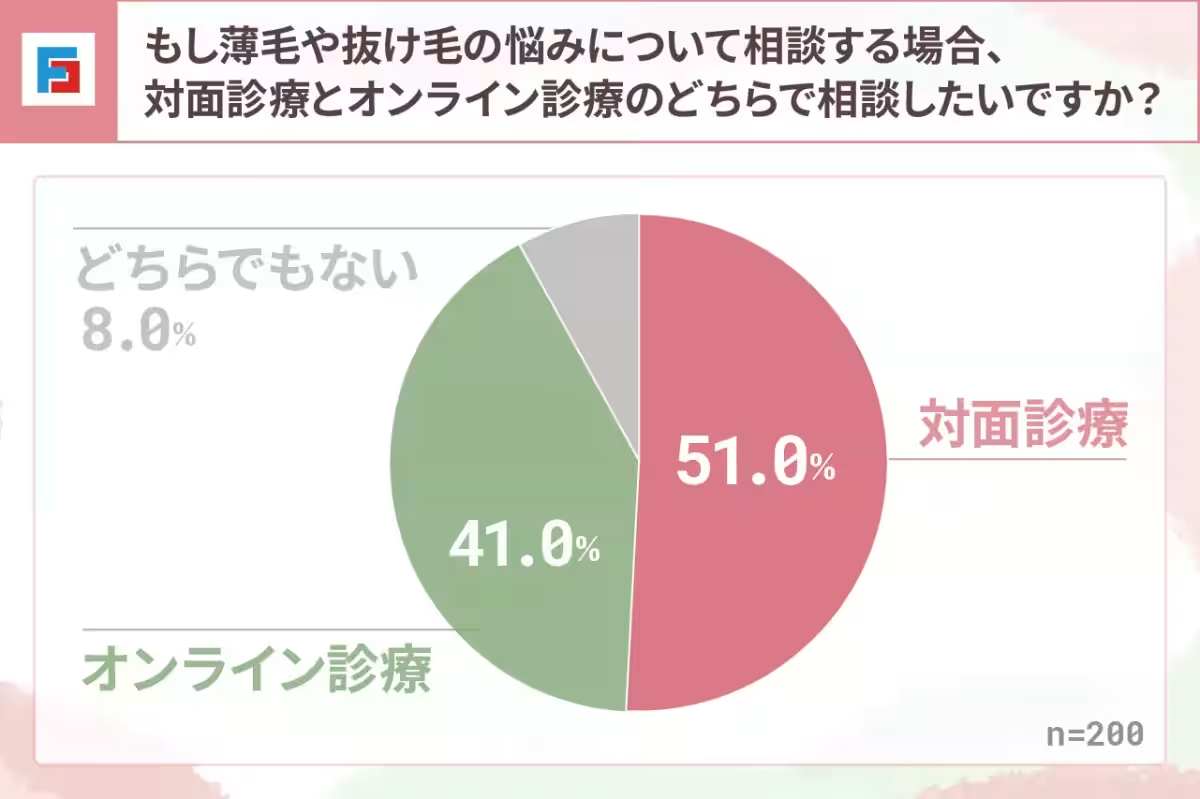
Interestingly, when it comes to seeking assistance for these issues, only 2% of women reported having sought treatment from medical professionals for their hair loss concerns, with 98% never having done so. Nevertheless, of those surveyed, 41% expressed a preference for online consultations, demonstrating a significant trend towards digital healthcare solutions in other sensitive issues, including appearance anxiety. This suggests a gap exists between awareness and taking action, potentially limiting women from seeking the support they need to address their concerns.
Expert Commentary
Dr. Keita Hattori, the director of Fit Clinic, commented on the survey’s findings, noting how the new year symbolizes fresh beginnings, which also heightens awareness of personal image. He stressed that while hair issues related to thinning or loss may be difficult to address in social environments, proactive consultation can provide relief. The clinic specializes in FAGA treatment specifically for female hair loss, encouraging women to break the stigma and seek treatment.
Looking Forward
It's crucial for women to confront these appearance-related challenges instead of carrying them alone. Fit Clinic aims to provide a supportive environment where such discussions are welcomed, offering both in-person and online treatment options to cater to individual comfort. This ensures that help is accessible and discreet, allowing women to reclaim confidence in their appearance without fear of judgment.
Conclusion
The survey underlines that while many women experience similar feelings of insecurity regarding their appearance, especially during socially charged moments like the new year, understanding these concerns and addressing them through proper channels can significantly enhance their well-being and self-image. Women are encouraged to take the opportunity to discuss their concerns and seek professional help, fostering a culture where such issues can be openly addressed without stigma.


Topics Health)
【About Using Articles】
You can freely use the title and article content by linking to the page where the article is posted.
※ Images cannot be used.
【About Links】
Links are free to use.