




Healing Music: Polyrhythms That Soothe the Mind and Enhance Focus
Healing Music: Polyrhythms That Soothe the Mind and Enhance Focus
In an age where wellness practices are increasingly popular, the soundscapes crafted by Ikuyi Minat, a Japanese female music producer and jazz drummer based in the United States, are captivating audiences and improving mental health. Minat’s unique approach to creating music focuses on the Japanese aesthetic of 'ma' (間), the value of emptiness, and aims to foster a meditative and healing environment through her polyrhythmic compositions.
The Polyrhythm Healing Series
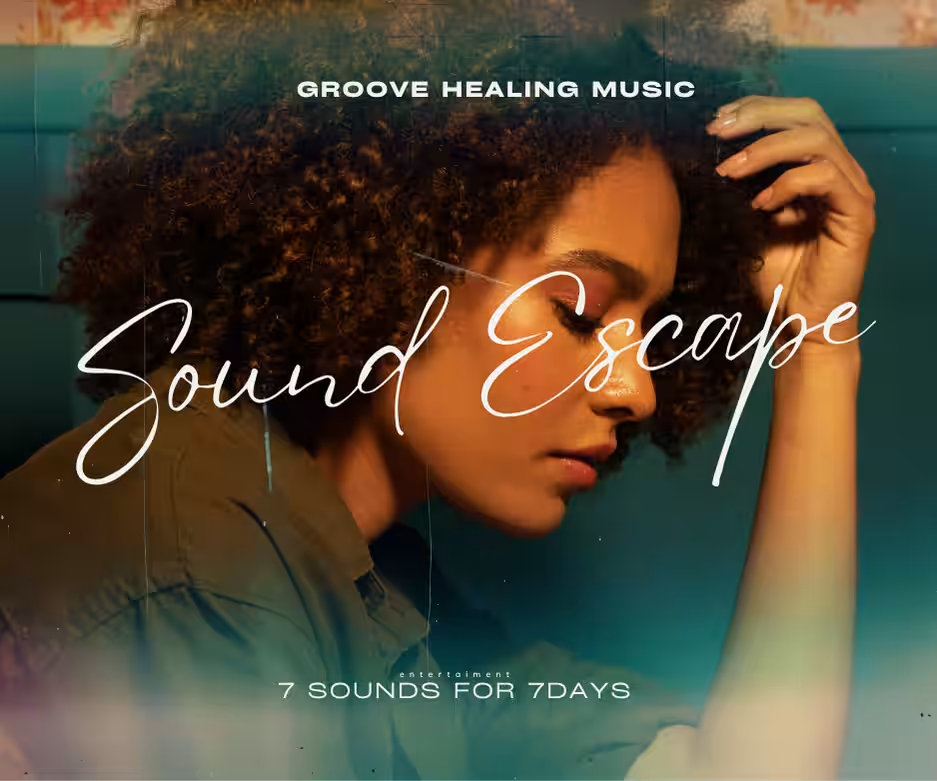
Since December 2025, Minat has been releasing her series of 'Groove Healing Music,' collaborating with various artists, including notable Grammy-nominated musician Magic Slim. These works incorporate complex polyrhythms designed to activate the brain's reward systems, leading individuals into states of profound relaxation. According to a survey conducted with over 100 participants, an overwhelming 90% reported experiencing a meditative state and significant changes in their mental landscape while listening to this music.
Participants noted improvements in areas such as reading efficiency, sustained concentration, and even sleep induction, showcasing the variety of benefits associated with this innovative auditory experience. The project is being developed by ONTSUBU LLC, a studio focusing on next-generation spatial sound design, which integrates insights from sound sensitivity and neuroscience.
Insights From the Survey
The survey revealed several key findings about the effects of this music:
- - Meditation and Focus:
- All participants acknowledged a change in body, mind, emotion, breathing, and brain activity after engaging with the sound.
- - Desire to Recommend: An impressive 95% expressed a strong wish to share their experiences with others.
- - Satisfaction Levels: The average satisfaction rating for the 'sound bath' experience was high, with approximately 90% feeling content with the effects of the polyrhythmic healing music.
Understanding the Science Behind the Healing
Why does Minat’s music promote relaxation and sustained focus? Survey feedback from a business owner with ADHD highlighted that they were able to concentrate for two uninterrupted hours while listening. Another individual remarked that they could work efficiently when engaging with this music, which they typically found distracting.
The mechanics behind this effect are rooted in brain science. When music plays, the brain begins to predict rhythms. When slight deviations or syncopations—characteristic of polyrhythms—are introduced, it activates the brain's reward pathways and triggers dopamine release, enhancing feelings of pleasure and concentration (Salimpoor et al., 2011). Minat adapts these principles within her compositions, non-mechanically replicating the nuanced timing found in human performances to further engage brain prediction functions.
Enhancing Reading and Cognitive Clarity
Numerous participants reported breakthroughs in their reading abilities while listening to this music. A former chiropractic student articulated that they could seamlessly read challenging material, experiencing a clear and organized thought process. This parallels findings in cognitive studies where polyrhythmic music has been associated with improved working memory and attention (Fitch & Rosenfeld, 2007). Moreover, research suggests that music therapy incorporating polyrhythms enhances cognitive function, making it an exciting avenue for dementia prevention strategies.
Inducing a Meditative State with Alpha and Theta Waves
Many participants also noted feelings of deep meditation, with reported shifts in brain waves correlating with the auditory experience. After listening to specific frequencies like the 528 Hz solfeggio tone, alpha wave activity significantly increased, promoting relaxation while allowing for focused engagement (Akimoto et al., 2018). Techniques employed include binaural beats that subtly vary frequencies between the ears, fostering a 'relaxed alertness' conducive to creativity and intuition, all while synchronizing breath to music’s rhythm.
The Dynamic of Movement and Relaxation
Surprisingly, some participants described a compelling urge to move or dance to the rhythms despite feeling calm. This paradox arises as music elicits endorphin release, which alleviates pain and enhances feelings of happiness (Dunbar et al., 2012). Minat's designs mimic the groovy rhythms found in genres like jazz and rock, crafting a musical atmosphere that encourages spontaneous movement and deep relaxation simultaneously.
The Unique Approach of Ikuyi Minat
Minat’s background of over 17 years in international performing arts allows her to transform ideas of 'ma' into auditory materials. Her profound respect for silence fosters not just a reduction of sound, but a design of space for thought. By drawing inspiration from Japan’s natural soundscapes—like the rustling of trees or ocean waves—she credits this cultural perspective as foundational to her musical crafting approach.
Future Opportunities: Sound Bath Experiences
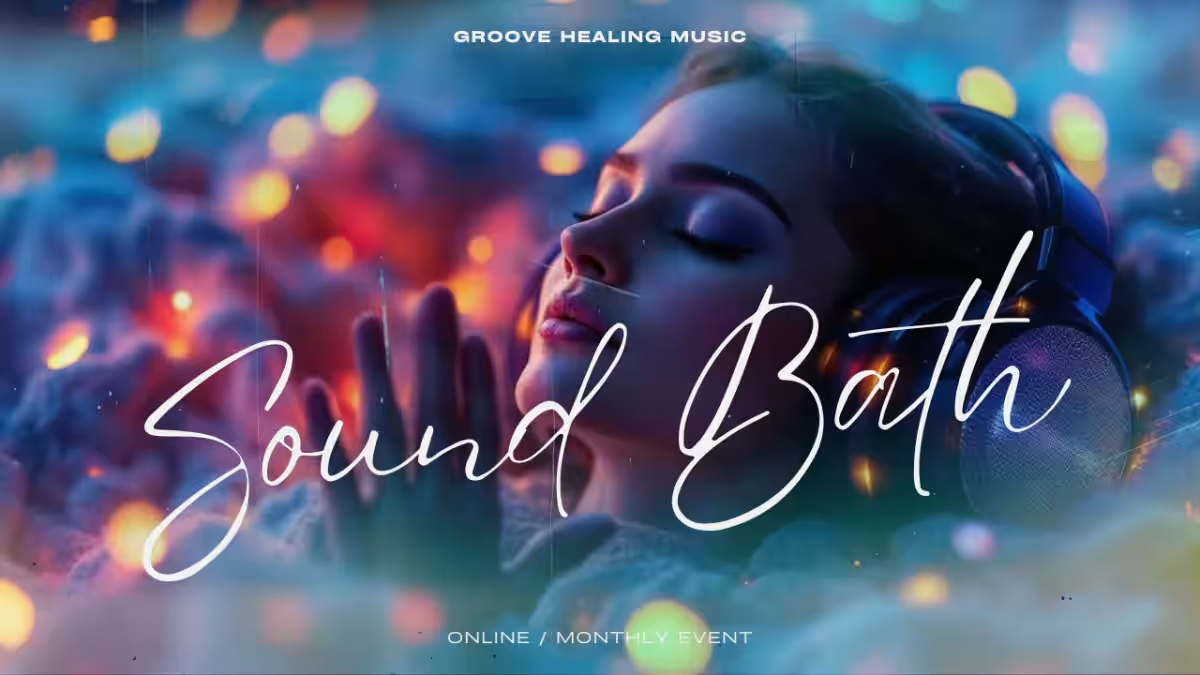
The phenomenon of 'Sound Bath' experiences is gaining international traction. As communities in the U.S. and beyond curate such events for wellness, ONTSUBU LLC is leading an online Sound Bath experience featuring 'Sri Lankan journaling' and sound meditation for personal development.
Concluding Thoughts
While many healing music options abound worldwide, Minat’s work uniquely emphasizes rhythm, human connection, and emotional resonance, transcending mere therapeutic sounds. Her fusion of aesthetic arts and academic insights creates a multi-dimensional auditory experience aimed not only at enjoyment but at scientifically grounded wellness. With ongoing research planned in neuroscience and potential applications in preventative healthcare, Ikuyi Minat presents a promising and innovative approach to sound's healing capabilities.
For more information on the online sound bath and other initiatives, please visit ONTSUBU's official website.











Topics Health)
【About Using Articles】
You can freely use the title and article content by linking to the page where the article is posted.
※ Images cannot be used.
【About Links】
Links are free to use.