



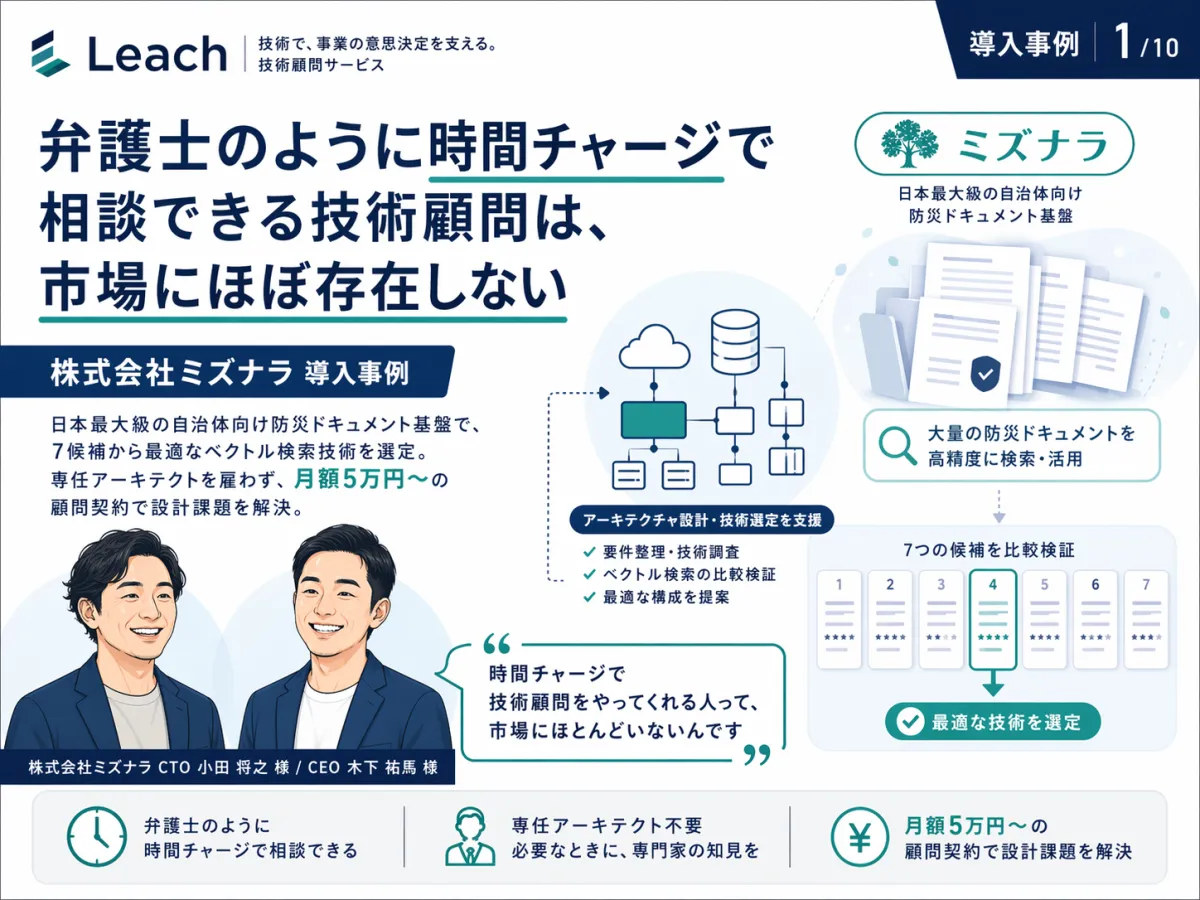
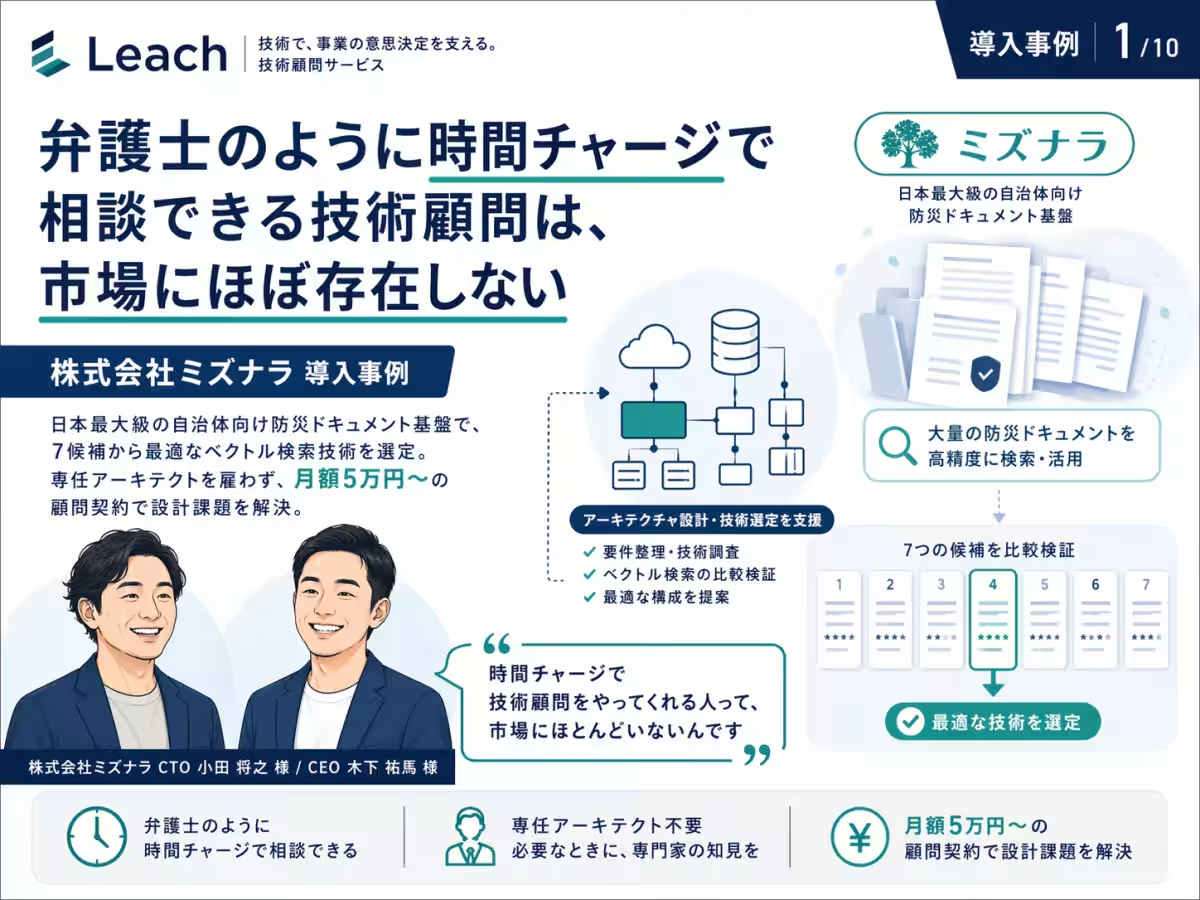
The Uncommon Role of Time-Charge Technical Advisors in Japan's Disaster Management Technology
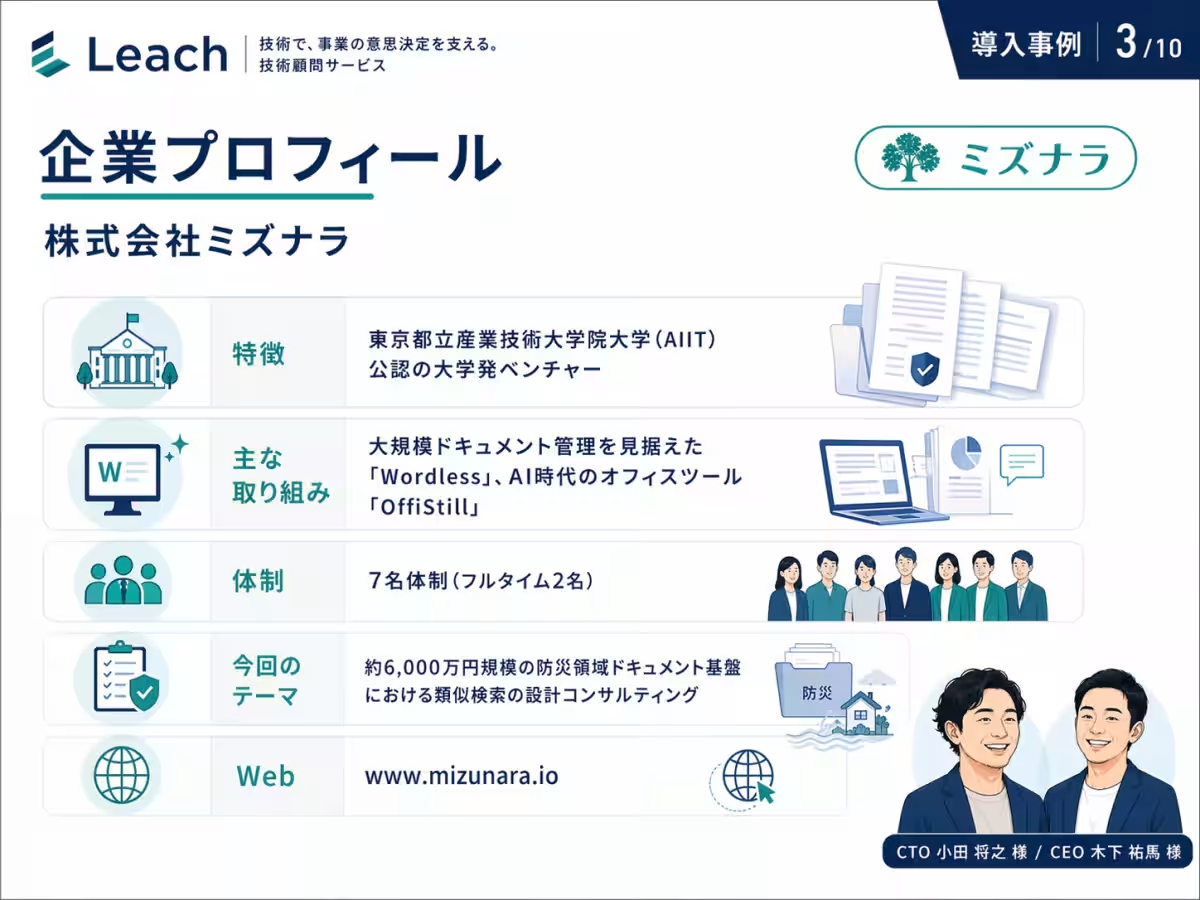
Mizunara Inc.: Bridging the Gap in Disaster Management with AI Solutions
Mizunara Inc. has established itself as a significant player in the realm of disaster management through its innovative approach to technical consulting. With an emphasis on delivering efficient document management solutions, Mizunara focuses on developing tools to handle large-scale documents like their flagship projects, “Wordless” and “OffiStill.” The company operates on the premise that managing, editing, and disseminating large bodies of documents is not simply about using Markdown, but rather requires a robust system that accommodates intricate data structures, including tables, diagrams, and citations.
Understanding the Challenge Before Mizunara's Intervention
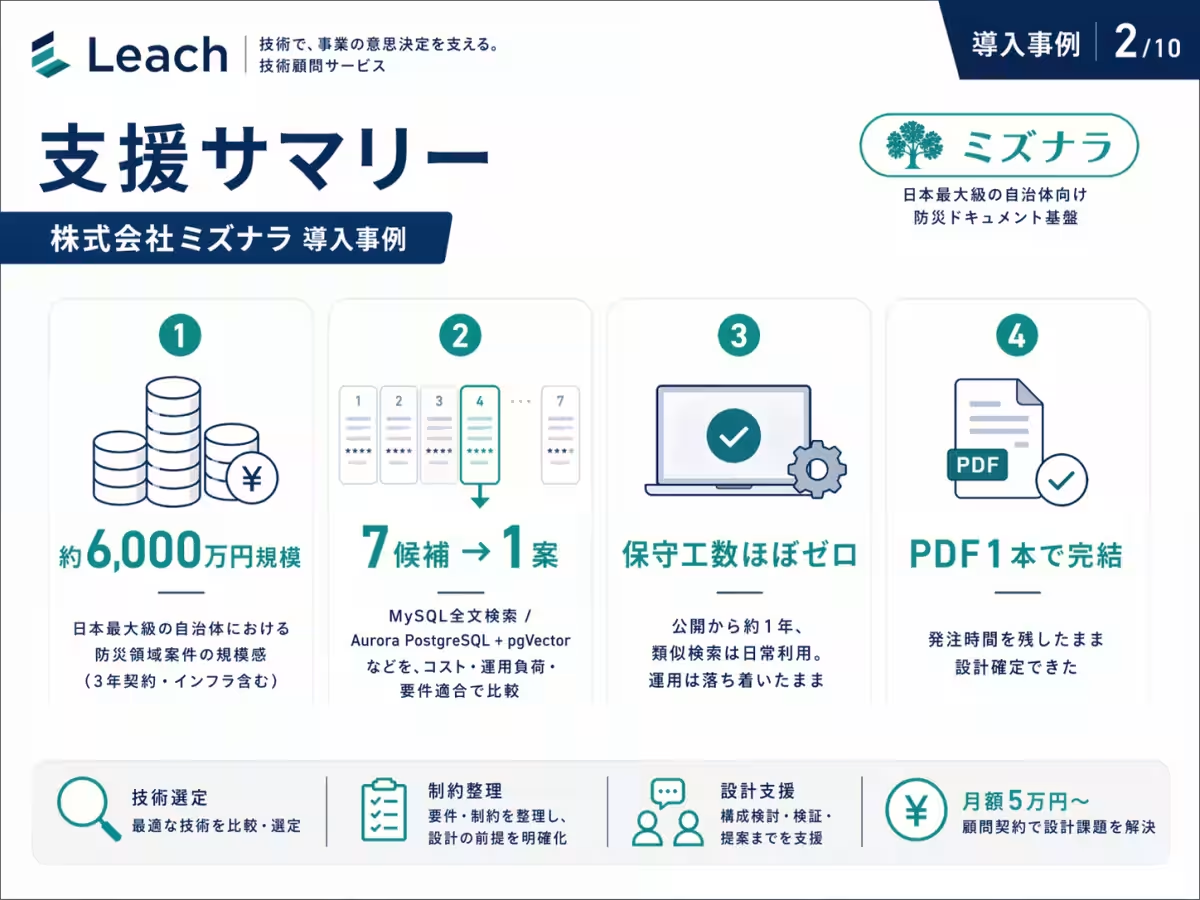
Before engaging with Mizunara, Japanese municipal governments faced a substantial challenge with approximately 600 million yen allocated over a three-year project aimed at developing a disaster management document infrastructure. The project intended to accumulate text extracted from numerous PDFs and images using Optical Character Recognition (OCR) technology for easy search and accessibility on the web.
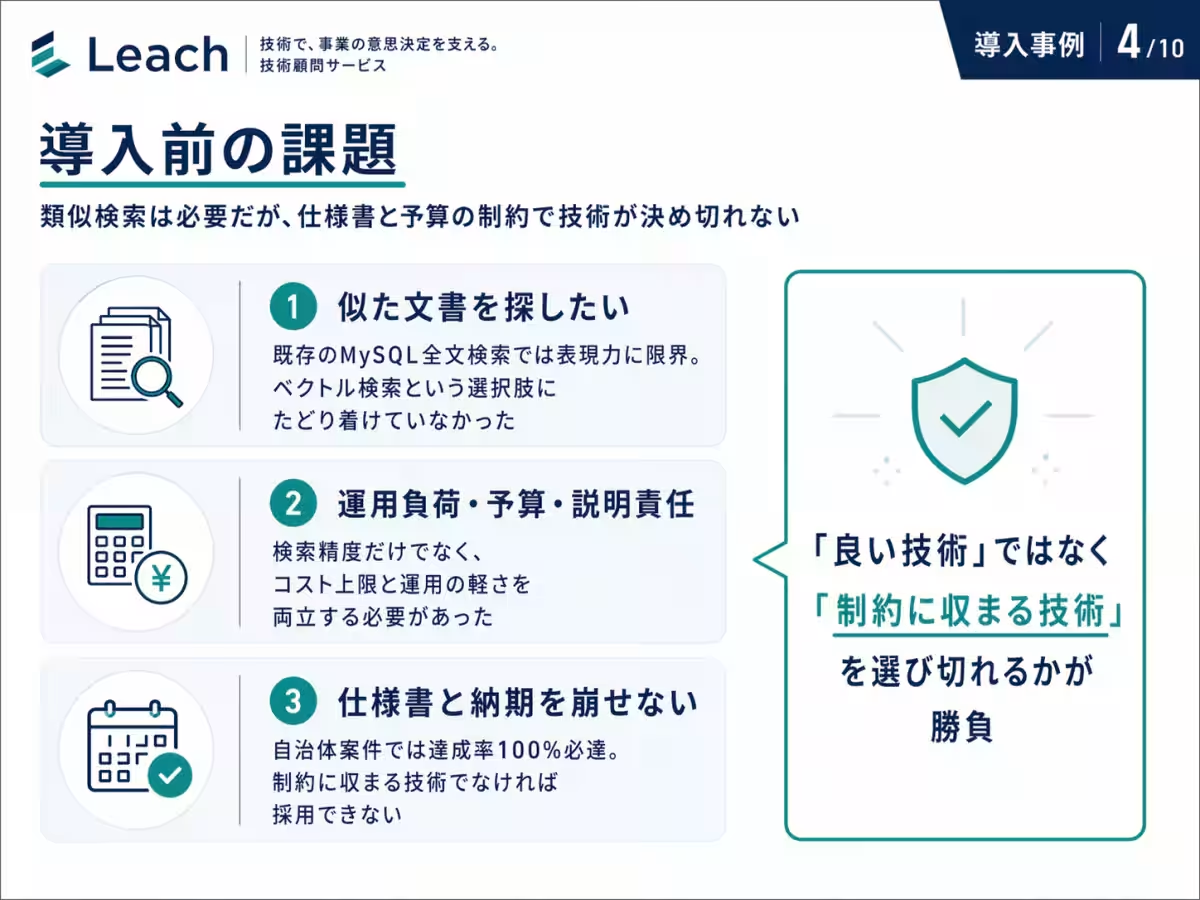
One of the predominant issues was the need for a sophisticated search function to find similar documents. Despite this necessity, internal stakeholders struggled to determine the appropriate technology to implement due to their limited expertise. Relying solely on the existing MySQL database for full-text search created inherent limitations, as it lacked the expressive capabilities needed for advanced search functionalities.
This ambiguous situation prompted consultations with Leach's AI advisors. Initially, Mizunara had a vague request, longing for a system that could facilitate the discovery of similar documents, but it lacked the precise technology roadmap. In response, Leach proposed looking into vector search technologies, which was an avenue that Mizunara had not yet explored.
Regulatory Constraints and Search Functionality
Municipal projects often operate under stringent commitments, where achieving 100% of project goals is mandatory. Despite the pressure to explore alternative ideas, any deviation from the specifications outlined in project documents could jeopardize project timelines, potentially leading to lost funding and project failure.
Under these constraints, Mizunara faced three core challenges: identifying the right technology to implement for discovering similar documents, maintaining operational efficiency within budget limits, and ensuring the project timeline remained uninterrupted by the introduction of new elements.
The Decision to Collaborate with Leach
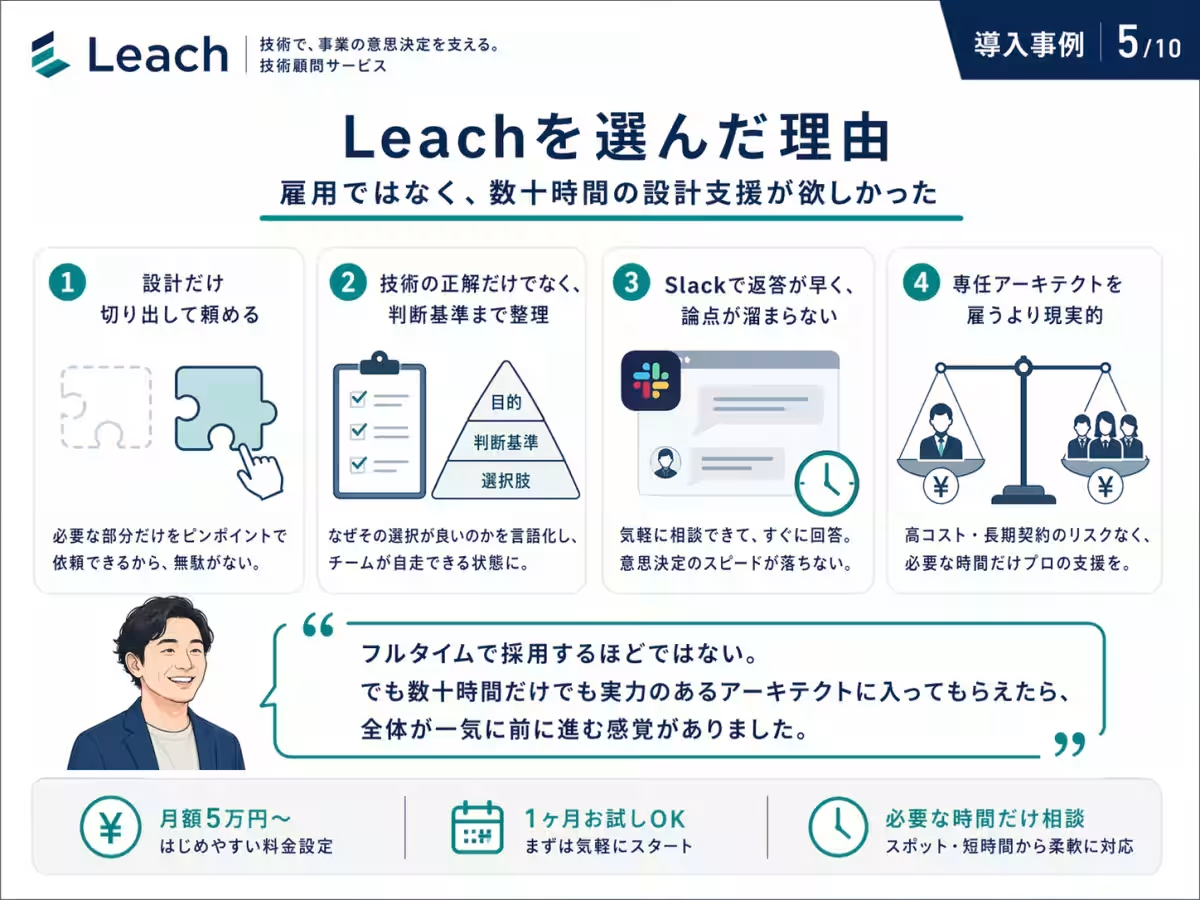
In seeking technical guidance, Mizunara did not require a full-fledged hire; they needed expert architectural support. With limited manpower and budgetary considerations, enlisting a seasoned architect for only a few dozen hours was an attractive solution for Mizunara. Leach's expert,富永氏, was already recognized for his exceptional architectural capabilities, particularly with AWS technologies, making him the ideal candidate for this consultation.
What set Leach apart was not merely the ability to provide answers; they could also help Mizunara evaluate selection criteria. By responding quickly via Slack, they ensured no questions lingered unanswered, allowing for timely decision-making.
Assessing Search Technology Options
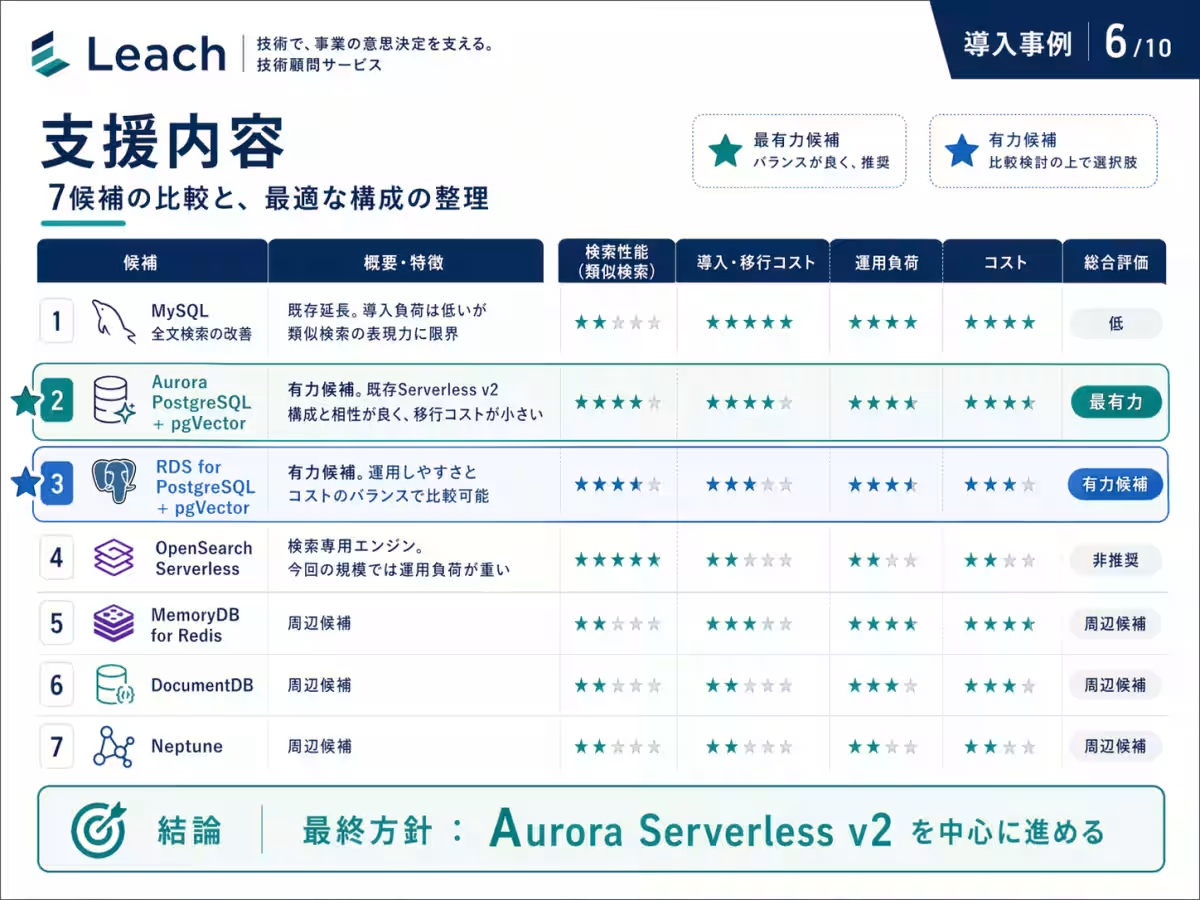
Leach's primary support centered around selecting the most suitable method for similarity searches, beginning with a proposal for vector searches. They laid out seven possible candidates based on cost, operational load, and requirement alignment.
The Candidates Explored:
1. MySQL Full Text Search Improvement: While easy to implement, it inherently lacked the required expressiveness for similarity searches.
2. Aurora PostgreSQL + pgVector: A strong candidate known for its compatibility with existing serverless configurations.
3. RDS for PostgreSQL + pgVector: Similarly competitive regarding operational ease and cost-effectiveness.
4. OpenSearch Serverless: Effective for expansive datasets but heavier on operational demands.
5. MemoryDB for Redis: Lagged in suitability for main objectives.
6. DocumentDB: Dismissed after assessing applicability and scalability.
7. Neptune: Overly complex for the current scenario.
Ultimately, Aurora Serverless v2 emerged as the preferred solution due to its alignment with Mizunara's existing setup and cost considerations. Each option was evaluated rigorously, considering real-world operational costs and the essential aspects of the project's constraints.
One Year Later: The Success of the Search Function
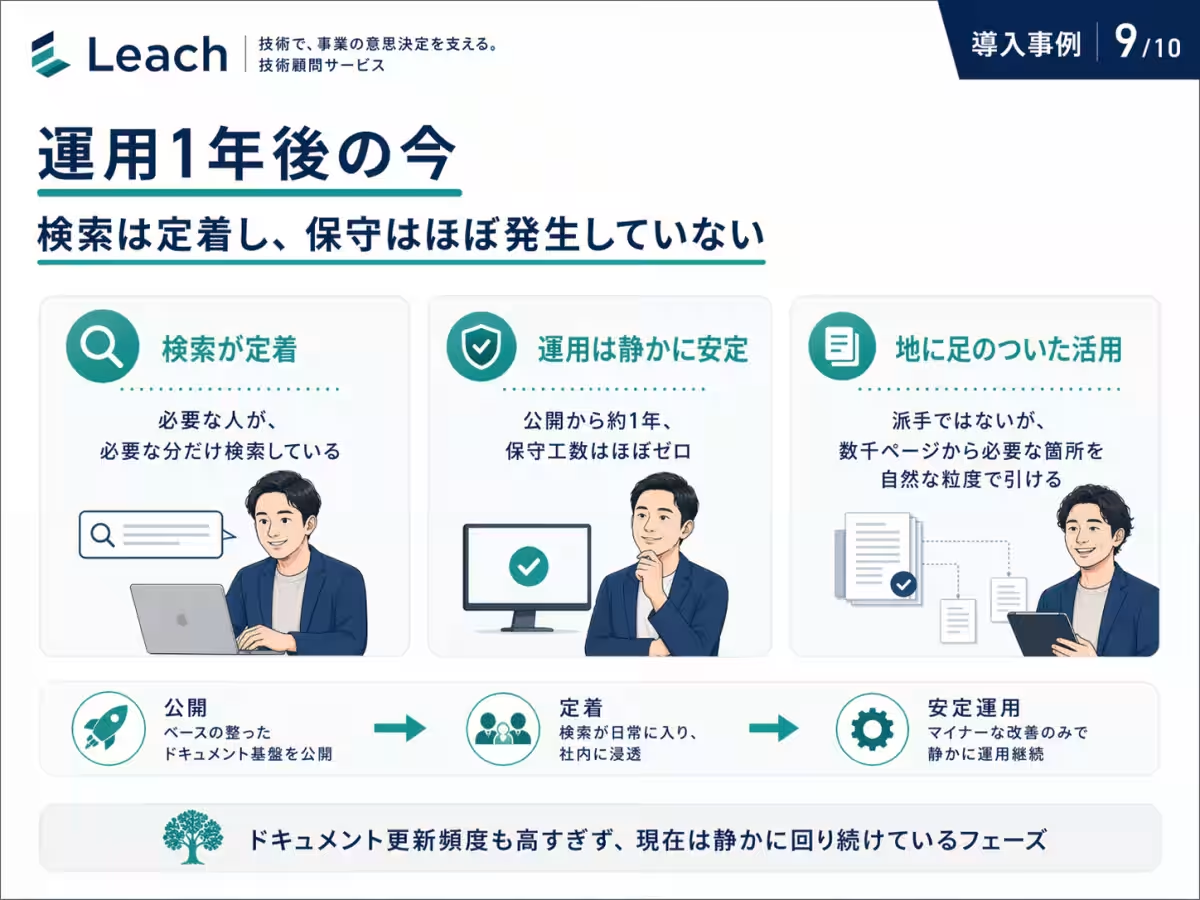
Fast forward a year, and the impact of implemented solutions has been decidedly positive. The similar document search features are not just an embellishment but are utilized routinely by team members to access pertinent information seamlessly.
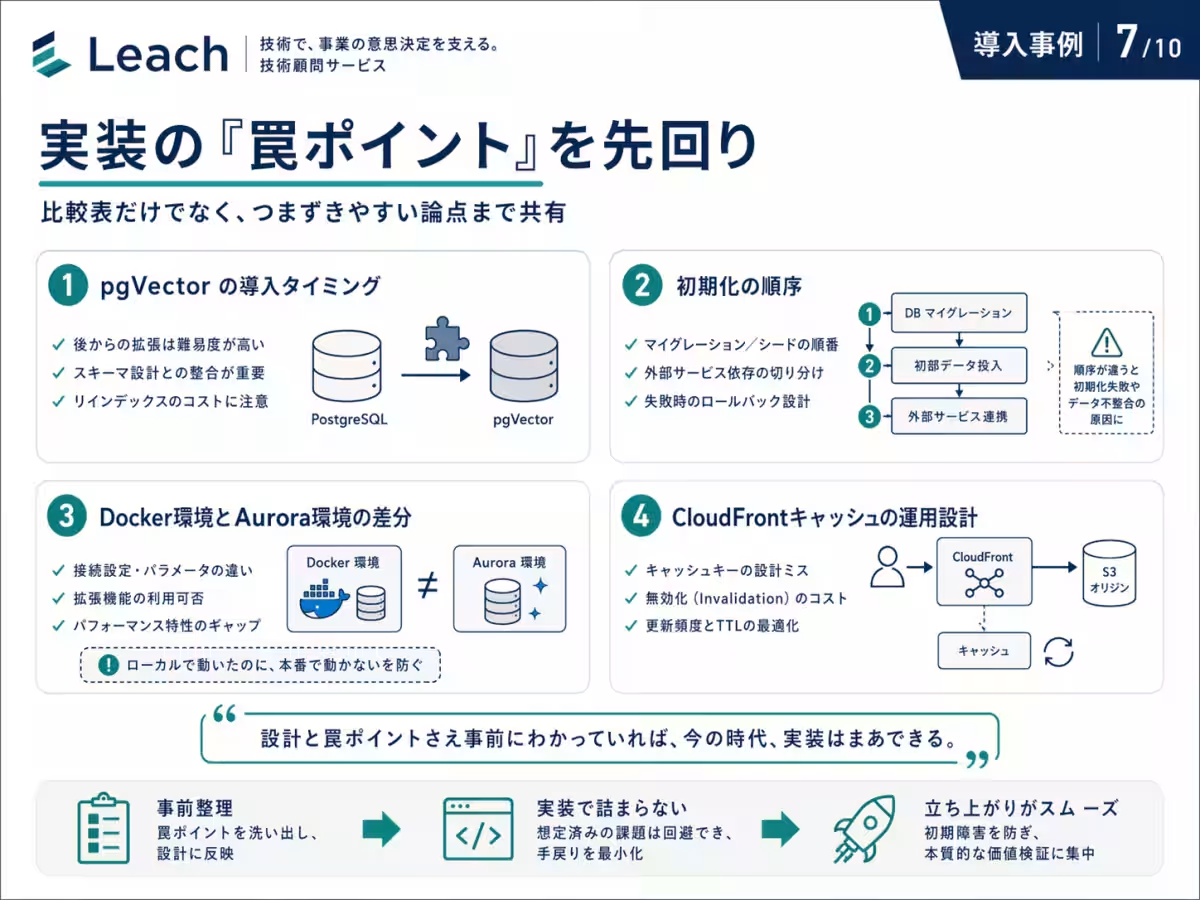
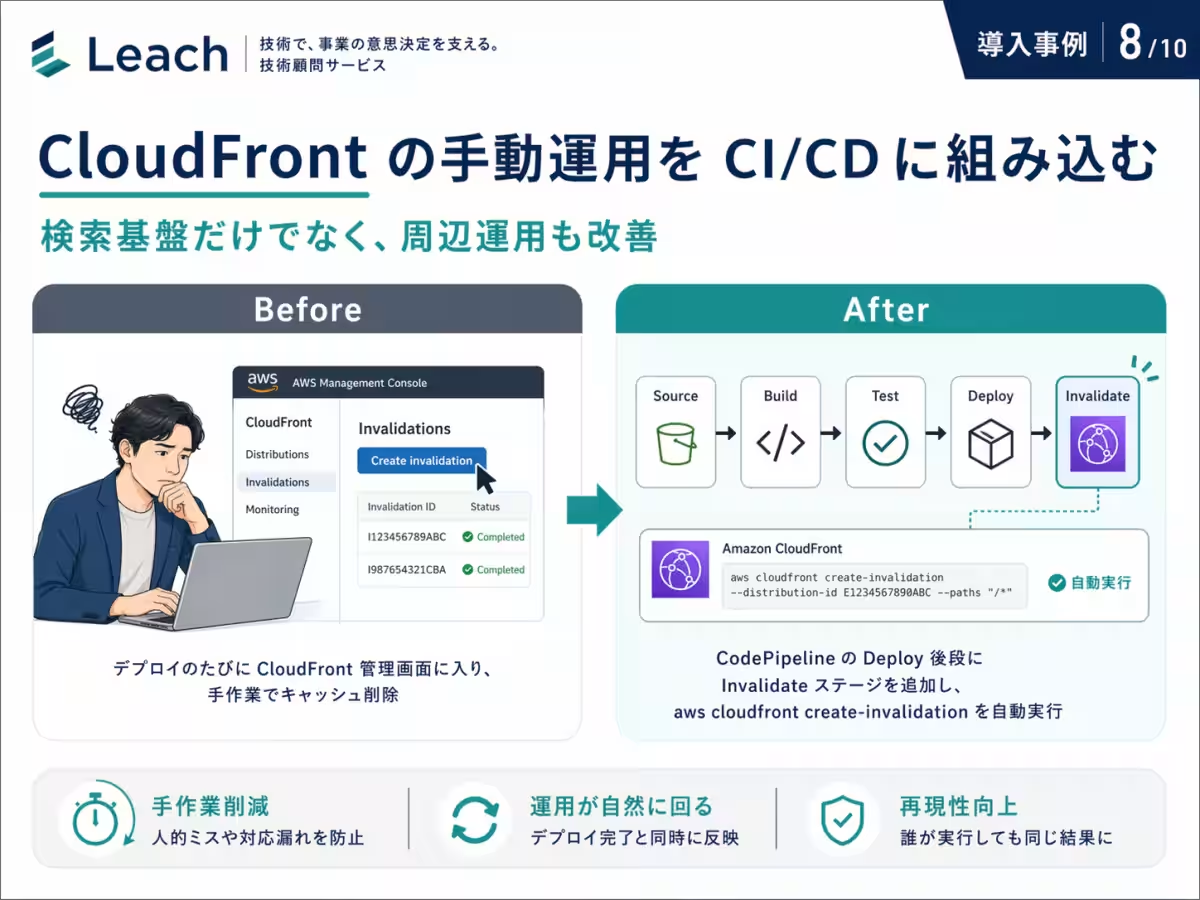
Mizunara's CTO noted that the insights gained from Leach allowed them to navigate past potential pitfalls during implementation smoothly. The successful deployment involved integrating processes that automated operations, streamlining workflows, and ultimately achieving a system that functions quietly and effectively without heavy maintenance requirements.
Conclusion and Future Directions
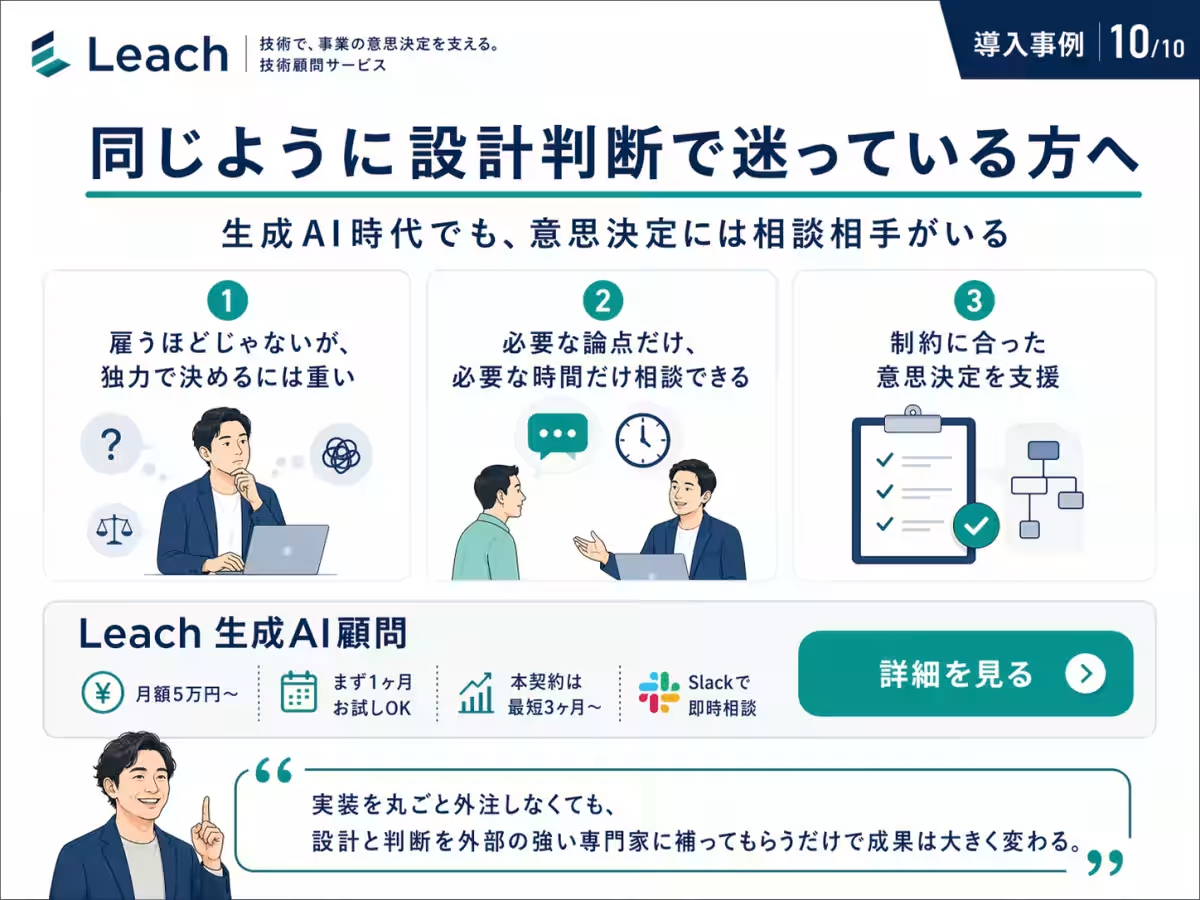
The collaboration between Mizunara and Leach exemplifies how effective technical advisory solutions can profoundly enhance project outcomes for companies that grapple with complex operational risk. As the landscape of technology continually evolves, the value of having an experienced consultant alongside for critical decision-making will only continue to grow. Companies facing similar challenges can turn to Leach's services, which are available at an accessible price point, ensuring they can tap into expert insights as needed without the permanence of hiring full-time staff.
With the ongoing evolution of AI technology, the challenges of selecting the right systems may grow; however, having a trusted advisor remains invaluable. Mizunara’s experience serves as a timely reminder of the significance of expert guidance in transforming potential obstacles into remarkable achievements.


Topics Business Technology)

【About Using Articles】
You can freely use the title and article content by linking to the page where the article is posted.
※ Images cannot be used.
【About Links】
Links are free to use.