




Shaping the Future: AI's Role in Children's Education and Skill Development
The Future of Education: AI's Impact on Skill Development in Children
In collaboration with Preferred Networks (PFN), a leading AI technology startup based in Tokyo, the Yaruqi Switch Group, known for its comprehensive educational services, has conducted an insightful survey about AI's role in the education and skill development of children. As AI technologies advance rapidly, society and business demands evolve, necessitating a fundamental transformation in the educational landscape.
The study focused on PFN employees, who are actively engaged in AI development and application, to gather their insights on practical AI usage in their daily work, their views on AI's role in future education, and the skills they believe children should develop.
Free Exploration under Adult Supervision
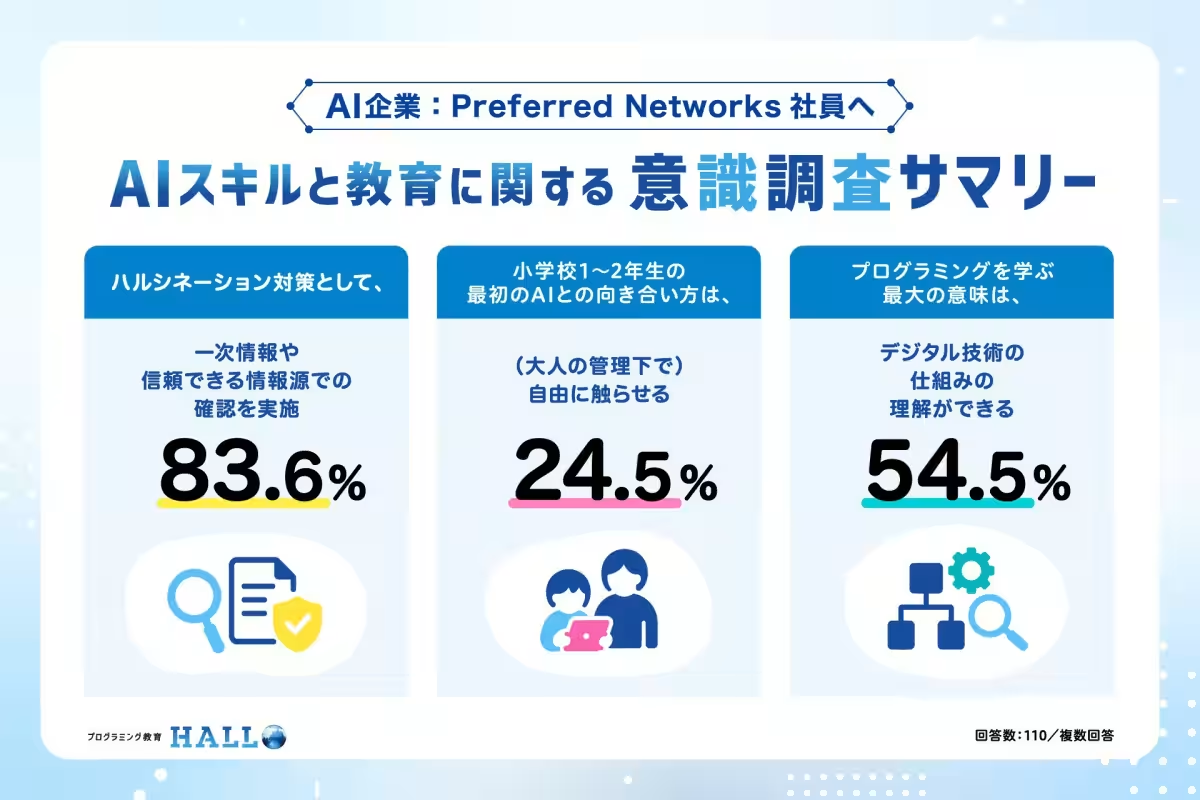
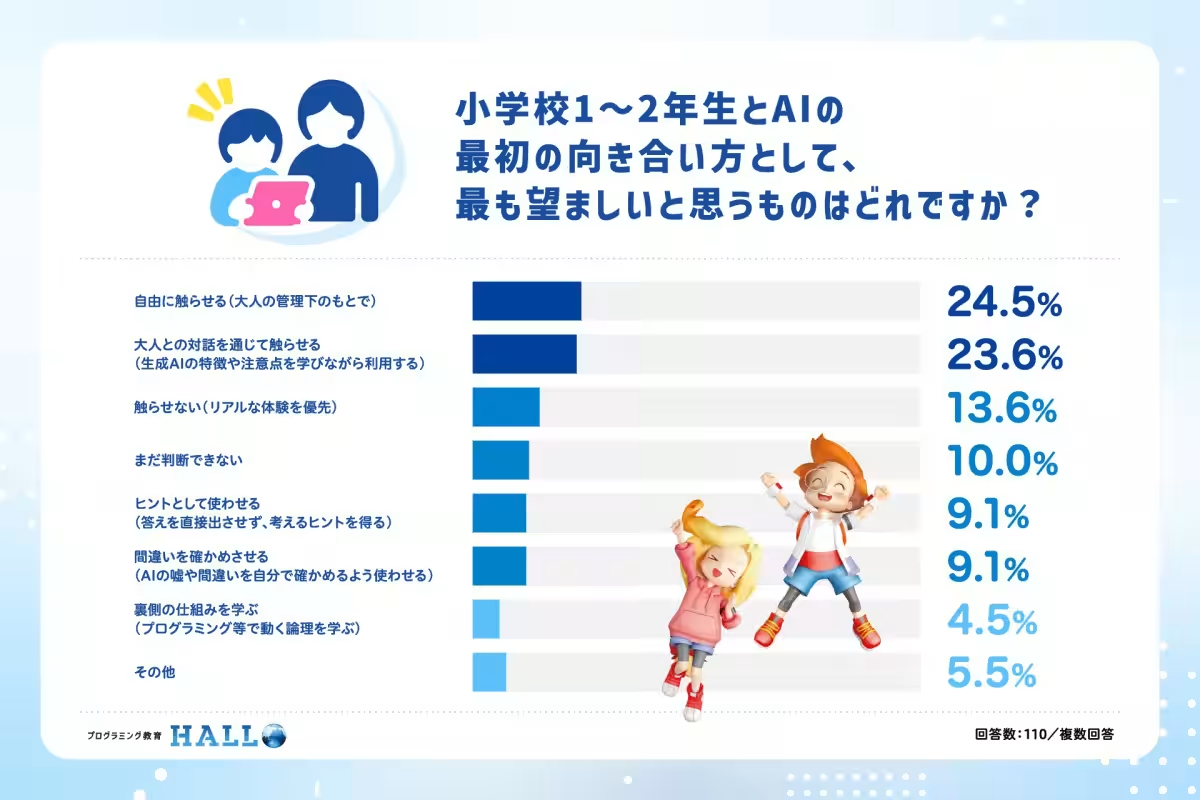
A significant finding from this survey indicates that a majority of PFN employees advocate for allowing children to explore AI freely, with appropriate adult supervision. This reflects a shift from restrictive policies to a more holistic approach where children learn through exploration. According to comments from Sale Manager Makoto Yamashita, this approach symbolizes a new educational paradigm in the AI era—a paradigm where engagement with technology is not about prohibition but about guided exploration and learning experiences.
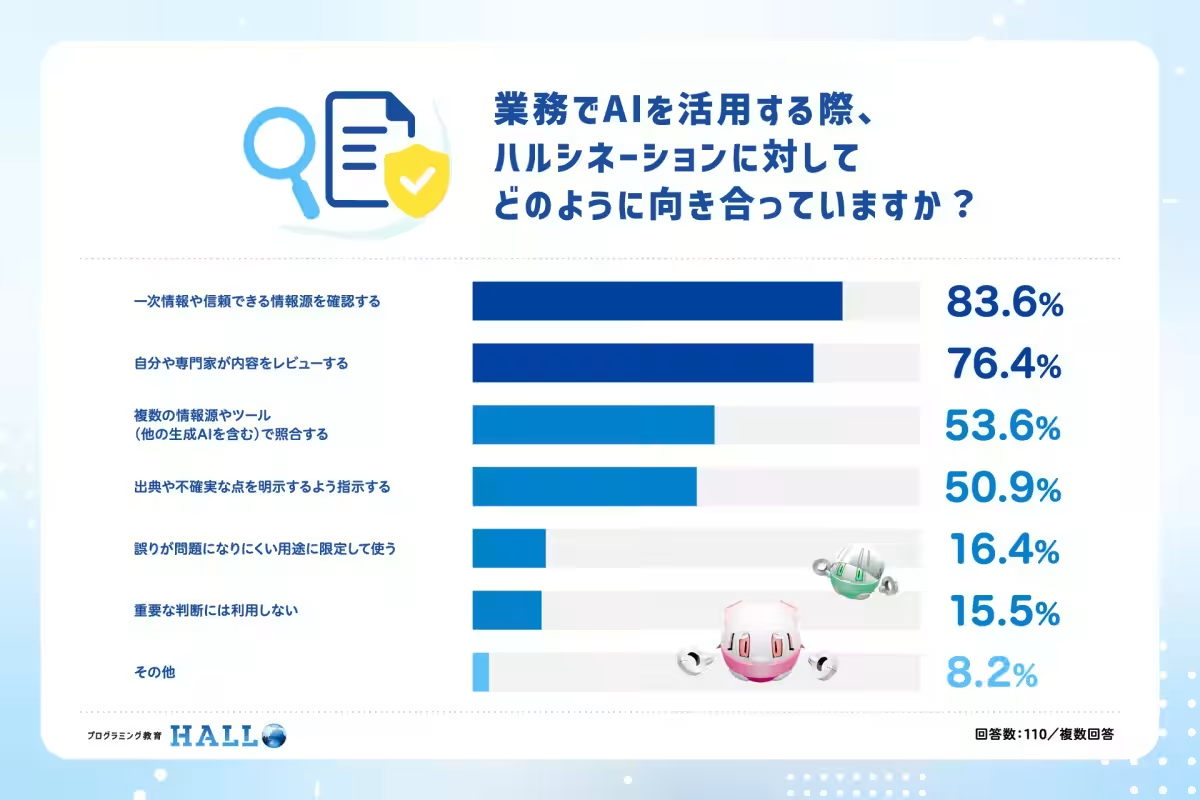
Children’s intellectual curiosity is nurtured when they interact with technology without unnecessary restrictions. The survey emphasizes that encounter with AI should be coupled with critical thinking skills; thus, the concept of verifying primary sources to combat AI hallucinations was highlighted by 83.6% of respondents.
This focus on critical engagement signals the necessity for children to cultivate their own analytical abilities and understand the mechanisms behind AI technologies. The need for adults to oversee and instruct during these engagements cannot be understated, as it balances freedom with safety.
Programming Education HALLO: More Than Just Coding
The HALLO® programming education initiative has developed a curriculum that encompasses not only coding education but also a comprehensive understanding of the underlying theories and applications of computer science, including AI technologies. The educational framework emphasizes three critical abilities:
1. Logical Thinking: Through the Playgram™ programming materials, children develop problem-solving skills that foster a habit of trial and error.
2. Creativity: Shifting from visual programming to languages like Python encourages children to transition from consumers to creators in the digital world.
3. Presentation Skills: Regular presentations foster self-esteem and collaboration skills, helping children articulate their thought processes and challenges.
These educational strategies aim to equip children with the resilience and adaptability to navigate an ever-evolving technological landscape without being overwhelmed by it.
Insights from the PFN Workforce
The findings of the survey provide crucial insights:
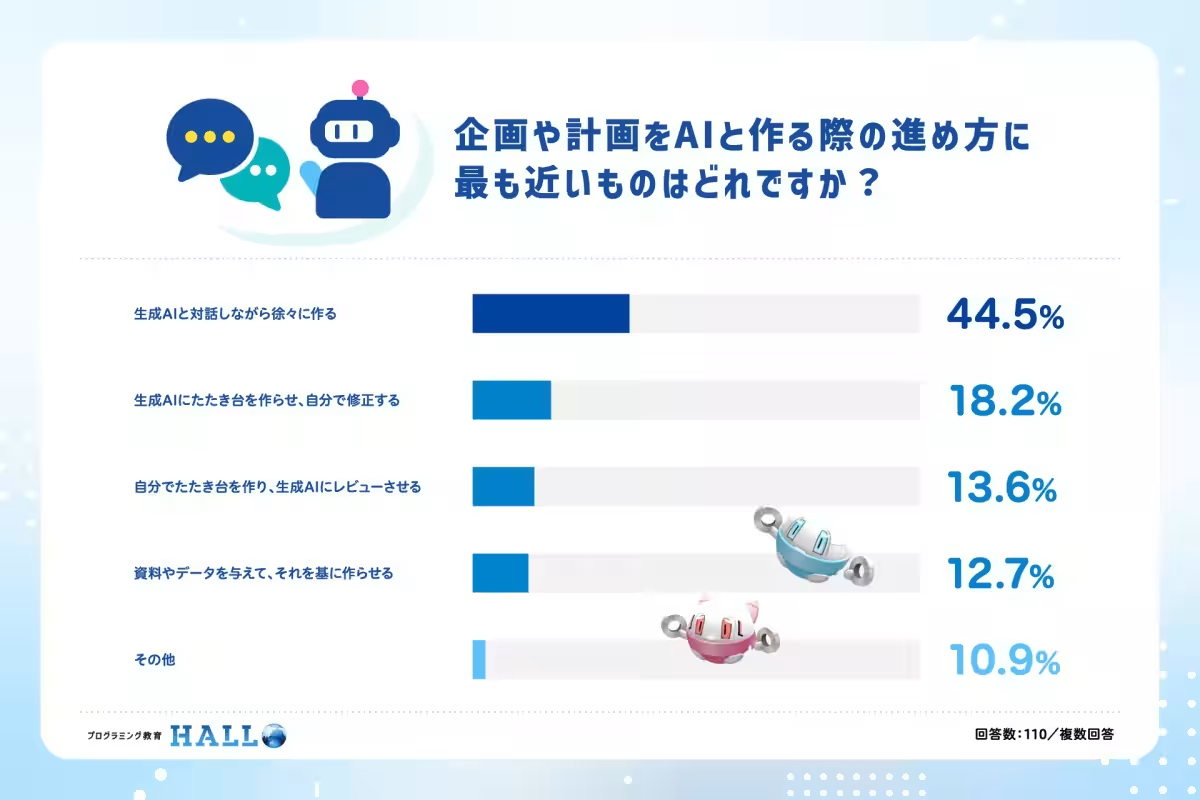
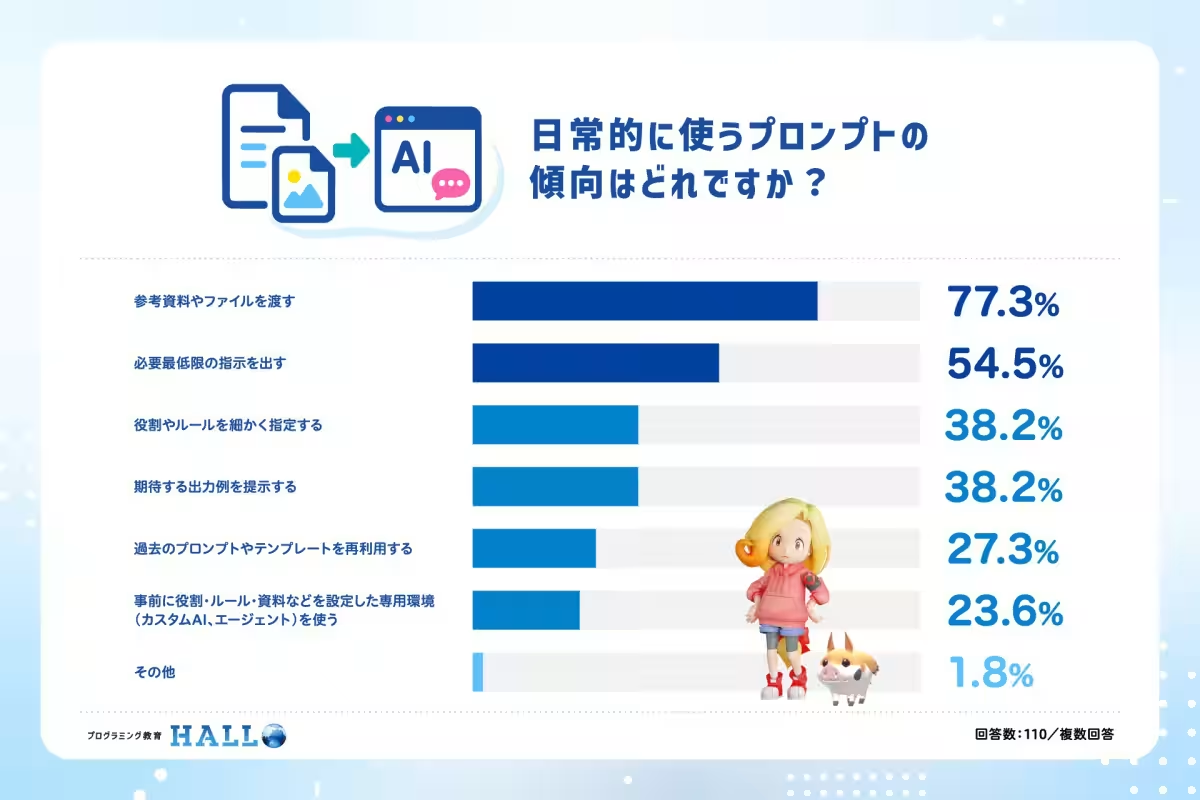
- - When creating plans with AI, 44.5% of PFN employees indicated that they prefer to gradually build their ideas through dialogues with generative AI, while the majority use reference materials or files as prompts (77.3%).
- - High concern regarding AI-generated hallucinations led 83.6% of employees to double-check information against reliable sources and seek expert reviews before accepting AI outputs.
- - For first and second graders, the preferred way to introduce AI involves allowing them to interact freely under adult supervision (24.5%), which reflects a growth-minded outlook towards technology.
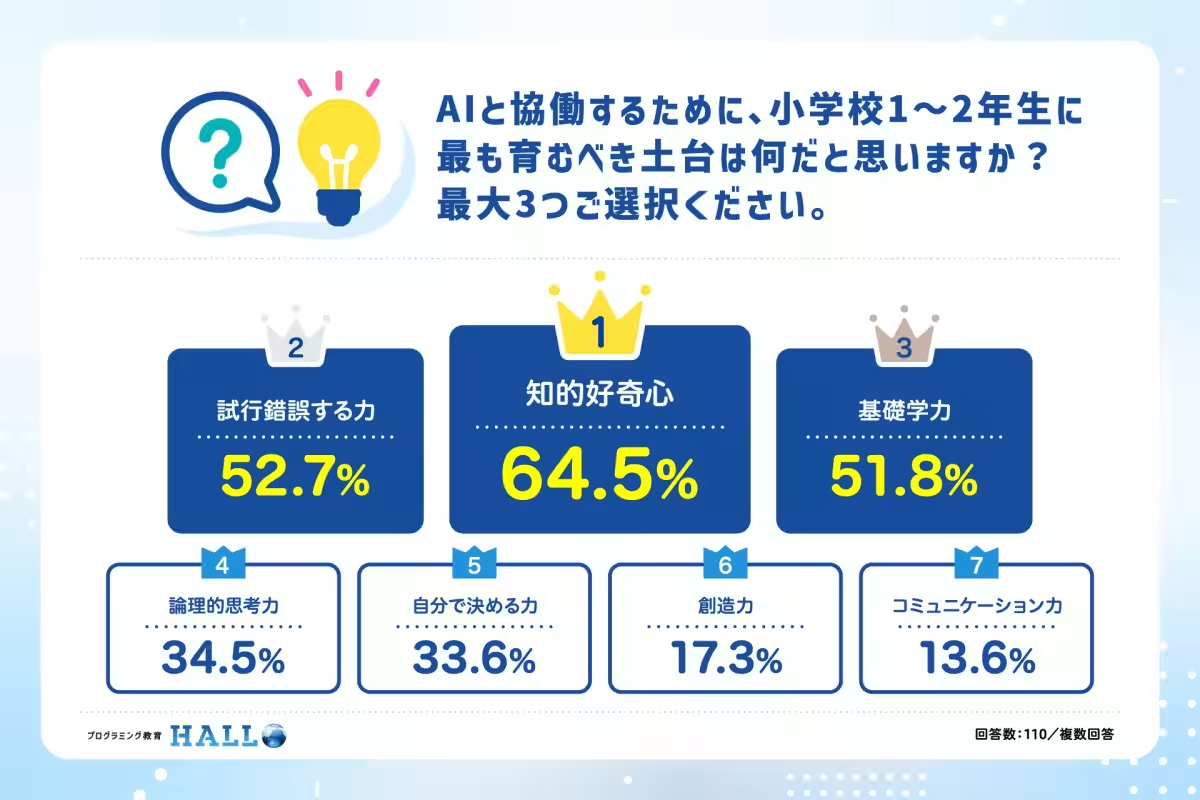
- - The survey identified that fostering intellectual curiosity (64.5%) and the ability to experiment (52.7%) are crucial foundations necessary for effective collaboration with AI.
The Purpose of Learning Programming
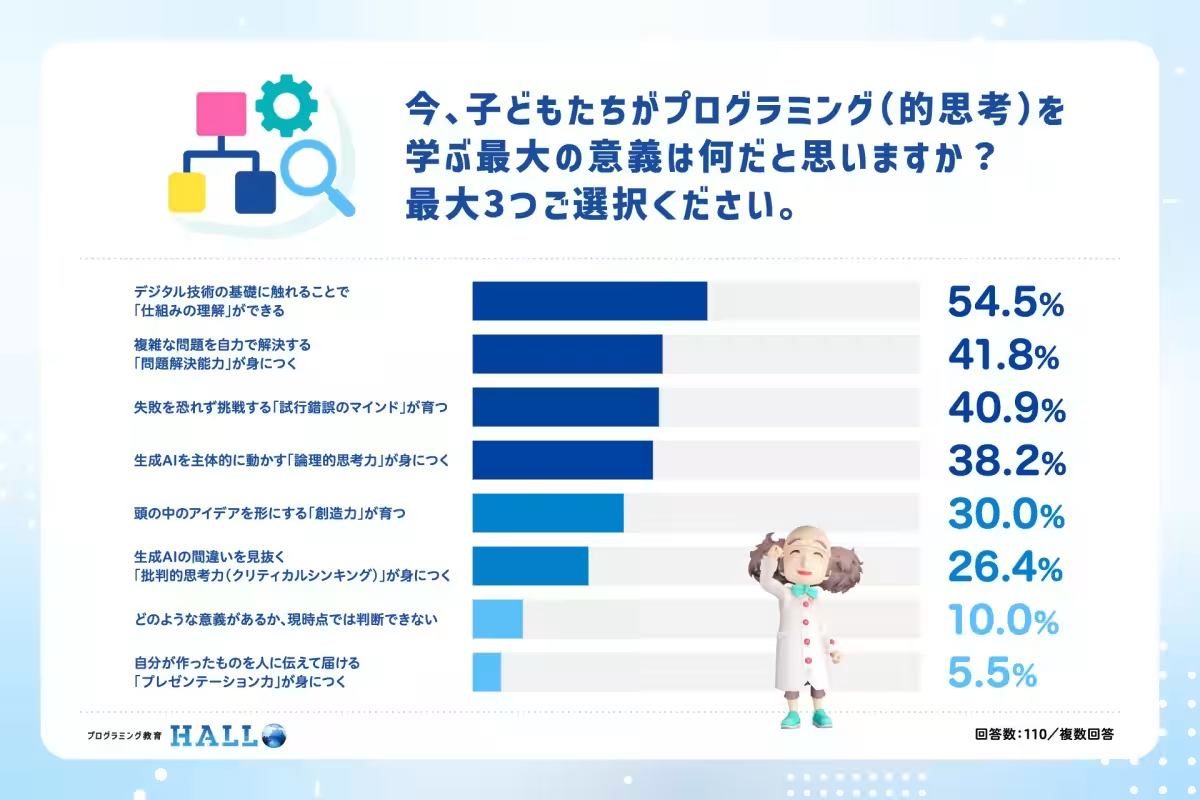
When asked about the most significant benefits of programming education, participants asserted that learning digital skills helped children understand complex systems (54.5%) and improved their problem-solving abilities (41.8%).
PFN employees expressed their belief that learning programming transcends simply writing code. Understanding the mechanics of technology empowers children to become active participants in their own education rather than passive recipients. This reinforces the idea of AI as a partner in the learning journey, rather than just a tool for completing tasks.
Wishing for an AI-Enhanced Childhood
Numerous PFN employees shared their reflections on how their lives might have been altered had AI been commonplace during their childhoods. Comments revealed hopes that AI would have allowed them to explore creativity, overcome regional disadvantages, and engage directly with complex subjects at their own pace.
- - Comments included reflections on how having AI would have supported their entrepreneurial spirits and expanded their experiential horizons, nurturing their intellectual curiosity and creativity in ways that structured education could not.
- - The consensus emphasized that AI could have fostered a learning environment where children were encouraged to ask questions and tackle challenges without fear of failure.
Conclusion
The survey underscores an urgent need to adapt education methods to embrace the capabilities AI can provide. By allowing children to explore AI responsibly under adult guidance, we can nurture a generation that is not only familiar with digital technology but is also prepared to innovate and thrive in a technologically driven future. The success of the HALLO program showcases the potential for comprehensive programming education to prepare children for lives where they can shape their paths in an AI-enabled world.


Topics Consumer Technology)
【About Using Articles】
You can freely use the title and article content by linking to the page where the article is posted.
※ Images cannot be used.
【About Links】
Links are free to use.