



Exploring Kamakura's Unique Perspectives Through Foreign and Japanese Tourists' Lenses
Kamakura: A Tale of Two Perspectives
Kamakura, a picturesque coastal town in Japan, has long been a favorite destination for both local and international tourists. Despite sharing the same stunning landscapes, the perspectives of these two groups diverge significantly. British sociologist John Urry, in his book The Tourist Gaze, highlighted that tourists tend to look for what they are culturally prepared to see, rather than merely observing their surroundings. This idea serves as the foundation for exploring how foreign visitors and Japanese tourists capture the beauty of Kamakura through their lenses.
The Study
In an effort to understand the differences in how Kamakura is represented in photographs shared on social media, a comprehensive analysis was conducted by JTB Research Institute, led by President Yuuto Kazama. The focus was primarily on Instagram, where photos tagged with #Kamakura and #kamakura were examined for their color schemes, focal points, and perspectives. The study involved 200 foreign tourists, split evenly between Westerners and Asians, and 200 Japanese tourists. Conducted between September and November 2025, the results offer fascinating insights into the cultural lenses through which each group views Kamakura.
Key Findings
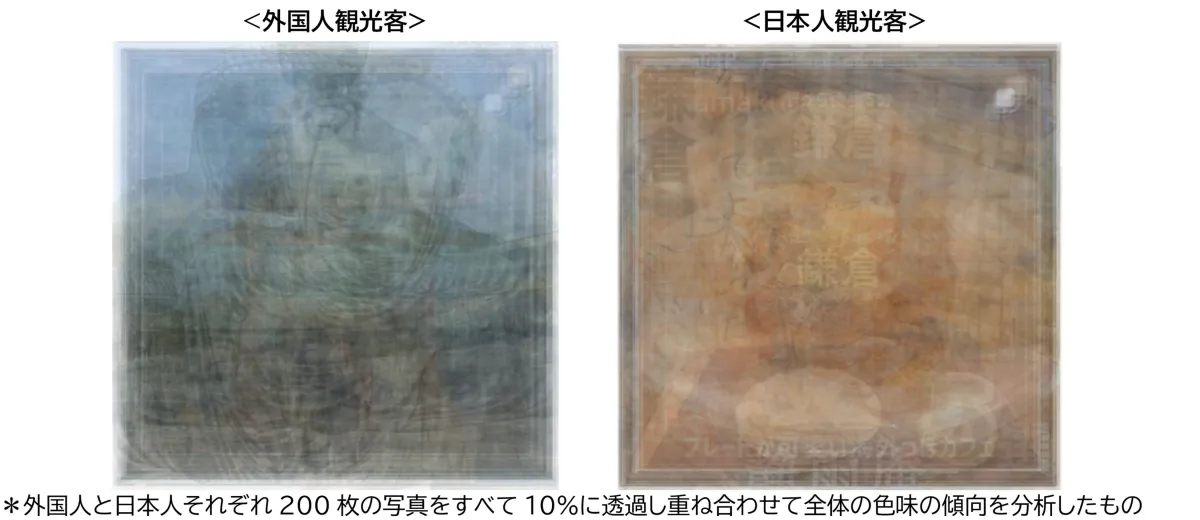
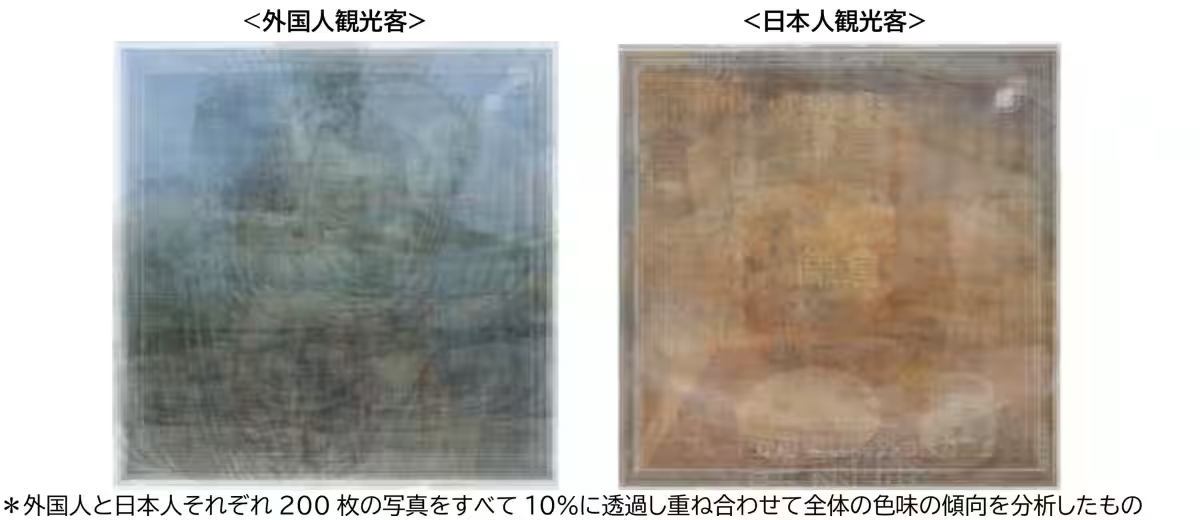
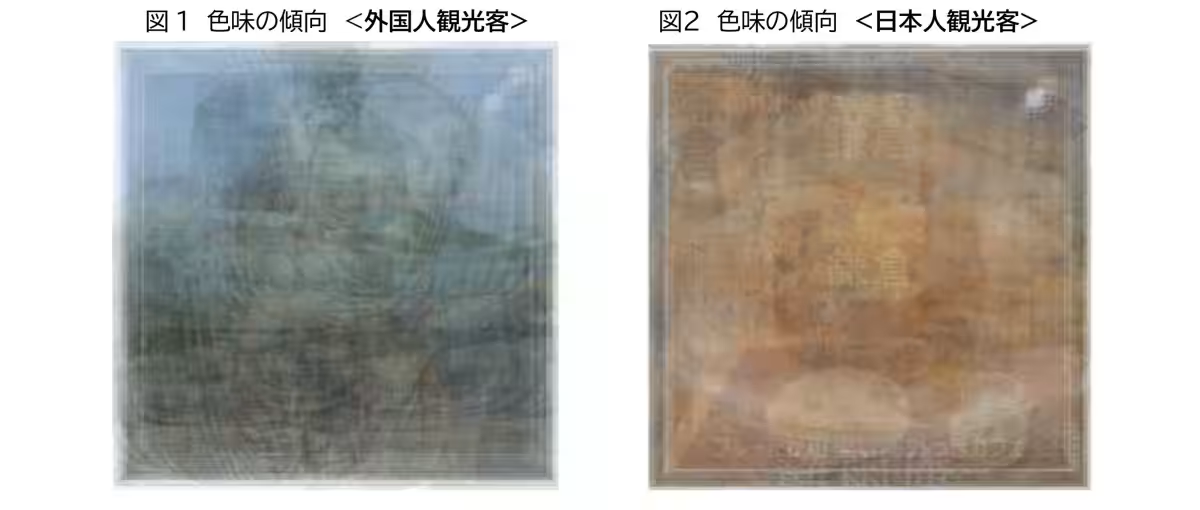
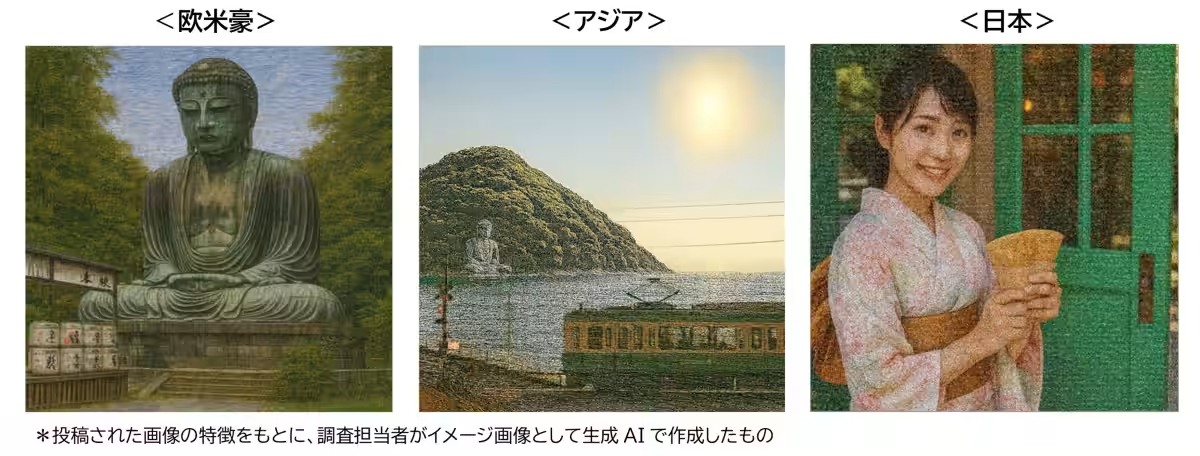
1. Color Perception: The most striking difference is in color representation. Foreign tourists predominantly see Kamakura through a palette of cool bluish and green tones, while Japanese tourists capture it through warmer shades of orange and yellow. When overlaying 200 photographs from each group, significant variance in color trends emerged, indicating distinct emotional and cultural associations with the scenery.
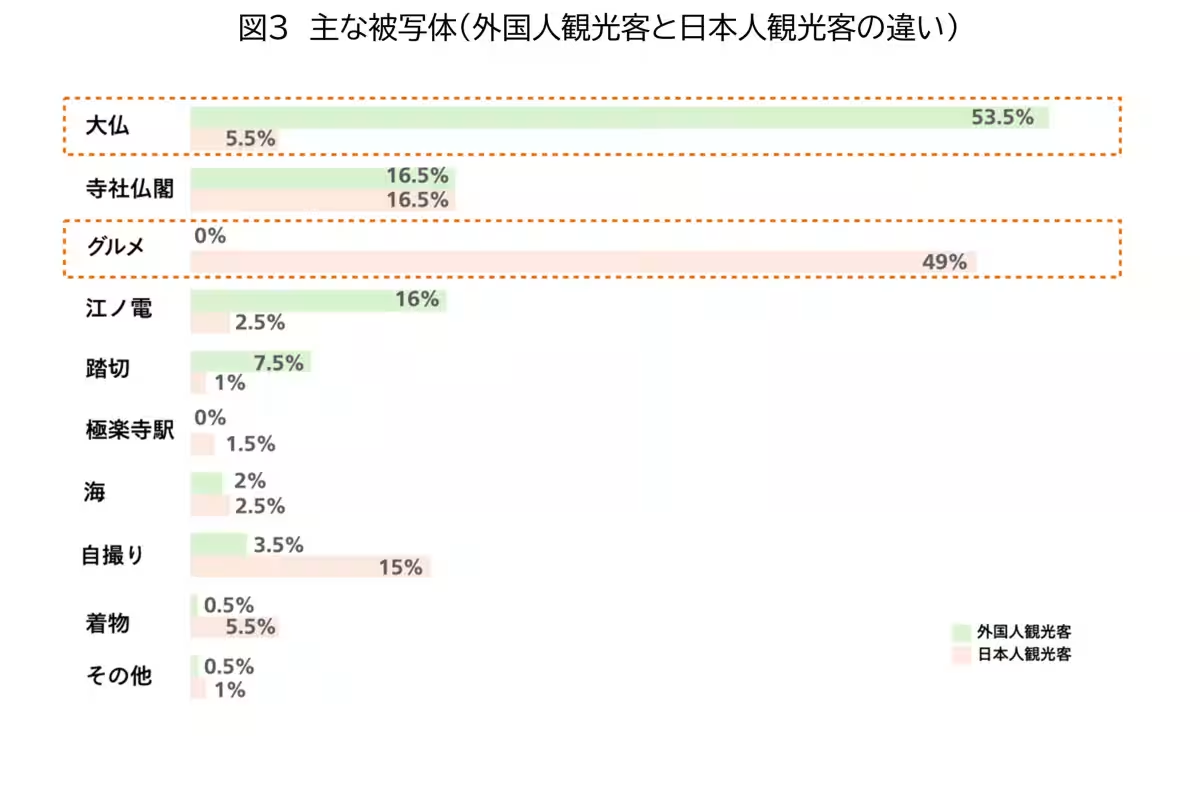
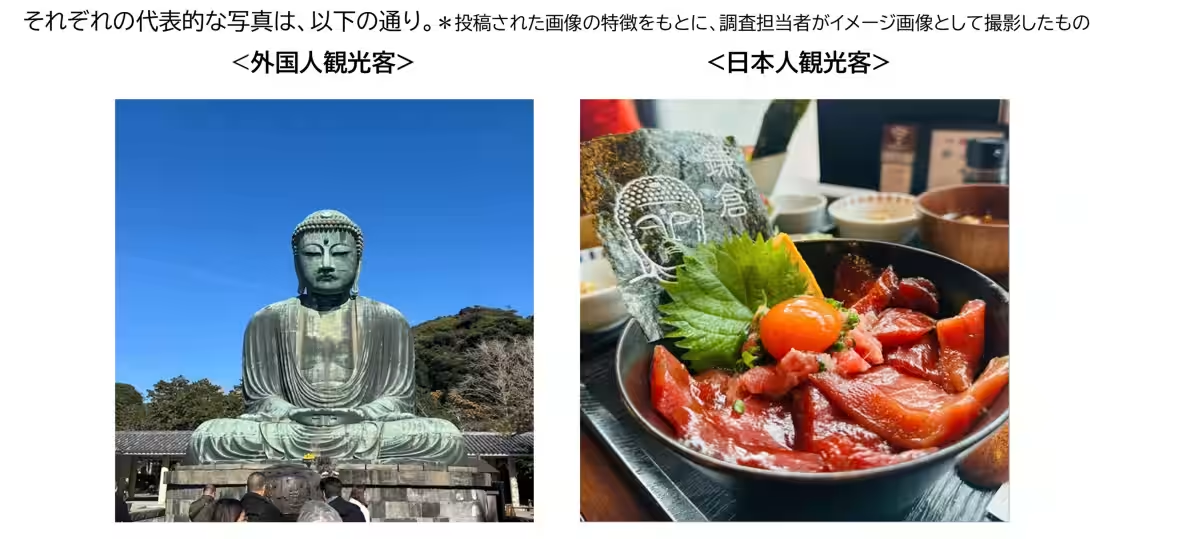
2. Subject Matter Divergence: Foreign tourists lean heavily towards iconic landmarks, particularly the Great Buddha (Daibutsu), with 53.5% of their images focusing on this subject. Conversely, only 5.5% of Japanese photos featured the Great Buddha, with a staggering 49% capturing culinary experiences. Interestingly, the genres of food photography are entirely absent in foreign submissions.
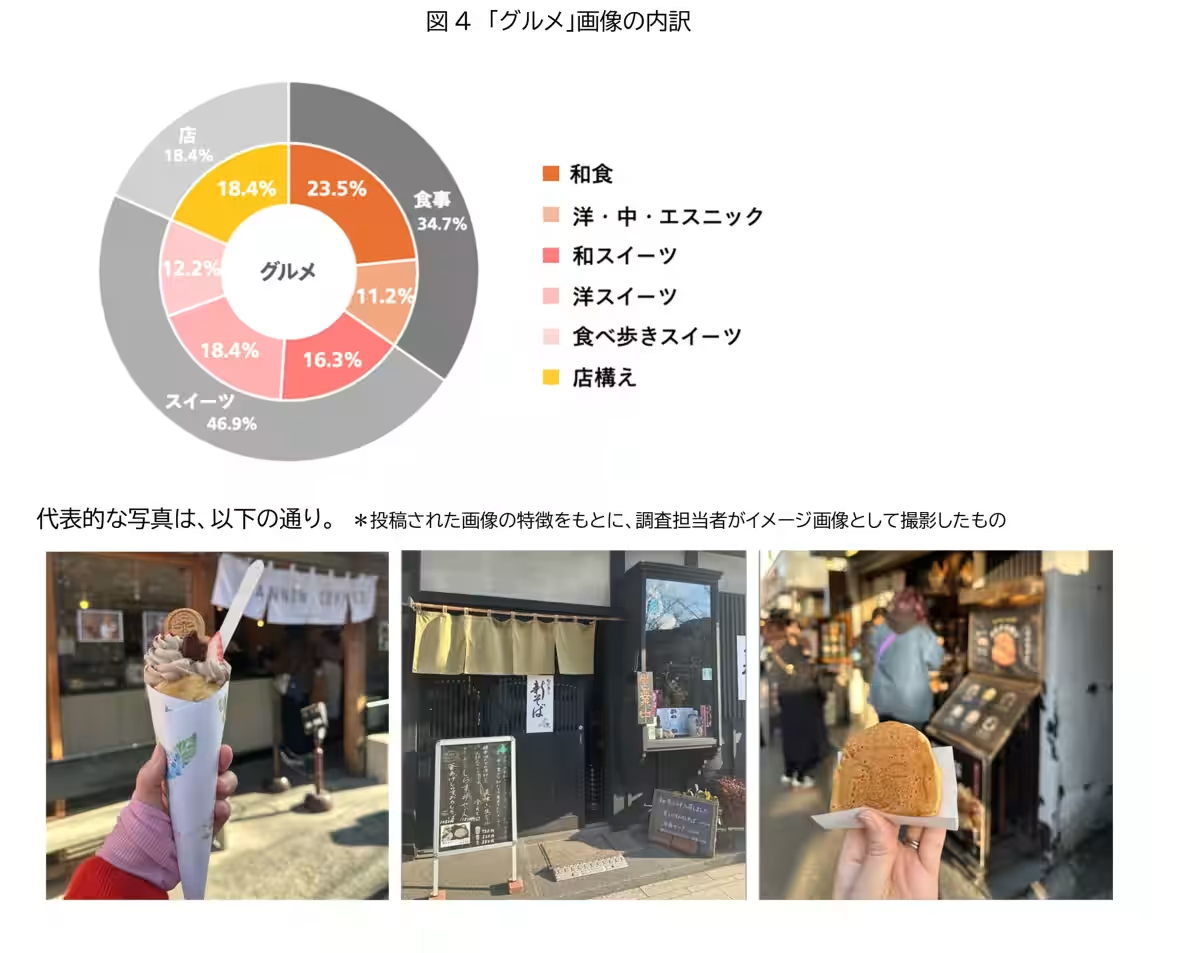
Within Japanese food photography, traditional cuisine made up 23.5%, followed closely by Western desserts at 18.4% and other ethnic dishes at 11.2%. It’s commonplace in these images to observe the same menus at the same restaurants, displaying the national affinity for culinary delights.
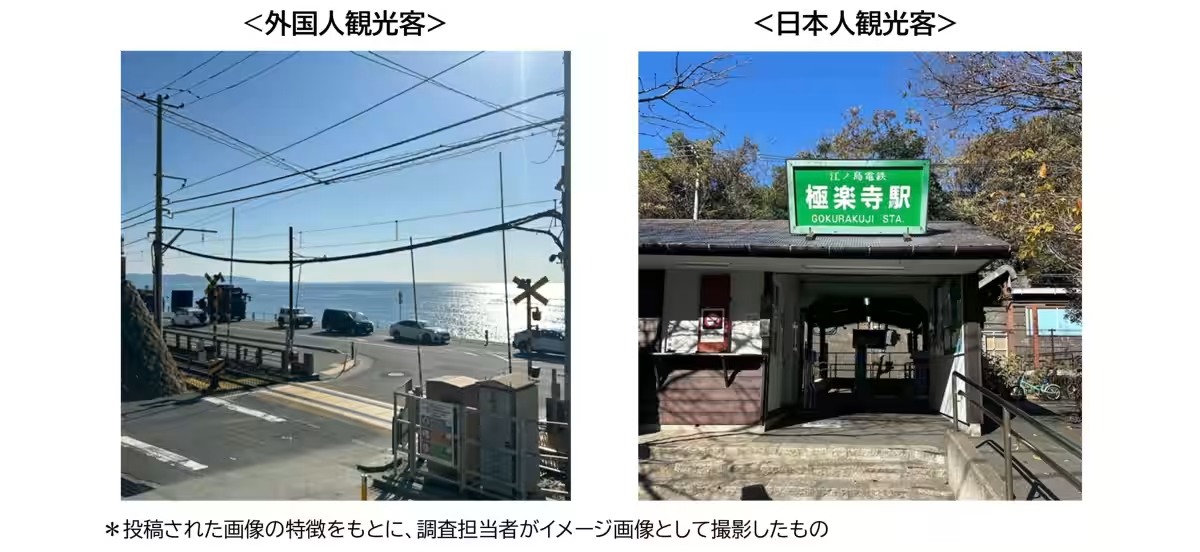
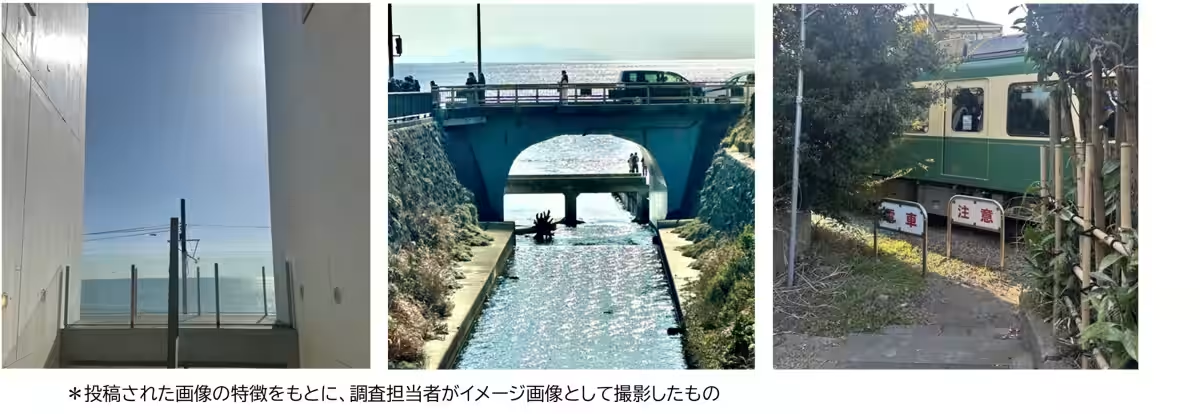
3. Pilgrimage Sites: The research also confirmed that both groups are drawn to locations considered sacred or significant in popular culture. For Japanese tourists, the focus tends to be on the stunning scenery, while foreign tourists show a marked interest in manga and anime-related sites. For instance, images from Enoden's stations reveal that "Kamakura High School" is favored among foreigners, while locals prefer capturing the "Gokurakuji" station.
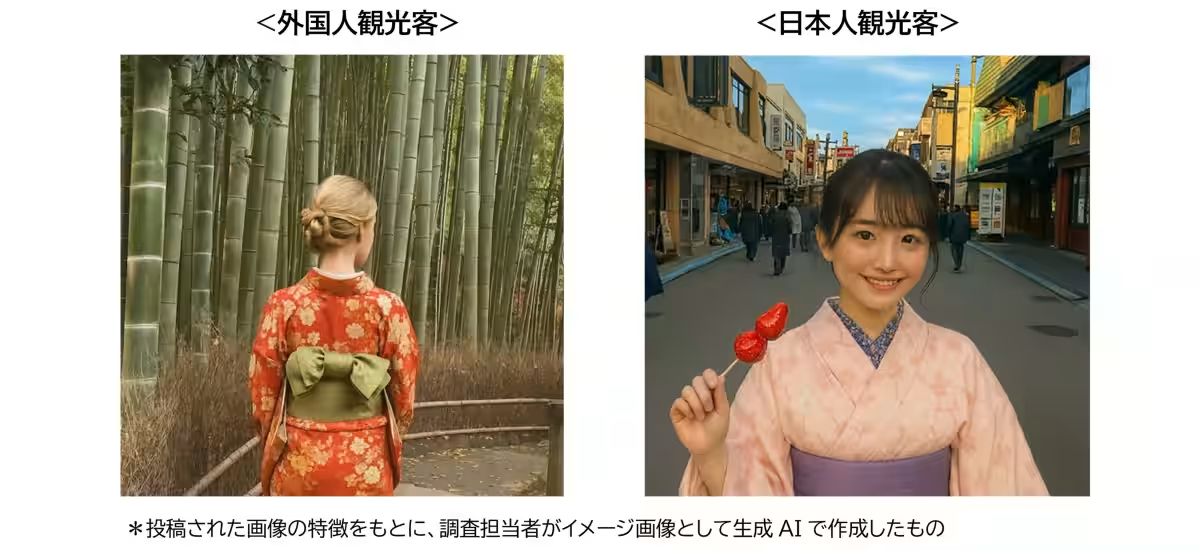
4. Selfies and Personal Experiences: Notably, Japanese tourists are inclined to take selfies, with 15% including themselves in photos, highlighting a trend to focus on personal experiences at these cultural sites. This contrasts sharply with the 3.5% of foreign images that feature the photographer's presence, suggesting a more observational approach by international visitors. Furthermore, Japanese tourists in kimonos represented 5.5% of the selfies, indicating a desire to connect with and celebrate the local culture.
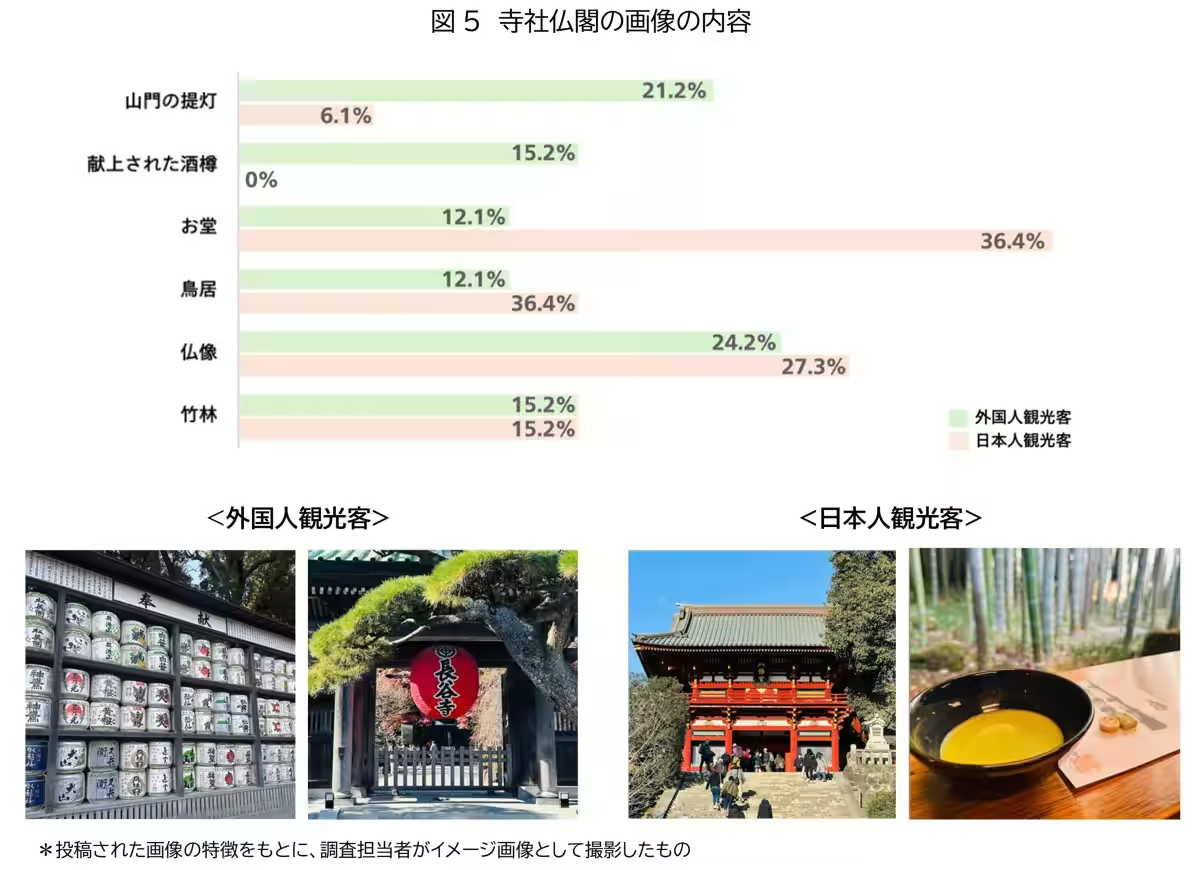
5. Temple Insights: While both groups share interests in temples and shrines, the focus differs. Foreign tourists showcase lanterns and sake barrels, reflecting their fascination with cultural symbols, while Japanese tourists document the structures within the shrine.
Comparing Tourists from Europe, America, Australia versus Asia
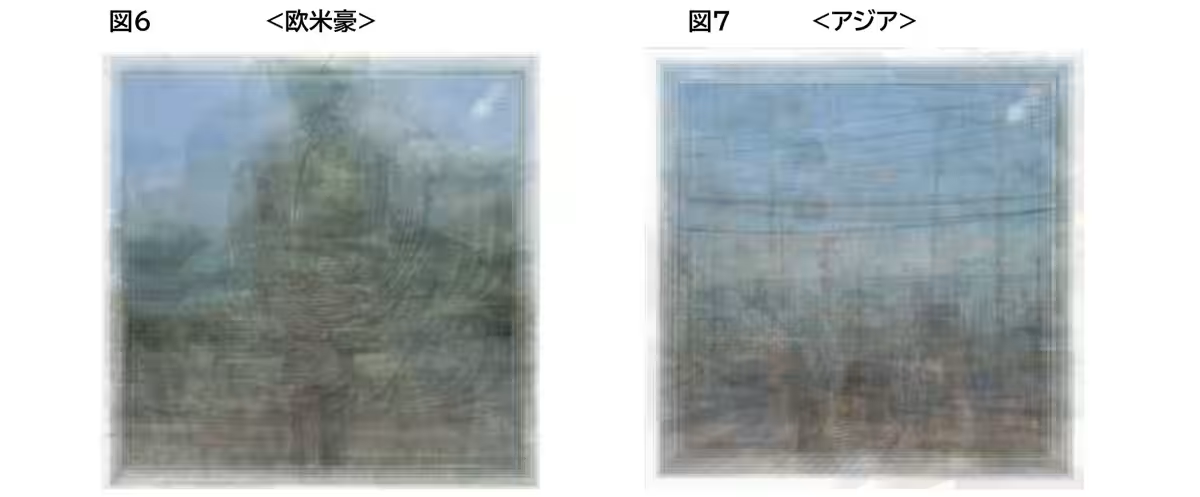
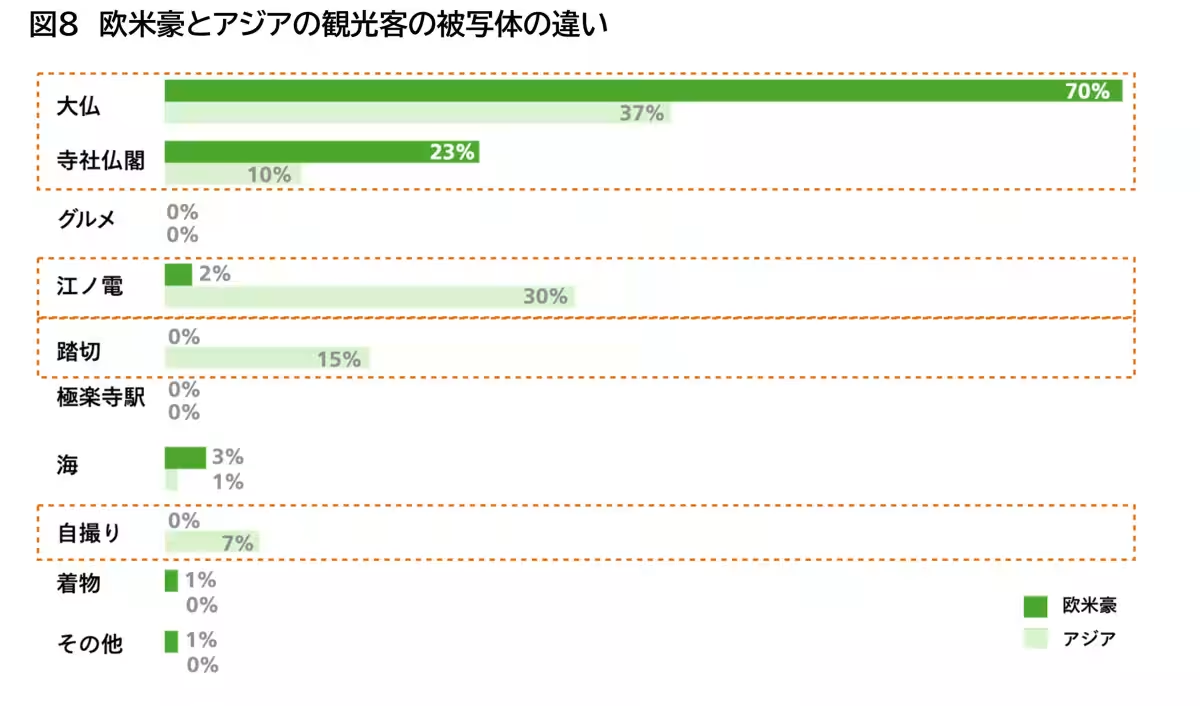
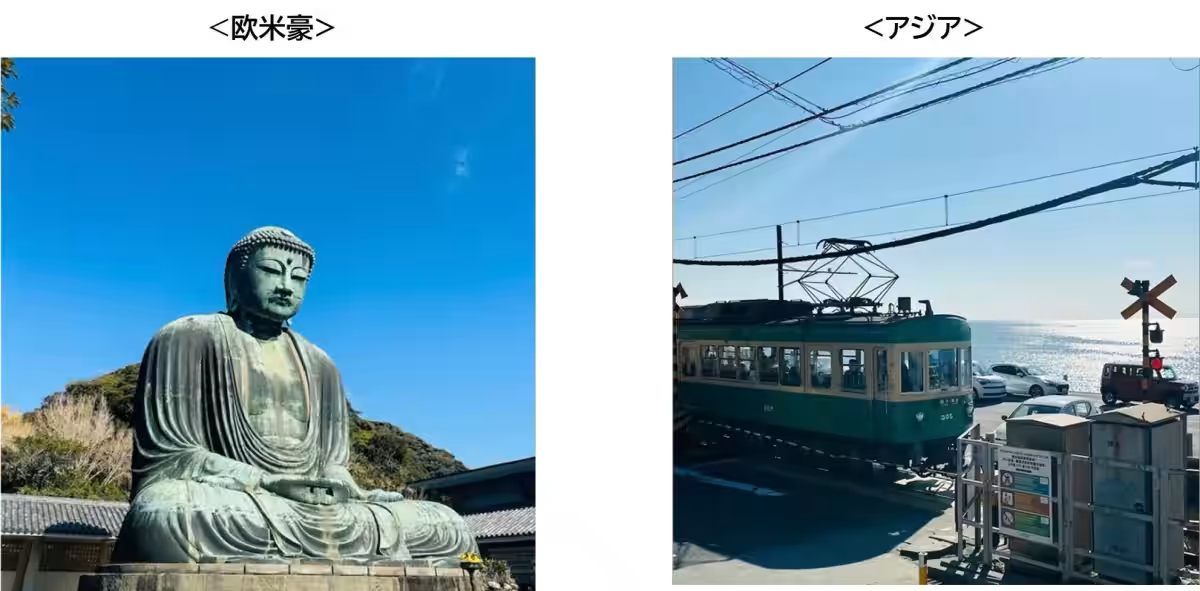
A closer analysis revealed that within foreign tourists, those from Europe, America, and Australia often chose the Great Buddha as a subject, whereas Asian tourists documented more local experiences, such as train stations associated with beloved manga.
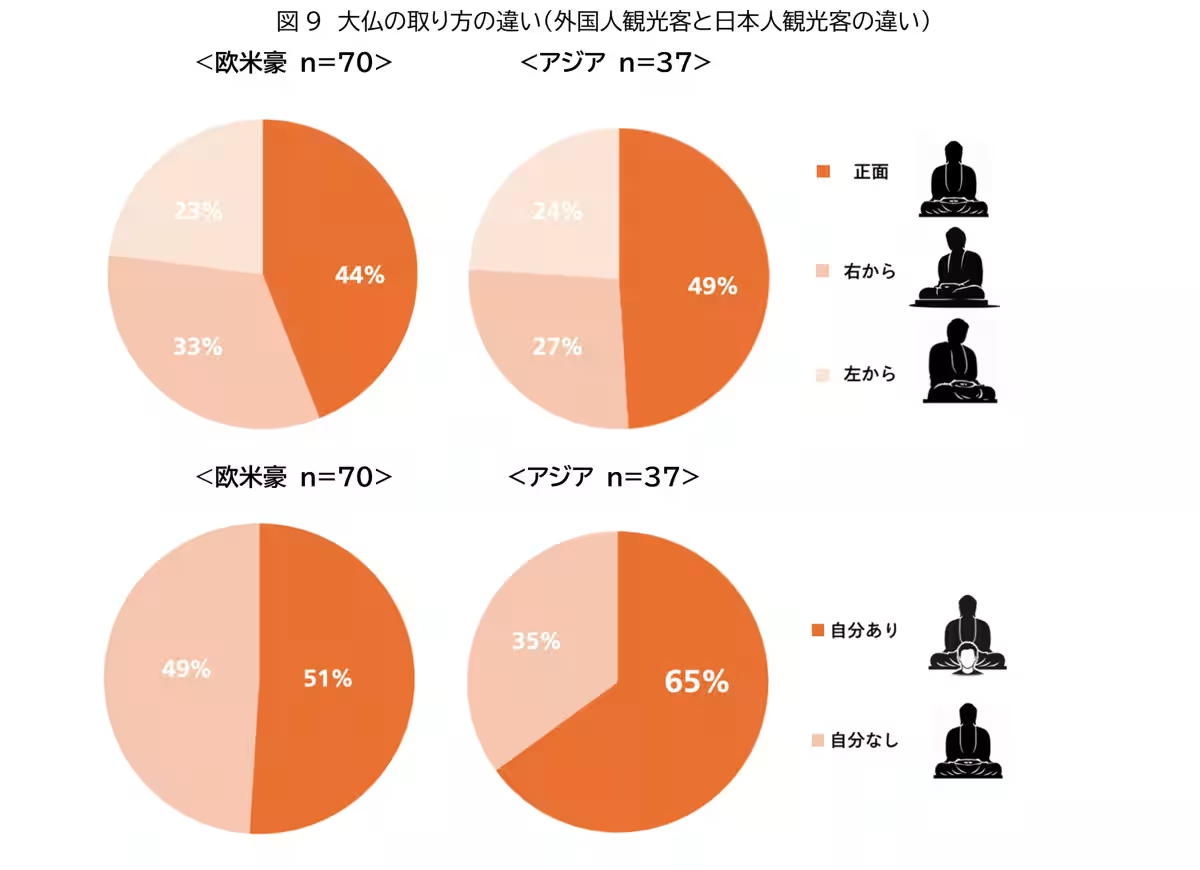
1. Differences in Focus: While both groups captured images with a similar color palette, the subject matter differed vastly, emphasizing the discrepancies between cultural backgrounds. For example, subjects such as the Great Buddha were highlighted by 70% of Western tourists, while only 37% of Asian tourists shared similar images, who preferred culturally resonant locations.
2. Capture Angles: Additionally, the angle from which photos were taken revealed nuances. Western tourists showed an even split between including themselves and not in their photos, while Asian tourists were similar to the Japanese group, opting for self-involving images in 65% of their captures.
Conclusion: Cultural Representation in Tourism
The study presents a vivid illustration of how Kamakura's image varies significantly based on cultural backgrounds. The diverse experiences of Japanese and foreign visitors allow for a richer understanding of the locale’s appeal. This research prompts important considerations for optimizing tourist engagement and encouraging deeper, more personalized connections with Kamakura.
Ultimately, leveraging distinct cultural perspectives can enhance tourism strategies, allowing for tailored experiences that resonate with both Japanese and international visitors. By addressing this disparity in representation, we can promote a more diverse narrative of Kamakura that celebrates both local and global cultures.
Uncovering Hidden Gems
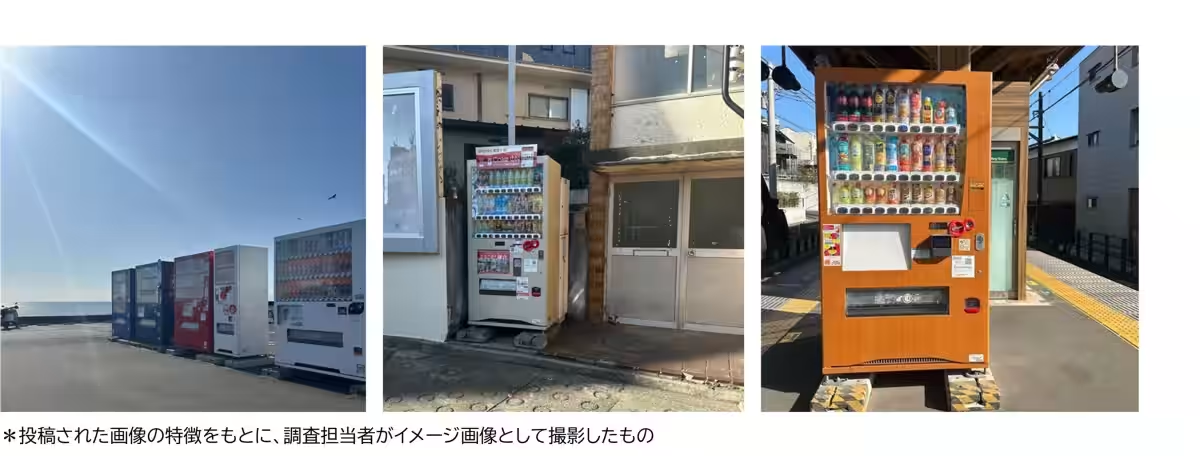
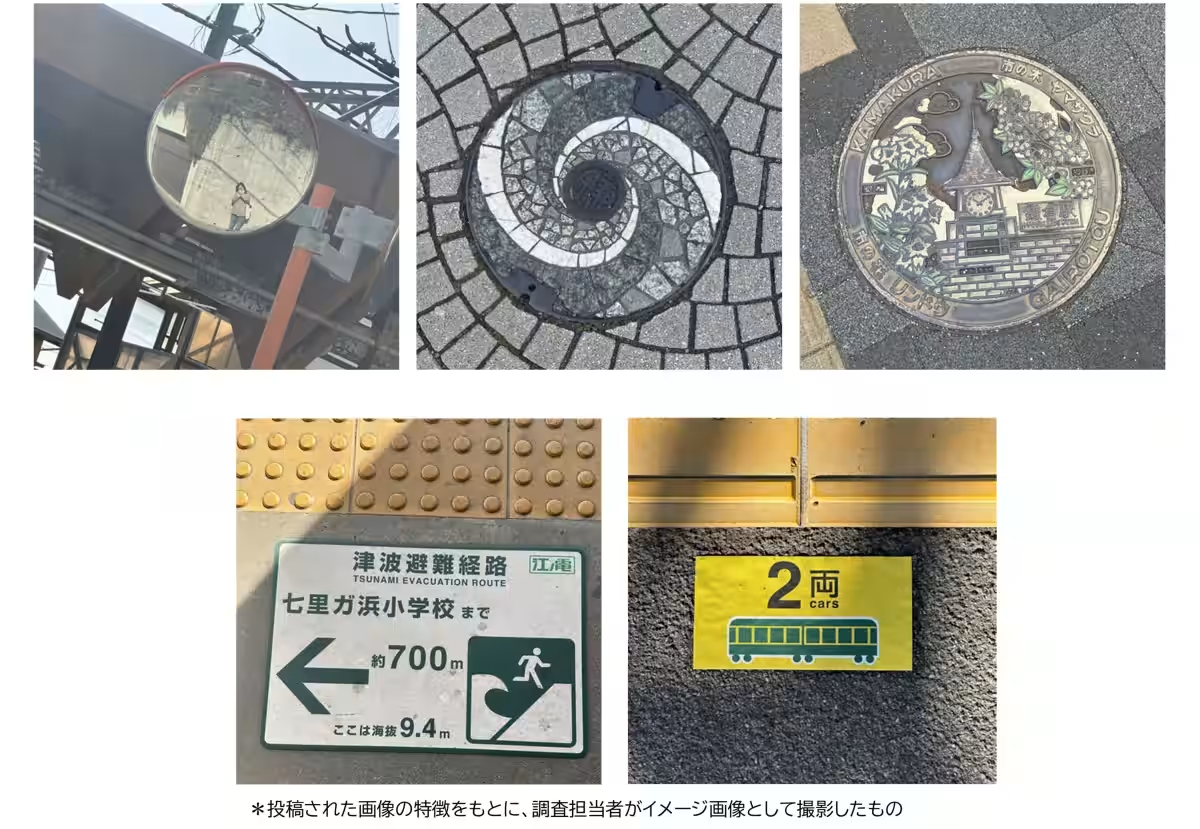
Interestingly, a side observation noted the presence of foreign tourists capturing images of everyday objects, like vending machines—an amusing testament to Japan's unique culture. This fascination reflects how even the mundane can be novel and intriguing.
In conclusion, Kamakura is not just a tourist spot but a diverse tableau where cultural narratives collide, offering endless opportunities for discovery and connection.
Topics Travel)
【About Using Articles】
You can freely use the title and article content by linking to the page where the article is posted.
※ Images cannot be used.
【About Links】
Links are free to use.