



Challenges in Finding Pet-Friendly Rentals: Insights from Recent Survey
Understanding the Struggles in Finding Pet-Friendly Rentals
In recent years, the number of families welcoming pets has surged, leading to an increased interest in pet-friendly rental properties. However, this desire often collides with numerous obstacles regarding costs and management challenges. A recent survey by ieRabu Group, which garnered 953 valid responses, sheds light on these issues, revealing critical insights into both user demands and real estate practices around pet-friendly housing.
The Cost Challenge
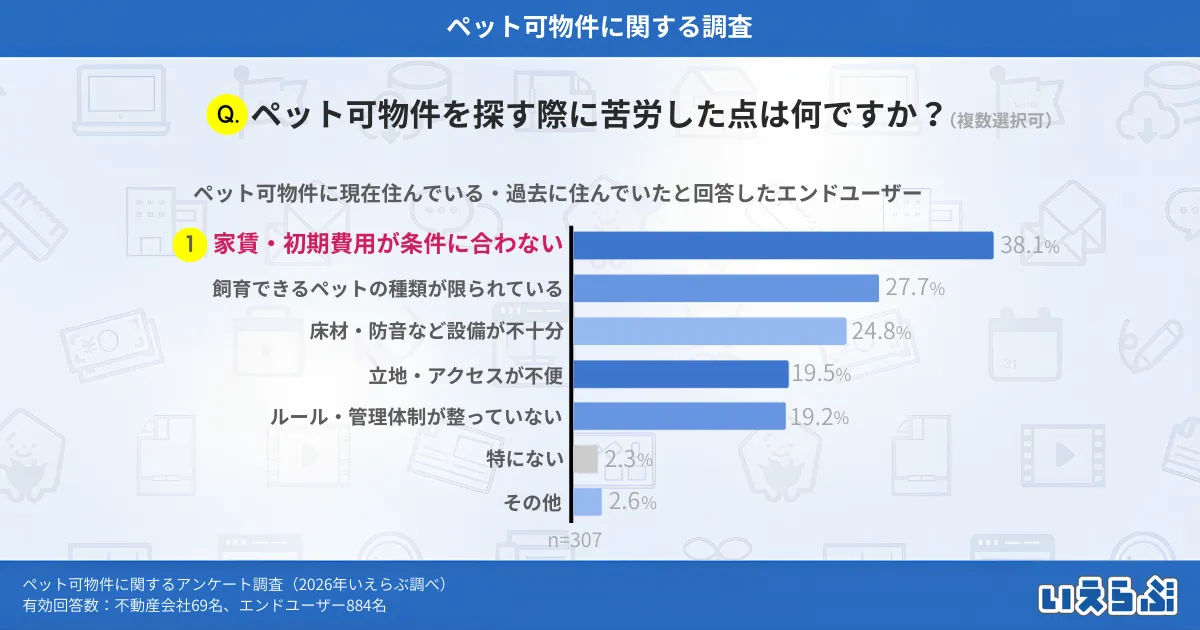
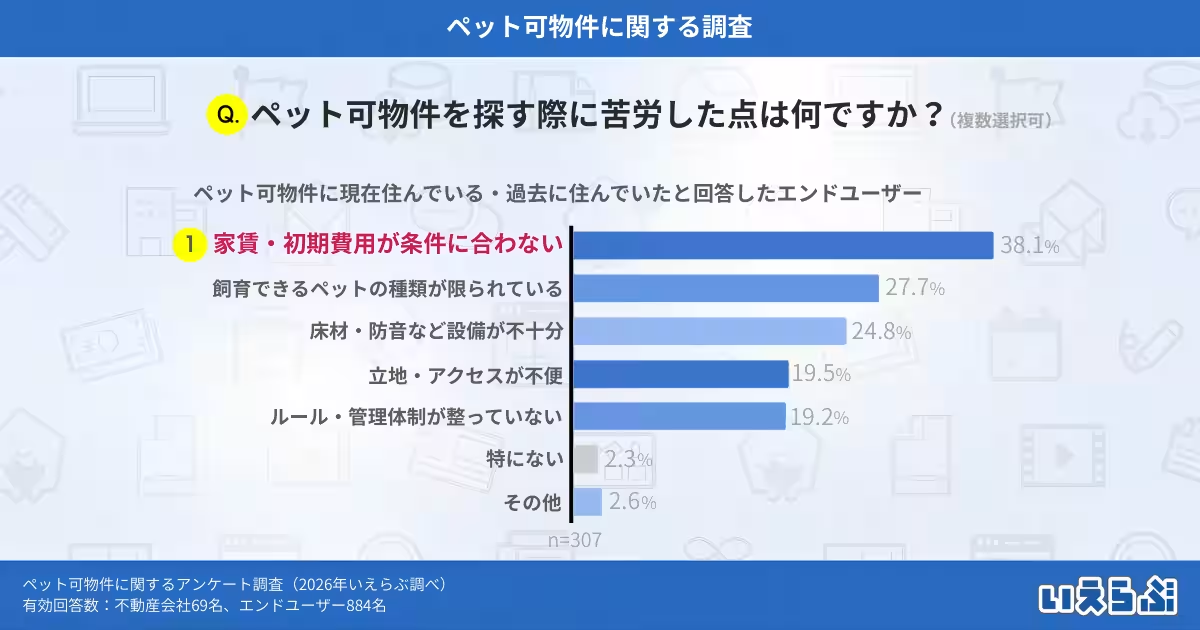
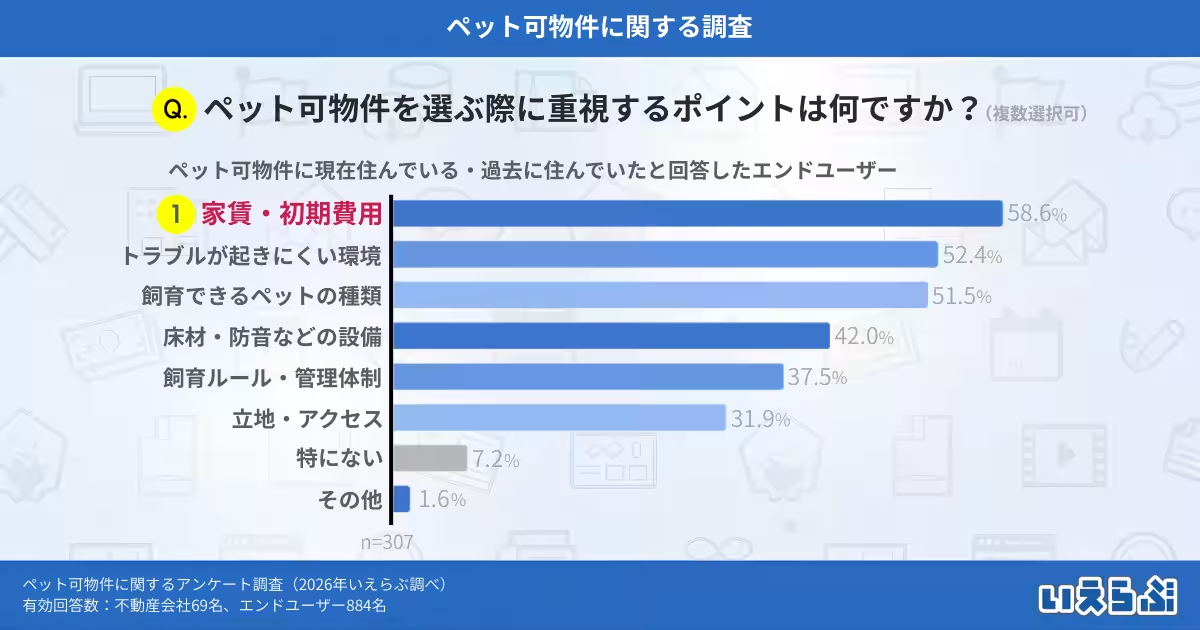
The foremost challenge in seeking pet-friendly accommodations is financial. According to the survey, 58.6% of respondents indicated that rental rates and initial costs pose significant barriers. It becomes evident that while demand for such properties is high, many potential tenants find it hard to reconcile their budget with the available listings. Pet ownership not only adds companionship and joy to one’s life but also brings about financial considerations that can limit choices.
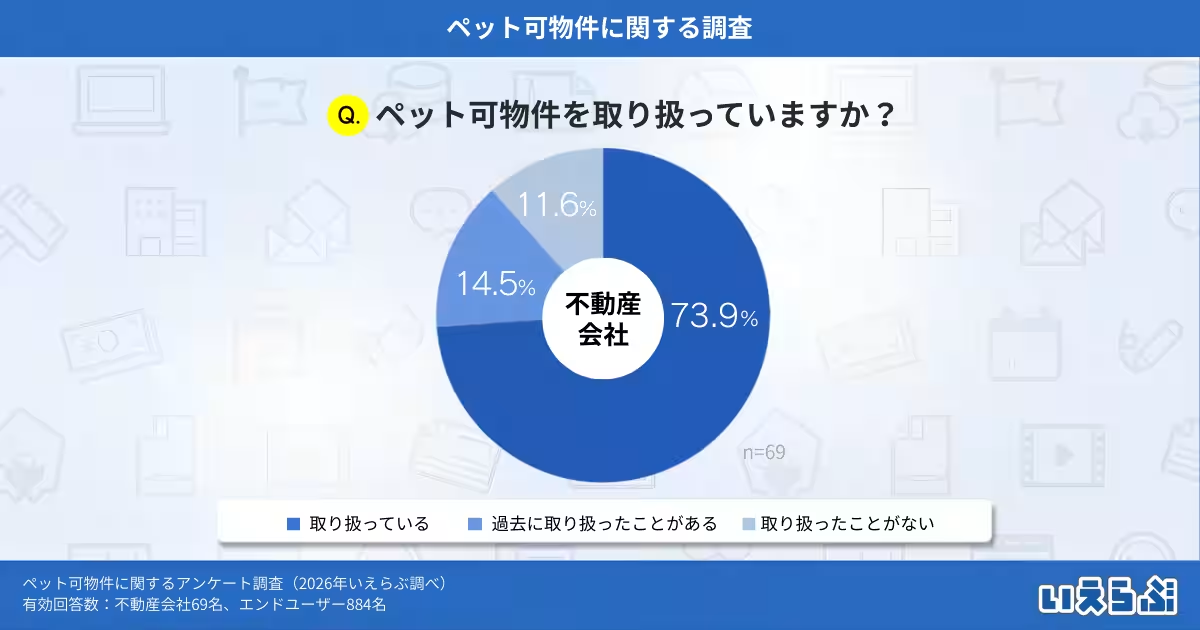
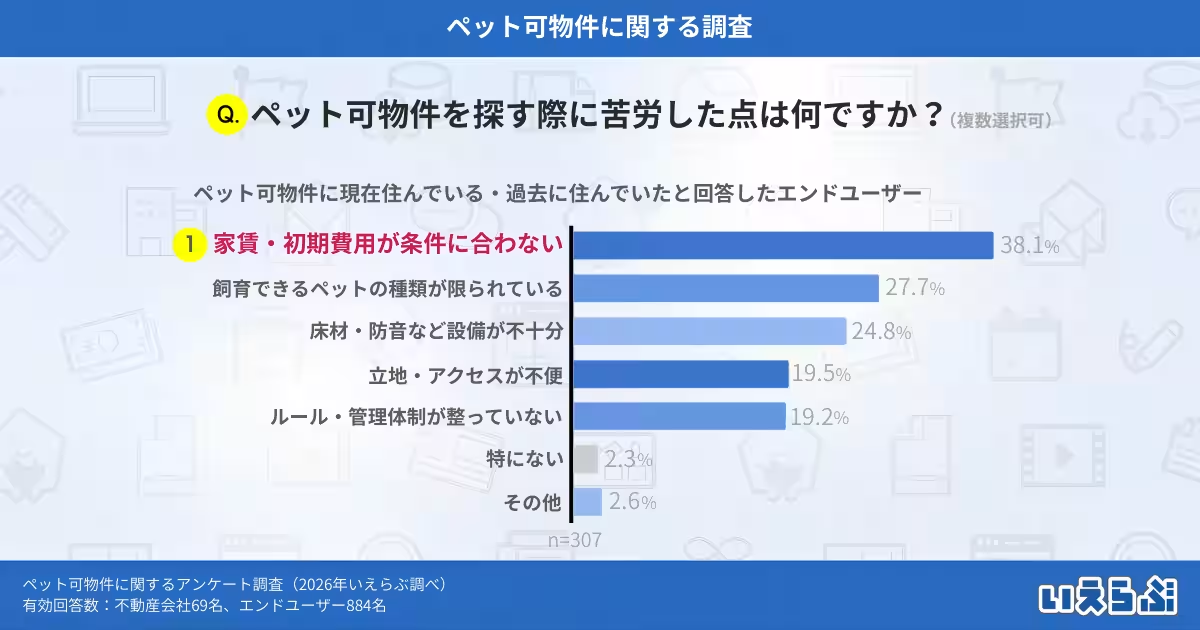
Among real estate companies surveyed, 73.9% reported that they handle pet-friendly properties, a statistic that reflects an increasing acknowledgment of pet owners' needs. Despite this, a striking 38.1% of respondents mentioned that matching rental prices with their financial capacity was a key struggle in their search for suitable habitats for their furry companions.
Users often emphasized the importance of a stable environment with minimal disputes when selecting a pet-friendly rental. 52.4% cited a 'dispute-free' living situation as essential, which indicates that the comfort of both the animals and their owners is a significant priority for renters.
Trouble on the Horizon: Odors and Damage Claims
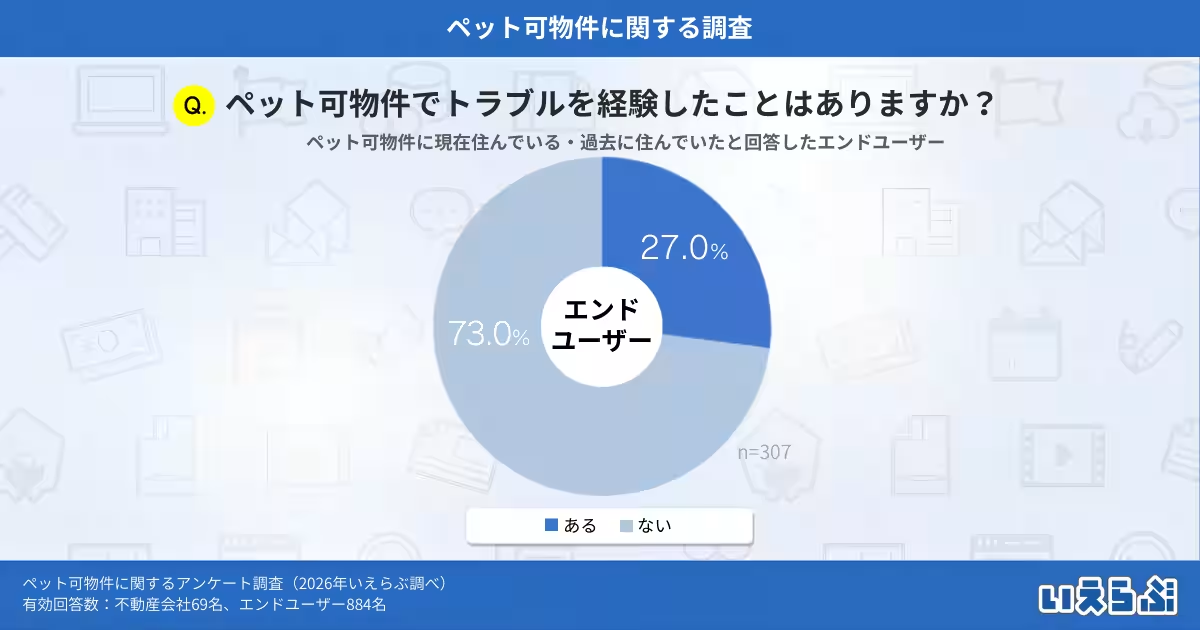
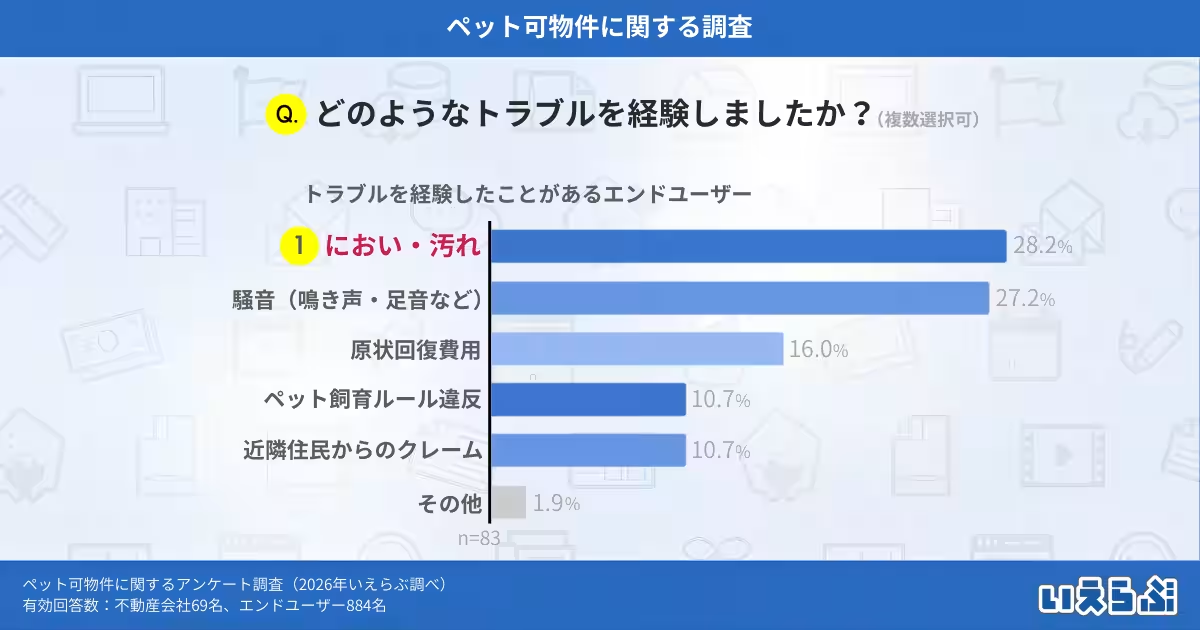
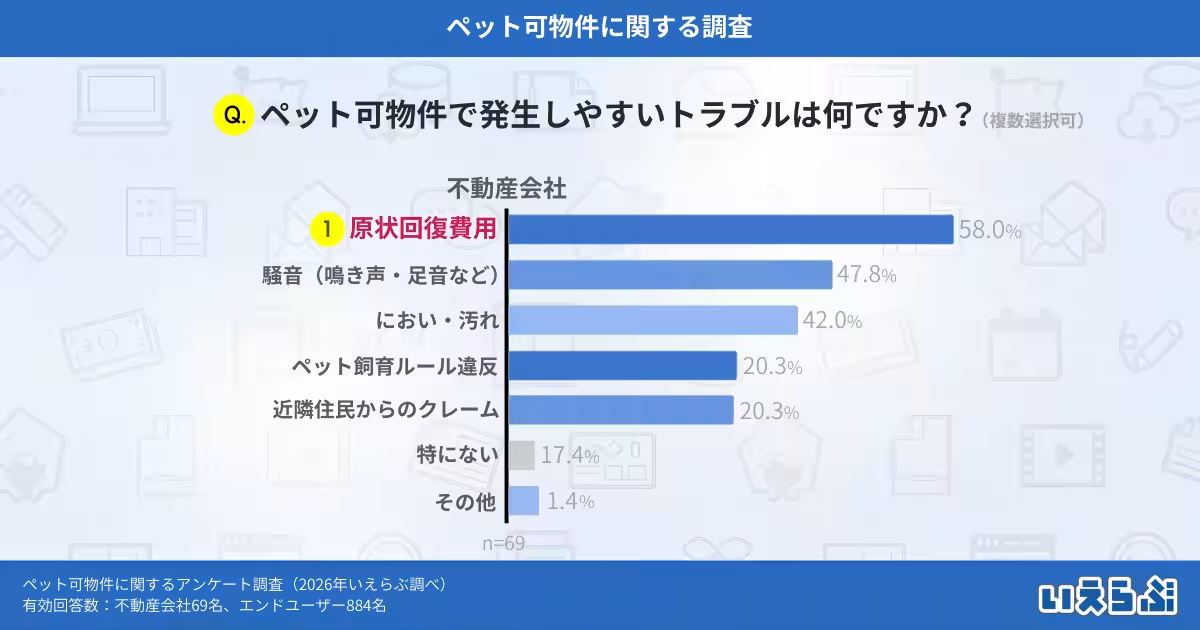
Surprisingly, the most common issue reported by current or former residents of pet-friendly rentals is related to odors and stains. Roughly 27.0% of users confessed to experiencing disputes revolving around these matters. Simultaneously, real estate companies noted that 58.0% of them feared costs implicated by restoring properties to their original state upon tenant vacating.
For property managers, recovery expenses feel more pressing due to the pets’ impact on rental conditions. Both sides have different perceptions regarding restoration duties, leading to unmet expectations. As properties become wearied from everyday life with pets, disputes about lingering odors or damage can earn a hefty financial penalty, particularly for those moving out.
This reality exacerbates the burden felt by landlords, who are frequently left to resolve the financial aftermath of pet ownership while trying to maintain satisfactory living conditions for all residents. Addressing headaches concerning odors and repairs necessitates cooperation between landlords and tenants, underlining the need for communication and understanding of pet ownership's inherent challenges.
Demand vs. Supply: Do Real Estate Companies Feel the Heat?
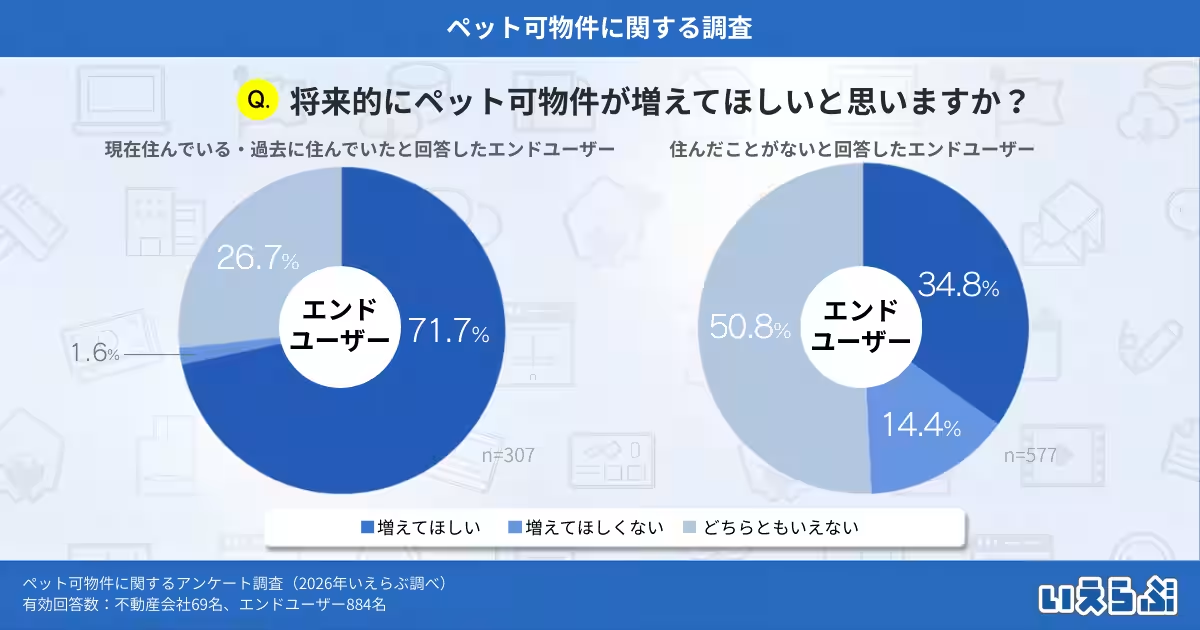
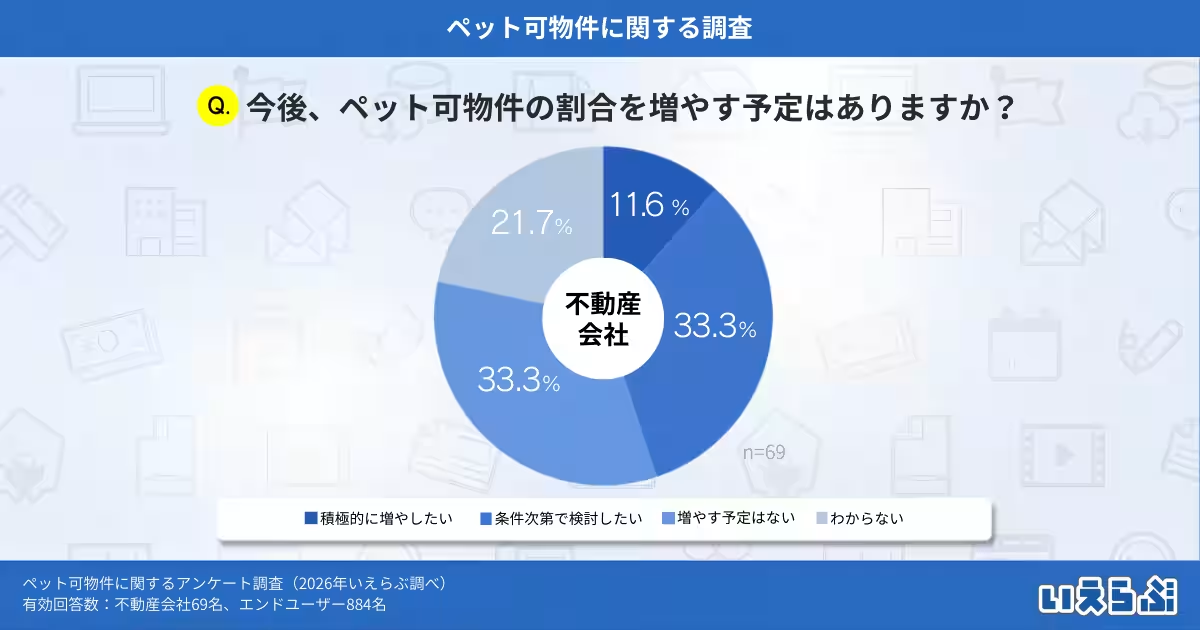
Interestingly, while a whopping 71.7% of users expressed hope for an increase in pet-friendly rental properties, just 11.6% of real estate companies indicated a strong desire to expand their offerings in this segment. The gap between tenant desires and the lack of corresponding commitment from real estate professionals reveals an urgent need to navigate foundational hurdles such as cost management and property maintenance issues. Facility directors might require educational resources and tools to help them better manage potential issues related to pets.
Conclusion
The findings from the ieRabu Group survey highlight that while user demand for pet-friendly rentals is on the rise, financial constraints and management burdens deter many from pursuing such opportunities. As these hurdles persist in the realm of real estate, both users and renters must rely on updated strategies and responsive solutions to overcome existing challenges.
Kenichi Niyama, an executive at ieRabu Group, commented on the implications of the survey findings, emphasizing the ongoing necessity for property solutions that cater to pet-friendly living. As the focus remains on ensuring a high quality of living for all residents – pets included – it becomes apparent that the path to augmenting pet-friendly housing will require collaboration and innovation across the sector.
Future studies and initiatives that address these barriers can pave the way for a more inclusive environment where both humans and their four-legged family members can thrive together.

Topics Consumer Products & Retail)


【About Using Articles】
You can freely use the title and article content by linking to the page where the article is posted.
※ Images cannot be used.
【About Links】
Links are free to use.