



New Thermal Property Evaluation Service for Advanced Semiconductors Initiated by Toray Research Center
Introduction
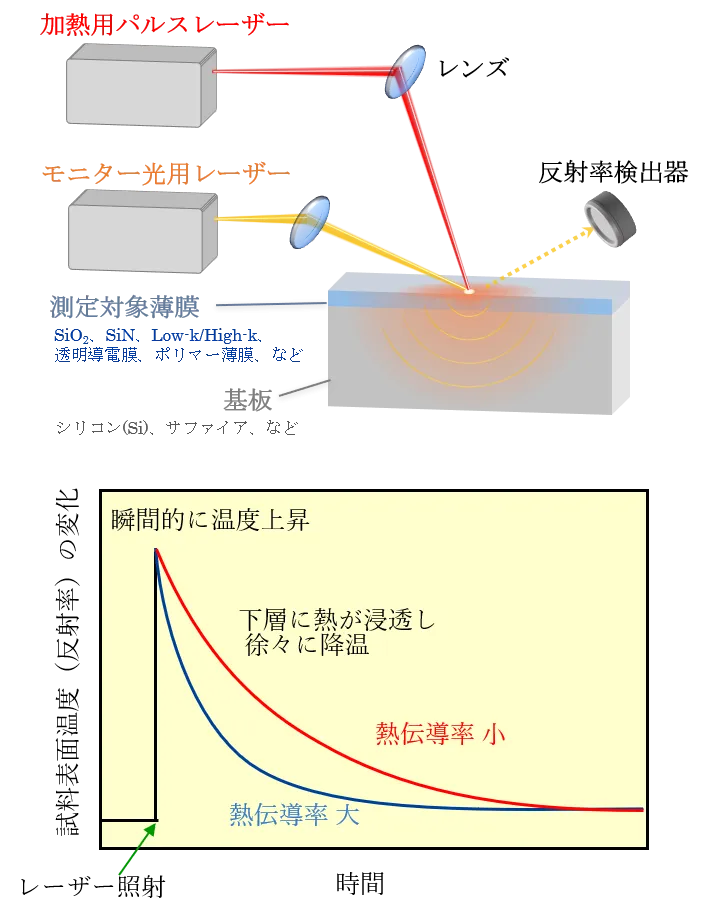
In the fast-paced world of technology, the quest for high-performance semiconductors continues to intensify. Toray Research Center (TRC) based in Chuo, Tokyo, has introduced a cutting-edge thermal property evaluation service using Time-Domain Thermoreflectance (TDTR) to address the heating challenges faced by advanced semiconductors. This innovative service aims to facilitate the evaluation of thermal conductivity and interface thermal resistance in nanometer-scale thin films, crucial for devices like generative AI, supercomputers, and autonomous driving systems.
Significance of Thermal Management
As the demand for performance and compactness in semiconductor devices grows, so does the heat generated by these devices during operation. Much of the electrical energy consumed translates into heat, leading to significant thermal build-up within the device. This excess heat can degrade performance and reliability, making effective thermal management a crucial aspect of semiconductor material and device development.
Traditionally, the thermal properties of thin film materials like Low-k and High-k films, as well as silicon nitride (SiN), can fluctuate dramatically depending on factors such as film thickness, deposition conditions, and crystal structure. Furthermore, the interfaces between different materials exhibit varying thermal resistances impacting overall heat dissipation performance. Accurate thermal simulations and heat dissipation designs rely heavily on direct assessment of these properties in real manufacturing scenarios, as literature values or properties from bulk materials may not represent actual conditions.
TRC's Innovative Approach
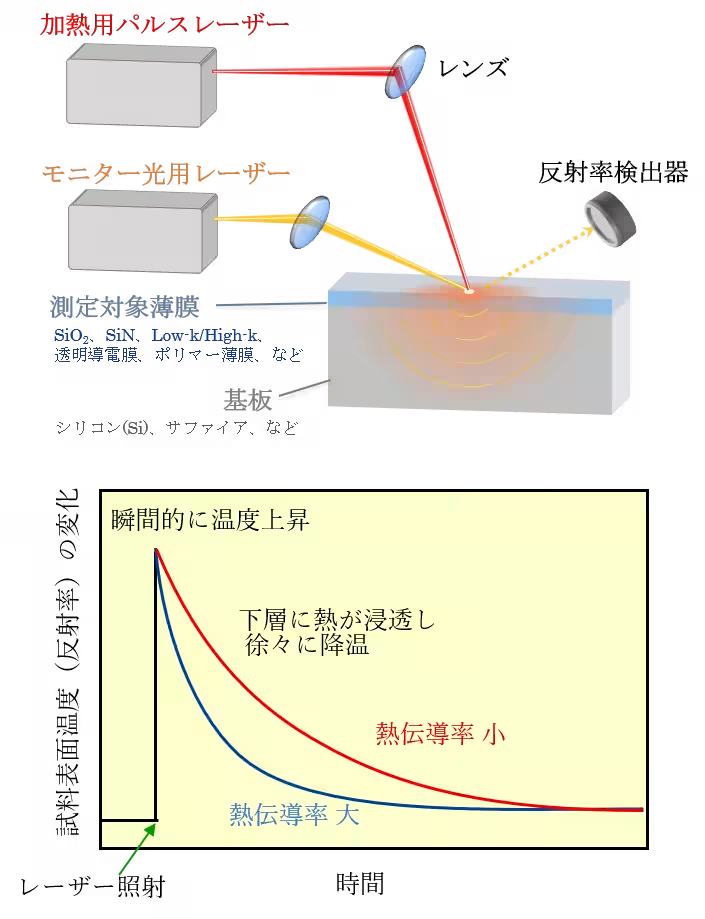
TRC's new service leverages a state-of-the-art analytical method utilizing ultra-short pulse lasers to assess the thermal conductivity of nanometer-thick films and the interface thermal resistance between layers. These evaluations are not just academic; they have direct implications for enhancing heat dissipation performance in a variety of devices.
Case Study 1: Evaluating Thermal Conductivity of Thin Films
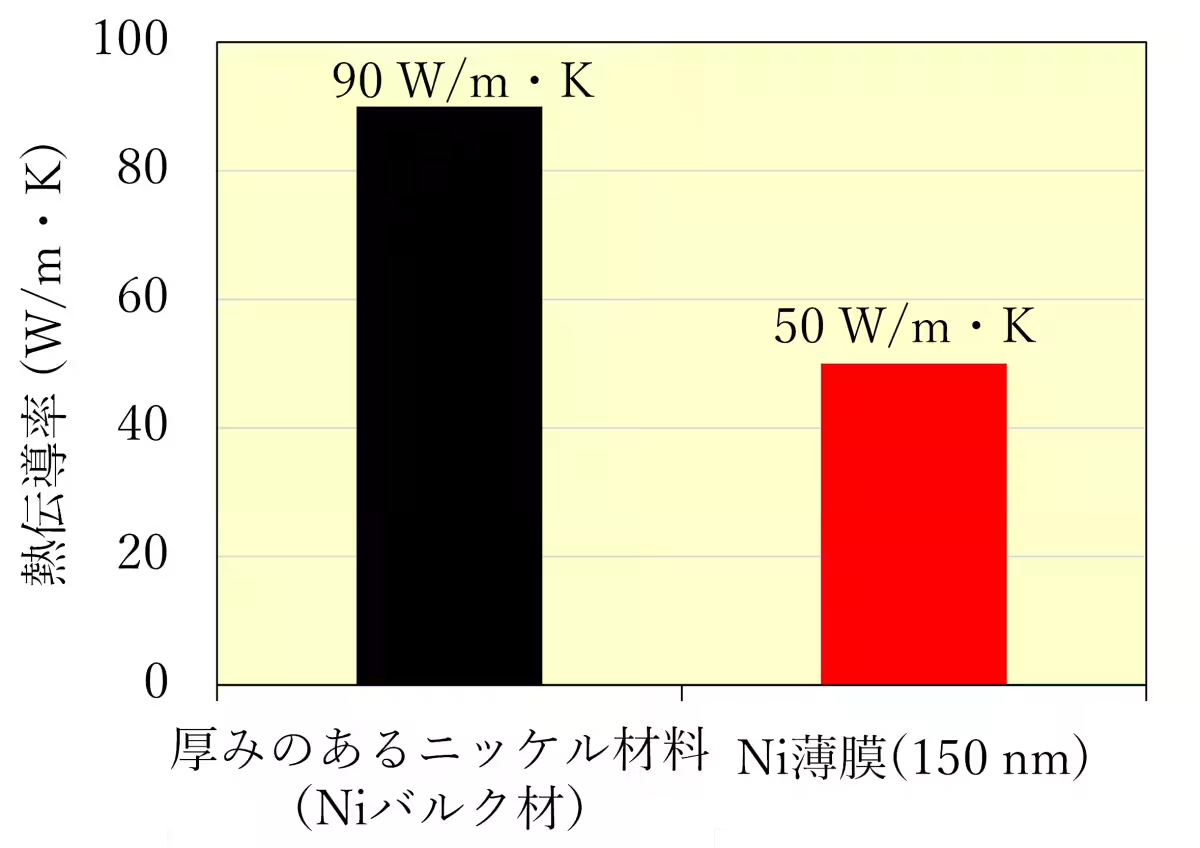
In an example evaluation, a thin nickel film (150 nm thick) displayed a thermal conductivity of approximately 50 W/m·K, significantly lower than the expected value of around 90 W/m·K for standard nickel materials. This discrepancy illustrates the substantial influence of interface effects and crystallographic boundaries in thinner films, underscoring the importance of measuring actual thin films instead of relying on generalized values.
Case Study 2: Impact of Deposition Conditions
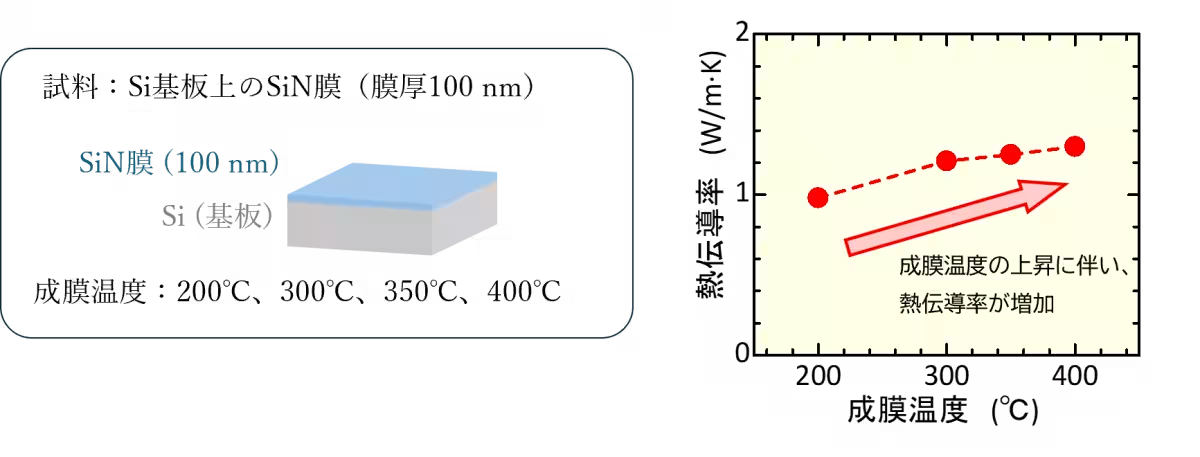
TRC's TDTR method also assesses how deposition conditions affect thermal characteristics. For instance, a 100 nm thick SiN film was analyzed under different deposition temperatures. Results indicated that as the deposition temperature rose, the thermal conductivity improved. This trend suggests that higher deposition temperatures lead to denser materials, which facilitates better heat transfer by reducing voids.
By quantifying the relationship between deposition conditions and thermal properties, organizations can optimize material design and deposition techniques.
Advantages of the New Service
This evaluation service stands out because it assesses both the thermal conductivity of the thin films and their interface thermal resistance. Such comprehensive analysis enables a more accurate understanding of thermal flow within devices, providing insights necessary for enhancing thermal simulations and heat dissipation designs.
Future Outlook
TRC’s commitment to delivering empirical data relevant to advanced semiconductor and electronic materials positions them as a leader in thermal design services. By combining thermal property evaluation with broader materials analysis, TRC aims to contribute significantly to clients' material, process, and device development efforts in the ever-evolving tech landscape.
Conclusion
The introduction of TRC's thermal property evaluation service is a major advancement in addressing thermal challenges encountered in high-performance semiconductors. As industries continue to embrace emerging technologies, reliable thermal management solutions will remain a key factor in sustaining device performance and reliability.
Topics Consumer Technology)







【About Using Articles】
You can freely use the title and article content by linking to the page where the article is posted.
※ Images cannot be used.
【About Links】
Links are free to use.