



Call for Immediate Military Action Ceasefire and Dialogue for Peace in Iran
Call for Immediate Ceasefire and Dialogue in the Iran Situation
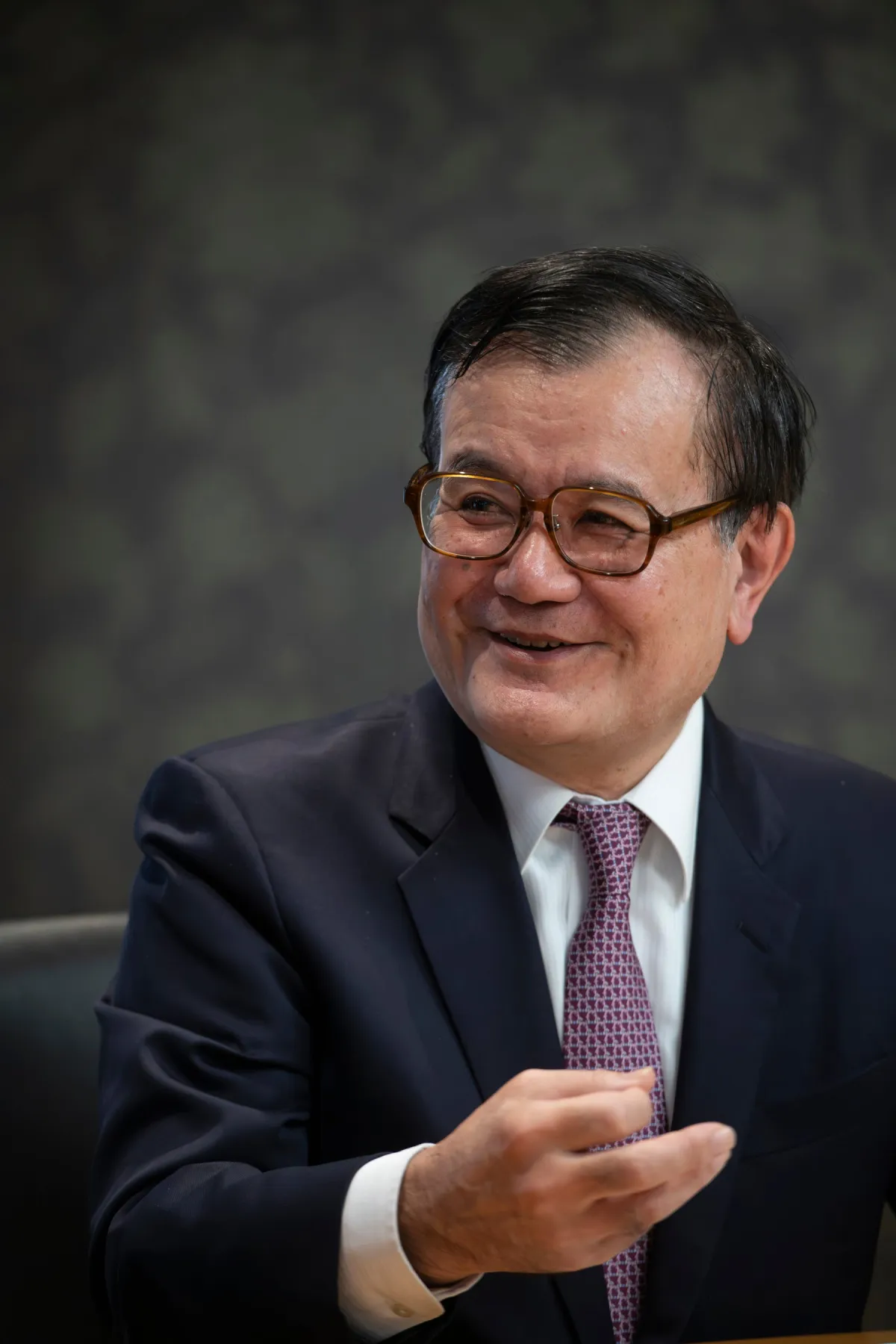
On March 24, 2026, Shogo Takagawa, Chair of the National Federation of University Co-operative Associations, made a strong statement addressing the increasing military tensions involving the United States and Israel concerning Iran. This organization, which supports the daily lives of university students, graduate students, and faculty through cooperative efforts, expressed deep concern over the rising tensions and the possibility of military action.
At the core of the federation's message is the firm belief that, regardless of the justifications presented, military actions that lead to harm amongst civilians are utterly unacceptable. Particularly alarming is the risk associated with attacks on nuclear facilities. Such incidents have the potential to generate accidents or widespread destruction, causing catastrophic repercussions not just regionally, but on a global scale.
In today’s world, distrust among nations perpetuates a so-called “security dilemma,” resulting in an endless cycle of military build-up and intimidation that heightens tensions further. The federation argues that the solution through military means only exacerbates conflict and distrust, moving society away from sustainable peace.
War not only claims lives but also destroys the foundational aspects of daily living for those who survive. Historical evidence shows that armed conflict leads to food shortages and soaring prices, significantly impairing the educational environment for students. In the current modern context, regional military confrontations impact global food and energy markets drastically. They disrupt students’ access to necessary meal ingredients and jeopardize opportunities for studying abroad, subsequently undermining their overall learning environments.
What the international community needs now more than ever is not an escalation of military responses but instead a concerted effort towards peaceful resolutions through dialogue and diplomacy. The Federation strongly calls upon all parties involved to halt military actions immediately and resume sincere dialogues under international frameworks such as the United Nations.
Furthermore, the federation expects the Japanese government, drawing from its historical experiences as a nation affected by war, to actively engage in diplomatic roles in conjunction with the international community to promote de-escalation of tensions and peaceful resolutions.
As advocates for students' rights to both 'learn' and 'eat,' we will continue to raise our voices against war and for peace. This responsibility guides our efforts in advocating for a future where education is safeguarded from the ravages of conflict, ensuring that learning remains a priority even in tumultuous times. Together, we stand firm in our commitment to promoting peace and constructive dialogue as the way forward for all involved.
In conclusion, this call to action extends beyond words; it seeks a collective effort for transformation that prioritizes understanding, cooperation, and ultimately, peace in the region, safeguarding the future for generations to come.
Topics Policy & Public Interest)

【About Using Articles】
You can freely use the title and article content by linking to the page where the article is posted.
※ Images cannot be used.
【About Links】
Links are free to use.