



Innovative Disaster Information System Launched at MIYASHITA PARK for Enhanced Public Safety
Innovations in Disaster Information Dissemination at MIYASHITA PARK
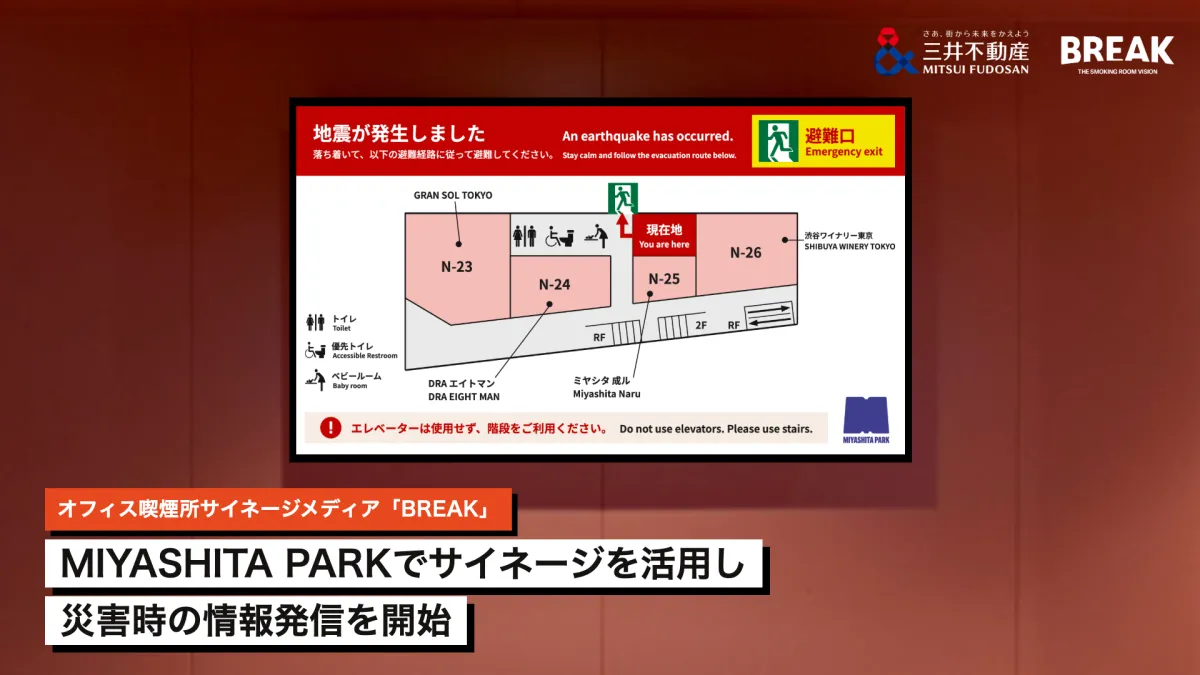
On September 1, 2023, a new initiative titled "BREAK" was launched in collaboration with Mitsui Fudosan and MIYASHITA PARK, marking a significant step towards improving disaster preparedness in urban environments. This innovative project, spearheaded by Kosodo and New Technology, aims to leverage digital signage in office smoking areas to disseminate crucial information during emergencies, particularly natural disasters like earthquakes and flooding.
In recent years, Japan has been increasingly prone to natural disasters, prompting a heightened need for efficient communication to ensure public safety. The Ministry of Land, Infrastructure, Transport and Tourism, in partnership with the Tokyo Metropolitan Government, has prioritized enhancing information dissemination mechanisms in large underground facilities, further emphasizing the importance of accessible signage solutions.
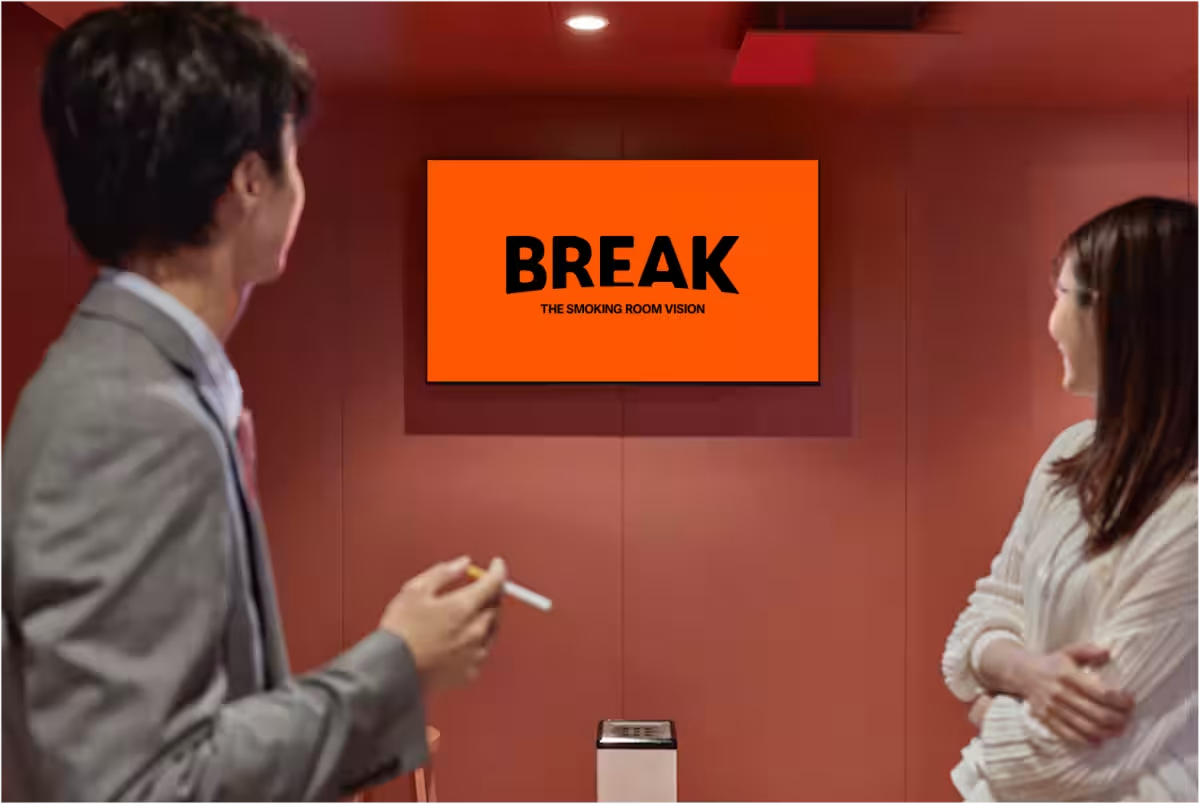
The "BREAK" system specifically targets busy professionals frequenting urban office buildings. By strategically placing digital signage in smoking areas—a unique segment of workplaces—this initiative seeks to deliver vital information that can aid in safe evacuation procedures during crises. This dual purpose not only supports professional environments during regular operations but also enhances emergency preparedness, making the information readily available exactly when it's needed most.
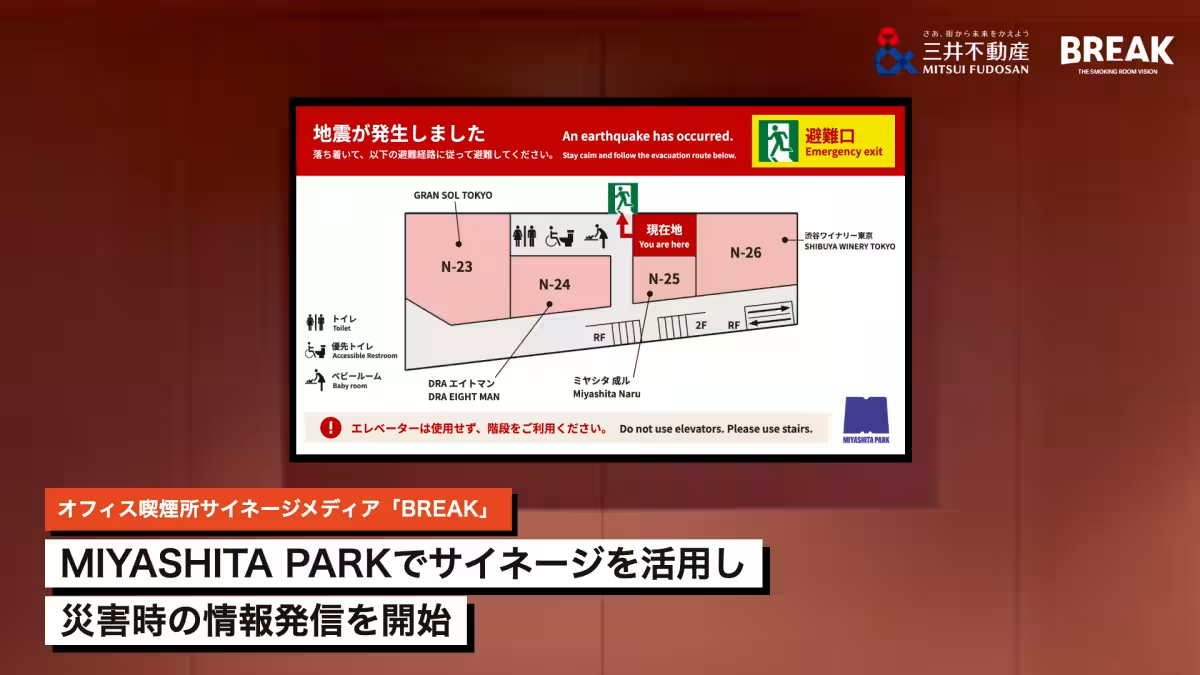
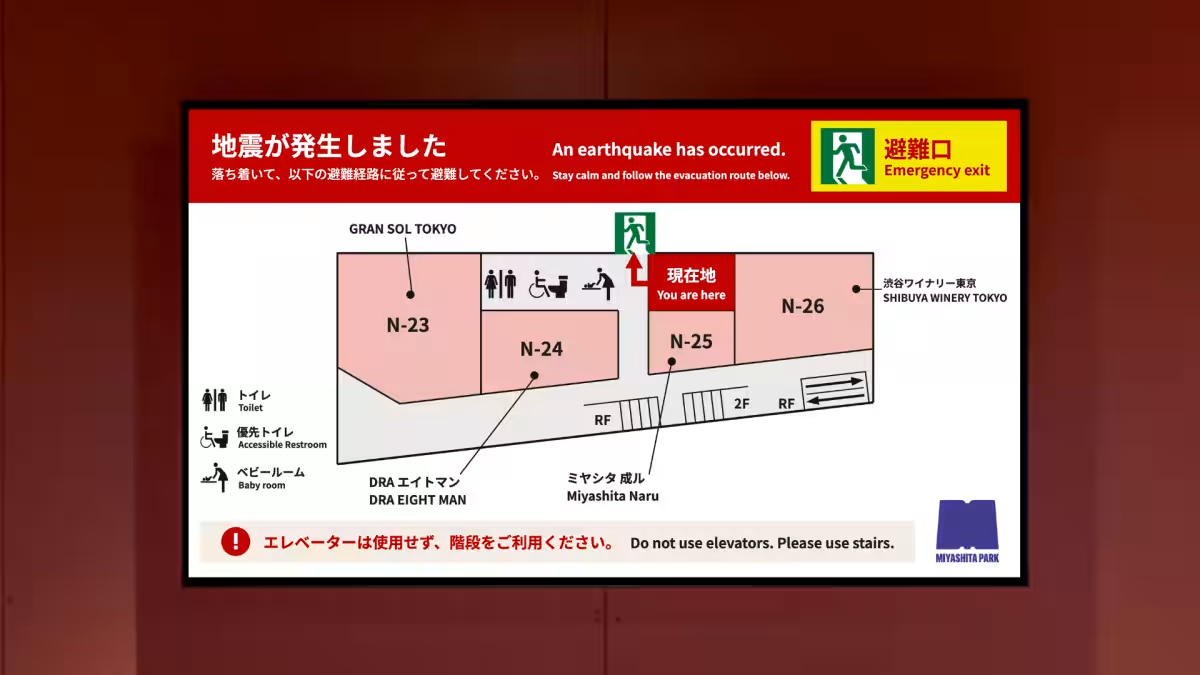
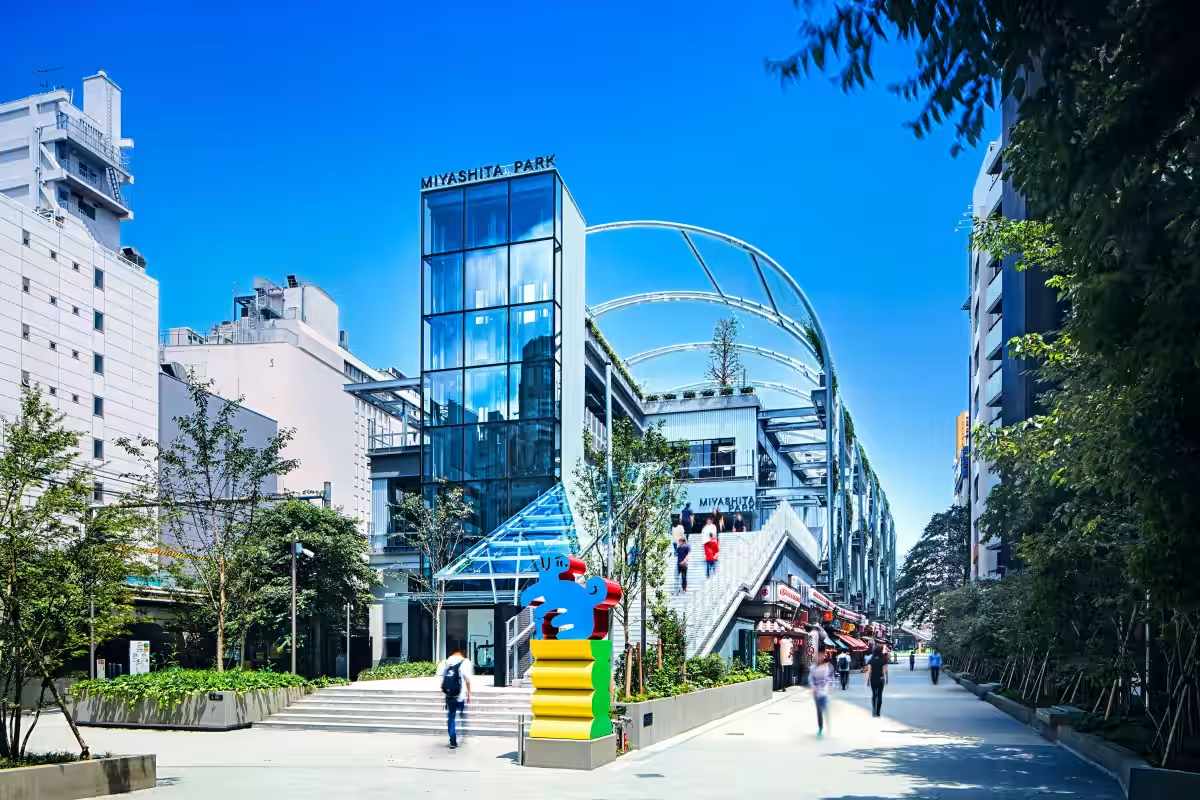
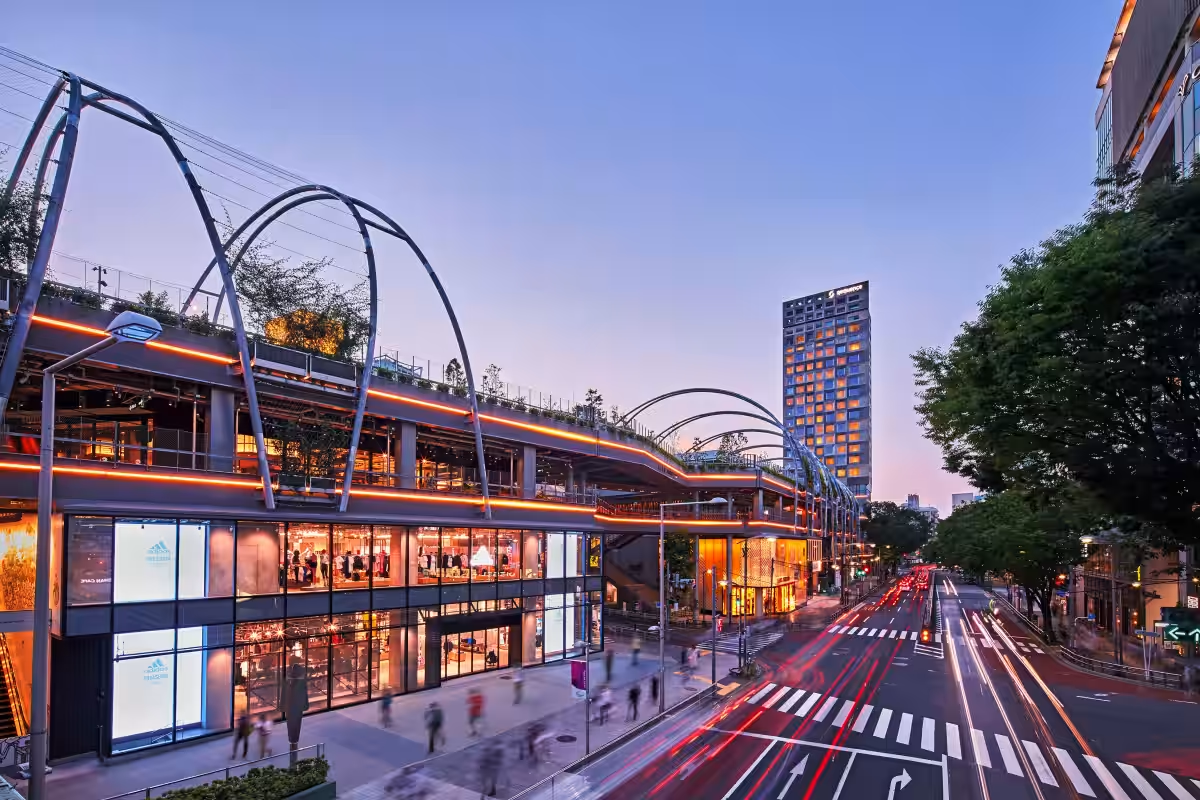
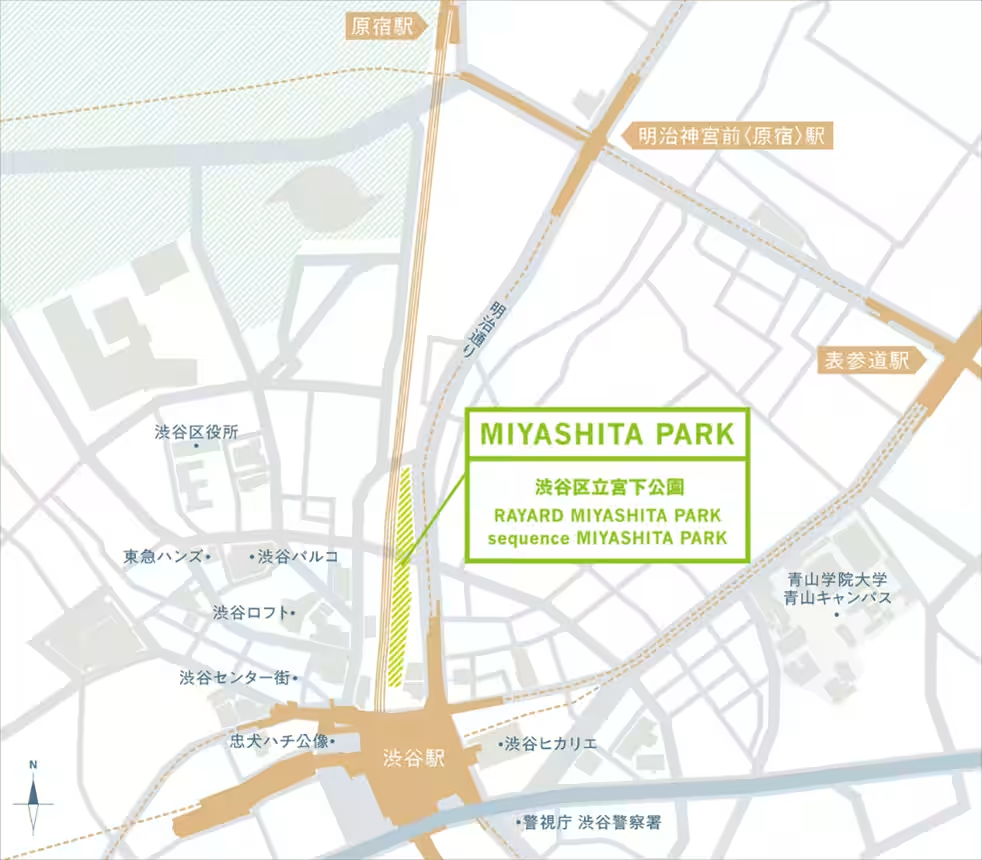
As part of its pilot operations beginning August 31, 2026, at MIYASHITA PARK, two smoking areas will have digital screens that transition from regular content to emergency alerts during a disaster. This transition will ensure that users receive immediate notifications and guidance on safe evacuation routes, enhancing their overall safety during unexpected situations.
Enhancing Public Awareness Through Media
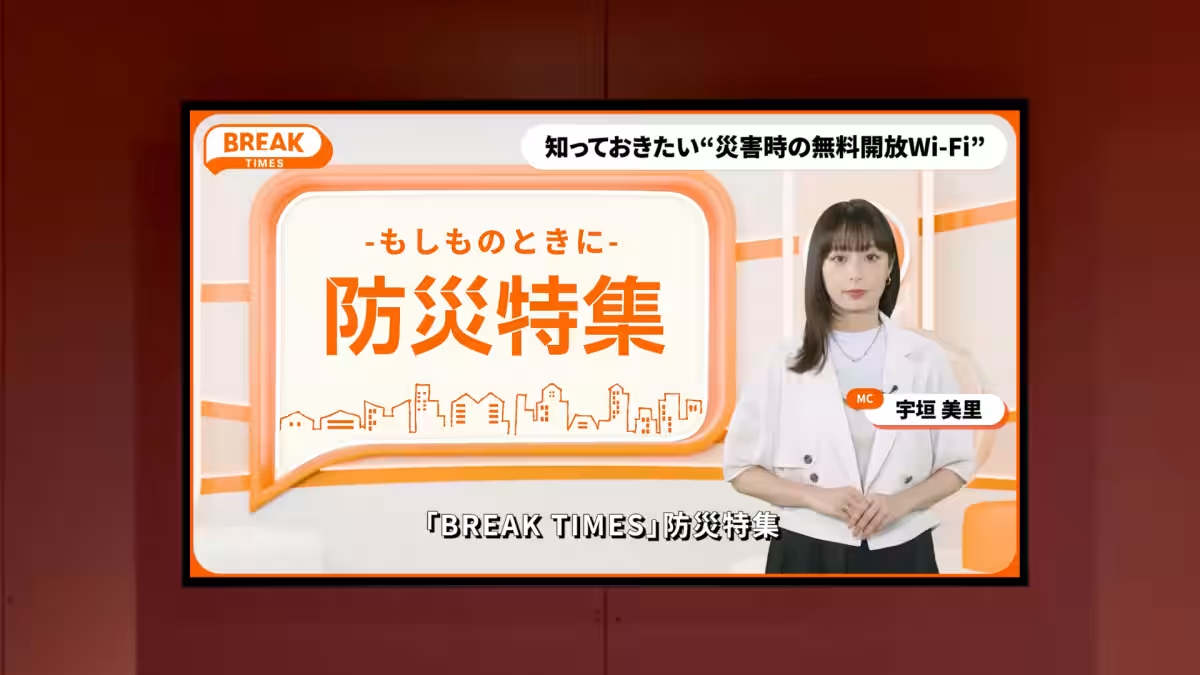
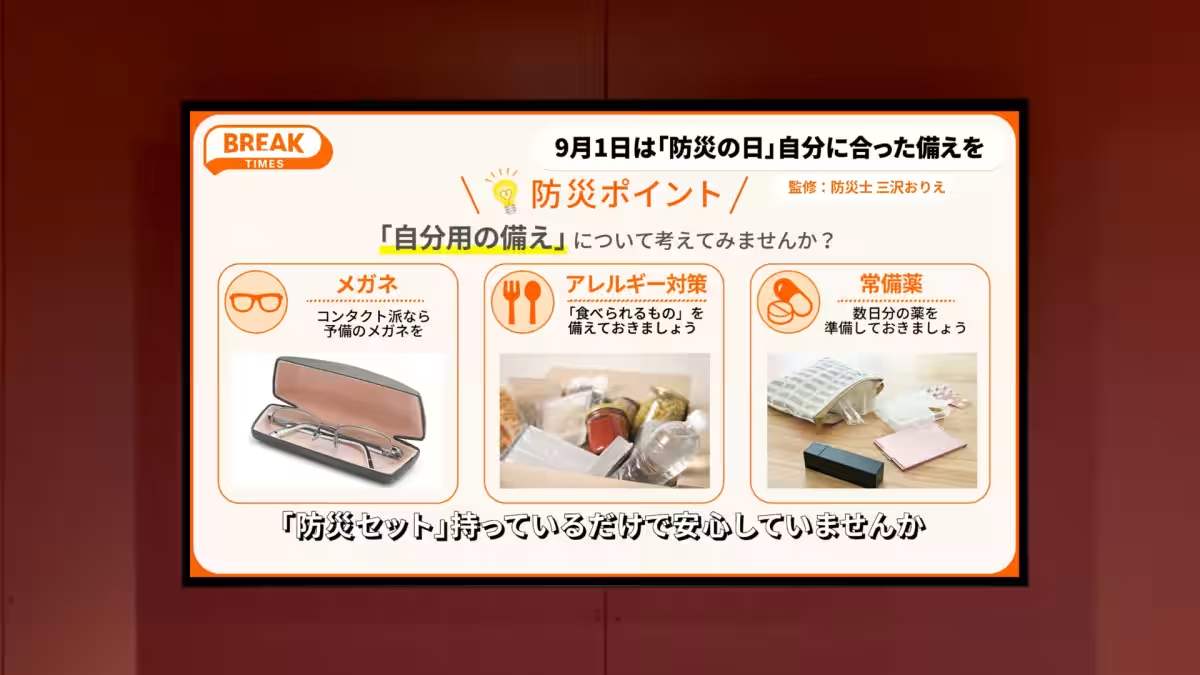
Another facet of the "BREAK" initiative includes the broadcasting of a dedicated information program titled "BREAK TIMES." Scheduled to air between August 17 and October 4, 2026, this series will focus on disaster preparedness, providing professionals with useful tips on how to equip themselves for emergencies. Supervised by disaster management expert Orie Misawa, these segments are designed to offer practical insights into effective disaster response strategies.
Misawa states, "Understanding how to prepare for disasters and what actions to take during such events is crucial. By increasing exposure to disaster preparedness information in a familiar setting, such as a smoking area, we can create a culture of awareness that empowers people to act rightly when it matters most."
Commitment to Safer Urban Spaces
In a joint statement, the representatives of Mitsui Fudosan and New Technology expressed their commitment to integrating safety protocols into urban infrastructure. They emphasized that providing accurate and timely information is paramount for safeguarding public well-being. The pilot project at MIYASHITA PARK exemplifies their vision of blending functionality with safety in public spaces.
Kosodo, responsible for the ongoing management of the "BREAK" platform, anticipates broad applications of this media across various facilities, extending its benefits beyond smoking areas to other high-traffic public locations. By fostering collaborations with building owners and operators, Kosodo aims to enhance the capability of these spaces to inform and protect users effectively.
Conclusion
As urban environments like Shibuya adapt to ever-evolving challenges posed by natural disasters, initiatives such as "BREAK" represent a proactive approach to safety. The successful integration of digital signage in public areas not only enhances operational efficiency but also promotes a culture of preparedness that can potentially save lives.
Key Takeaway
The implementation of the "BREAK" initiative at MIYASHITA PARK serves as a vital response to the call for improved disaster readiness across Japan, demonstrating how technology and strategic partnerships can redefine safety standards in urban settings. As urban landscapes continue to transform, such efforts underscore the need for continuous innovation to protect communities against the unforeseen.
Topics Policy & Public Interest)
【About Using Articles】
You can freely use the title and article content by linking to the page where the article is posted.
※ Images cannot be used.
【About Links】
Links are free to use.