



More Than 60% of Japanese Desire Home Refuge Amid Disaster Preparedness Challenges
Concerns About Disaster Preparedness in Japan: A Detailed Analysis
On September 1, which marks Disaster Prevention Day in Japan, Secom Co., Ltd. conducted a nationwide survey among 500 individuals aged 20 to 69. Recent trends show an increase in the frequency and intensity of natural disasters, leading to growing interest in decentralizing evacuations to reduce overcrowding in shelters. Starting in 2024, the Cabinet Office plans to develop strategies to support individuals who seek refuge at home or in vehicles outside of official shelters.
As part of their survey, Secom explored public awareness around home refuge, preparedness measures for disasters, and concerns regarding power outages. Insights from this survey, along with analysis from senior researcher Hiroaki Hamada from Secom IS Research Institute, provide a comprehensive picture of Japan’s disaster preparedness landscape.
Survey Highlights
1. Over 90% worry about increasing disasters and their impacts, yet more than half have no disaster plans.
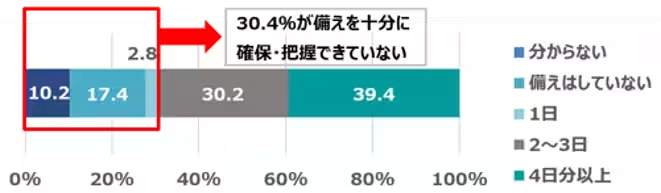
2. While over 60% prefer home refuge during disasters, about 30% admit to deficiencies in their preparedness.
3. The top concerns during power outages include toilet access and smartphone charging, with a focus on mobile battery preparedness moving forward.
Overview of the Survey
- - Duration: July 3 to July 7, 2026.
- - Method: Online survey.
- - Participants: 500 adults nationwide aged 20 to under 70.
- - Conducted by: Secom Co., Ltd. with research conducted by Rakuten Insight.
Key Insights
1. Disasters are a Growing Concern
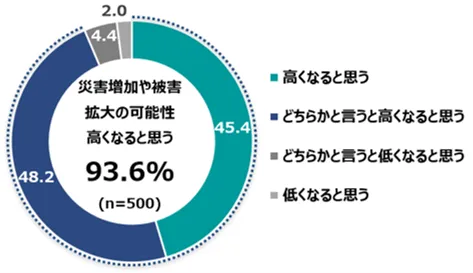
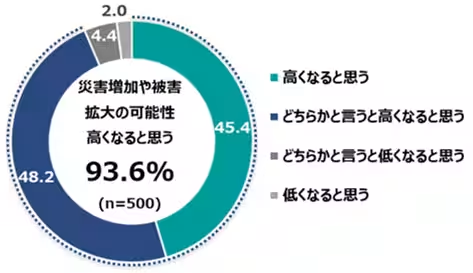
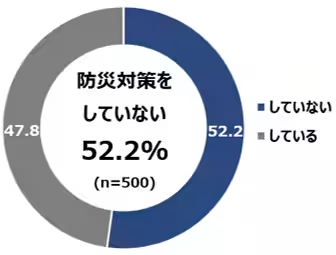
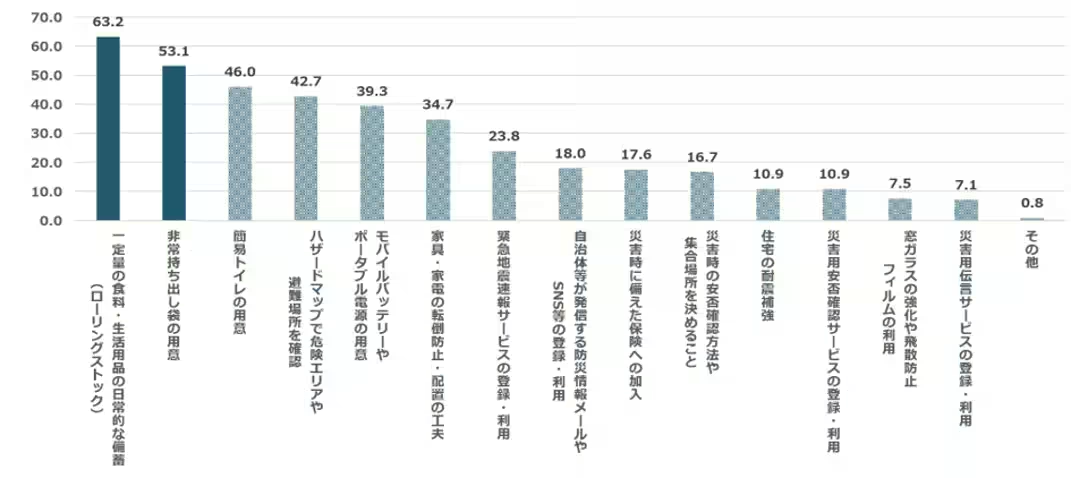
A staggering 93.6% of respondents believe that the likelihood and impact of disasters such as earthquakes, tsunamis, and typhoons are on the rise. However, 52.2% reported not having taken any disaster preparedness measures. This statistic has remained stable, with 50% to 57% of the surveyed population without preparedness over the last five years. Among those who have made preparations, common actions include regular stockpiling of food and essentials (63.2%) and readying emergency bags (53.1%). However, fewer people focus on home fortifications or systems for confirming safety during disasters.
2. Preference for Home Refuge
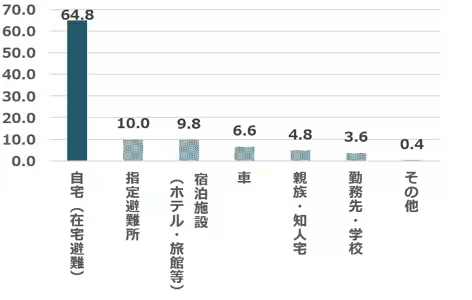
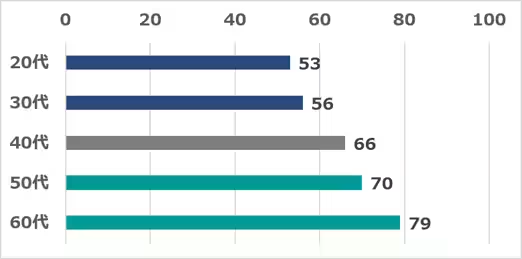
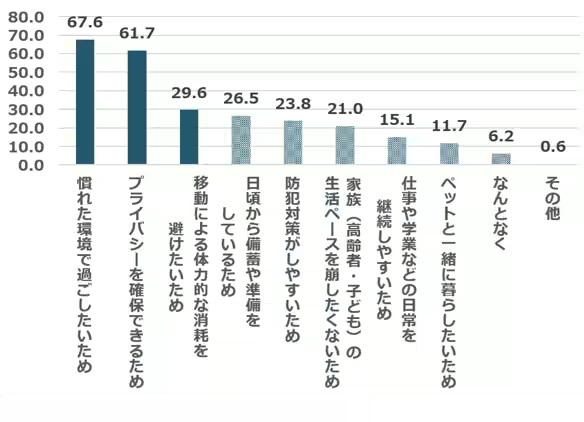
When asked where they would prefer to stay during an emergency if all locations were safe, 64.8% indicated a desire for home refuge. This preference increased with age; approximately 79% of individuals in their 60s chosen home refuge over other options. The reasons for this choice included comfort in familiar environments (67.6%), privacy (61.7%), and avoiding physical exhaustion from travel (29.6%). Despite these preferences, around 30% of respondents revealed that they lack sufficient preparedness for depending on their home during a disaster.
3. Concerns About Power Outages
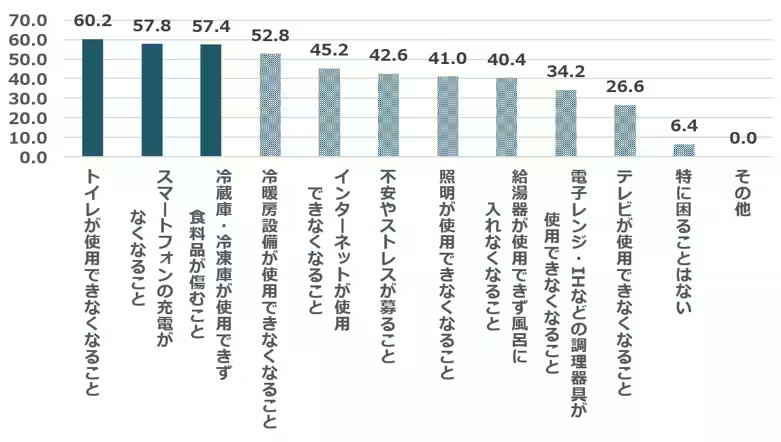
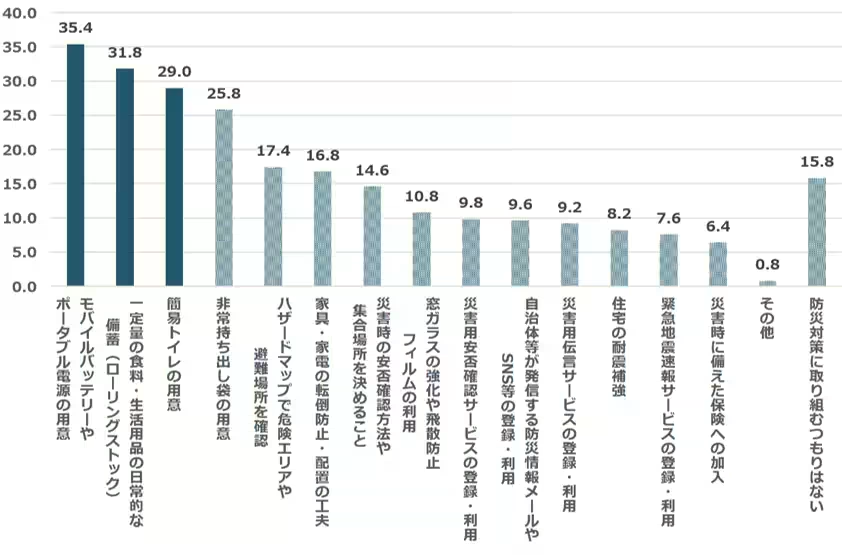
In the event of a power outage lasting more than three days, significant concerns include the inaccessibility of toilets (60.2%), the depletion of smartphone battery (57.8%), and the risk of food spoilage due to refrigerator outages (57.4%). Many respondents indicated they would like to invest in mobile batteries or portable power sources in the future as part of their disaster preparedness plans.
Expert Insights
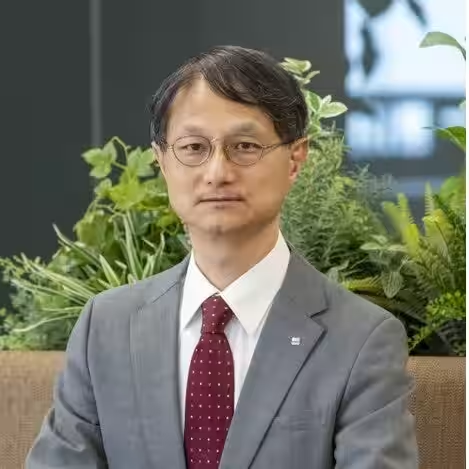
Hiroaki Hamada from Secom IS Research Institute emphasizes the need for individuals to envision potential scenarios to effectively prepare for disasters. He noted that a vast majority of the population expresses concerns about disasters, yet many lack proactive measures to safeguard their well-being. Recognizing everyday items that can assist during a disaster, such as using non-perishable food during power outages, is vital.
Individuals hoping to shelter at home must focus on essentials like food and water reserves, as well as infrastructure preparedness measures, including earthquake resistance for their homes. Simple actions, such as preparing a “disaster card” with emergency contacts and plans, can significantly enhance one's readiness for unforeseen situations. This preparation can mitigate panic and ensure a coherent response during actual emergencies.
The survey brought to light that while there’s a clear shift towards the desire for home refuge, considerable gaps remain in practical preparedness that could prove vital in a real disaster scenario. Addressing these inconsistencies is the key to enhancing public safety and readiness moving into the unpredictable future of natural disasters in Japan.
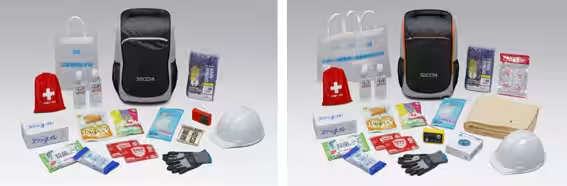
For ensuring safety and security, Secom offers a range of services tailored for disaster readiness, highlighting the need to prepare effectively for potential emergencies. Their ‘Super Rescue’ kits, designed to accommodate the specific needs of individual households, underscore the vital need for every citizen to engage with disaster preparedness actively.
Topics Policy & Public Interest)
【About Using Articles】
You can freely use the title and article content by linking to the page where the article is posted.
※ Images cannot be used.
【About Links】
Links are free to use.