



Majority of Executives Experience Unwanted Employee Turnover: Insights from OKAN Research
Unwanted Turnover in the Workforce: Findings from OKAN's Research
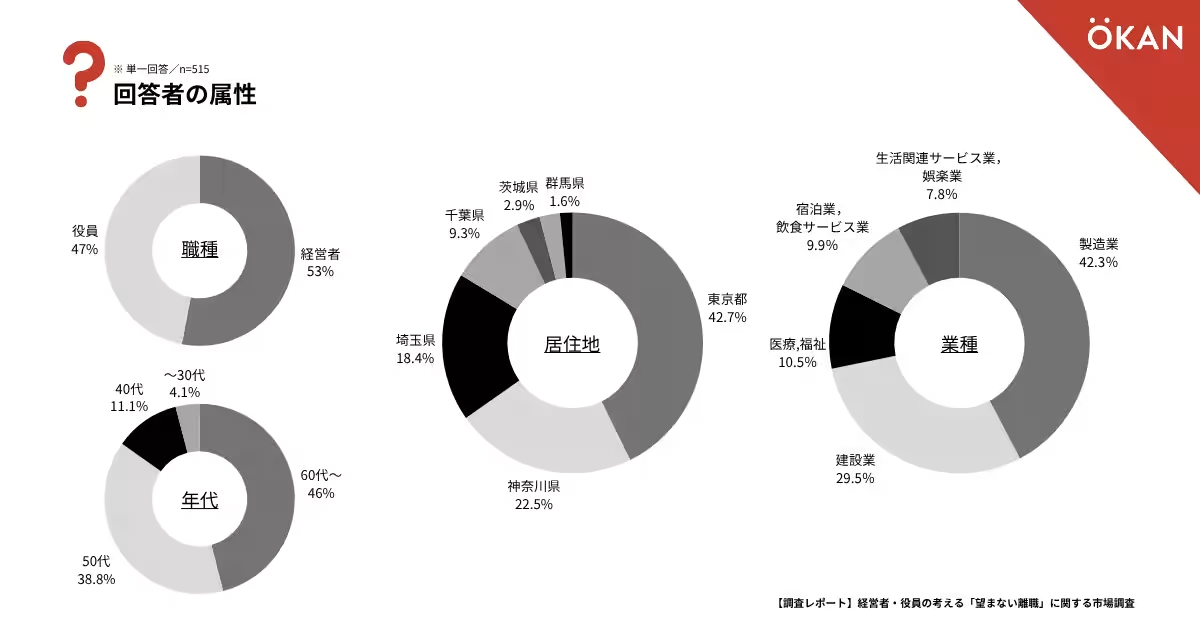
In a recent survey conducted by OKAN, a company focused on preventing unwanted employee turnover, it was found that a significant majority of executives and management in the Kanto region have experienced preventable workforce attrition. This study involved 515 executives across various industries such as construction, manufacturing, hospitality, and healthcare.
The Need for Understanding Unwanted Turnover
As Japan faces declining workforces due to an aging population and low birth rates, the issue of unavoidable turnover—often resulting from family obligations—has become a pressing concern for organizations. This is especially true for non-desk workers and essential workers. In order for companies to grow sustainably, creating an environment that supports long-term employee retention is essential. OKAN's research sheds light on the reality of unwanted turnover within organizations and aims to provide valuable insights for developing effective retention management strategies.
Survey Summary
The results of the survey indicate that:
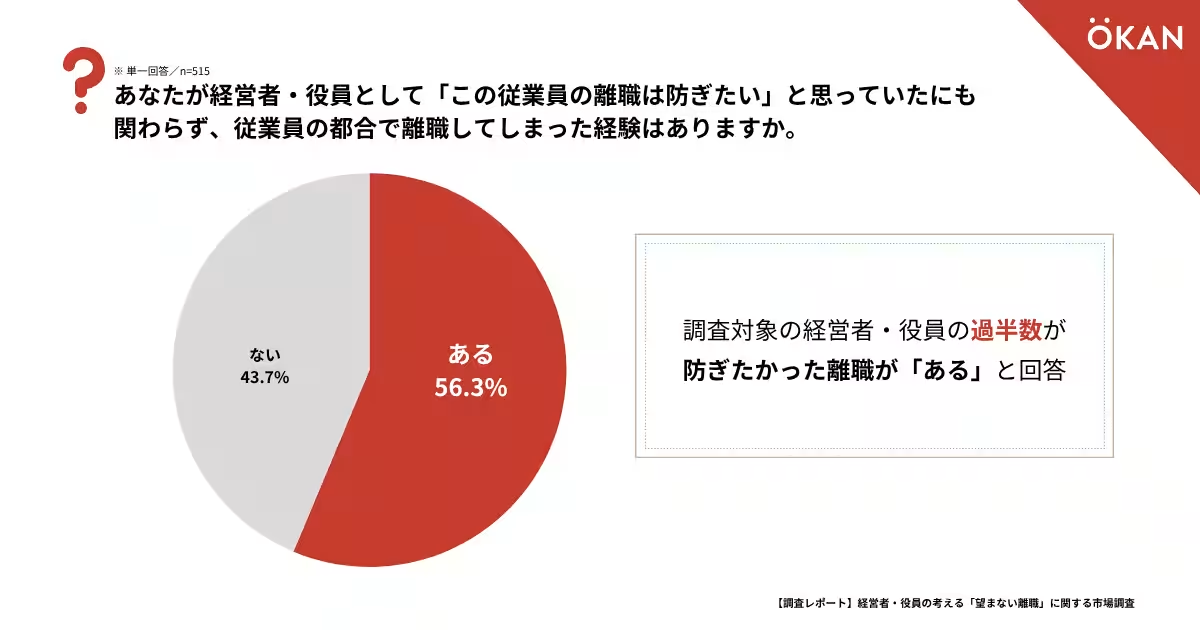
- - 56.3% of executives have encountered preventable turnover, suggesting a widespread issue.
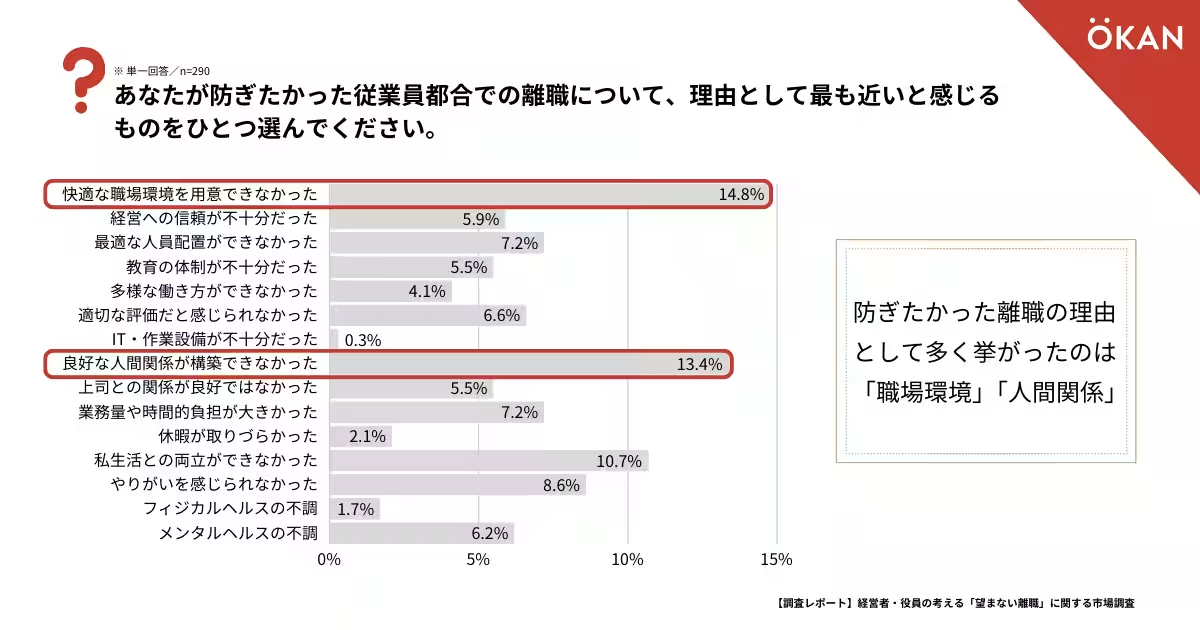
- - The primary reasons for this unwanted turnover include a lack of a comfortable workplace (14.8%) and an inability to foster good relationships (13.4%).
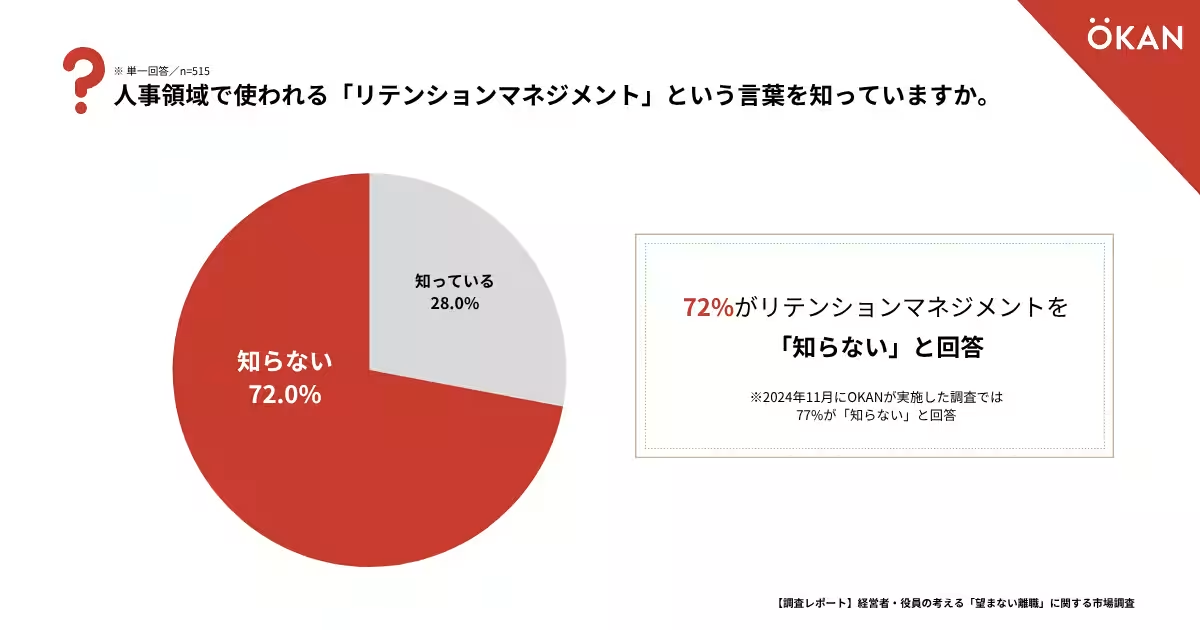
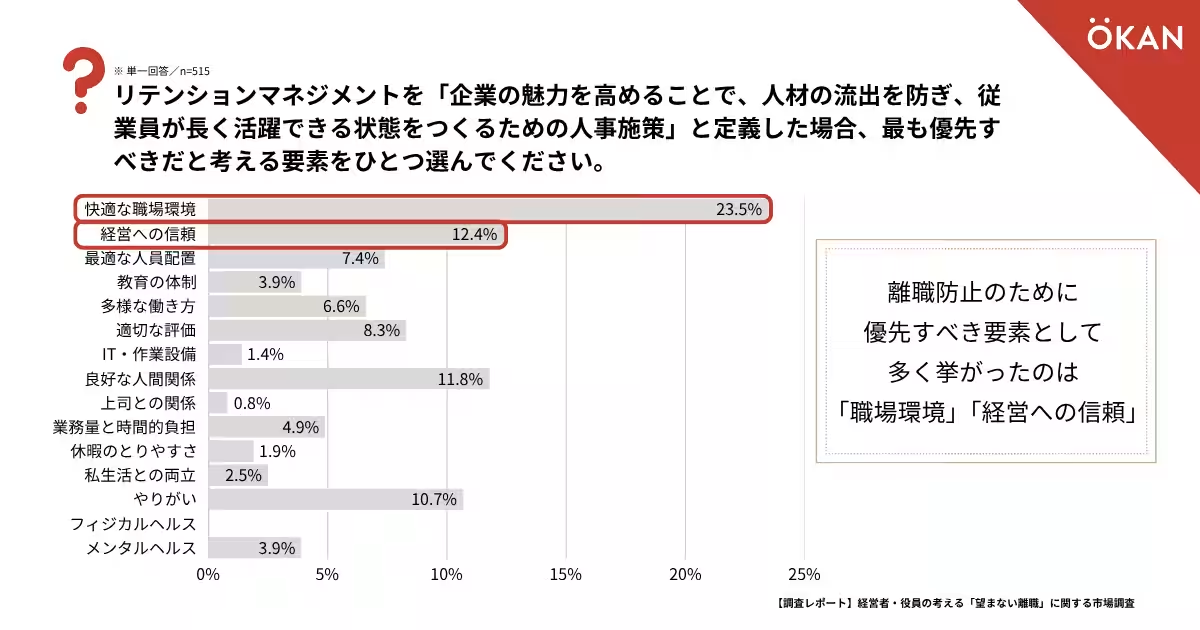
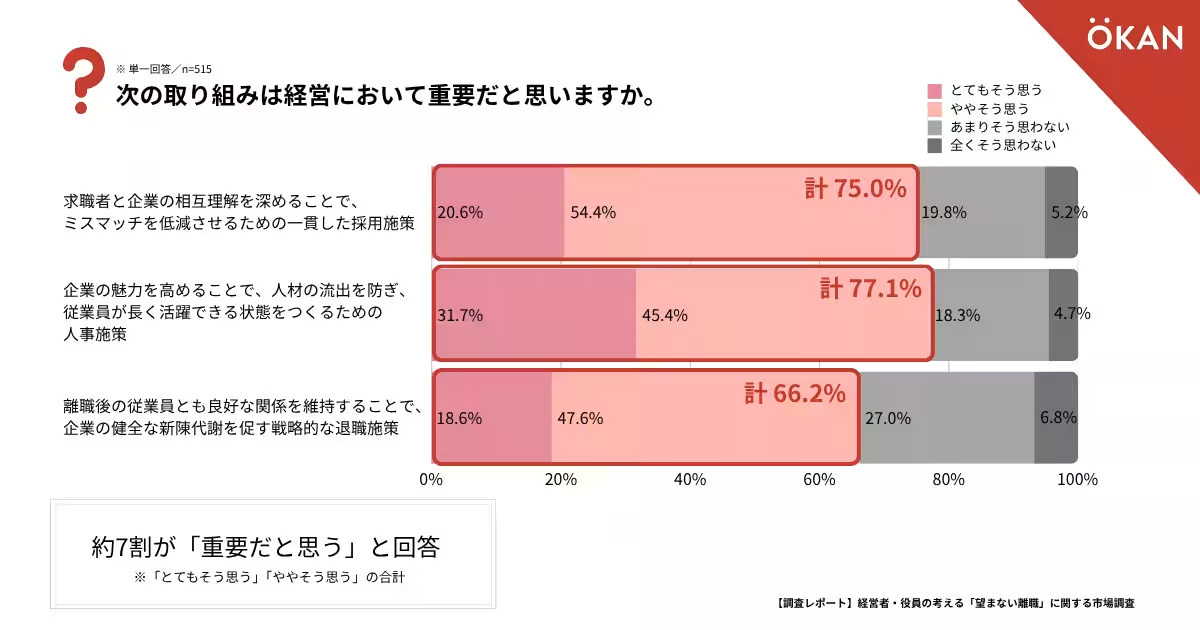
- - Despite 70% of respondents not being familiar with the term ‘Retention Management,’ there is a strong belief in its importance (77.1%).
Analyzing the Findings
The data reveals significant insights into the understanding of employee retention—or the lack thereof. The fact that over 56% of respondents cited preventable turnover experiences underscores not only direct financial losses due to recruitment and training costs but also the softer impacts, such as decreased morale and loss of organizational knowledge.
When asked about the reasons behind the turnover they wished to prevent, the leading choices were:
- - Uncomfortable working environments
- - Poor human relationships
Additionally, a concerning aspect of the research indicates that while many recognize the importance of balancing personal lives with work demands, initiatives aimed at providing this balance, referred to as ‘work-life reconciliation,’ do not receive the same prioritization in retention efforts. Only 10.7% considered it as a major factor causing turnover, despite evidence of its rising importance in today’s diversified workforce.
The Low Awareness of Retention Management
A noteworthy takeaway from the survey is the lack of understanding surrounding the term
Topics Other)
【About Using Articles】
You can freely use the title and article content by linking to the page where the article is posted.
※ Images cannot be used.
【About Links】
Links are free to use.