


Health Impact and Shopping Behavior of Hay Fever Sufferers in Japan During Spring Seasons
Understanding the Rise in Hay Fever Cases in Japan
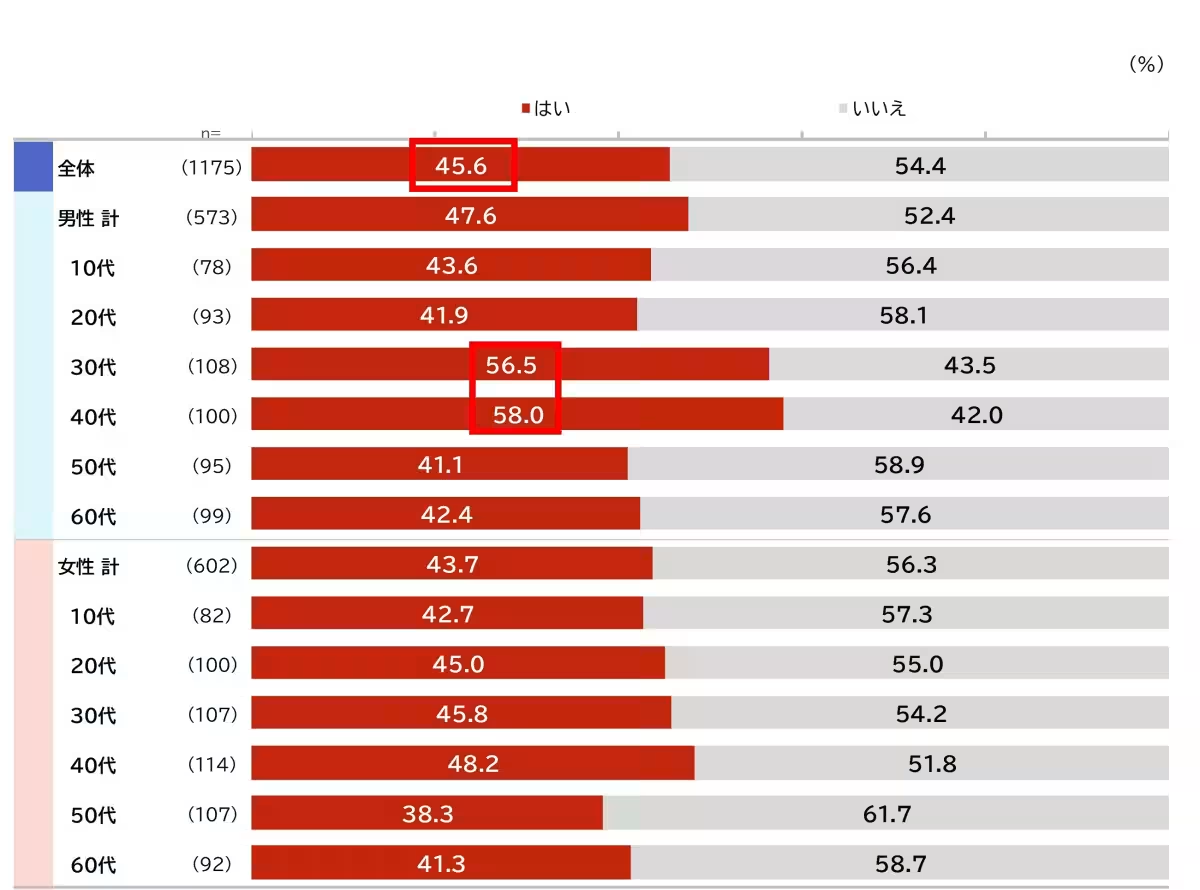
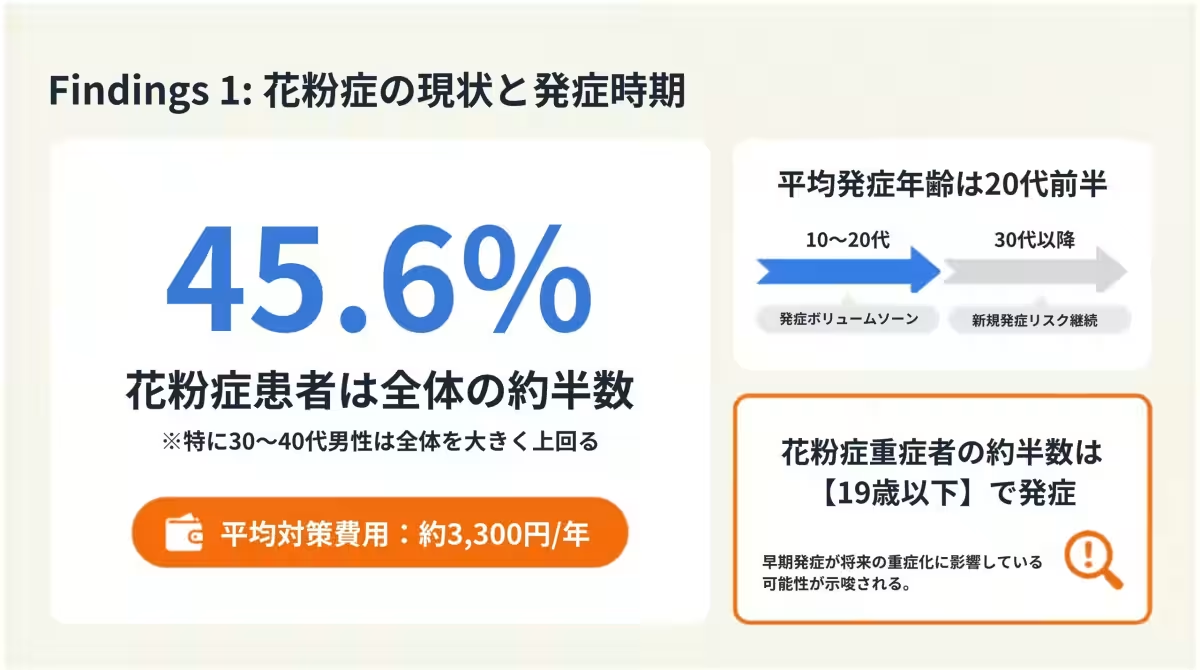
A recent survey conducted by Japan Information Co. has highlighted a significant issue facing the Japanese population: the prevalence of hay fever. Approximately 45.6% of respondents reported suffering from the condition, with men in their 30s and 40s notably affected. This research, conducted between March 4 and March 5, 2026, revealed intriguing insights into how hay fever impacts purchasing habits and daily activities during the spring season.
Demographics of Hay Fever Sufferers
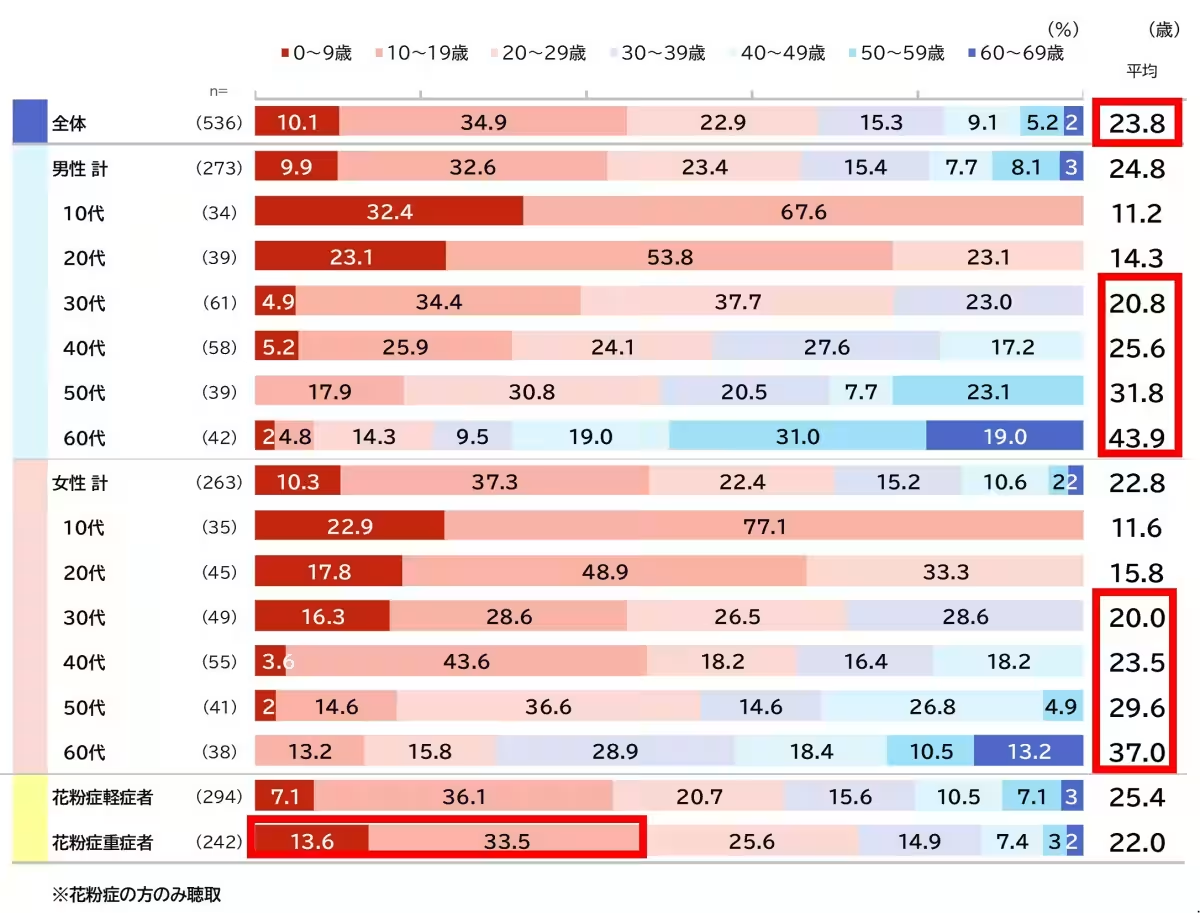
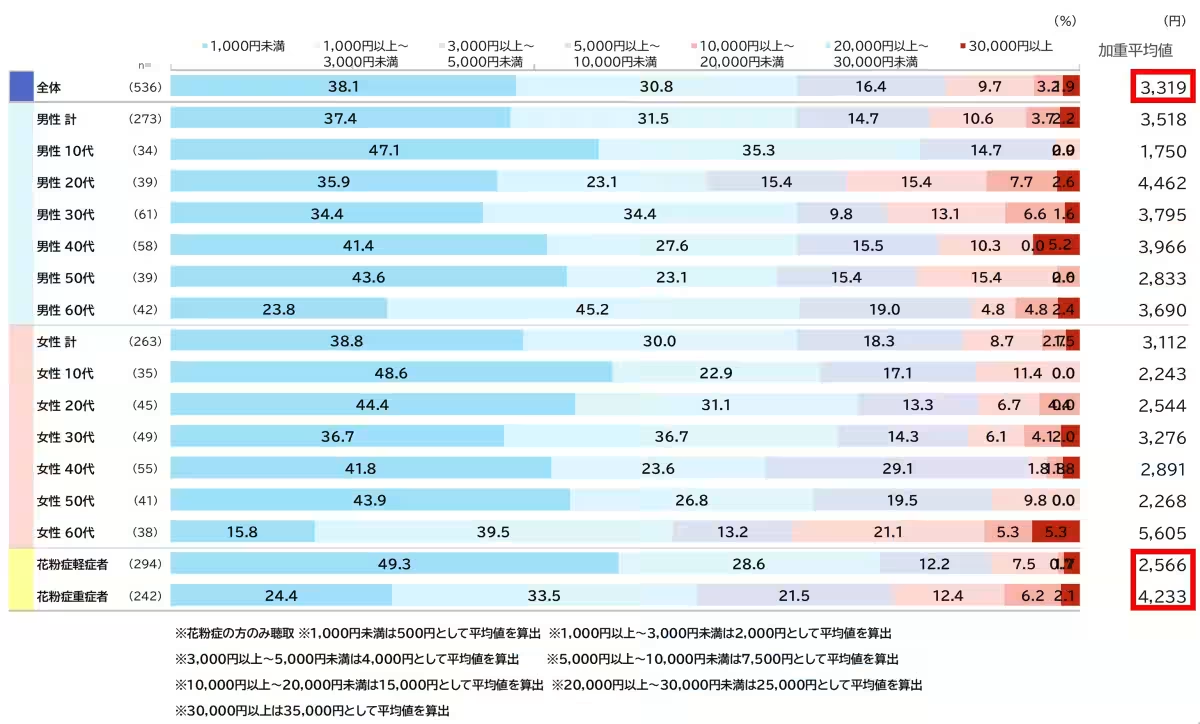
The study found that the onset age for hay fever is surprisingly young, often starting in the early 20s. Furthermore, symptoms do not only affect the young, as many individuals begin to develop the condition well into their 30s. Among those identified as having severe symptoms, about half reported that they had first experienced symptoms at 19 years of age or younger. The budget allocated for hay fever management averaged around ¥3,300, with considerable variation based on the severity of symptoms.
Psychological and Physical Effects
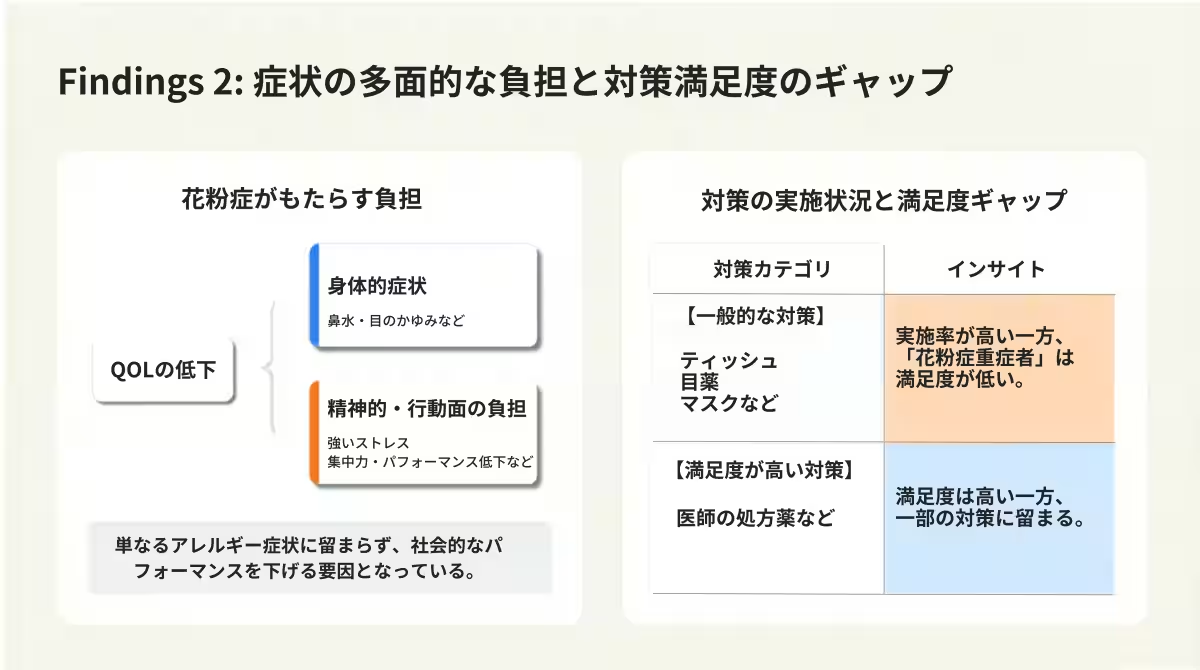
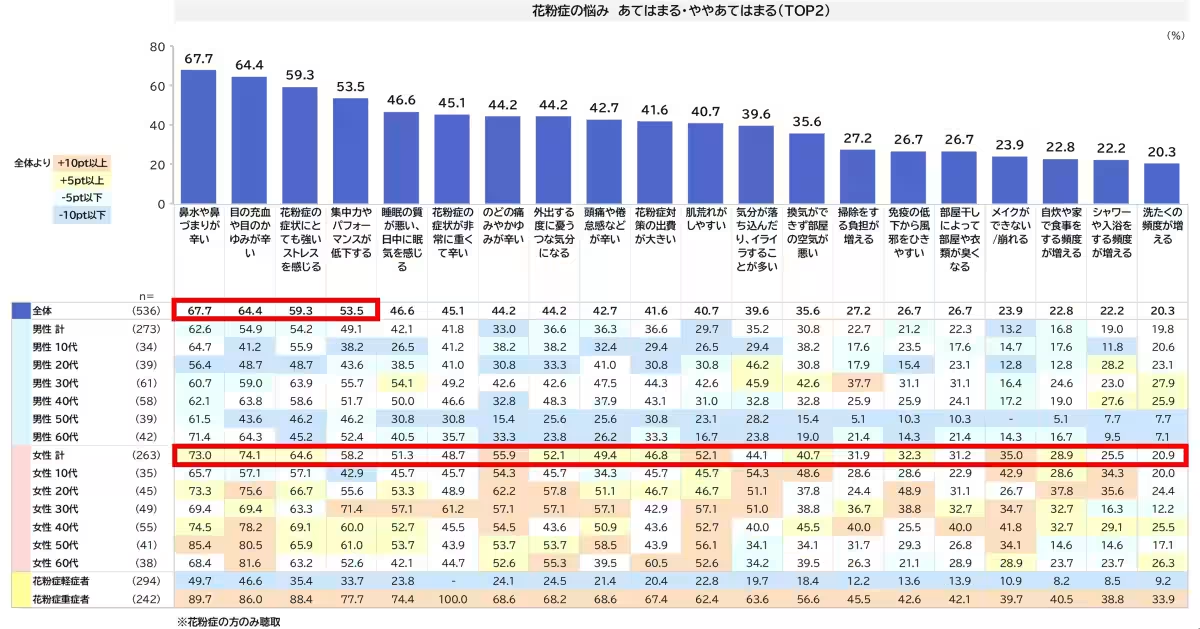
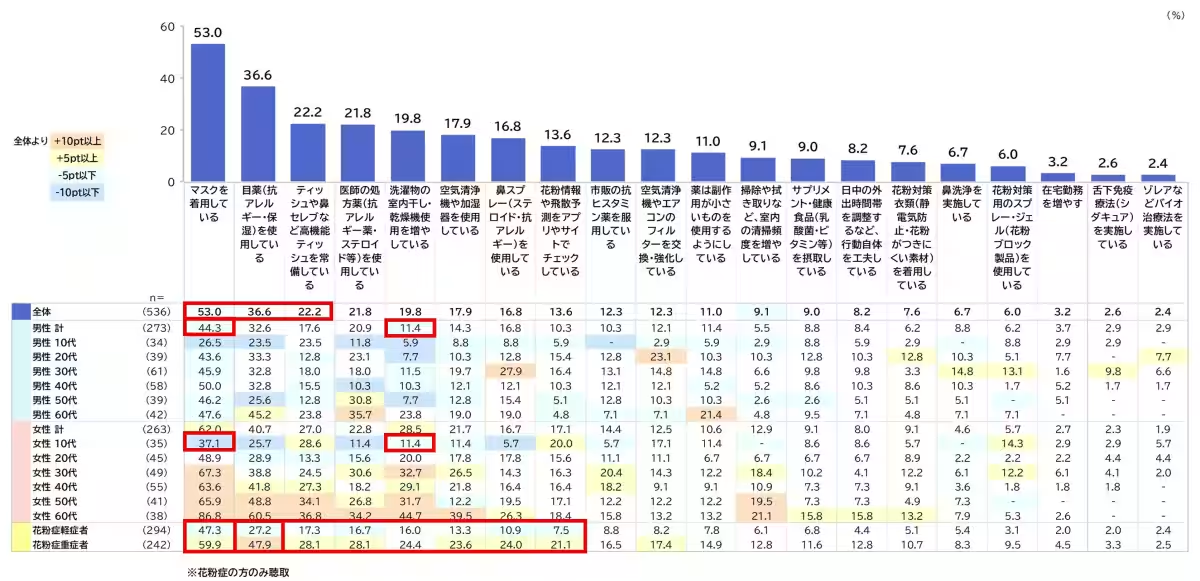
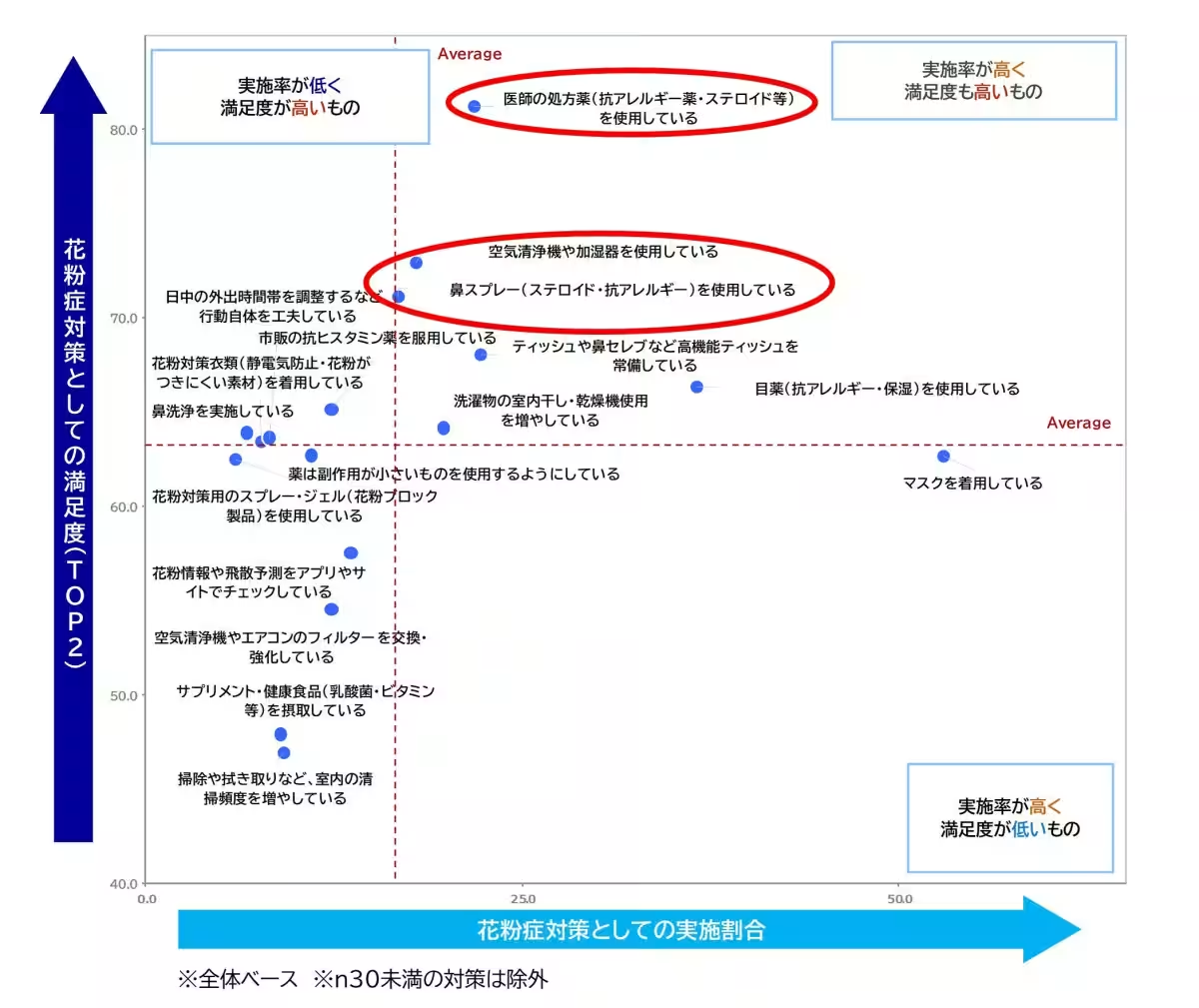
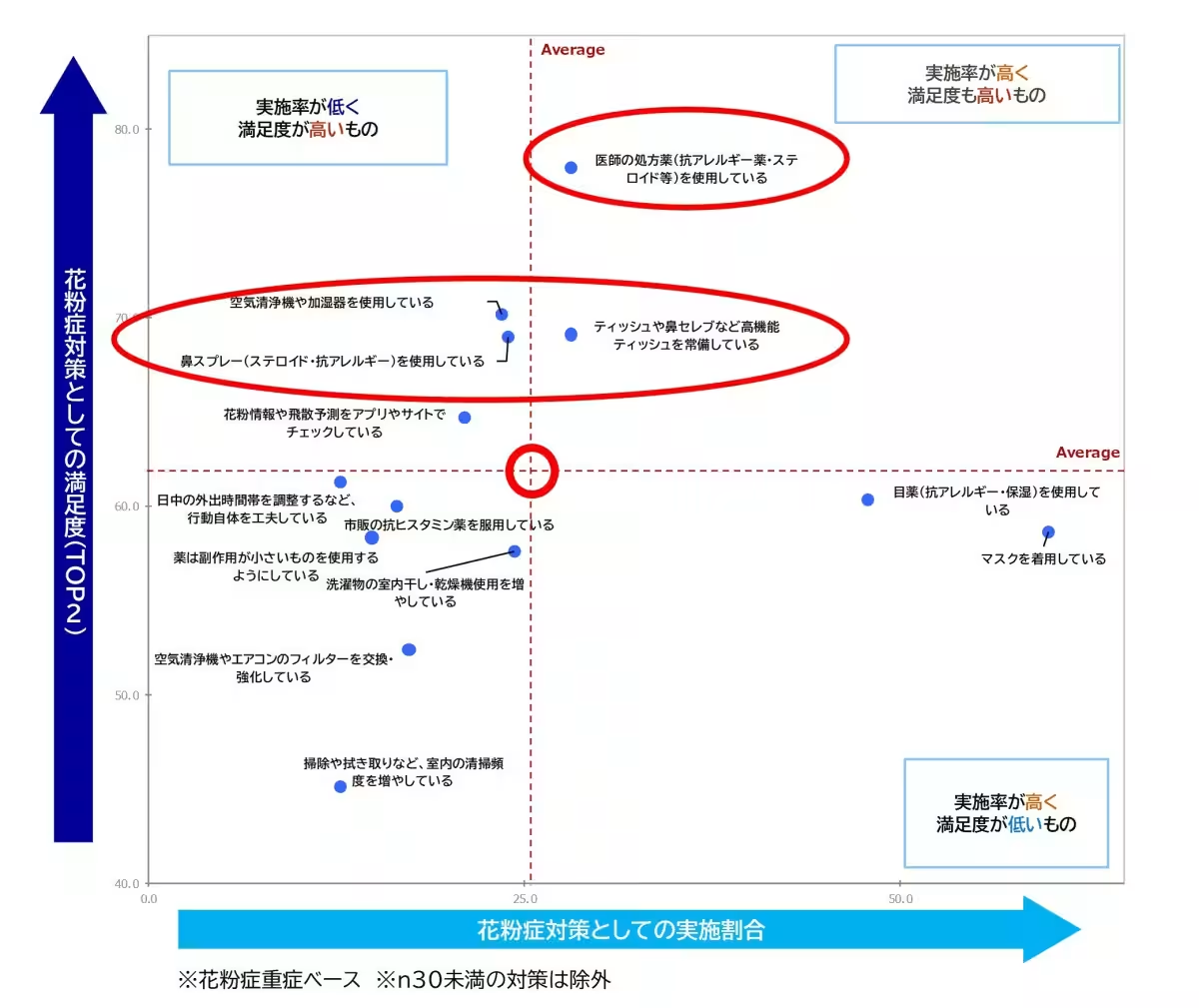
Hay fever doesn't just bring about physical ailments like nasal congestion and itchy eyes; it also contributes to significant stress and reduced concentration among sufferers. While many engage in preventive measures such as wearing masks, using eye drops, and keeping high-quality tissue handy, satisfaction levels with these solutions vary. Notably, those with severe symptoms frequently expressed dissatisfaction with their management strategies, relying heavily on prescription medications for relief.
Increasing Shopping Behavior Due to Hay Fever
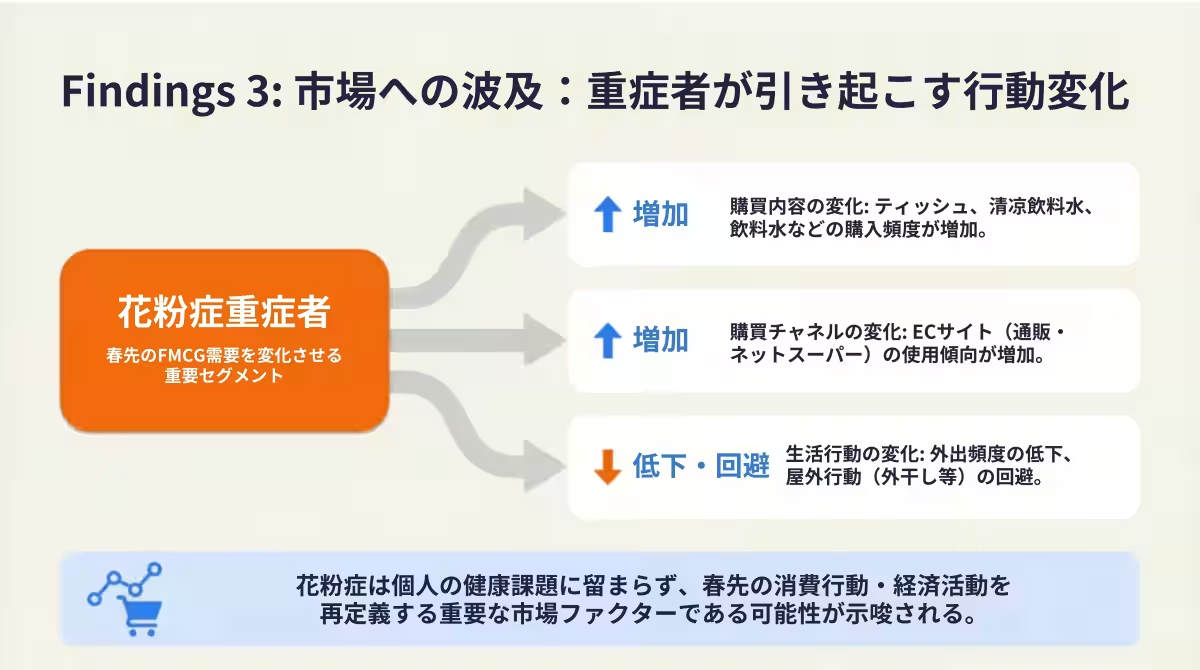
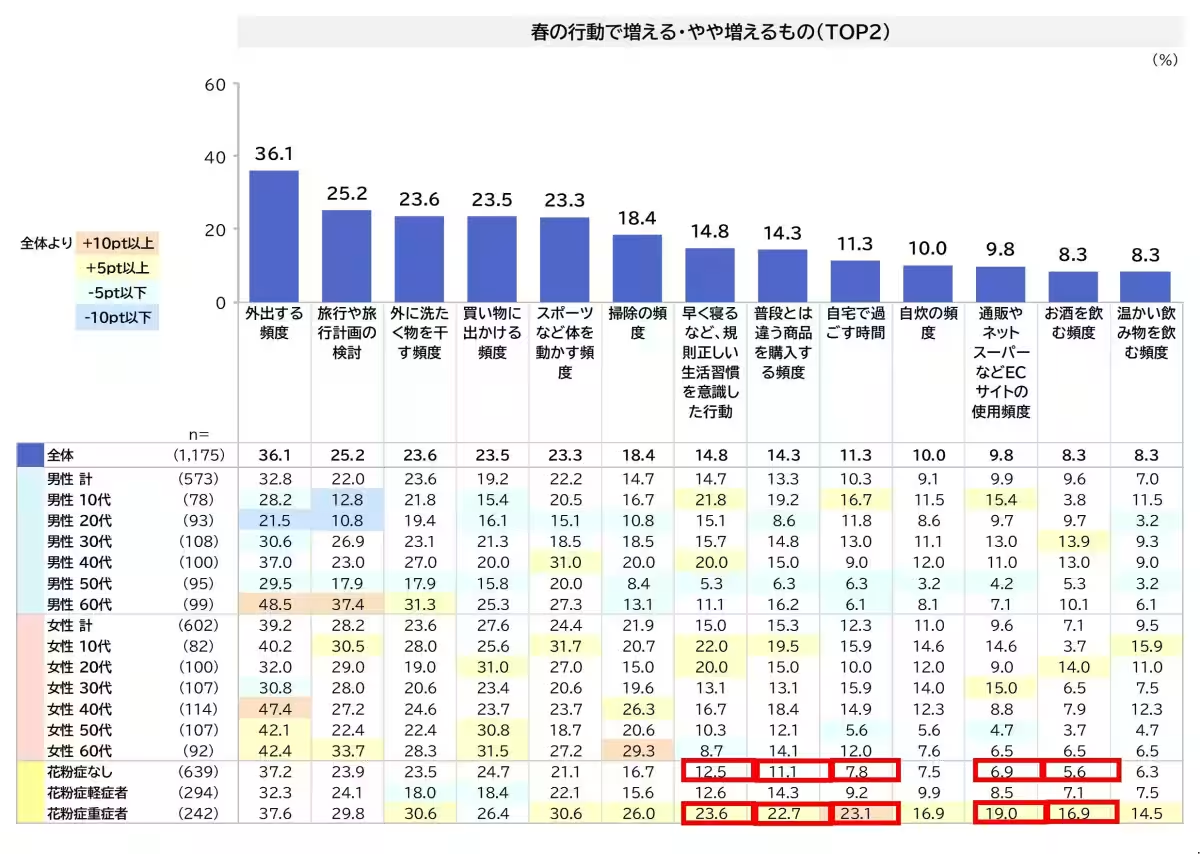
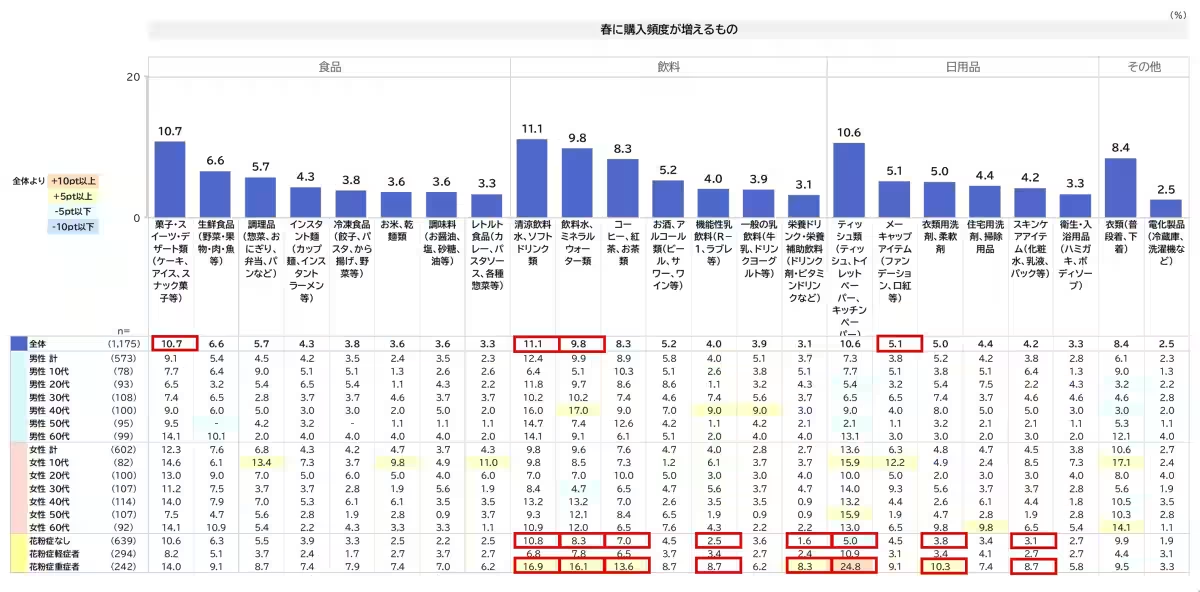
The data indicates that individuals exhibiting severe hay fever symptoms are a crucial consumer segment, particularly in the context of fast-moving consumer goods (FMCG). Their shopping habits evolve in spring, with increased purchases of tissues, soft drinks, and other necessities typically heightened by their symptomatic reactions. With the rise of e-commerce, many severe sufferers have turned to online shopping as a more viable option, suggesting that their condition strongly influences their purchasing decisions.
Shift in Shopping Patterns
During the spring, individuals affected by hay fever showed a marked preference for products that provide relief, including higher quantities of tissues and refreshing beverages. The frequency of e-commerce platform usage is notably higher among these consumers compared to others, indicating an adaptation to avoid outdoor exposure due to their symptoms. Furthermore, these changes in behavior also encompass activities such as a gradual reduction in outdoor socializing, corroborating the data with behavioral adjustments that align with purchasing trends.
Summary of Key Findings
1. Severity of Symptoms: Almost half of the respondents identify as hay fever sufferers, with men in their 30s and 40s particularly affected.
2. Purchasing Frequency: Hay fever sufferers are increasingly buying FMCG, particularly tissues, beverages, and over-the-counter relief options in spring.
3. Online Shopping Growth: Many people with severe symptoms are turning to e-commerce platforms, showing a shift in their shopping preferences.
Future Implications
This research illustrates the significant economic impact of hay fever on consumer behavior and the resultant needs for marketers and suppliers to adapt their strategies during peak pollen seasons. Robusting consumer insights can lead to more targeted advertising and product placement that caters distinctly to this demographic. As awareness of the condition continues to grow, understanding the accompanying shopping habits of hay fever sufferers will become increasingly crucial among retailers and businesses alike.
For those interested in detailed survey results and further analyses, free reports are available on the Japan Information website. This ongoing study underscores the importance of acknowledging health issues in shaping consumer behavior in retail environments, especially amid seasonal allergies.

Topics Consumer Products & Retail)




【About Using Articles】
You can freely use the title and article content by linking to the page where the article is posted.
※ Images cannot be used.
【About Links】
Links are free to use.