



Insights on Regulatory Violations in Advertising Practices Related to Pharmaceuticals and Health Products
Overview of Recent Advertising Violations
REGAL CORE, a company specializing in compliance with pharmaceutical laws based in Shibuya, Tokyo, has released its regular survey results regarding advertisements that may violate the Pharmaceutical Affairs Law and the Health Promotion Law. This investigation highlights alarming trends in misleading advertising claims associated with health products.
Survey Findings
Continuing from previous reports, the recent analysis confirmed the presence of problematic content in article landing pages (LPs) related to advertising. The investigation examined various web media from February to April 2026, focusing primarily on recommended widgets featuring advertisements. These advertisements were evaluated for compliance against applicable laws aimed at protecting consumers from misleading claims.
Investigation Methodology
- - Investigation Period: February 2026 - April 2026
- - Scope: Multiple web media outlets were randomly selected for advertising scrutiny regarding article-based LPs.
- - Methods: The study assessed multiple advertising products within various web media bi-weekly, investigating whether claims made in these advertisements posed a potential risk based on the Pharmaceutical Affairs Law and the Health Promotion Law.
Specific Findings
Throughout the investigation period, numerous problematic expressions were identified. Below is a summary of prevalent claims found to infringe on regulations:
1. Health Food Products
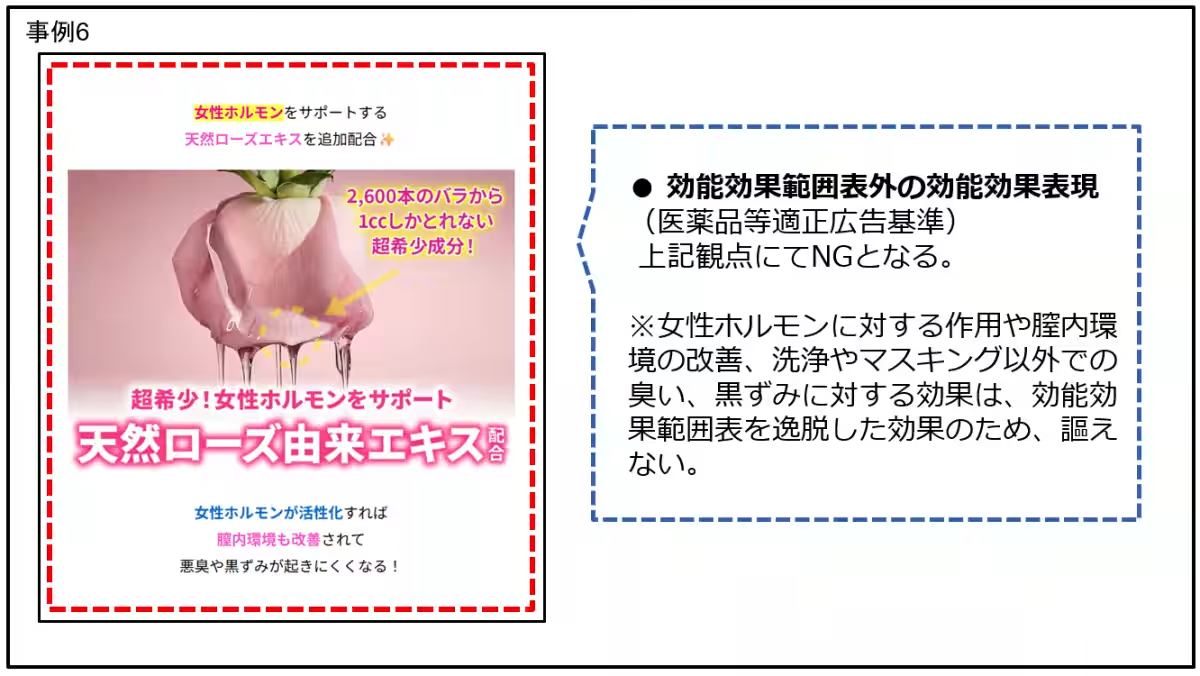
- - Claims suggesting drug-like effects or exaggerated benefits regarding female hormones were observed. For example:
- Phrases related to skin, such as “detox effects,” and “preventing aging” mislead consumers into believing in unrealistic outcomes.
- - Misleading claims about weight loss were prevalent, including:
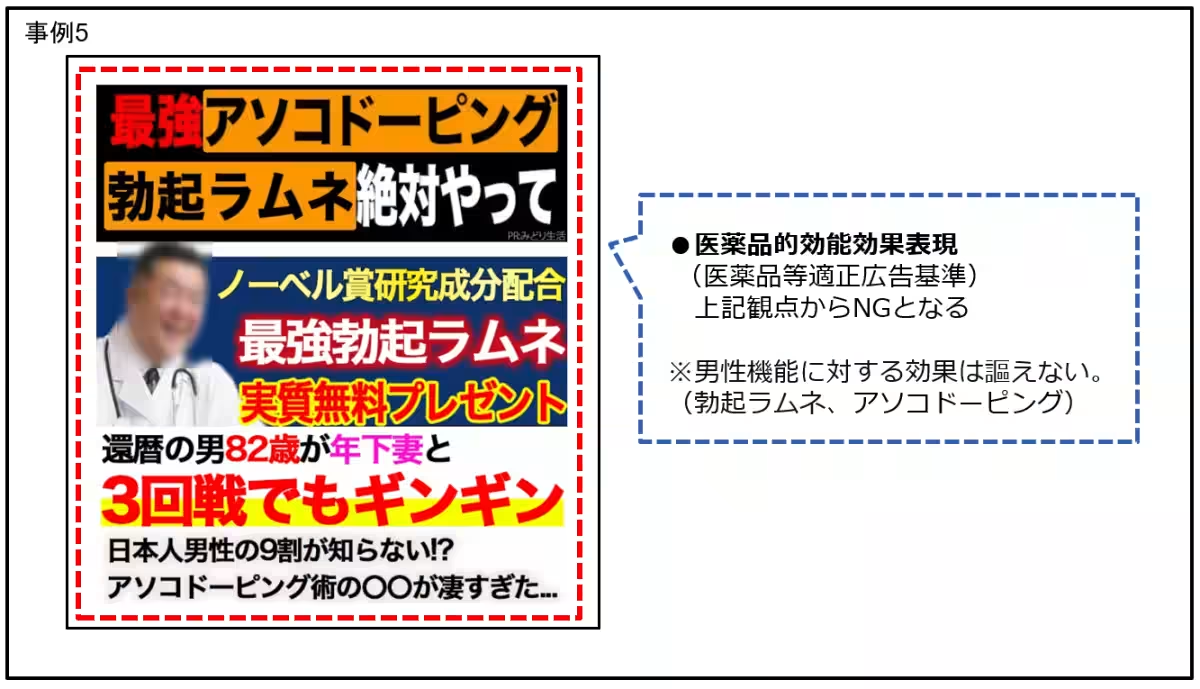
- - Other expressions suggested enhancements in male function with claims like “increased libido” attributed to consumption of certain products.
2. Functional Foods
- - Expressive language suggesting perplexingly high expectations without supporting evidence was noted, such as:
- - There were outrageous statements like “permanently walk with ease” leading the message to imply unrealistic functional enhancements.
3. Cosmetic Products
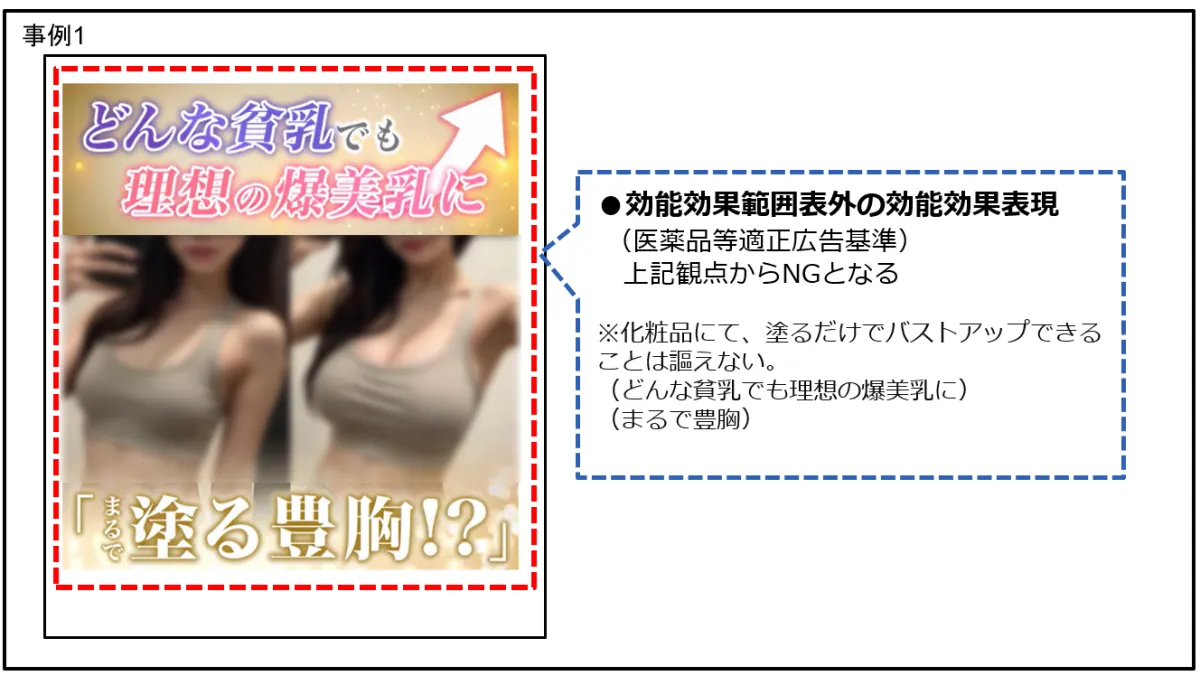
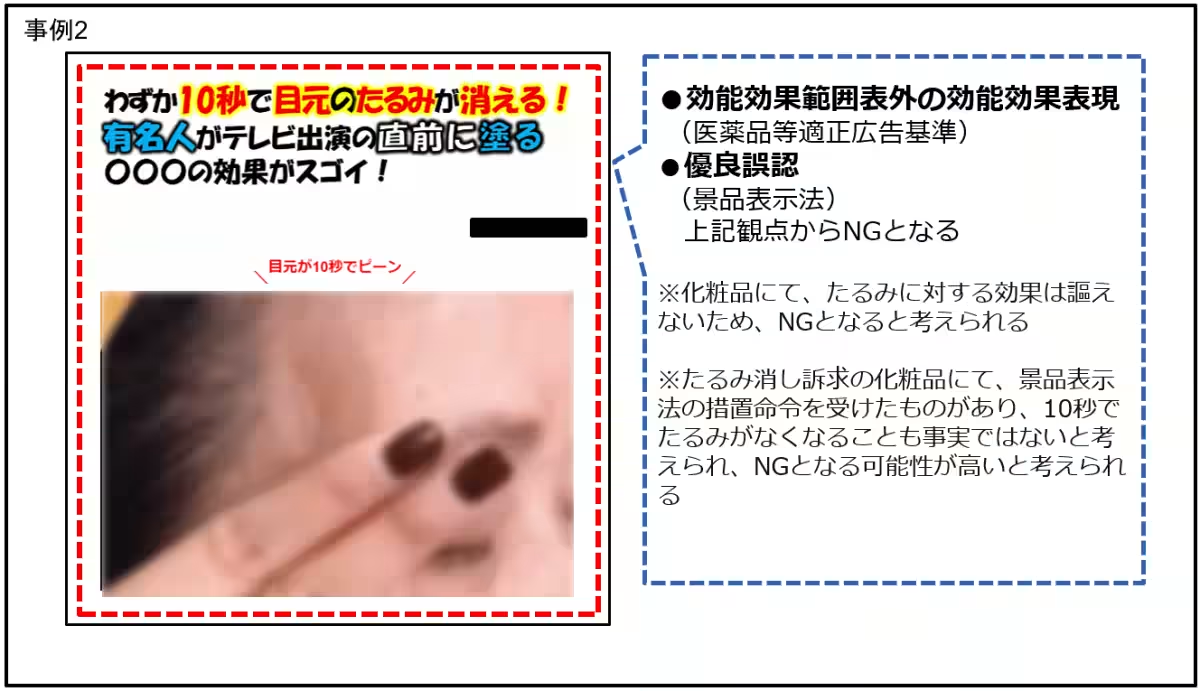
- - Many products ventured beyond permissible claims related to their functions, such as:
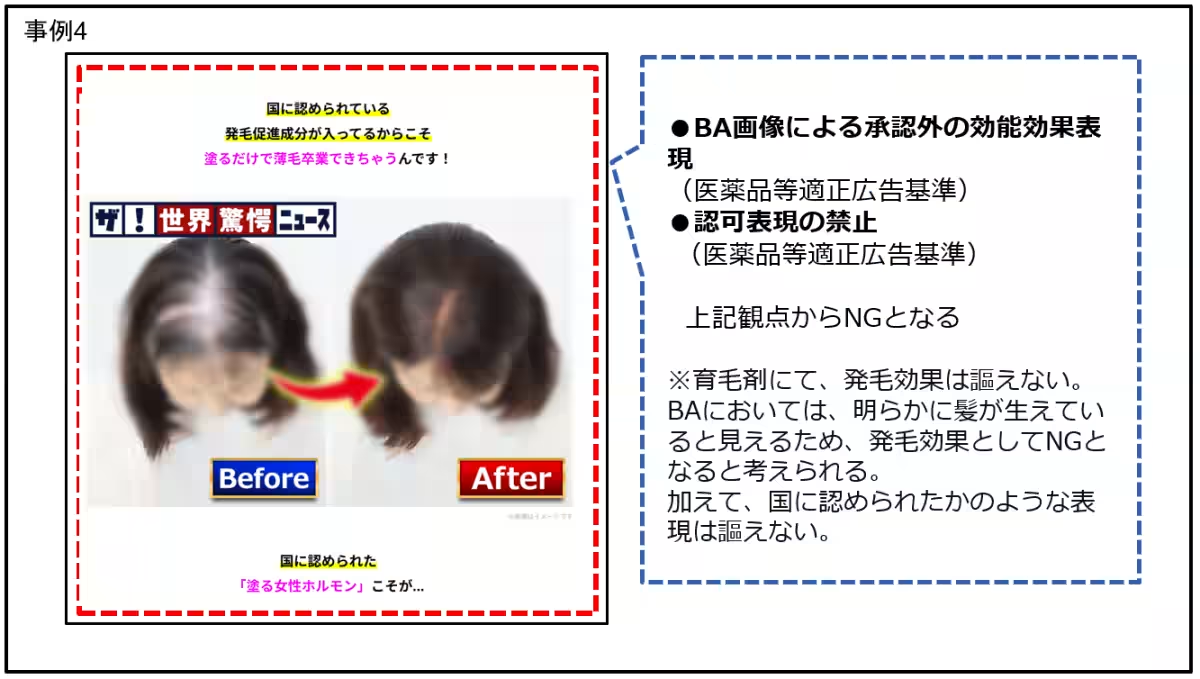
- - Similar hyperbolic claims were found in hair loss treatments presenting misleading expectations of growth without medical backing.
- - The use of terms suggesting that fragrances could stimulate physiological responses raises legal red flags in their advertising integrity.
4. Pharmaceuticals
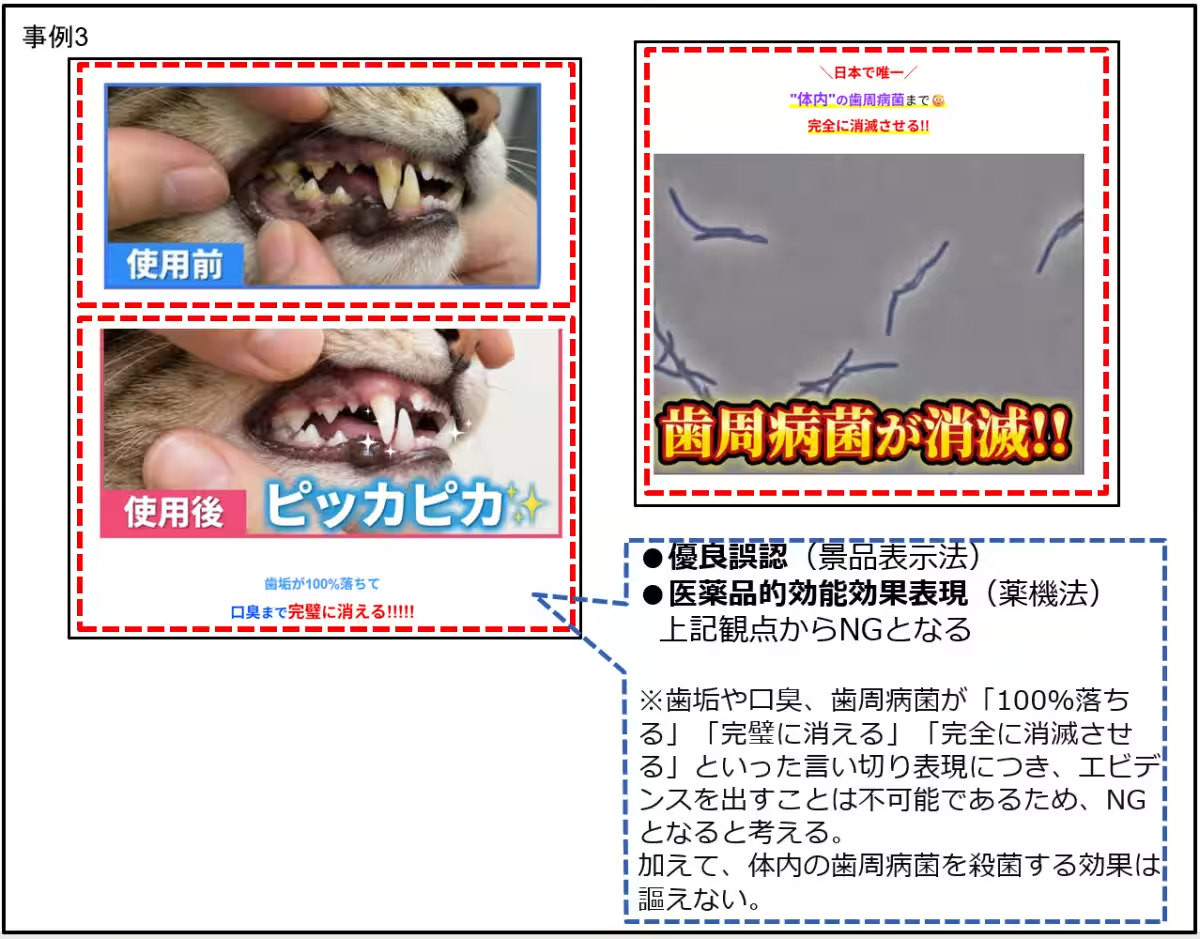
- - Inappropriate claims for drugs designed for relief were reviewed, indicating they possess the treatment efficacy of medicinal products:
- - Risks associated with such framing include the portrayal of benign products as solutions for critical health issues, potentially endangering consumers’ understanding of appropriate interventions.
Conclusion
Throughout this investigation, Regal Core has noted that some businesses have already begun to rectify their advertising strategies following previous findings. Continuous updates will be administered as circumstances evolve. Ongoing improvements in survey methodologies and criteria interpretations enhance the quality of this critical work. Through these consistent evaluations, we hope to preserve consumer trust and clear communication in the health and wellness sector.
In closing, recognizable patterns of misleading advertising still evoke concern within the health-related advertising landscape. As reported by REGAL CORE, these findings underscore the acute necessity for vigilance and adherence to legal advertising standards across pharmaceuticals and health products. By adopting a proactive approach and addressing these discrepancies, we can foster a transparent and credible prevalent market.
Topics Consumer Products & Retail)
【About Using Articles】
You can freely use the title and article content by linking to the page where the article is posted.
※ Images cannot be used.
【About Links】
Links are free to use.