




The Ambivalence of Hard Work: A Reflection on Employee Attitudes
The Ambivalence of Hard Work: A Reflection on Employee Attitudes
Introduction
In recent times, the conversation surrounding hard work has shifted significantly within corporate culture. A study conducted by Corner Inc., targeting 1,236 business professionals in Japan, has shed new light on the perceptions of hard work amidst the ongoing narrative of work-life balance reforms. While many now associate hard work with negative connotations such as long hours and excessive stress, the research indicates a nuanced acceptance of hard work under certain conditions that promise growth and recognition. This article delves into the findings, exploring how hard work is perceived, accepted, and the underlying motivations driving these attitudes.
Perception of Hard Work
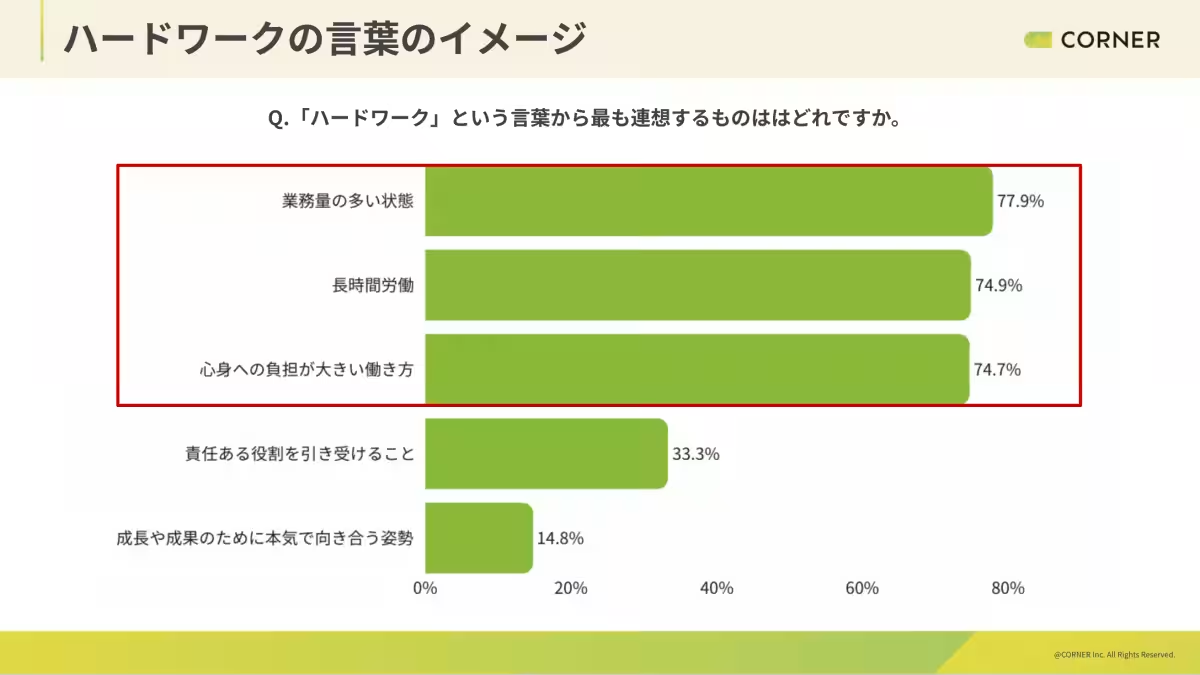
The first aspect revealed by the survey is the negative image associated with the term “hard work.” Respondents frequently linked hard work with grueling hours and overwhelming responsibilities. This perception, however, does not paint the complete picture. A significant subset of participants equated hard work to qualities like accountability and diligence aimed at personal development. This duality suggests that the interpretation of hard work can differ markedly depending on individual experiences and expectations.
Acceptance of Hard Work
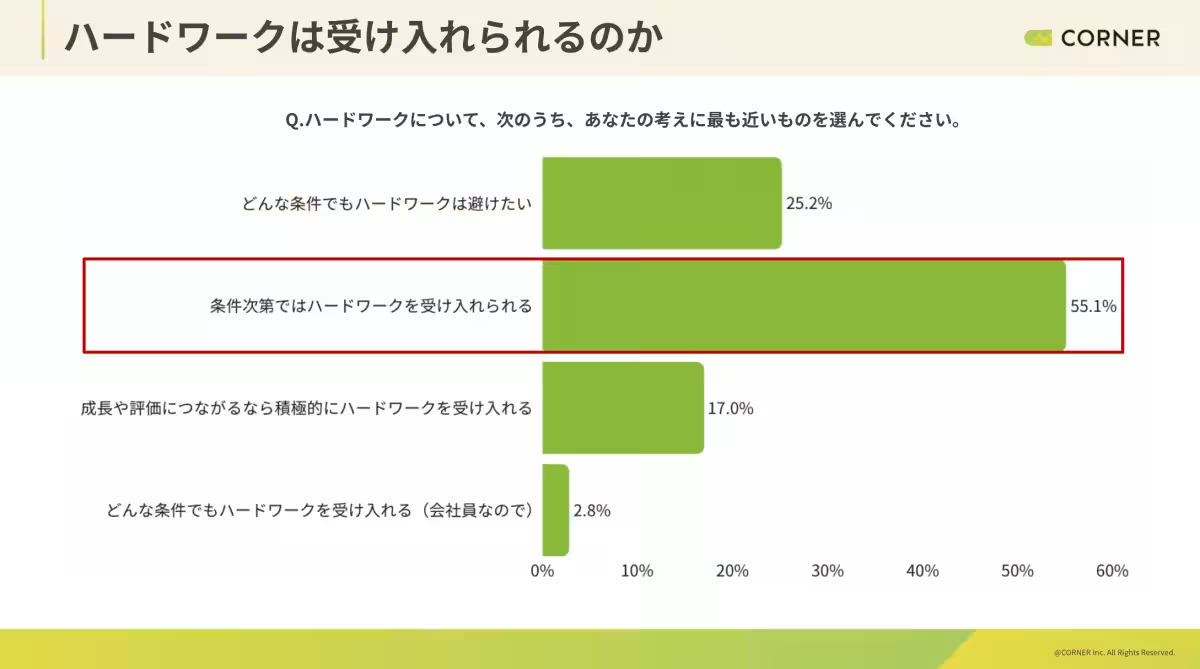
Interestingly, the results highlight that hard work is not outright rejected by the majority; instead, it is often accepted under specific circumstances. A proactive acceptance of hard work is prevalent, provided it is perceived to contribute to personal growth or fair evaluation of performance. In fact, the majority of respondents indicated they would be willing to embrace hard work if it aligns with their aspirations for advancement and recognition.
The Factors Influencing Acceptance
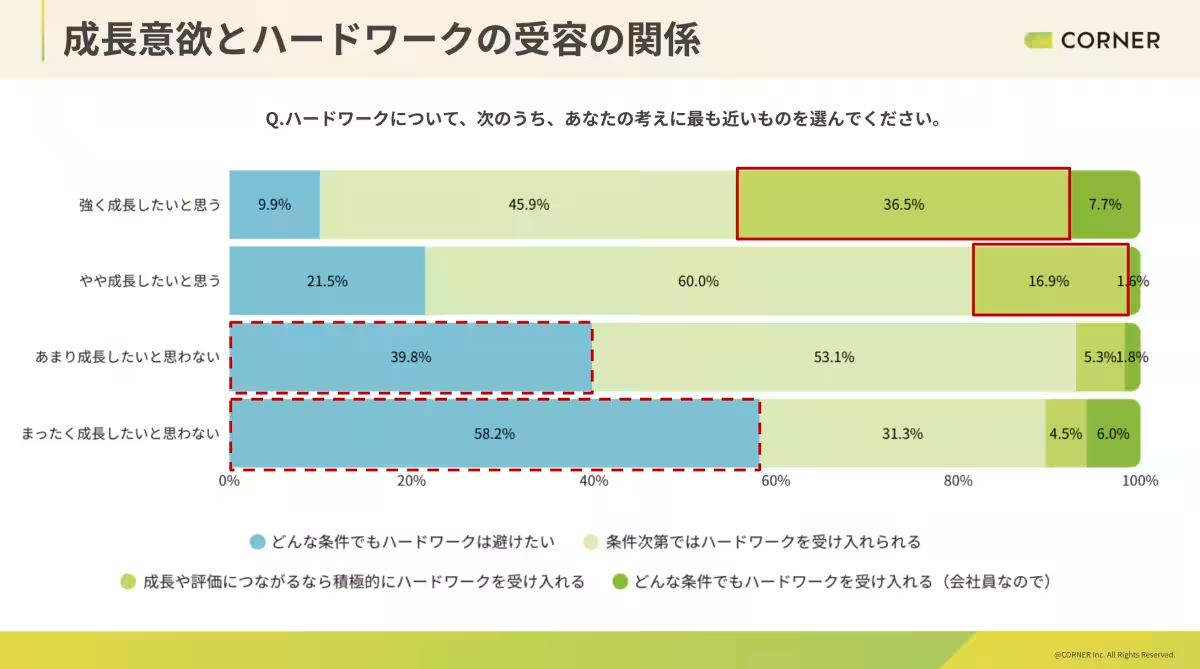
The survey data revealed key segments of the workforce that exhibit a greater acceptance of hard work: those with high ambition for growth and those satisfied with their current evaluation systems. It appears that an individual's desire to grow substantially influences their willingness to engage in hard work, rather than the sheer volume of hours worked. This correlation suggests that businesses should aim to clarify how hard work translates into future opportunities and rewards.
Generational Insights
Another intriguing dimension of the survey explored generational differences in attitudes towards hard work. Younger professionals frequently expressed a tendency to accept hard work, especially when convinced of its potential for enhancing their career trajectory. Conversely, older respondents showed increasing reluctance to embrace hard work, indicating an evolving perspective based on career stage and experience. This divergence in outlook highlights the importance of tailoring motivational strategies to meet the distinct needs of various employee demographics.
The Impact of Work Style Reforms
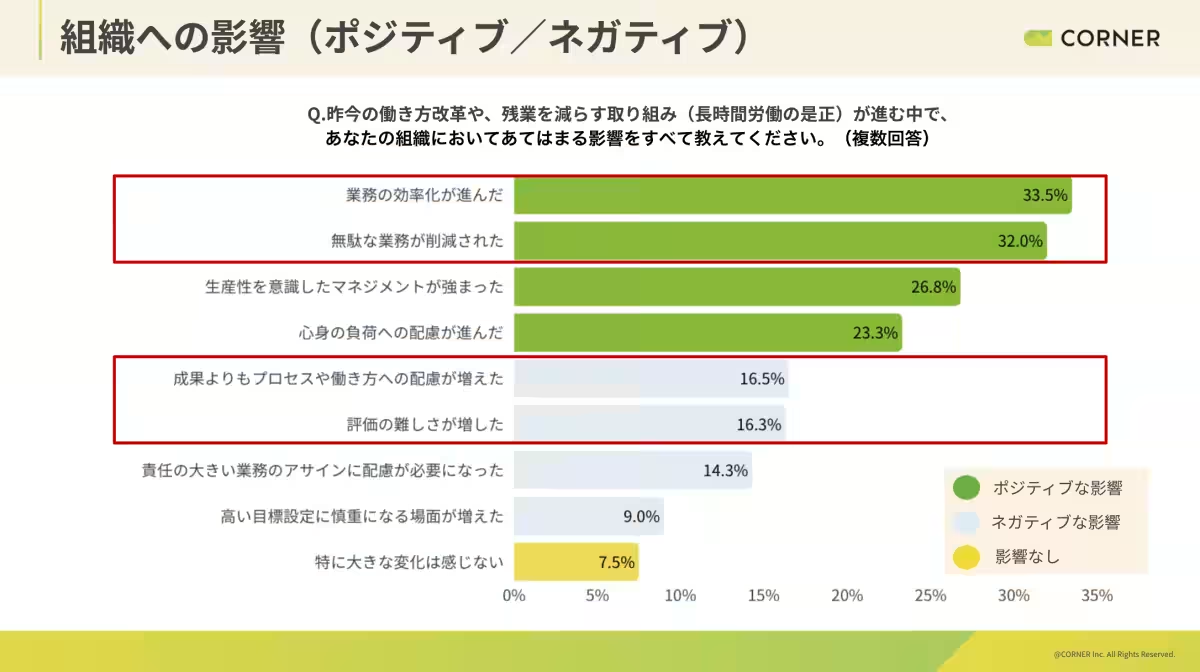
The work style reforms promoting better work-life balance and efficiency improvements have undoubtedly transformed the corporate landscape. However, insights from the study suggest a paradox: while these reforms aim to create healthier working conditions, they may inadvertently obscure the connection between effort and reward. Employees often grapple with uncertainties regarding how their current evaluations will affect their future growth and compensation, leading to a potential disconnect within workplace expectations.
Expert Commentary
According to Takahiro Monma, CHRO of Corner Inc., the most significant takeaway from the study is that employees do not categorically reject hard work. Rather, they are more inclined to accept it if they see a clear link between their efforts and measurable outcomes in growth and evaluation. This highlights the necessity for organizations to reconsider how they structure and communicate evaluation systems, ensuring that employees have a transparent understanding of how their workloads translate into career advancements.
Conclusion
In conclusion, while the stigma surrounding hard work persists, it is crucial for employers to recognize that the acceptance of such demands hinges on clear expectations and pathways to growth. Businesses should focus not solely on whether hard work is condoned, but rather on how specific efforts and actions are linked to employee development and recognition. As organizations continue to navigate the complexities of modern work environments, developing transparent structures around hard work will be vital to drive engagement and satisfaction.
Survey Summary
The Corner Inc. survey titled “Understanding Attitudes Towards Hard Work” included a diverse sample of Japanese professionals aged 20 to 60. Conducted from February 27 to March 2 in 2026, the research employed a web-based questionnaire to assess differing perspectives on hard work within contemporary work settings. The findings advocate for a nuanced approach in developing organizational policies that resonate with employee experiences and aspirations.
For more information, the full report is available for download, providing comprehensive insights into the study's findings and implications for HR practices.


Topics People & Culture)
【About Using Articles】
You can freely use the title and article content by linking to the page where the article is posted.
※ Images cannot be used.
【About Links】
Links are free to use.