



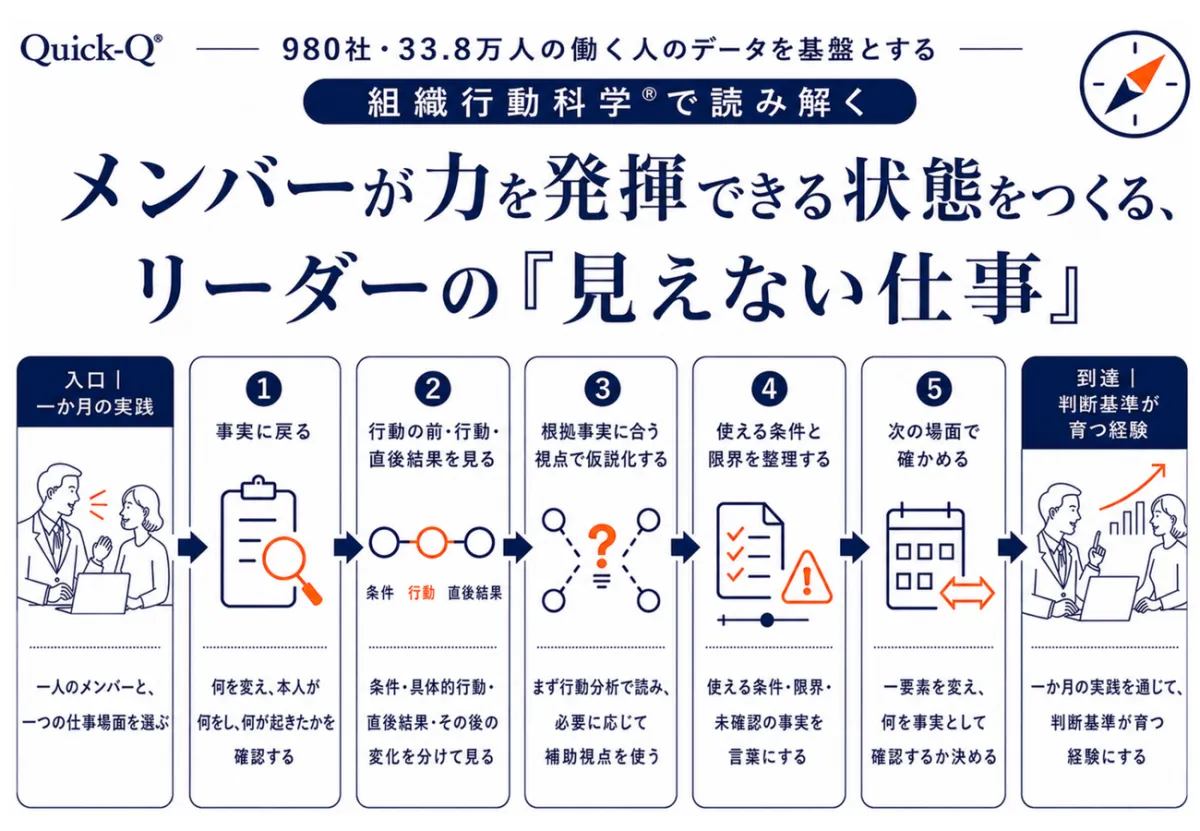
Visualizing Leaders' 'Invisible Work' to Empower Team Members through Organizational Behavior Science
A New Approach to Leadership: Understanding Invisible Work
In today's fast-paced work environment, leadership often entails a multitude of invisible tasks that lay the groundwork for team success. Request Inc., based in Shinjuku, Tokyo, has taken the initiative to provide a free resource titled 'Leaders' Invisible Work: Creating an Environment Where Team Members Can Thrive'. This comprehensive guide is aimed at leaders who want to better understand how their unseen efforts can empower team members and enhance productivity.
Understanding the Invisible Tasks of Leadership
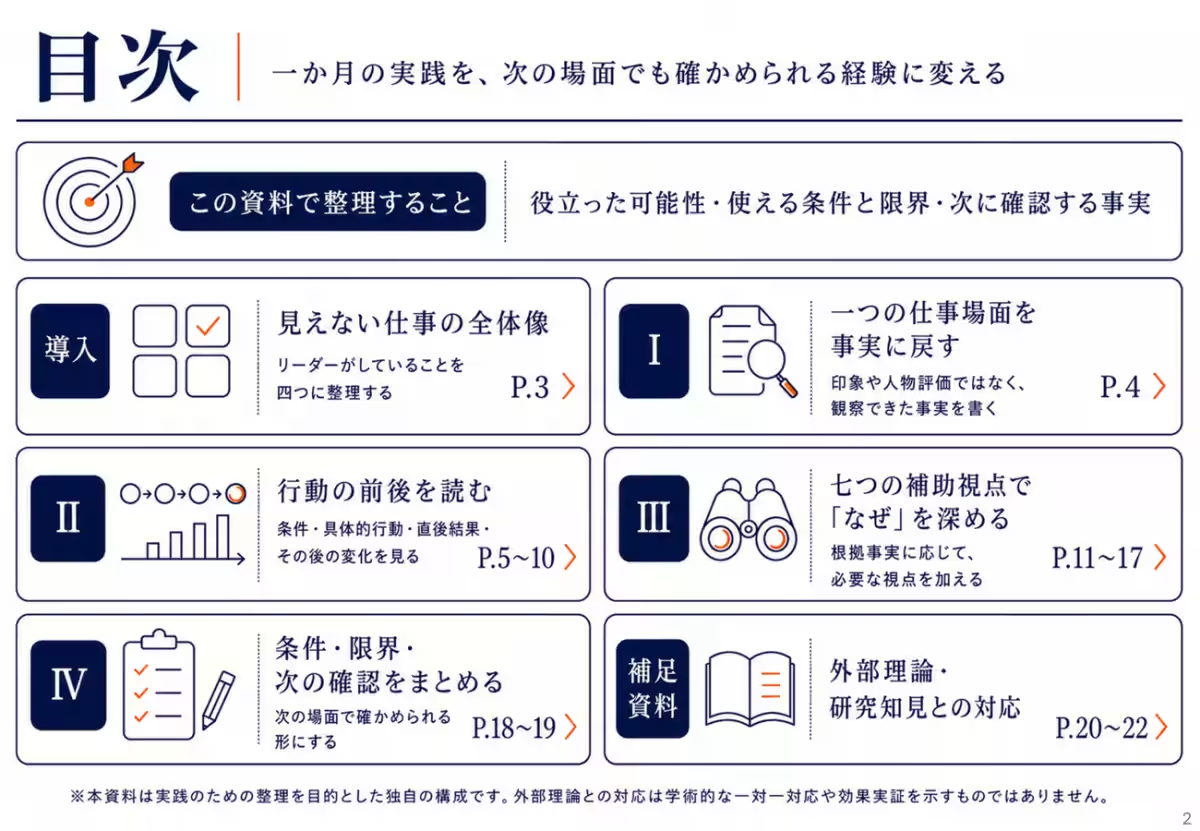
The guide, which consists of 23 pages, starts with an introduction to the key concepts and structure of the text, offering 11 major pages as a preview. The complete version is available for free to individuals who submit a request via email. This undertaking is a significant move towards fostering better leadership practices by shedding light on the previously overlooked aspects of a leader's role.
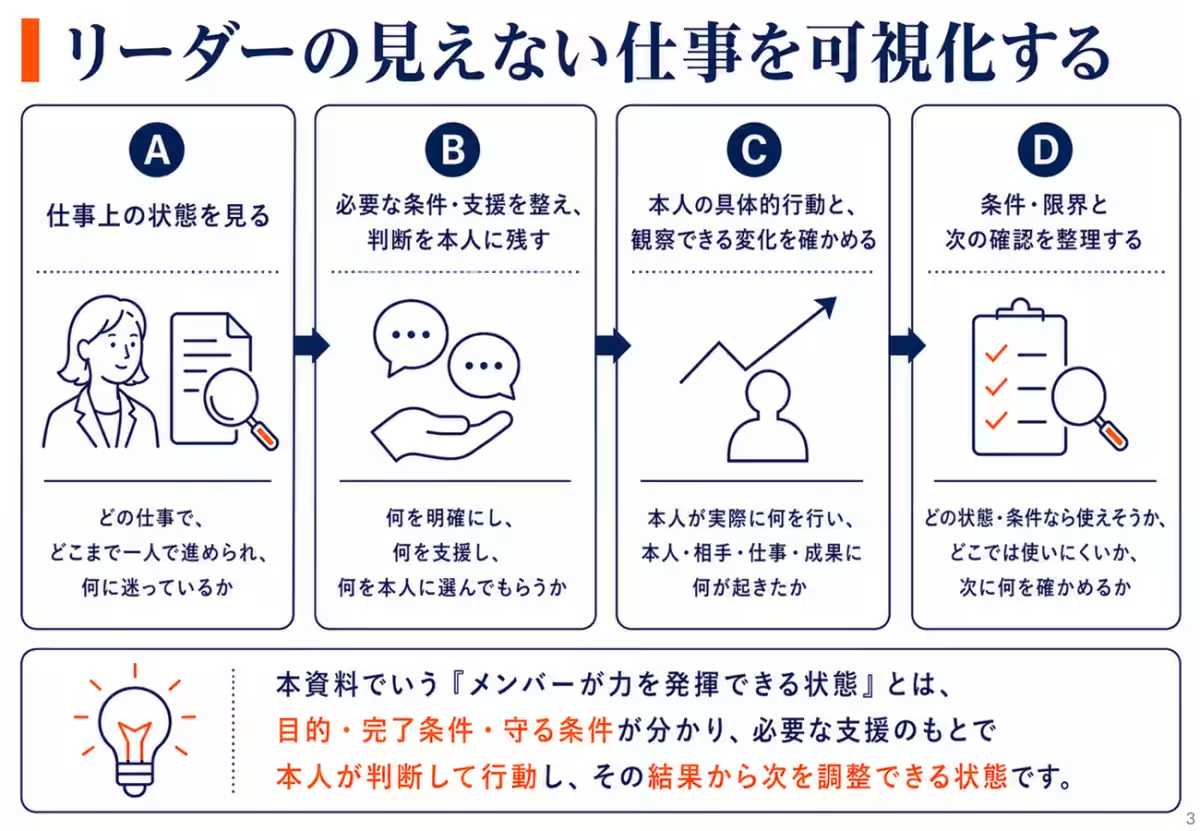
The core message of the text is that the tangible outcomes of leadership—be they team success or individual growth—are often underpinned by a myriad of subtle actions that do not always manifest in obvious ways. By emphasizing that effective leadership involves much more than simply gauging the success of outcomes, Request Inc. aims to equip managers and workplace leaders with practical tools to reflect on and improve their interactions with team members.
Shifting Focus from Individual Evaluation to Work Context
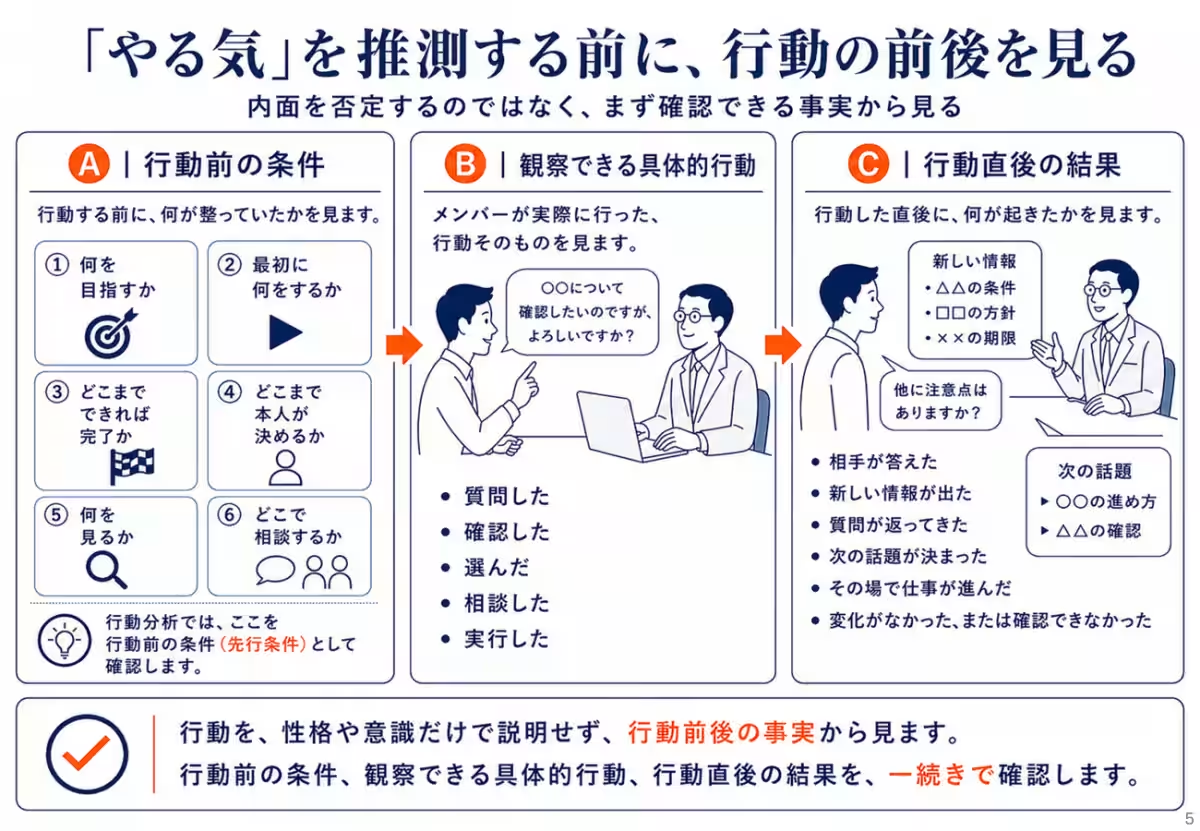
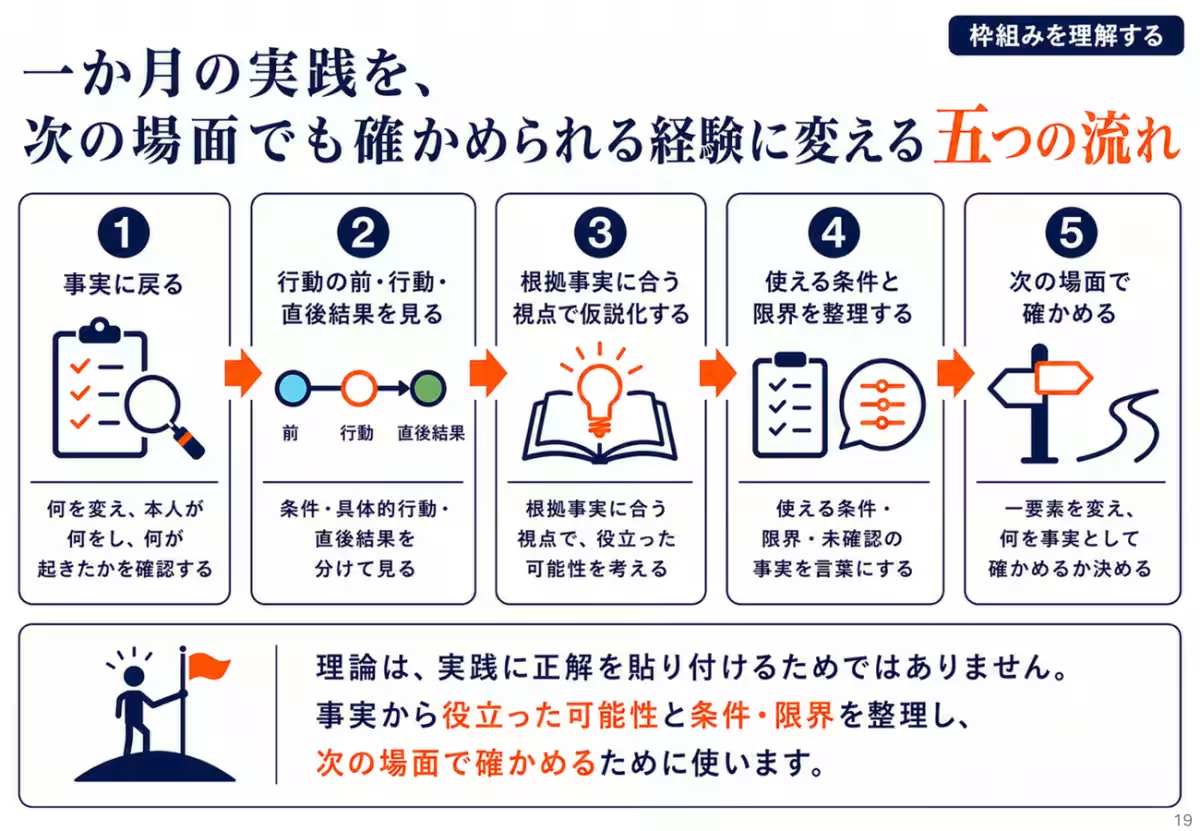
Many leaders may find themselves grappling with generic assessments of team members, noting traits such as 'lack of initiative' or 'shallow understanding'. However, these evaluations offer little insight into what actionable strategies can be undertaken to foster growth. The guide proposes a shift in focus from the individual to the specific work environment, encouraging leaders to dissect and analyze concrete actions and observable behaviors.
This reframing allows leaders to better understand the context and conditions under which their team members operate while differentiating between their contributions and the environment crafted by leadership. It encourages a more nuanced perspective on effective practices rather than relying solely on superficial evaluations and assumptions.
Employing Theories to Interpret, Not Just Explain
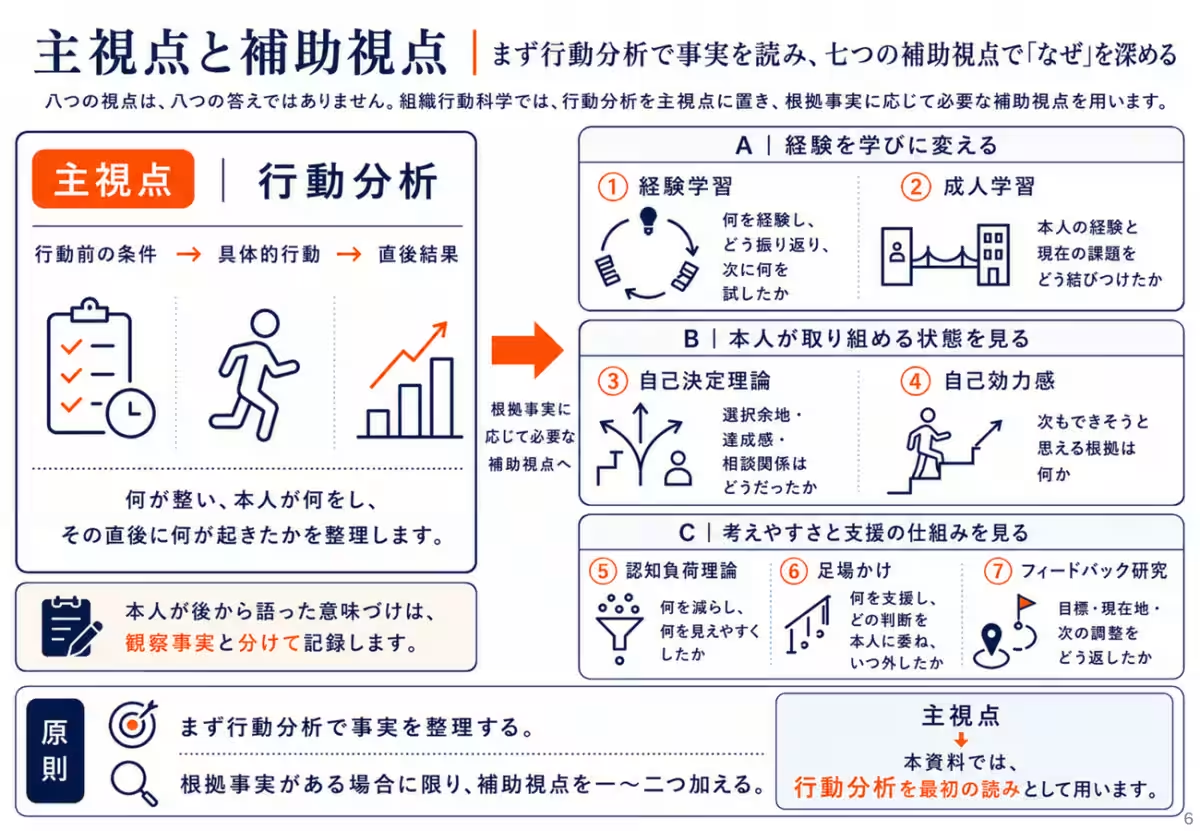
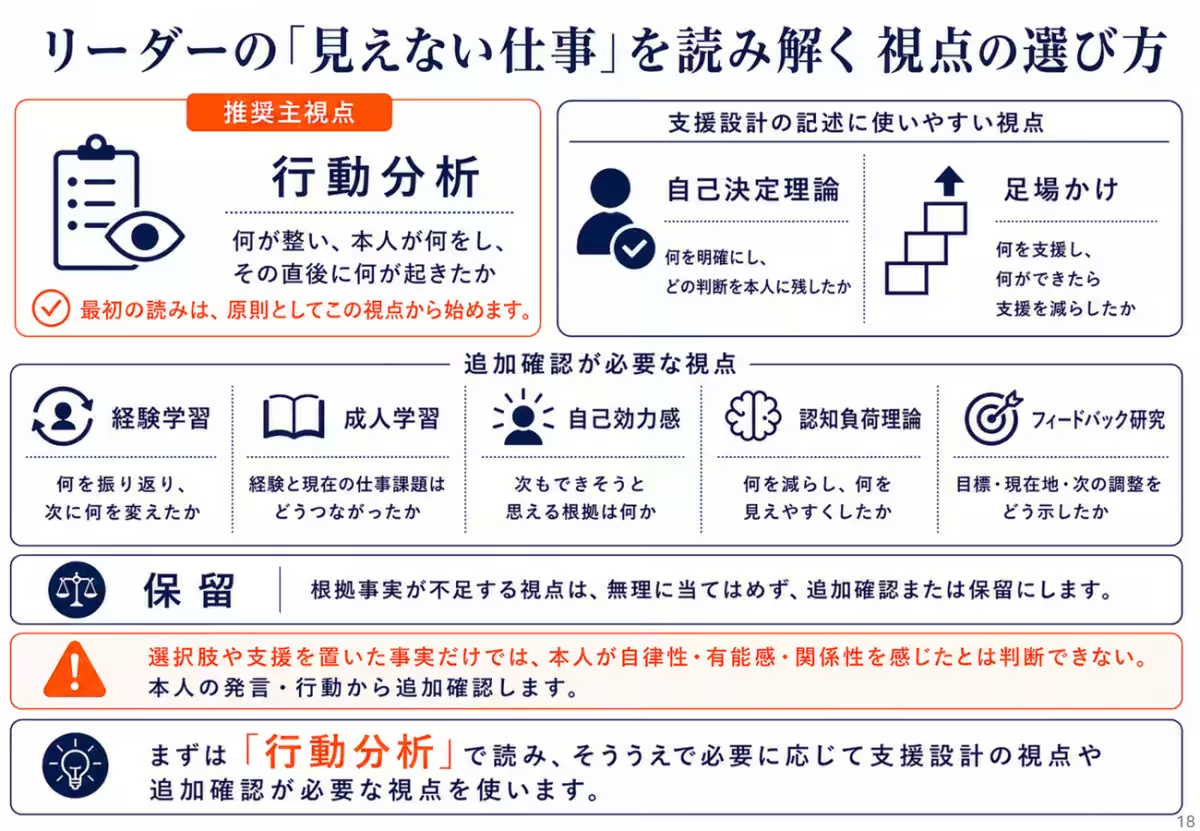
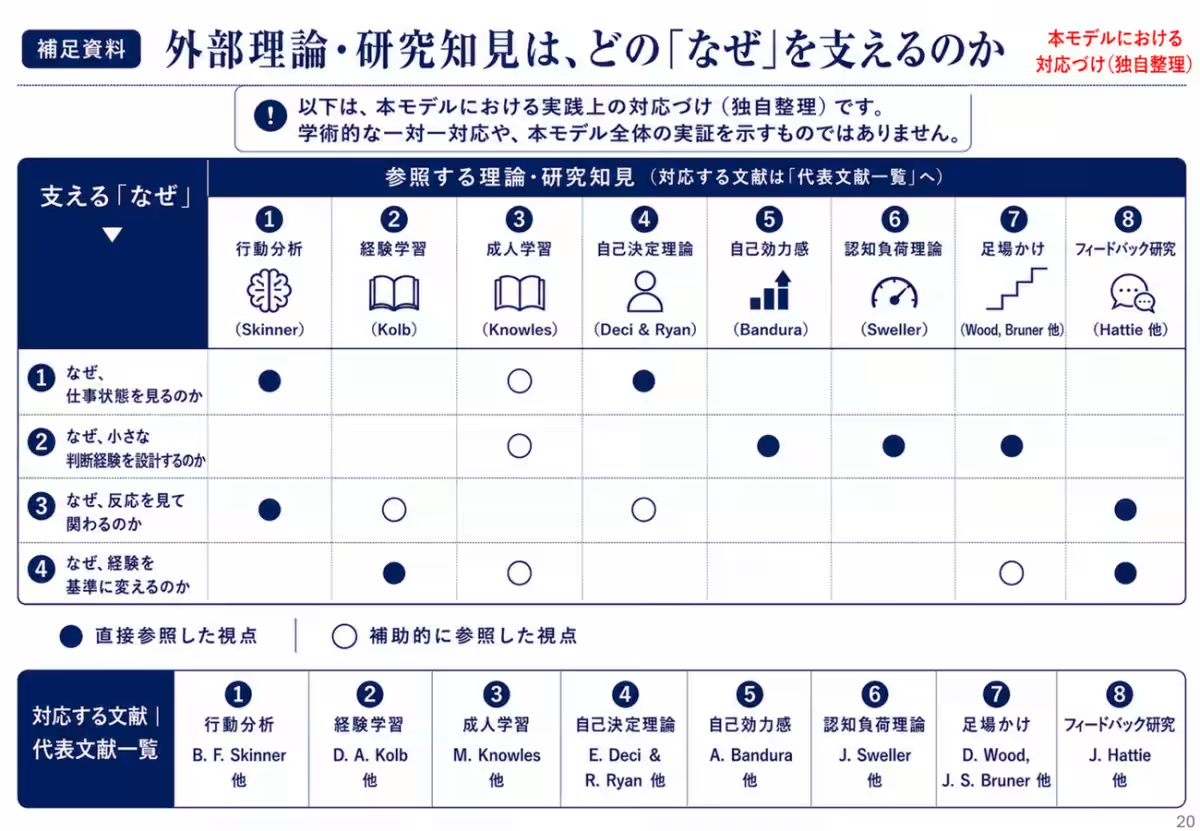
While the previous approach might be heavily reliant on theoretical frameworks to explain leadership dynamics, this new guide advocates for the use of theory as a lens for examining actual practices. By utilizing a behavioral analysis approach alongside experiential learning theories, adult learning principles, and feedback mechanisms, the text aims to create an actionable roadmap for leaders.
The goal is not to force the application of multiple theories onto practice, but rather to extract useful insights that can help clarify what strategies resonate with team dynamics. This approach underscores the importance of continuous inquiry and adaptation rather than settling on one-size-fits-all solutions derived from theoretical principles alone.
Making Abstract Concepts Actionable
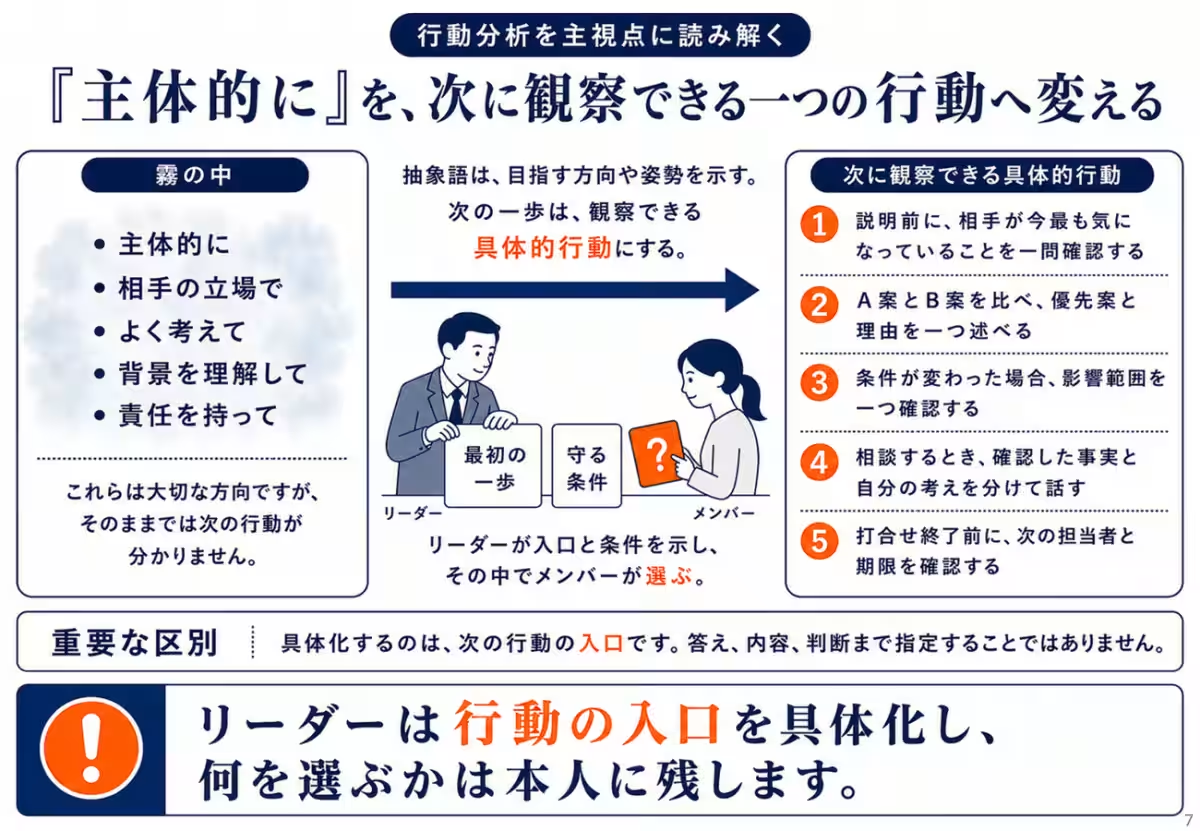
Incorporating elements such as 'being proactive', 'thinking critically', and 'considering the other’s perspective' into everyday leadership can often feel abstract and disjointed. The text underlines the need for leaders to provide clear frameworks for action while allowing team members the flexibility to make choices and exercise judgment within those parameters. This empowers individuals and encourages a culture of engagement and accountability.
It is essential for leaders to strike the right balance between providing guidance and enabling autonomy, ensuring team members grasp the significance of their roles while taking ownership of their growth.
Avoiding Overreliance on Immediate Responses for Evaluation
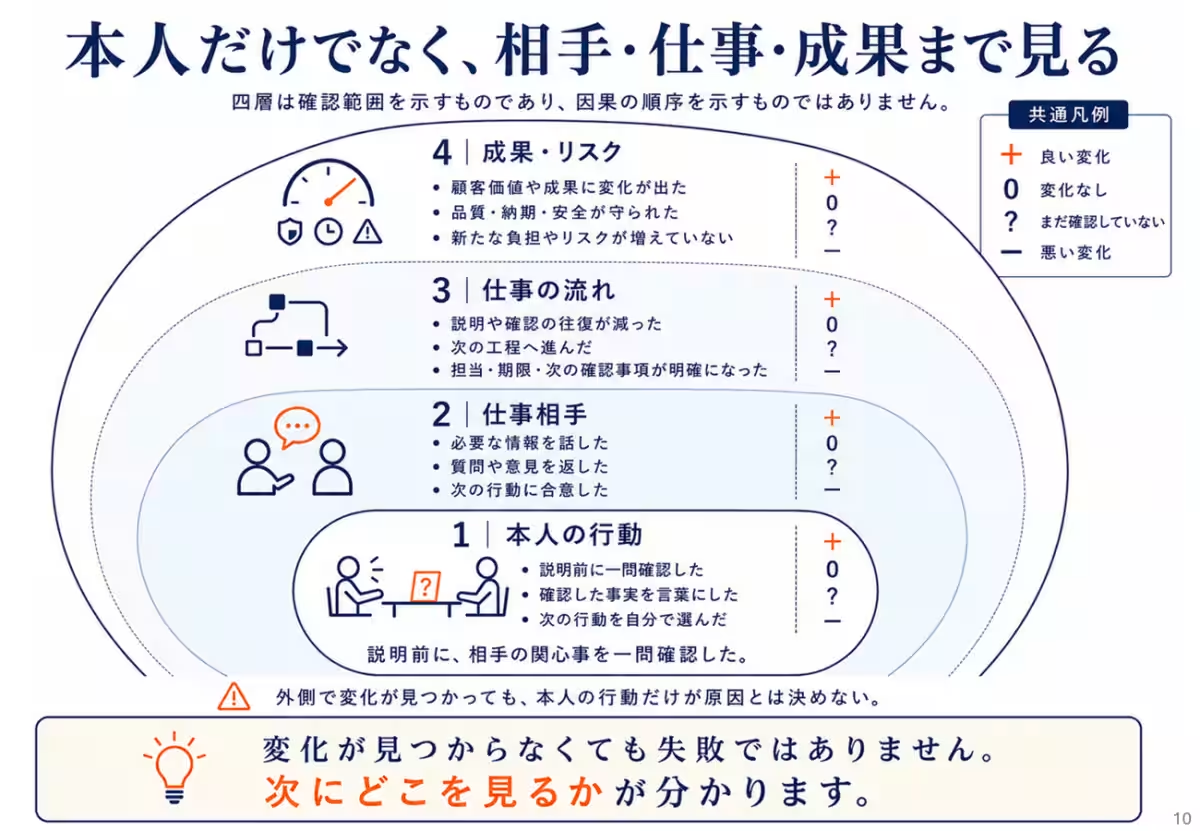
Leaders may note positive reactions such as smiles or expressions of gratitude immediately following their interactions with team members. However, these responses are not definitive indicators of successful engagement or improved performance. The text advocates for a more thorough assessment of long-term changes in behavior and team dynamics following leadership interactions.
Focusing on the Future
Finally, the text emphasizes a forward-looking perspective where leaders can utilize their experiences and outcomes to refine their strategies. The questions posed prompt leaders to consider the adaptability of their approaches across varying contexts and to stay curious about what remains unknown, ensuring that every interaction serves as a learning opportunity.
By clarifying the pathway for experiential learning and the conditions under which practices yield results, leaders are better equipped to foster environments that support continuous improvement.
Free Resources Available
Request Inc. aims to optimize leadership development with this guide, now freely available upon email request. The opening pages provide valuable insights, while the full version further encapsulates essential strategies for leader-team member relations. To request the complete document, interested parties can contact Request Inc. via email.
Conclusion
With this insightful resource, Request Inc. is raising the bar for leadership practices by emphasizing that success does not solely lie in outcomes but also in the nuanced and often invisible work that leaders undertake. Through this text, organizations can aim for a richer understanding of how to guide their teams effectively, based on solid foundations of clear communication, actionable assessments, and a commitment to continuous learning.


Topics People & Culture)
【About Using Articles】
You can freely use the title and article content by linking to the page where the article is posted.
※ Images cannot be used.
【About Links】
Links are free to use.