



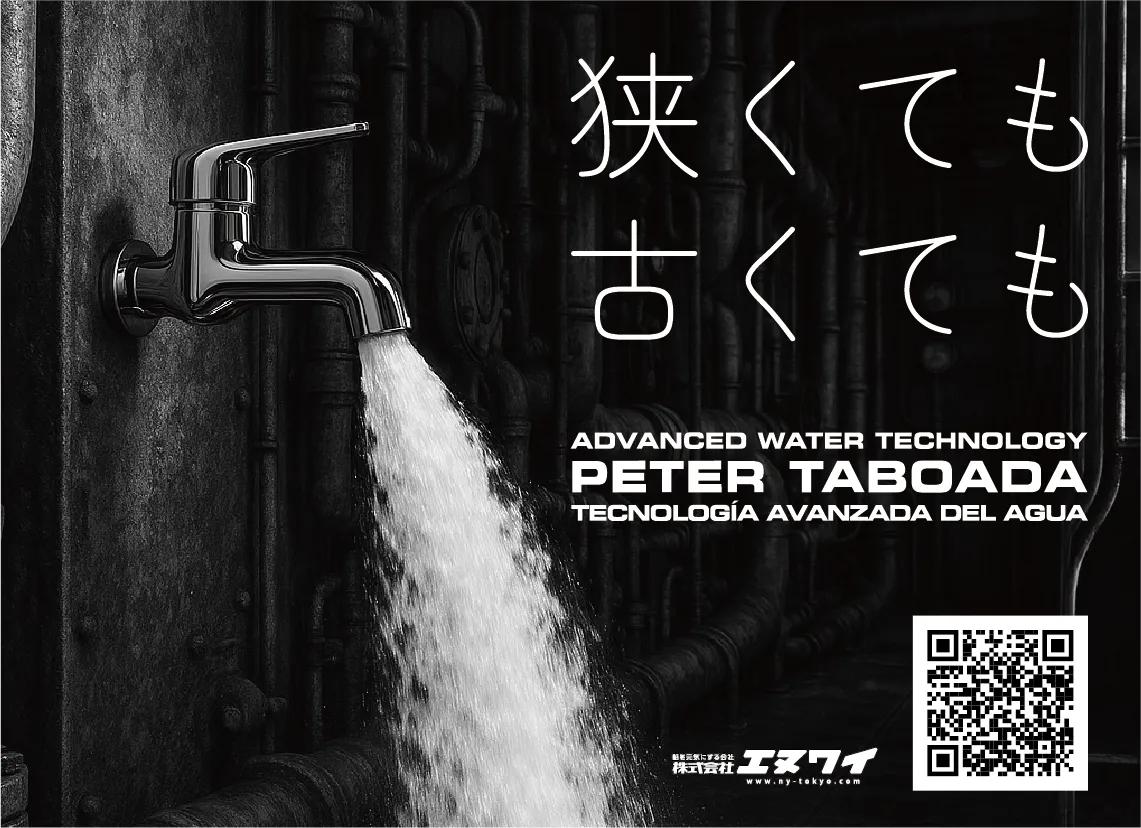
Peter Taboada's RO Desalination System Set for Sea Japan 2026 Showcase
Overcoming Challenges with RO Desalination at Sea Japan 2026
In recent years, the spotlight has turned to reverse osmosis (RO) desalination systems, particularly in maritime contexts where the supply of potable water is critical. For vessels, especially chemical tankers, ensuring a reliable source of fresh, salt-free water is vital for safe and stable operations. This need is further exacerbated during tank cleaning processes, which consume large quantities of fresh water. The ability to secure this water is closely linked to operational planning and cargo handling.
Traditionally, vacuum evaporation desalination systems have relied on the waste heat from a ship's main engine to evaporate seawater. The vapor is then condensed using cooling water to produce freshwater. Although this method can generate water of high purity suitable for boiler use, it requires a heat source, making desalination impossible when the main engine is offline—such as during anchoring.
With many shipping companies adopting reduced speed operations to lower fuel consumption, this presents additional hurdles. Consequently, the amount of exhaust heat available for desalination during main engine operation diminishes, potentially impacting the ability to produce the required amount of fresh water. This issue becomes especially critical for chemical tankers that frequently engage in cargo handling, where insufficient engine operation leads to inadequate exhaust heat for desalination, resulting in a reliance on port-supplied fresh water upon entry. The cost of fresh water varies significantly by port; for instance, in Long Beach, it can reach $80 to $100 per ton, while in Singapore it may be around $20. Such costs can become a substantial financial burden for operators.
In light of these challenges, the RO desalination system is gaining attention as a viable solution. Utilizing high-pressure pumps, this system processes seawater through membranes that physically remove salts and impurities to produce fresh water, without requiring a heat source. This means that as long as there is electrical power, desalination can occur even when the ship is at a standstill.
The Role of Peter Taboada
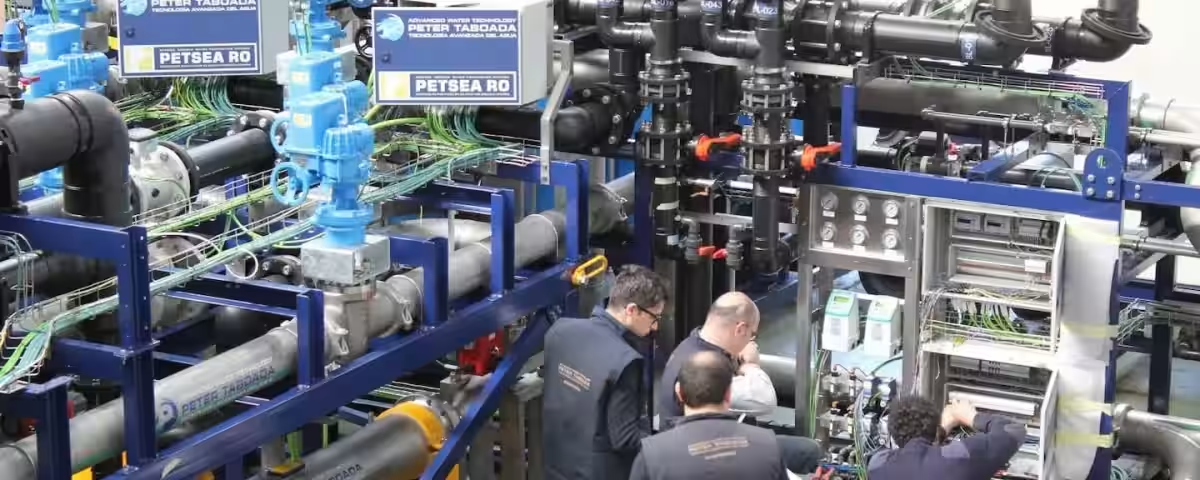
The RO desalination systems from Peter Taboada, distributed by NY Company, have established a strong track record, particularly among European cruise operators and naval services. Renowned for their performance and reliability, these systems are noted for their flexibility in design and an extensive range of production capacities, from 1.8 to 200 cubic meters per day. This variety allows users to choose the optimal model according to specific needs, with options for pre-treatment and post-treatment customization based on the nature of the seawater or freshwater being processed.
Implementation in Japan
In Japan, the adoption of Peter Taboada's RO desalination system is currently under consideration by various domestic shipping firms. Recently, a certain domestic shipping company has decided to equip its vessels with these systems. This retrofit approach aims to incorporate the system into existing chemical tankers for use during tank cleaning. Given the constraints of available installation space in retrofitting compared to new builds, the compact design and ease of installation of Peter Taboada’s equipment were critical factors in the decision-making process.
Highlighting RO Technology at Sea Japan 2026
Scheduled for April 20-22, 2026, at the Tokyo Big Sight, Sea Japan 2026 will showcase the innovative RO desalination solutions from NY Company’s Ship Aid division. Visitors can explore case studies and operational benefits of Peter Taboada’s systems at their booth, presenting a unique opportunity for stakeholders involved with vessels requiring substantial fresh water for tank cleaning. This exhibition will serve as a platform to consider the introduction of flexible and economical RO desalination systems into maritime operations.
Event Details
- - Exhibition Name: Sea Japan 2026
- - Dates: April 20-22, 2026
- - Venue: Tokyo Big Sight
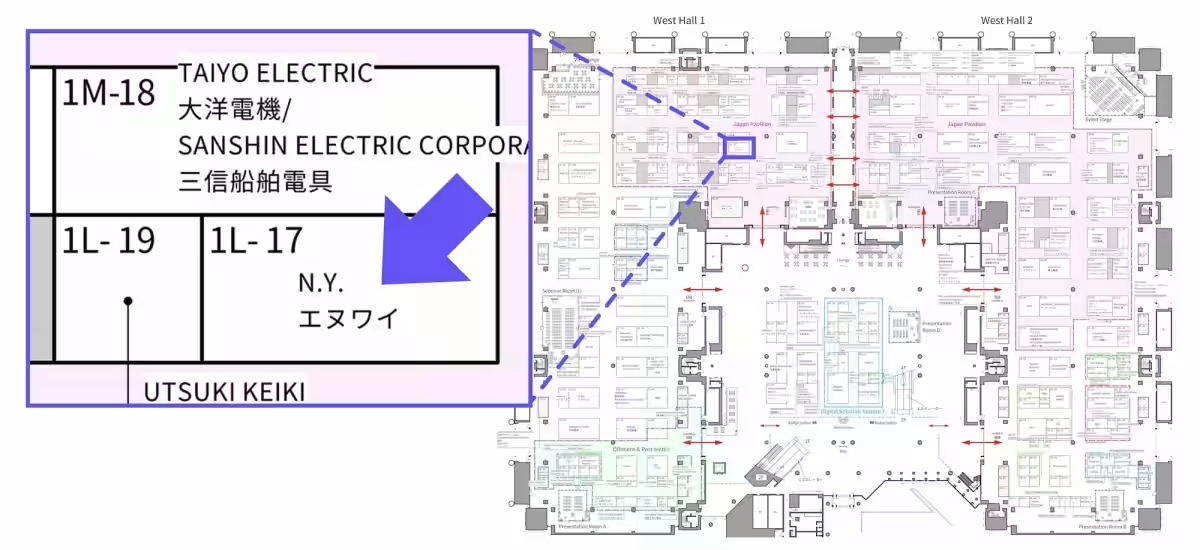
- - Booth Number: 1L-17
Join us at Sea Japan 2026 to witness how Peter Taboada’s RO desalination technology can transform maritime operations and address freshwater supply challenges effectively.
Topics Consumer Products & Retail)
【About Using Articles】
You can freely use the title and article content by linking to the page where the article is posted.
※ Images cannot be used.
【About Links】
Links are free to use.