



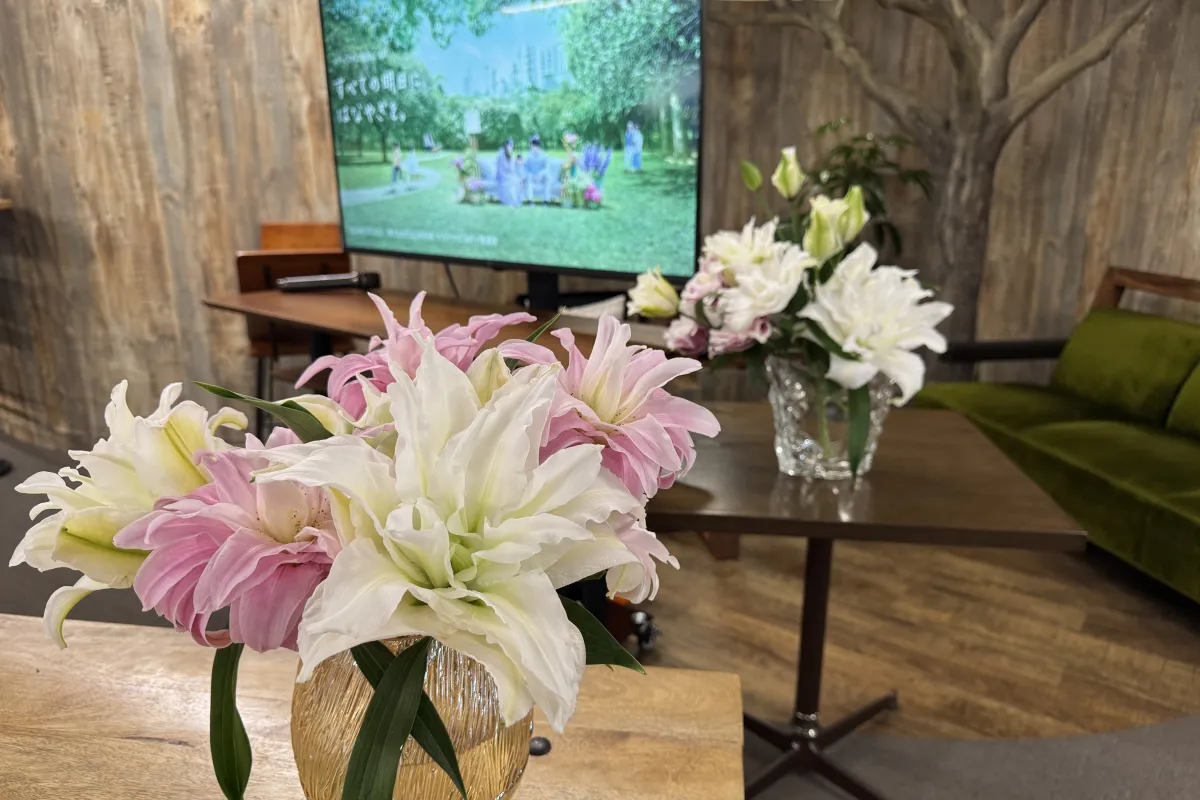
Hibiya Kadan Leads Sustainability Efforts in the Flower Industry with Eco-First Certification
Hibiya Kadan Leads Sustainability Efforts in the Flower Industry with Eco-First Certification
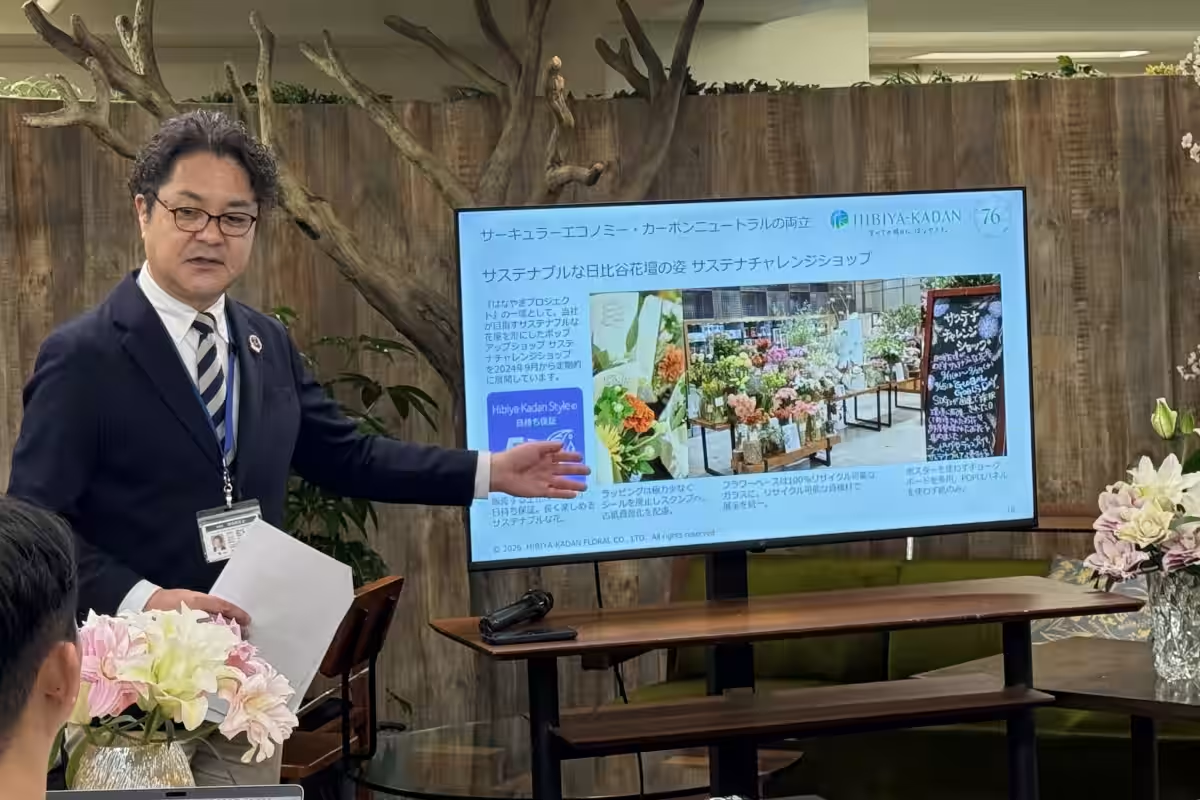
In alignment with the June environmental awareness month, Hibiya Kadan, a certified Eco-First company, hosted an informative seminar aimed at promoting sustainability within the floral industry. The event, held on June 5, 2023, was timed with World Environment Day, creating a platform for media representatives to engage with pressing environmental issues.
Hibiya Kadan, under the leadership of CEO Hiroaki Miyajima, has firmly recognized the importance of viewing environmental challenges not as mere Corporate Social Responsibility (CSR) tasks but as integral to their business sustainability. The company is committed to tackling these challenges head-on, with initiatives focused on achieving carbon neutrality, promoting a circular economy, and enhancing biodiversity.
Background of the Seminar
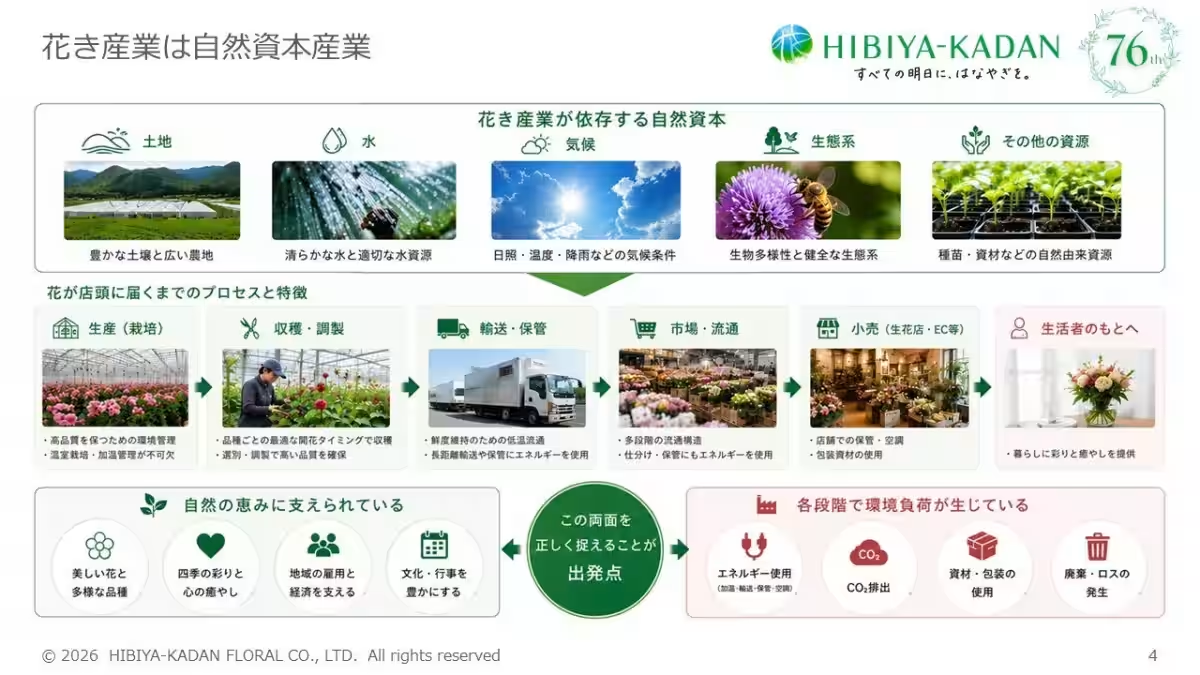
The floral industry is deeply reliant on natural resources such as land, water, climate, and ecosystems. However, it also faces numerous environmental burdens due to energy consumption, greenhouse gas emissions, and the disposal of petroleum-based packaging materials. Despite the industry's consistent awareness of these issues, the impact remains largely hidden from public view.
To address this, Hibiya Kadan is actively working on visualizing and reducing its Scope 1, 2, and 3 emissions throughout its entire supply chain. They are integrating renewable materials into their packaging and simplifying waste management processes. Collaborating with organizations such as the Japan Flower Region Council and signing comprehensive agreements with MPS Japan, the company is focused on environmentally friendly practices in production and distribution.
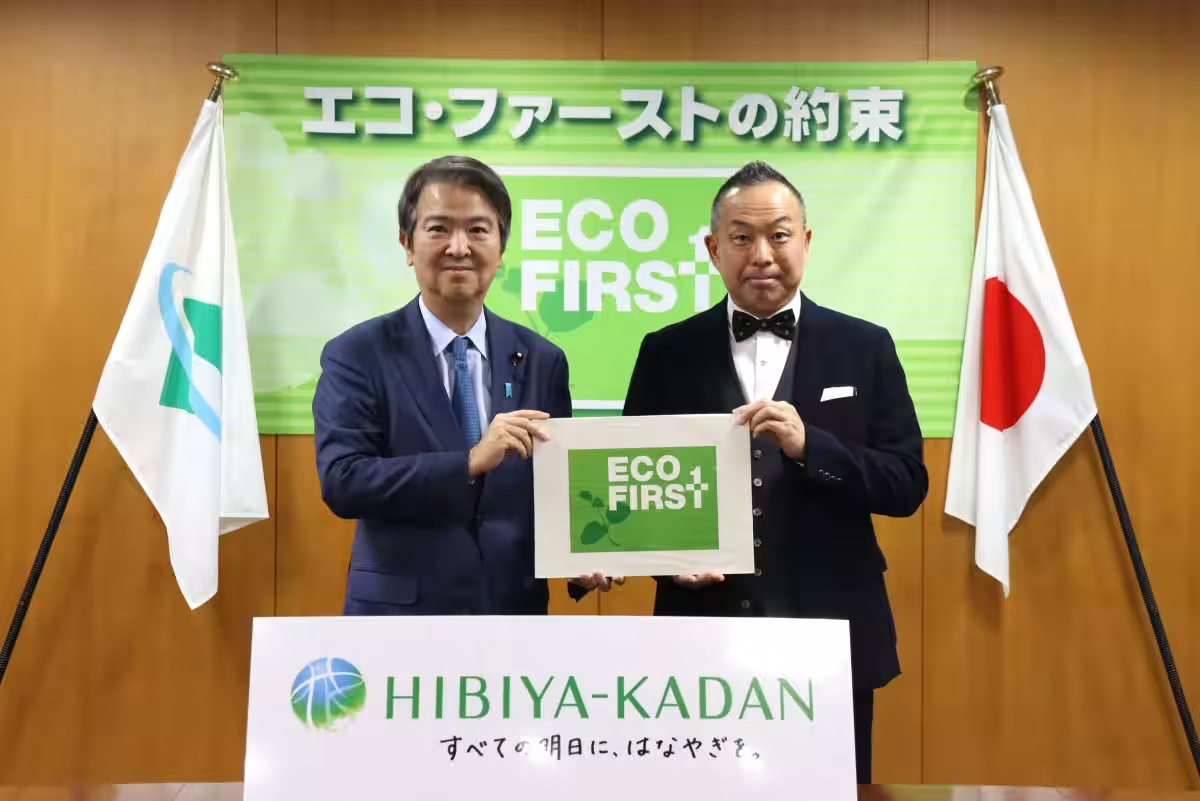
In January 2026, Hibiya Kadan was lauded as the first company in the floral industry to be recognized as an Eco-First company by the Ministry of the Environment. This designation was accompanied by a commitment to achieving net-zero emissions by 2050 and a domestic flower market share of 80%. The seminar served as a significant opportunity to inform the media of Hibiya Kadan's ongoing initiatives and the prevailing environmental issues in the flower sector.
Seminar Highlights
Part 1: Understanding the Supply Chain and Environmental Challenges
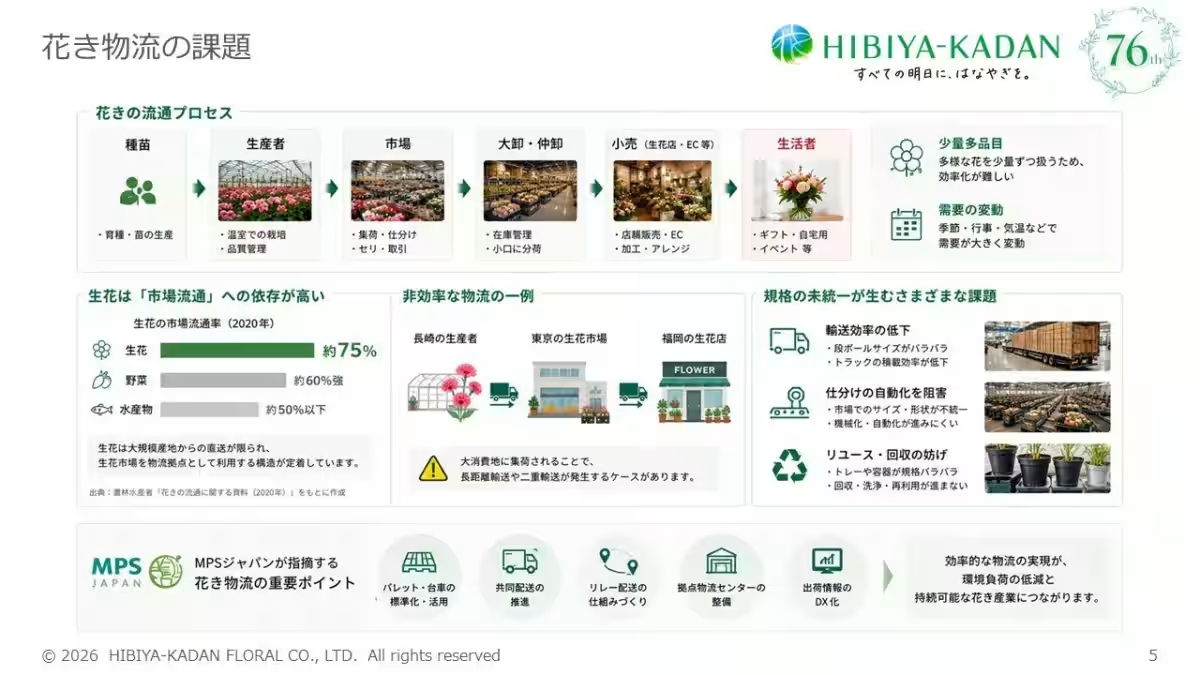
The first part of the seminar detailed the journey of flowers from producers to their final retail destinations. It underscored the environmental burdens encountered at each stage, from energy emissions to the use of plastics and floral waste. Key topics were discussed:
- - Decarbonizing Greenhouse Cultivation: The reliance on fossil fuels in greenhouse cultivation poses challenges for the industry’s decarbonization efforts.
- - Multifaceted Approaches to Reduce Environmental Impact: Beyond material substitution, a holistic reevaluation of design, logistics, and sales methods is required.
- - Climate Change Impacts: Issues such as shifting flowering seasons and weather-related disasters create widespread challenges within the supply chain.
- - Data-Driven Approaches to Floral Waste: The seminar highlighted the importance of accurate data to address claims surrounding floral waste and losses.
Part 2: Initiatives and Future Outlook—Carbon Neutrality, Circular Economy, and Nature Positive
The second segment showcased Hibiya Kadan’s dedication to sustainability through three core axes highlighted by the Ministry of Environment:
1. Carbon Neutrality: Aiming for a 50% reduction in CO2 emissions by 2035, Hibiya Kadan is setting production standards that are environmentally considerate.
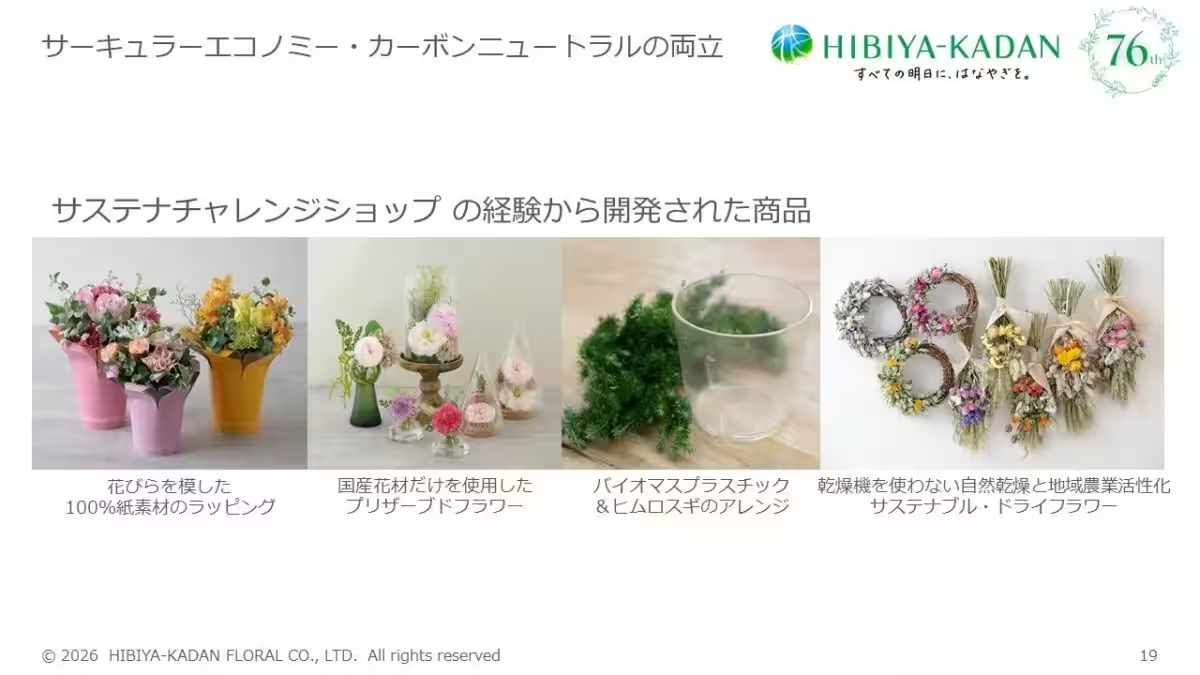
2. Circular Economy: The development of innovative products such as the 'SusBase,' which does not rely on absorbent sponges, promotes sustainable practices without compromising the aesthetics of flowers.
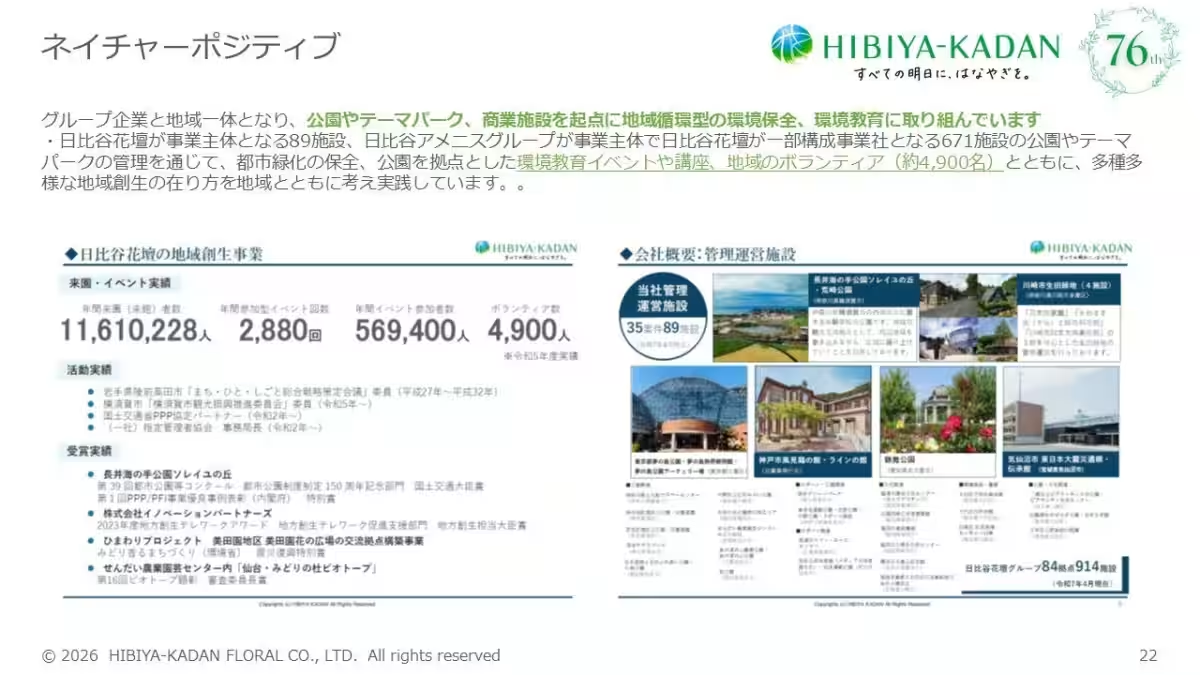
3. Nature Positive Initiatives: Collaborating with over 750 parks and facilities nationwide, Hibiya Kadan aims to foster biodiversity and promote environmental education.
Part 3: Promoting Sustainability Across the Industry Through External Collaborations
The final part of the seminar examined Hibiya Kadan's partnerships with external organizations aimed at fostering widespread sustainability within the industry. Key highlights included:
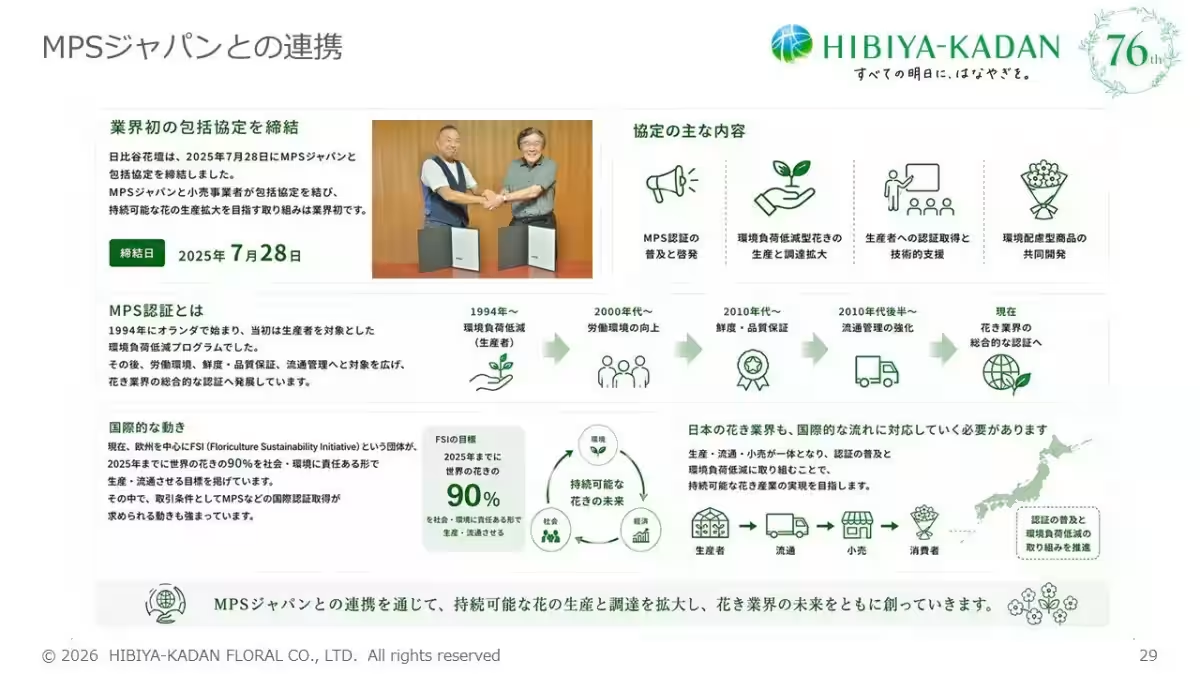
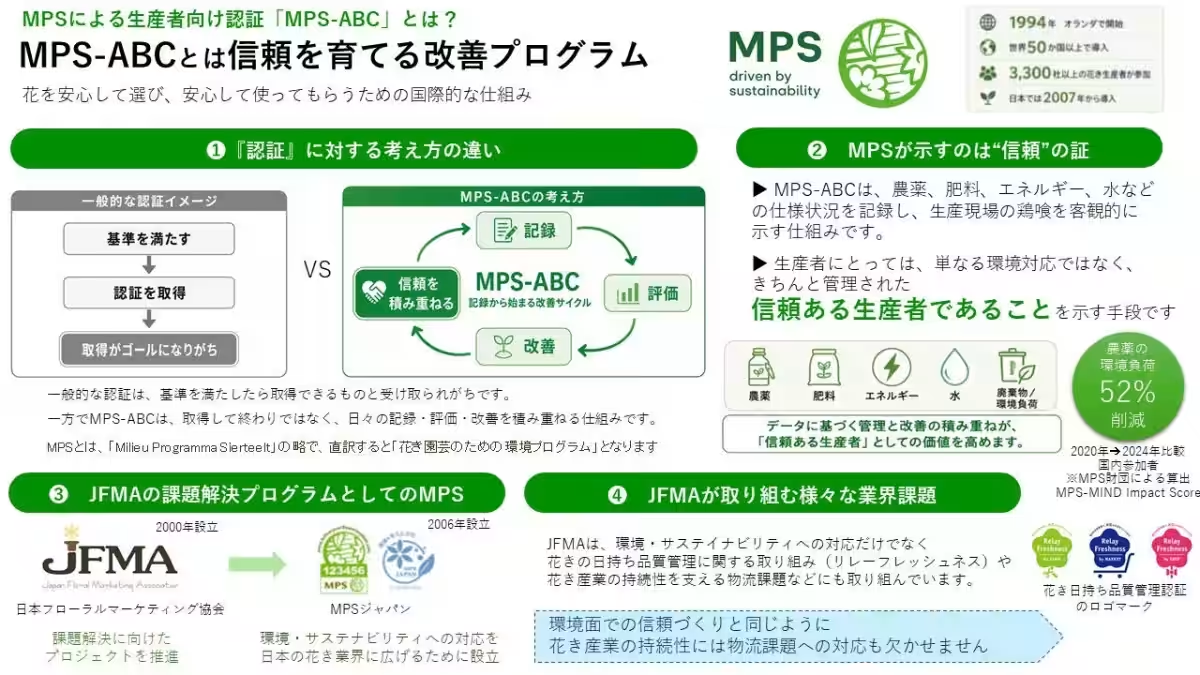
- - Partnership with MPS Japan: As the first retail entity in the industry to enter a comprehensive agreement with MPS Japan, Hibiya Kadan is enhancing credential recognition and expanding the procurement of environmentally friendly products.
- - Trust-Building Programs: Continuous evaluation and improvements of sustainable practices enhance the credibility of operations in the floral industry.
- - Leading Industry-Wide Initiatives: Under the leadership of President Hiroaki Miyajima, Hibiya Kadan is spearheading efforts for a unified environmental approach across production, distribution, and retail sectors.
Speaker Profiles
- - Yoko Matsumoto: Director of the Sustainability Promotion Office at Hibiya Kadan, deeply involved in crafting strategies for corporate sustainability and educating the industry on environmental issues.
- - Shigeru Honda: Division Manager at MPS Japan, advocating for sustainability within the flower sector through environmental certifications and collaborative projects.
Founded in 1872, Hibiya Kadan is committed to not only selling flowers but also enhancing the quality of life through sustainability and educational initiatives. Explore their contributions and future endeavors to enrich our environment through flowers.




Topics Consumer Products & Retail)
【About Using Articles】
You can freely use the title and article content by linking to the page where the article is posted.
※ Images cannot be used.
【About Links】
Links are free to use.