



Understanding Summer Dining Habits Amid Extreme Heat in Japan
The Impact of Summer Heat on Dining Habits in Japan
During the scorching heat of summer, traditional eating habits are shifting across the country. A recent survey conducted by the National Agricultural Cooperative Federation of Japan highlights the emerging dining trends as more people adapt to rising temperatures.
Survey Overview
The survey, known as The Reality of Summer Dining Amid Extreme Heat, involved 1,111 respondents aged 20 to 60 who regularly cook or prepare meals at home. The main purpose was to explore how extreme heat affects food preparation and selection during the summer months.
Key Findings
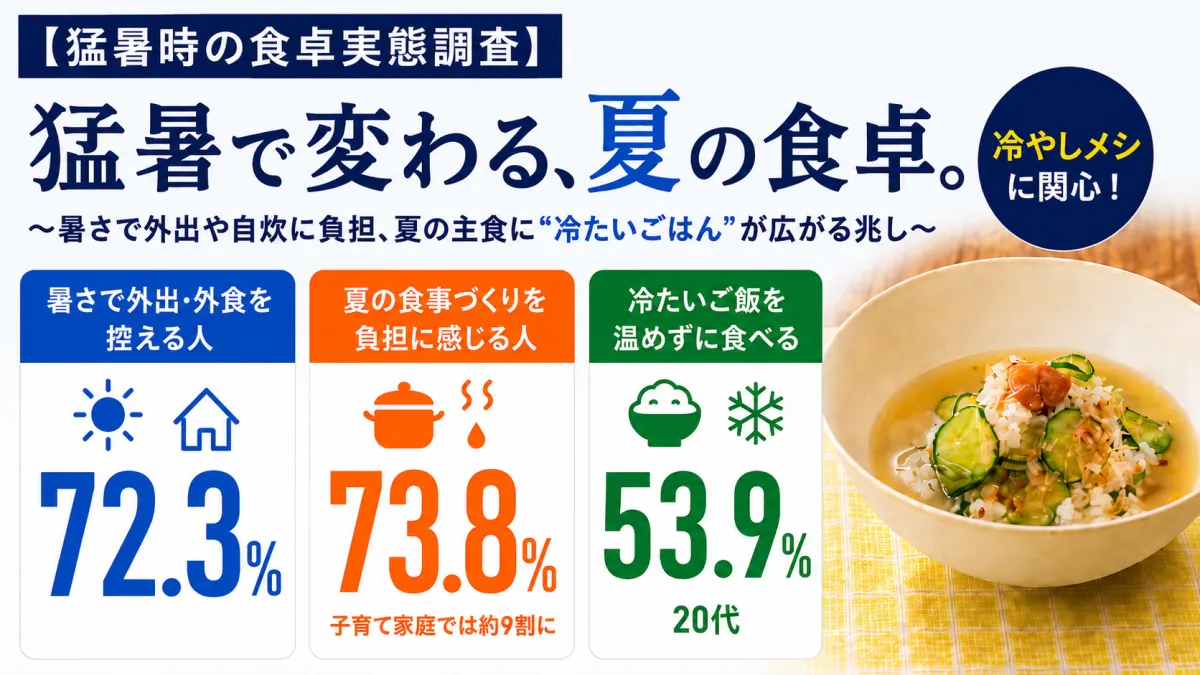
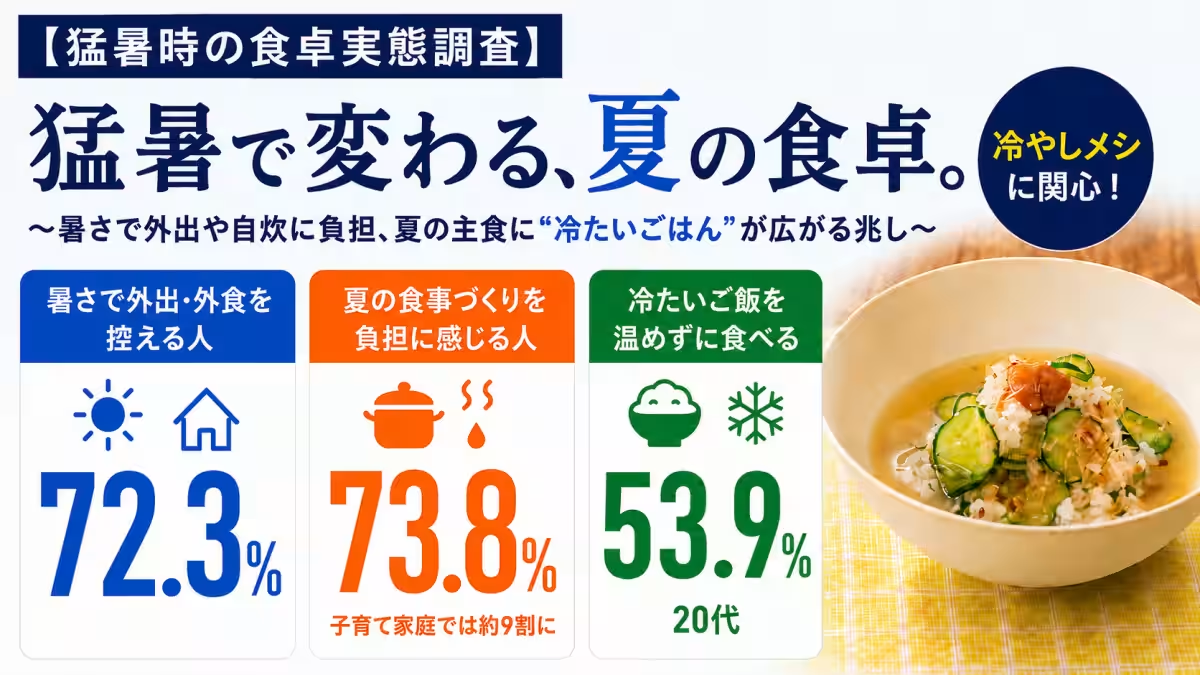
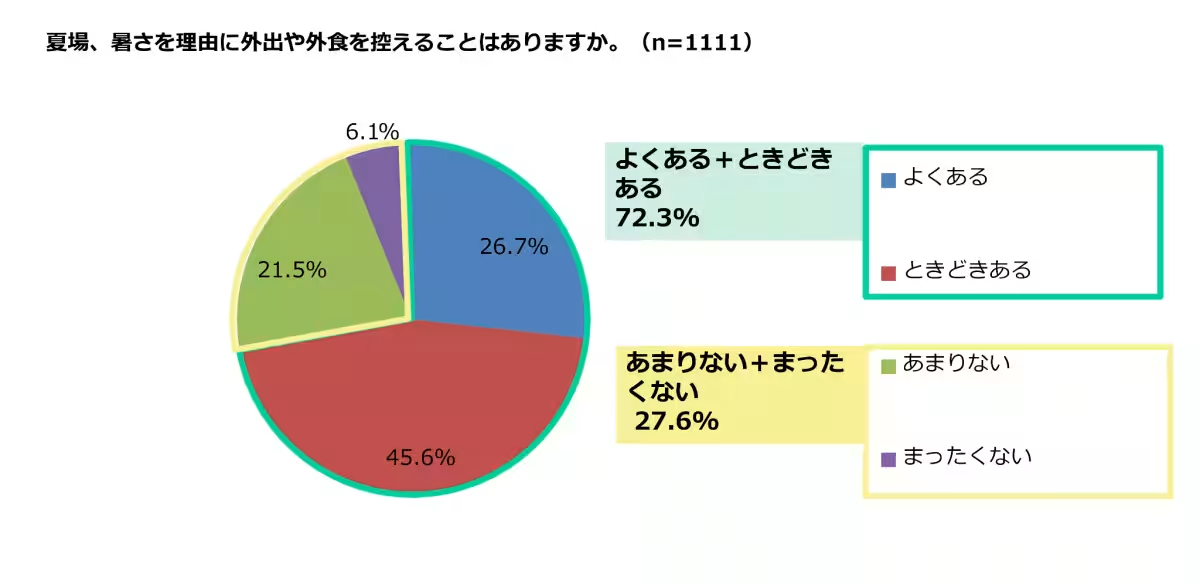
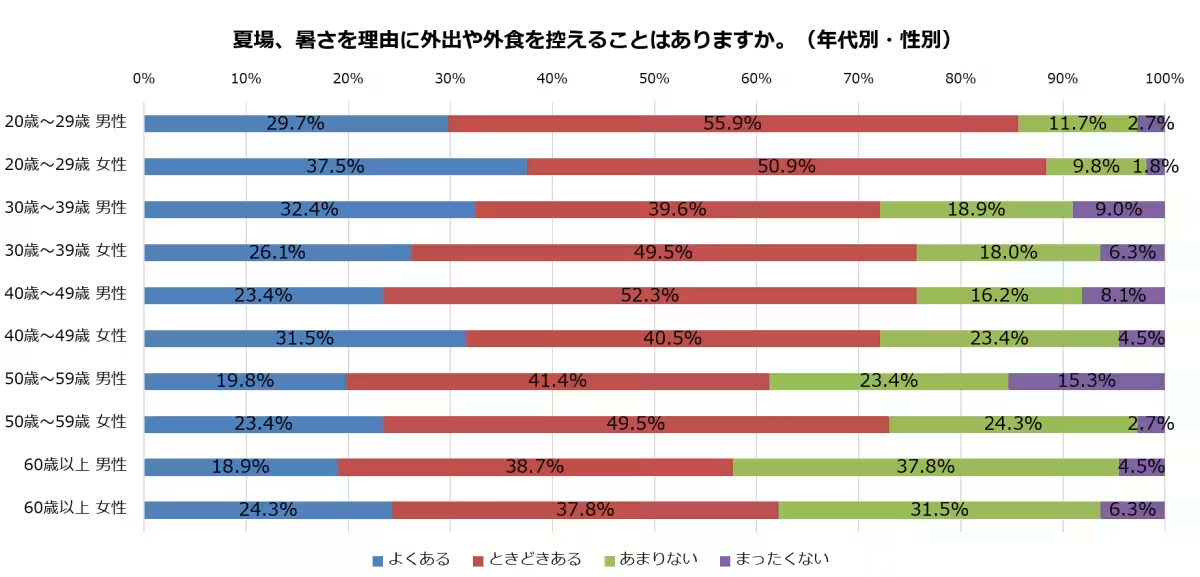
1. Avoiding Outdoor Dining: A significant 72.3% of participants admitted to reducing their outdoor and dining activities due to excessive heat. Breaking it down by age and gender, over 80% of young adults reported similar experiences, with higher percentages among 20-something males (85.6%) and females (88.4%). Shows that younger generations are particularly cautious about venturing out when temperatures soar.
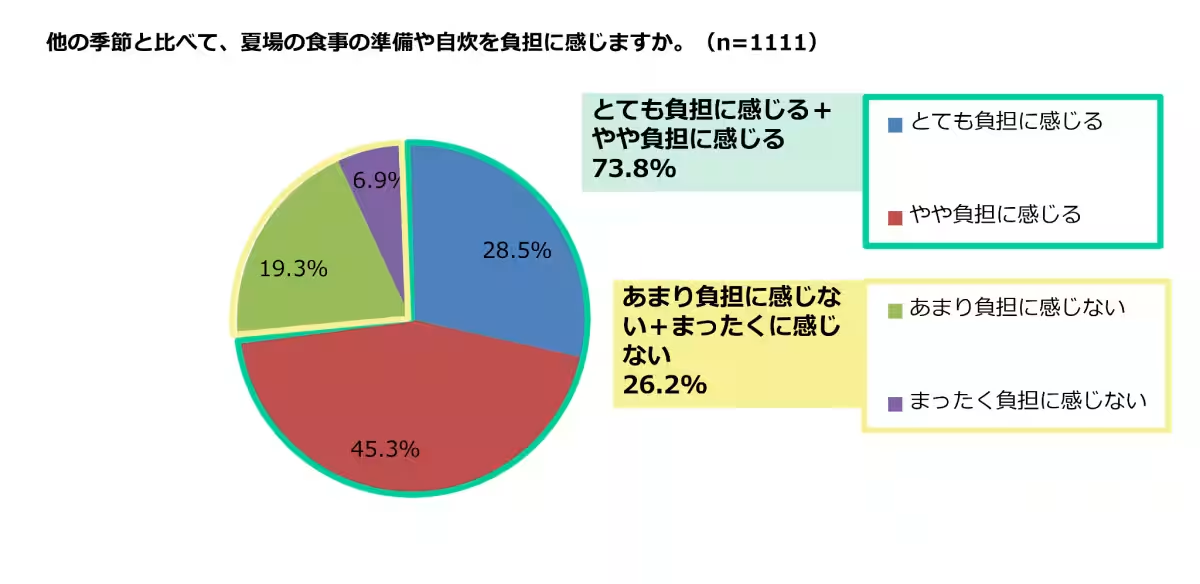
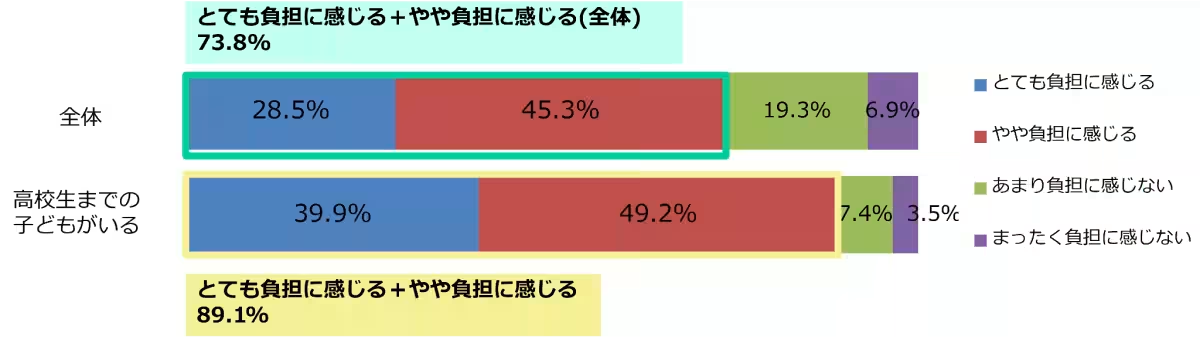
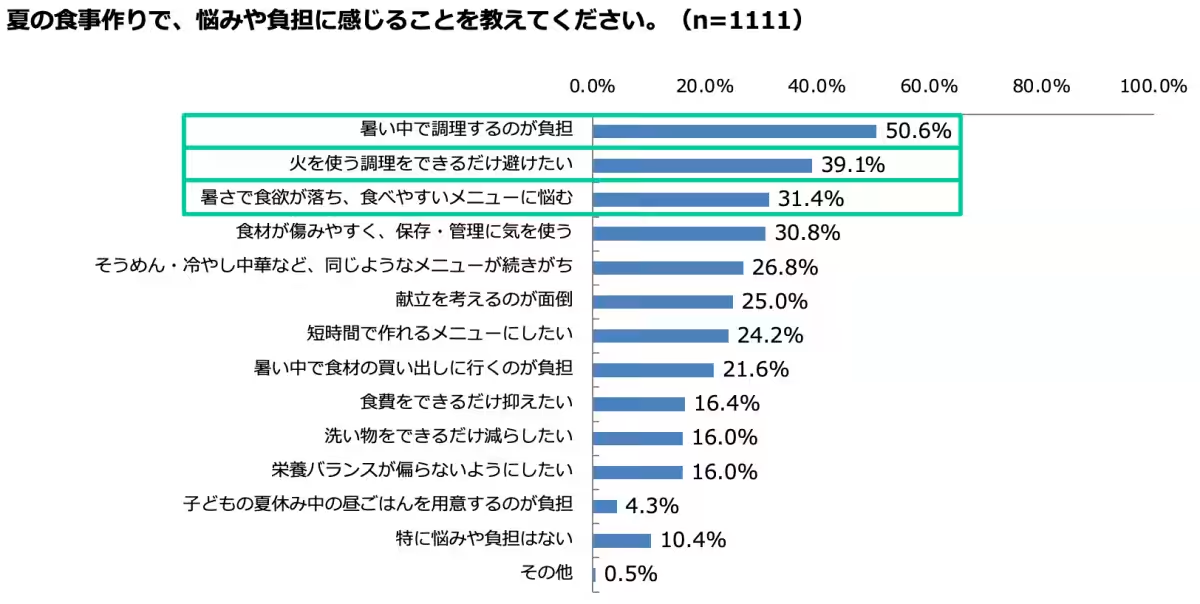
2. Cooking Burden: Almost 74% of respondents expressed that they find preparing meals during the summer to be a burden. This sentiment is even more pronounced among families with children, where around 89.1% reported feeling this way. The most mentioned challenges included the heat from cooking, which 50.6% found as a significant deterrent, followed by a desire to avoid hot cooking methods.
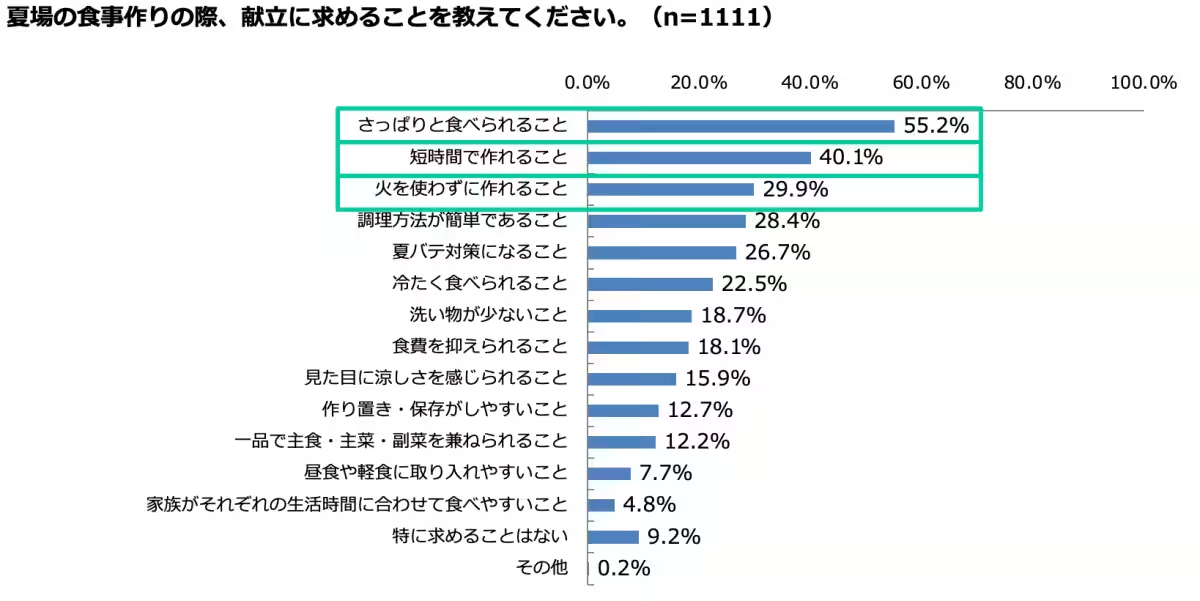
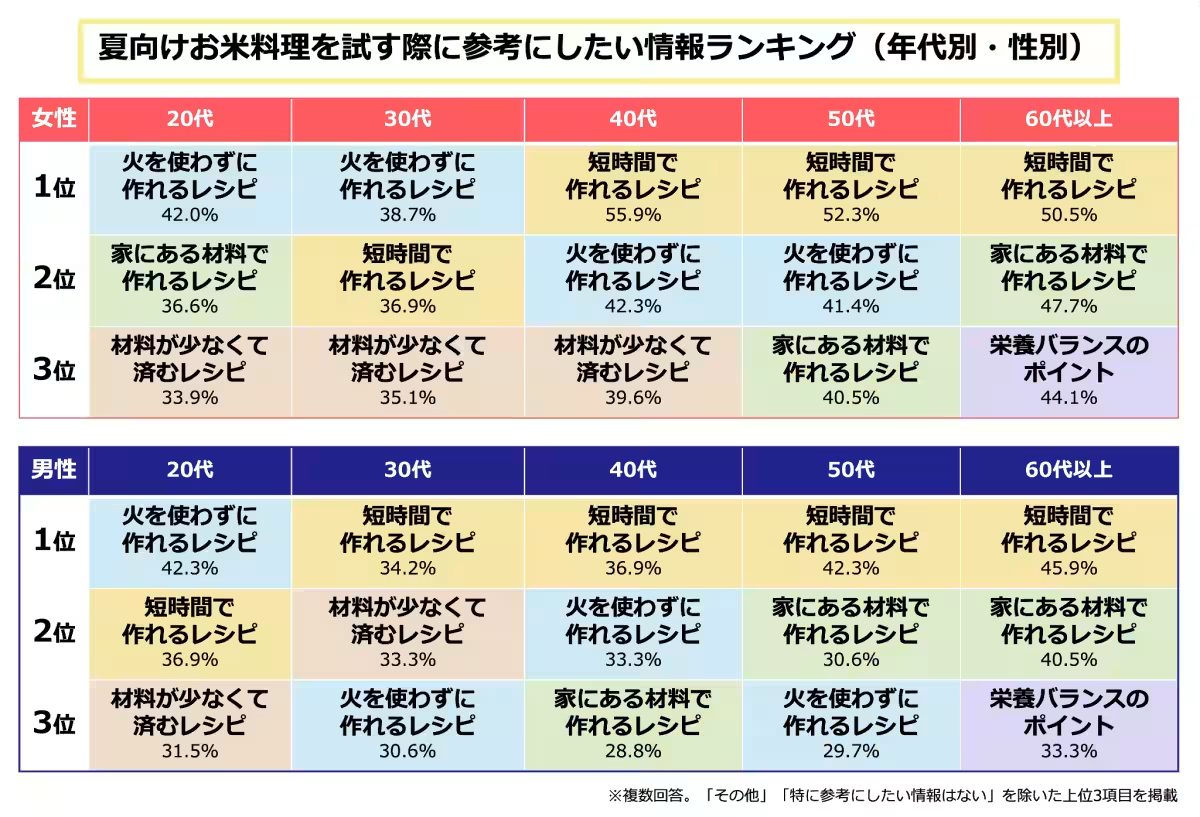
3. Preferred Meal Characteristics: Light, quick, and no-cook meals have become a priority, indicating a demand for simpler and more refreshing dishes. 55.2% of respondents preferred meals that were easy to digest, while 40.1% valued preparation speed, and 29.9% favored dishes not requiring heat.
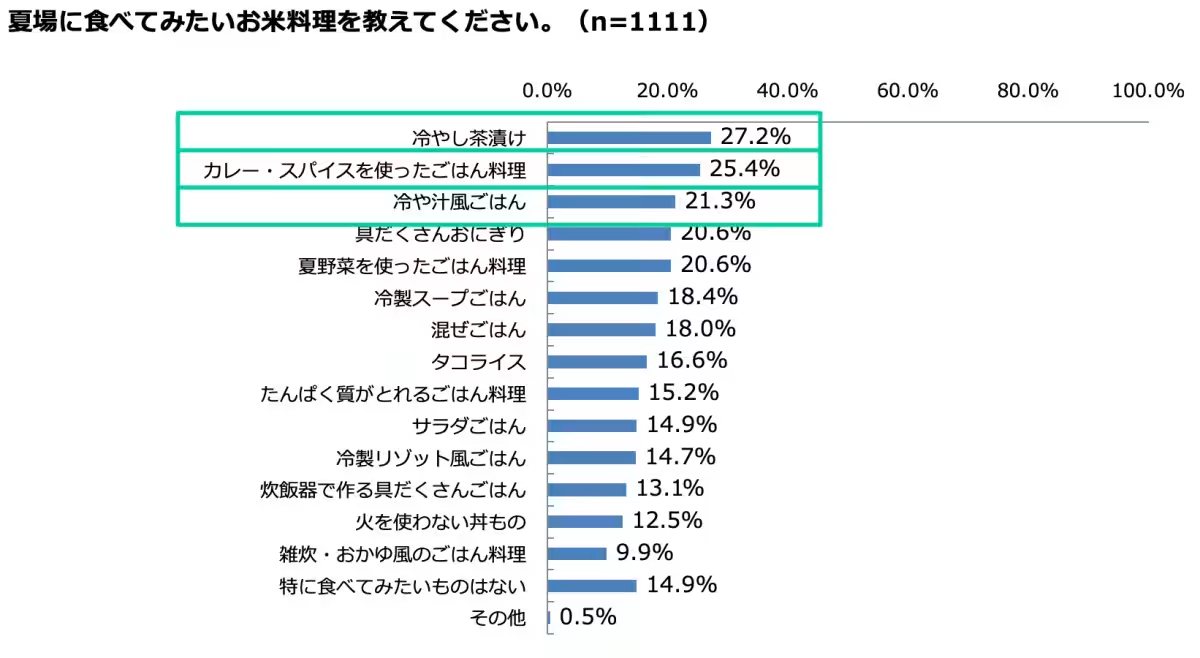
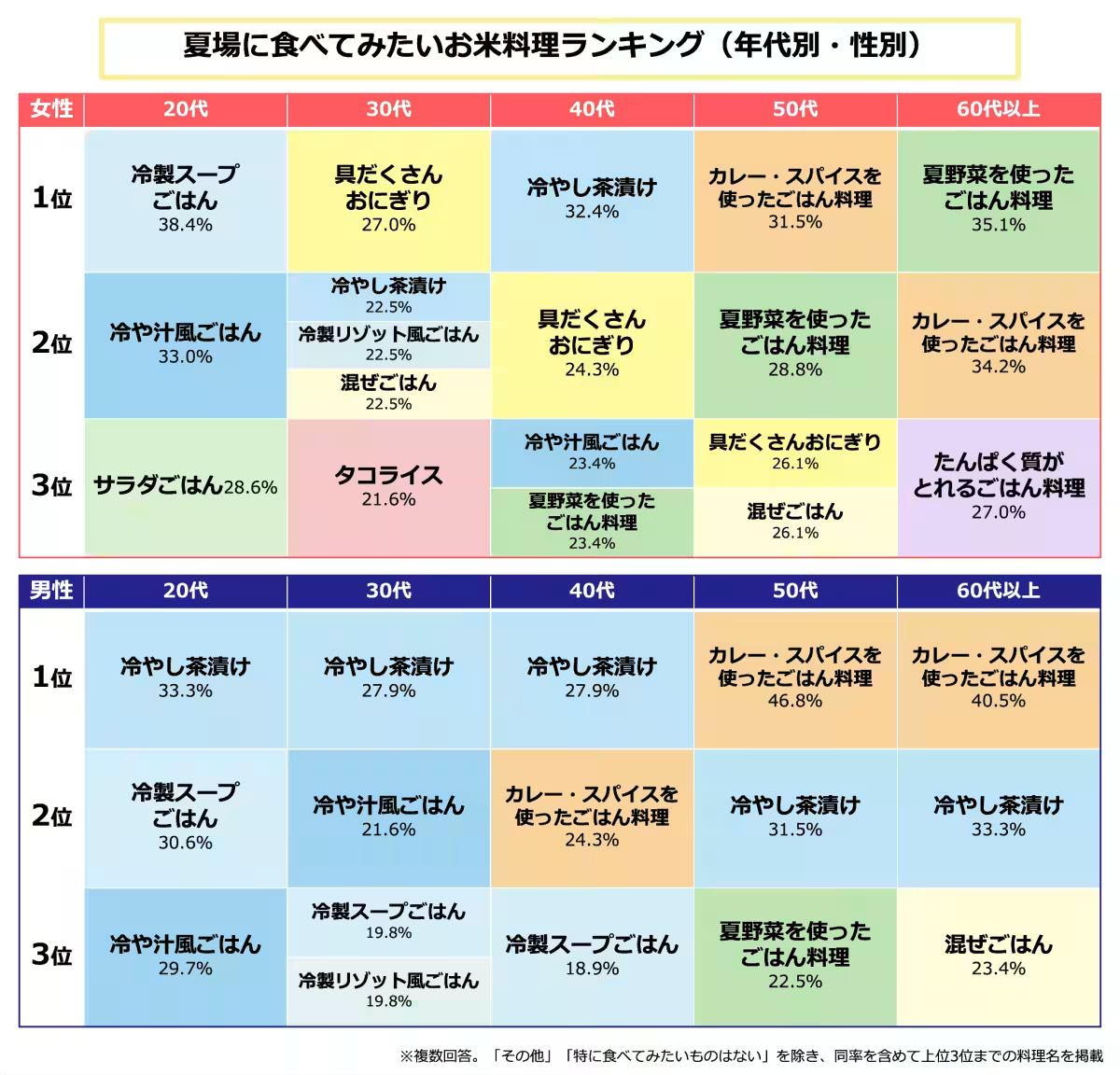
4. Cold Meals Rise in Popularity: Traditional summer staples like cold noodles remain popular (e.g., somen at 56.5% and hiyashi chuka at 52.9%); however, there is a notable interest in cold rice dishes. About 27.2% showed interest in trying cold ochazuke, a refreshing rice dish served cold, indicating a shift toward seeking variety in summer meals.
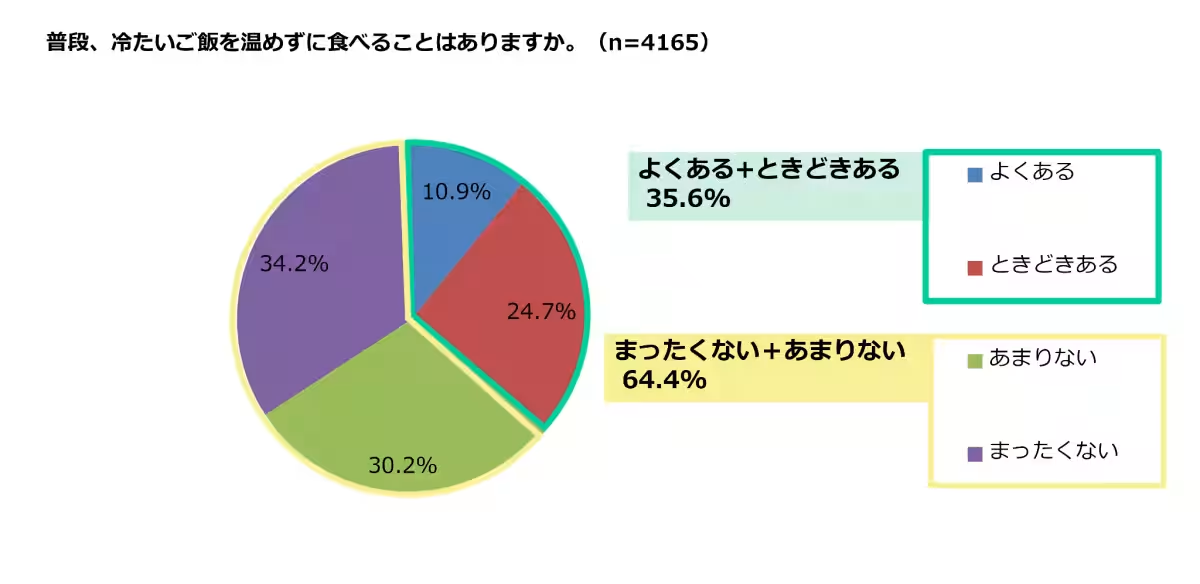
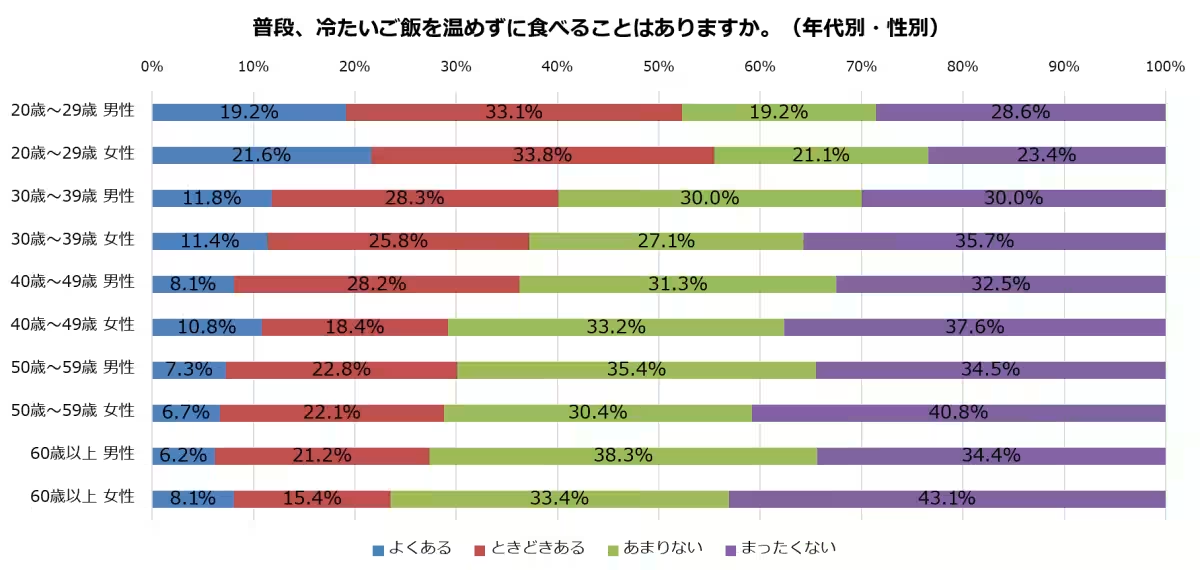
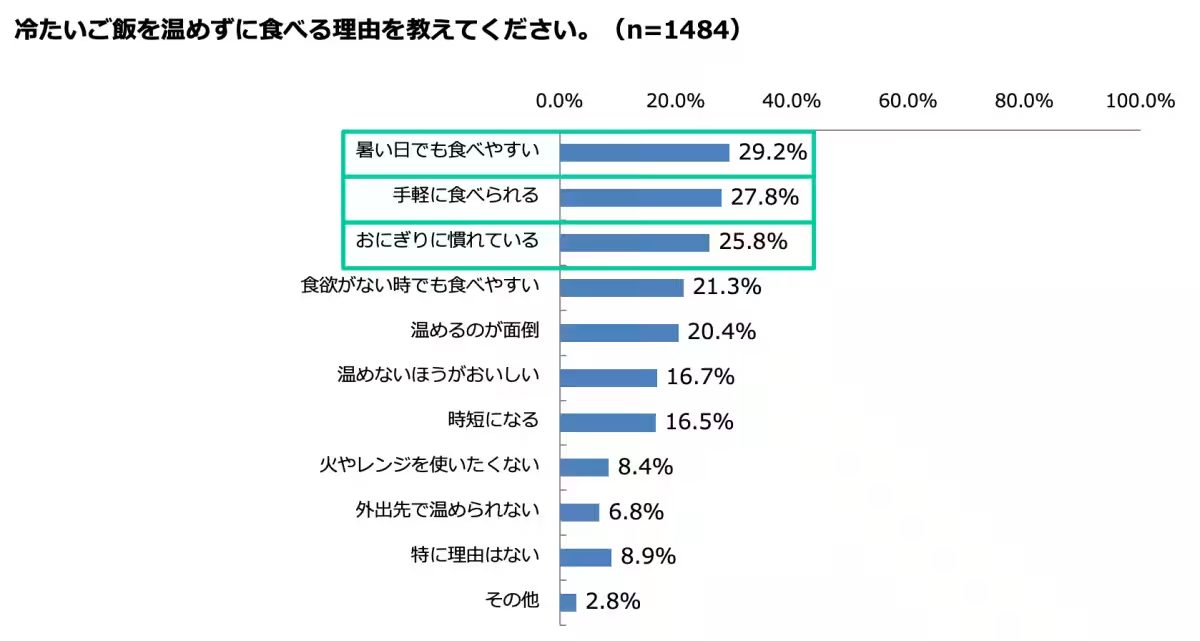
5. Cold Rice Consumption: Surprisingly, over 53.9% of those in their 20s reported consuming cold rice without reheating. The reason? It's easy to eat when it’s hot outside. This trend indicates a potential rise in the acceptance of cold rice dishes, alongside traditional favorites.
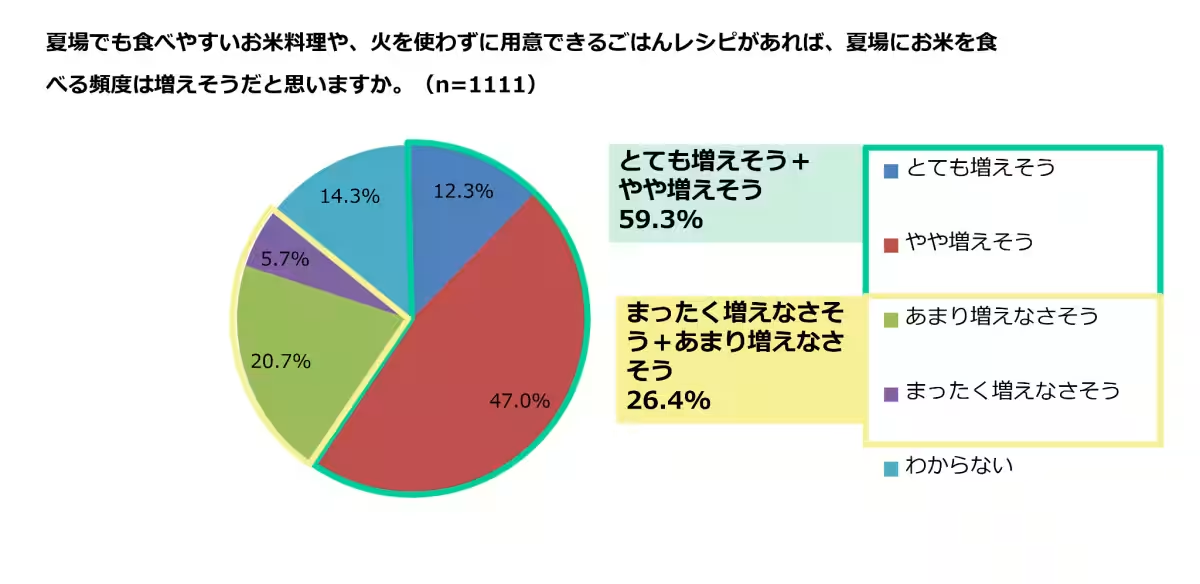
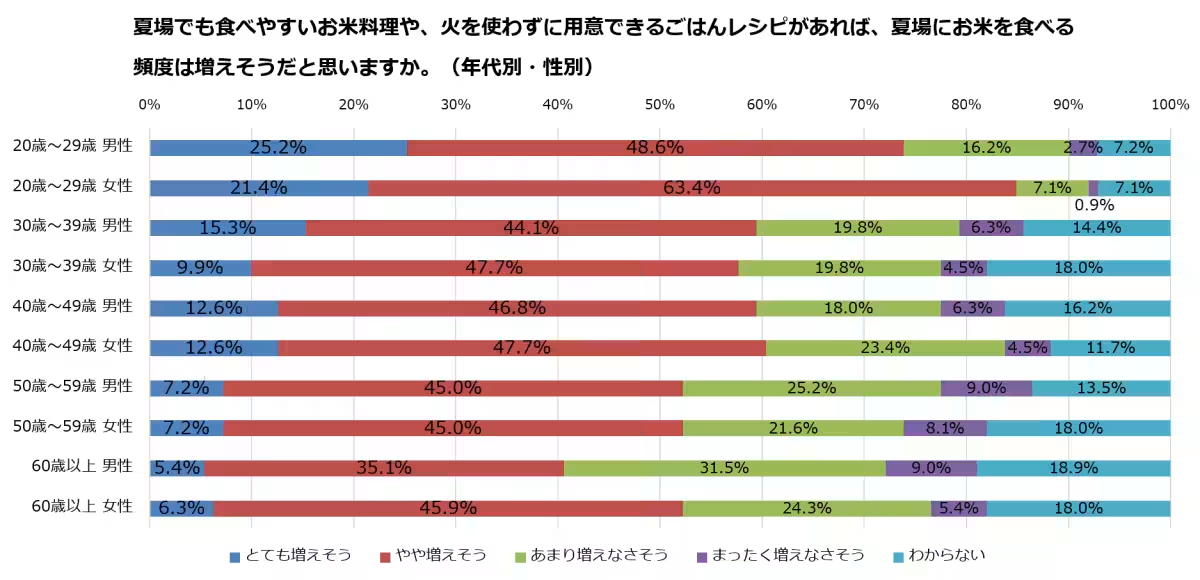
6. Increased Interest in Rice Recipes: Notably, 59.3% of respondents believe that they would increase their rice consumption frequency if summer-friendly recipes were available. Among young women, this figure surges to over 84%, indicating a strong interest in adapting rice dishes for warmer months.
Conclusion and Future Directions
The findings of this survey underscore a notable change in how extreme summer heat is influencing eating habits in Japan. With more people refraining from outdoor dining and expressing dissatisfaction with the cooking burden, there is a clear demand for lighter, quicker, and more refreshing meals. The emergence of cold rice as an alternative to traditional summer dishes suggests that food preferences are evolving.
In response, the National Agricultural Cooperative Federation aims to launch its new initiative, the Seasonal Rice Project, which intends to shed light on innovative rice recipes suited for the summer season while catering to current consumer needs. This project will be developed further in subsequent seasons, exploring more dining adaptations during autumn, winter, and spring.
As the temperature rises, so too does the need for flexibility and creativity in our culinary practices. By recognizing these trends and preferences, we can better respond to the challenges of summer dining, creating enjoyable and accessible meals for everyone.
Topics Consumer Products & Retail)
【About Using Articles】
You can freely use the title and article content by linking to the page where the article is posted.
※ Images cannot be used.
【About Links】
Links are free to use.