



Litmus Launches Unique Platform To Bridge Gap in Pharmacy Student Hiring
Litmus: A Game-Changer for Pharmacy Student Recruiting
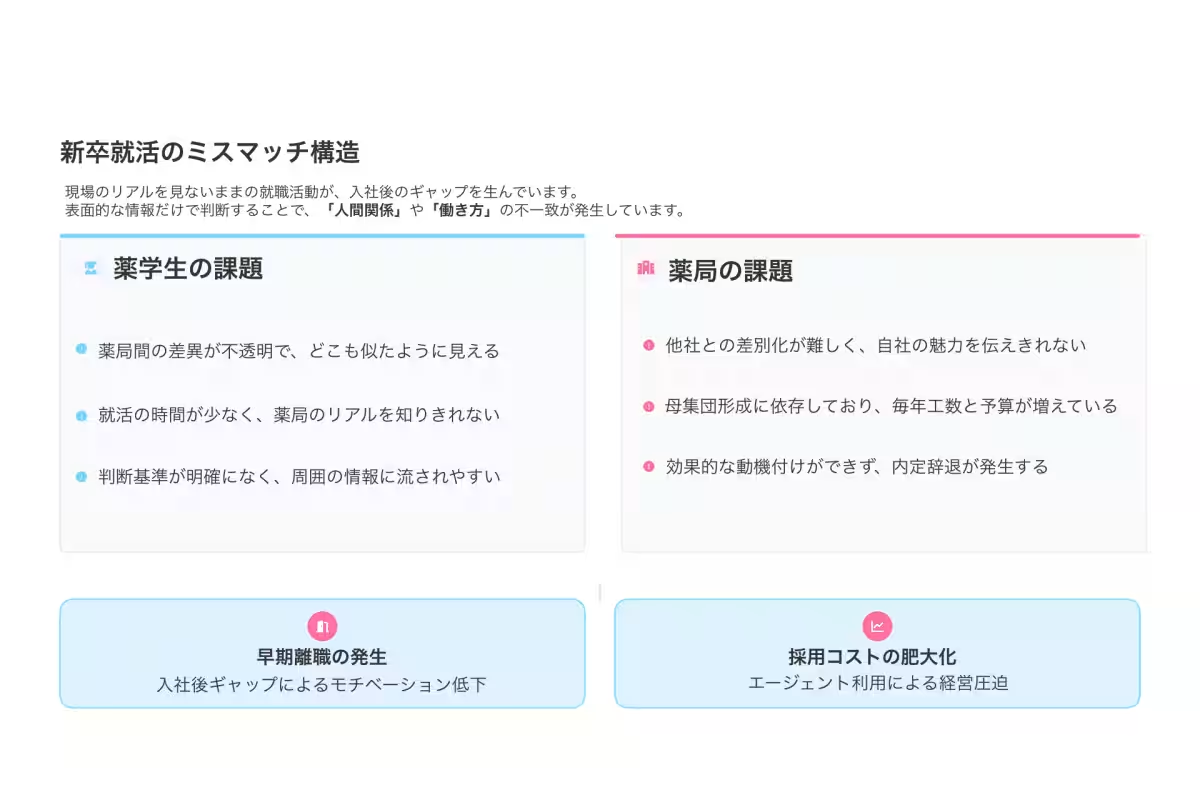
In today's competitive job market, pharmacies are facing a daunting challenge in attracting and retaining skilled pharmacy students. Despite increasing recruitment budgets, the number of hires remains stagnant. New graduates often decline job offers or leave shortly after starting, creating a detrimental cycle for pharmacy owners and hiring managers. This recurring issue stems from outdated hiring practices that fail to adequately connect with young pharmacists.
Recognizing these structural problems, AVE Co., Ltd., located in Shibuya, Tokyo and led by CEO Takumi Funabiki, has launched a pharmacy-specific hiring platform named Litmus on June 26, 2026. This innovative solution aims to transform how pharmacies recruit pharmacy students by addressing the root causes of attrition.
The Mismatch in Pharmacy Student Recruitment
Statistics reveal that the turnover rate for newly graduated pharmacists is concerning, with around 10% leaving within the first year and about 30% within three years. The primary reason for leaving falls under the category of 'interpersonal relationships,' which is not simply an issue that arises post-employment but rather hints at deeper issues occurring during the recruitment process.
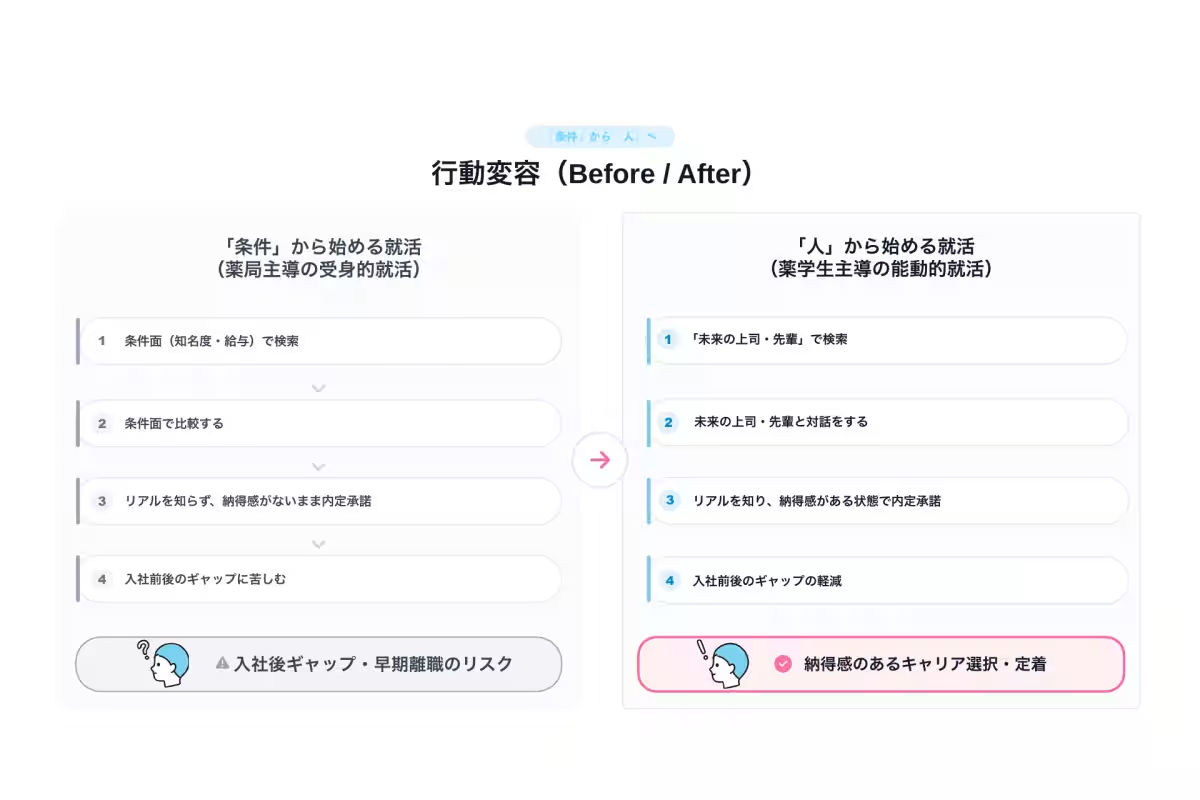
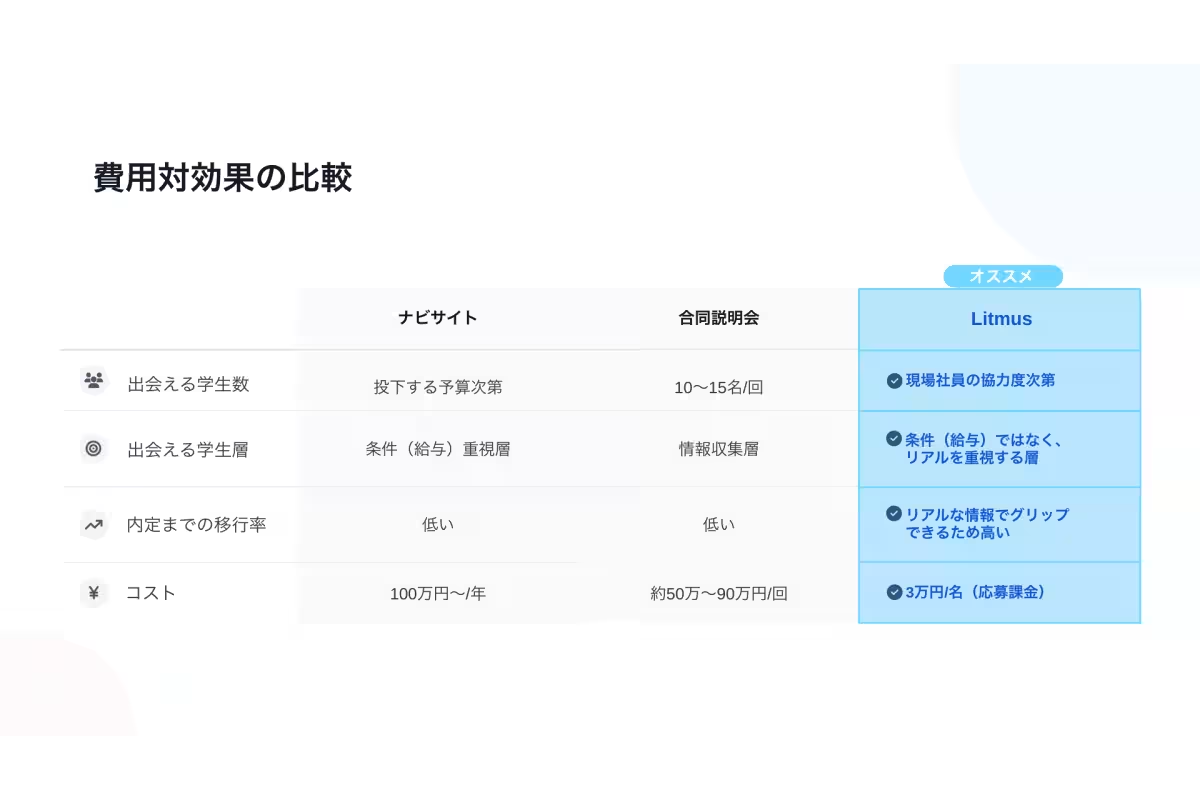
Traditional large job portals and collective recruitment fairs often emphasize salary and brand prestige, leading pharmacy students to choose their employers based solely on these criteria. As a result, they enter the workforce without a clear understanding of the real-life dynamics at their potential workplaces.
This disconnect means pharmacy students often start jobs on a whim, leading to early departures when the realities of their roles become apparent. Consequently, a mismatch between workplace expectations and experiences arises, contributing to high turnover rates.
How Litmus Works: Redefining Recruitment
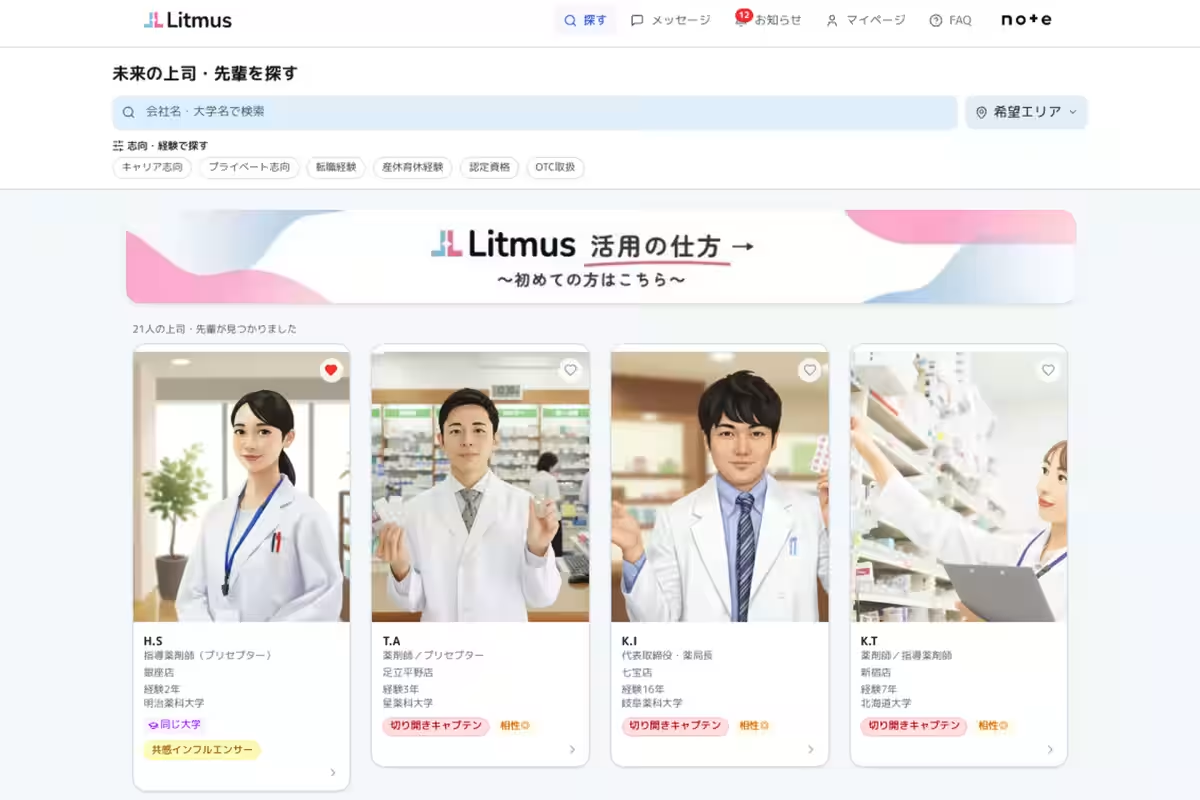
Litmus introduces a fresh concept where pharmacy students can explore and connect with their potential future supervisors and colleagues. Unlike conventional job-hunting models that revolve around salary and reputation, Litmus allows candidates to look for mentors based on real workplace dynamics.
The platform encourages pharmacy students to assess various factors such as home-visit service practices and workplace cultures before engaging in conversations with potential mentors. This approach ensures that students have a solid understanding of their prospective workplaces and can make informed decisions based on genuine interactions.
Instead of traditional recruiting methods where hiring managers

Topics Other)
【About Using Articles】
You can freely use the title and article content by linking to the page where the article is posted.
※ Images cannot be used.
【About Links】
Links are free to use.