



Imajina Hosts Seminar in Fukuoka Addressing Labor Shortages with Scientific Assessment
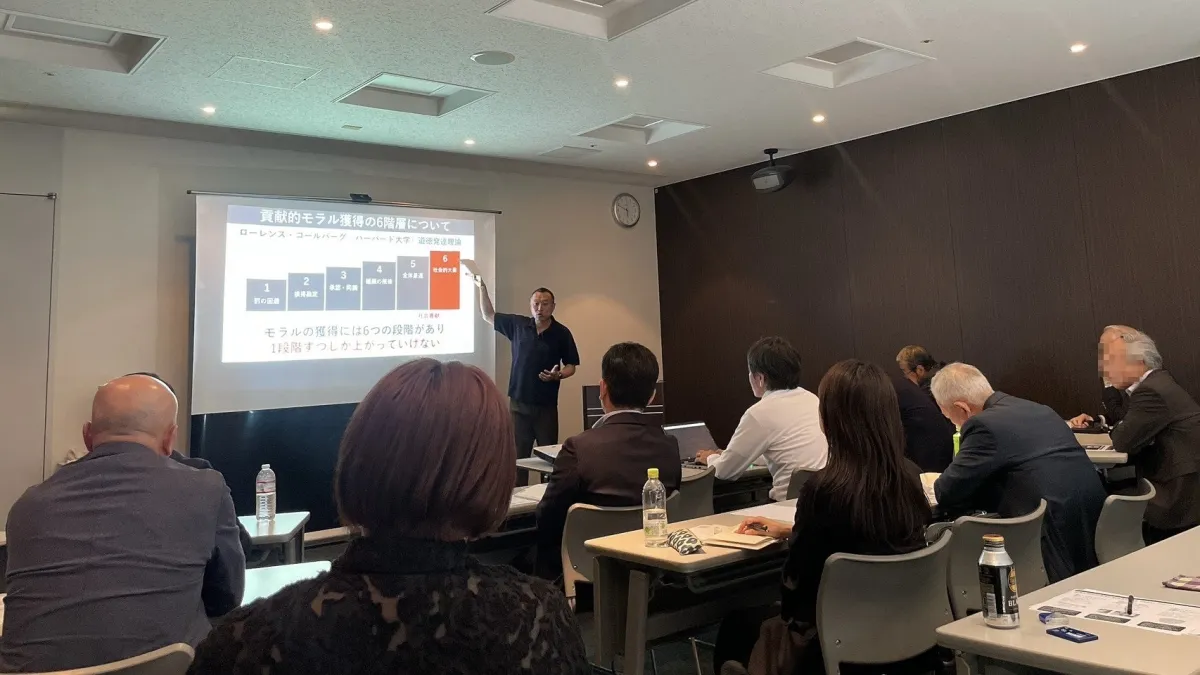
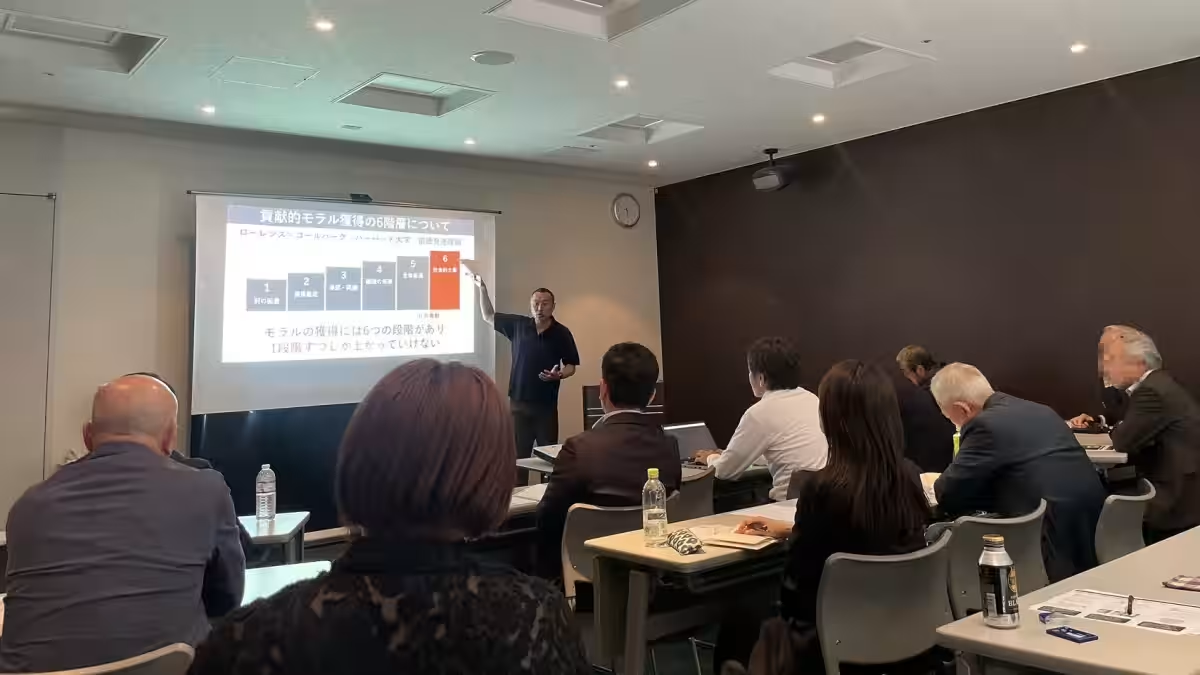
On June 15, 2026, Imajina hosted a pivotal seminar at Aqua Hakata in the Hakata district of Fukuoka City, aimed at addressing critical labor shortages and succession issues faced by local businesses. With the dynamic economic growth spurred by large-scale urban redevelopment projects like 'Tenjin Big Bang,' Fukuoka is experiencing a thriving economy. However, this growth comes hand-in-hand with a severe crisis of 'human capital' threatening the sustainability of many enterprises. According to a recent report by Teikoku Databank, a staggering 48.7% of companies in Fukuoka Prefecture are grappling with a shortage of full-time employees. Particularly affected are the construction and logistics sectors, where over 60% of companies report being in a critical situation due to labor deficits.
Adding to the complexity, succession planning is facing a significant impasse. With an alarming 50.8% of businesses in the region lacking a successor, a particularly concerning statistic emerges: among companies led by presidents under 30, a shocking 83.7% do not have a successor in place. While it might seem reasonable for younger leaders to be without successors, this high vacancy signifies a detrimental flaw within organizations—the absence of a reliable second-in-command or candidate to support management. Younger business leaders often rely too heavily on their personal capabilities, creating a management structure that is overly dependent on a single individual, which can undermine continuity plans in emergencies (BCP) and critically stifle the development of the next generation of leaders.
The lack of dependable leadership further exacerbates employee burnout and contributes to a staggering estimated loss of approximately 6.4 million yen per staff member due to early resignations—highlighting invisible vulnerabilities within organizations. Moreover, many companies find themselves trapped in a cycle of recruitment difficulties and early turnover due, in part, to Japan's unique culture of promoting untrained managers. The International Institute for Management Development (IMD) ranks Japanese corporate management education a dismal 60th out of 64 countries, underscoring the need for reform. When leaders advance based solely on performance, without suitable training, it fosters an environment where employees await instructions, causing divisions within teams and resulting in significant turnover costs.
Imajina's seminar unveiled the innovative ICA (Imajina Cambridge Assessment), developed in partnership with Cambridge University, which introduces a holistic organizational transformation methodology. Unlike conventional assessments that are merely used as elimination tools during hiring, ICA positions itself as a comprehensive platform that supports every phase of organizational management through rigorous scientific data. The assessment aims to improve recruitment practices by eliminating dishonest responses, as it incorporates four audit scales to ensure the integrity of the results, revealing genuine personal traits.
Adequate placement is critical, and ICA's comprehensive measurement of 16 personality scales ensures a scientific approach to aligning individuals with their most suitable roles, thereby minimizing mismatches that lead to workplace exhaustion and turnover. Additionally, ICA supports tailored professional development based on assessment outcomes, enabling managers to apply scientific methods to their guidance, transforming their interaction with team members.
ICA also assesses leadership fit and emotional intelligence (EQ), effectively preparing organizations for future challenges by identifying and nurturing candidates for potential senior roles. This insight is crucial, especially given Fukuoka's pressing concerns around manager preparedness.
In terms of organizational health, ICA’s risk diagnostics can visualize engagement levels and latent issues—such as fragmentation or low motivation—before they affect performance. This proactive measure supports timely interventions necessary to reinforce organizational culture.
To maximize the success rate of human capital investments, Imajina’s organizational transformation methodology combines insights from ICA (focusing on individual talent) and engagement indicators (examining shared principles) to deliver significant organizational improvements. The ‘Principle Resonance Survey’ quantifies how well employees understand and act upon company values, which fosters a unified cultural approach to evaluation and self-leadership within the organization.
Data shows that top global companies invest 15 times more in employee training compared to their Japanese counterparts. Furthermore, businesses that effectively nurture their executives and potential successors experience growth rates exceeding four times that of others. Imajina aims to roll out world-class solutions that streamline hiring, training, and placement across Japan's regional companies, thereby contributing to the creation of a strong business culture that supports sustainable regional economic growth.
Seminar Overview
For inquiries on this matter, please contact:
Adding to the complexity, succession planning is facing a significant impasse. With an alarming 50.8% of businesses in the region lacking a successor, a particularly concerning statistic emerges: among companies led by presidents under 30, a shocking 83.7% do not have a successor in place. While it might seem reasonable for younger leaders to be without successors, this high vacancy signifies a detrimental flaw within organizations—the absence of a reliable second-in-command or candidate to support management. Younger business leaders often rely too heavily on their personal capabilities, creating a management structure that is overly dependent on a single individual, which can undermine continuity plans in emergencies (BCP) and critically stifle the development of the next generation of leaders.
The lack of dependable leadership further exacerbates employee burnout and contributes to a staggering estimated loss of approximately 6.4 million yen per staff member due to early resignations—highlighting invisible vulnerabilities within organizations. Moreover, many companies find themselves trapped in a cycle of recruitment difficulties and early turnover due, in part, to Japan's unique culture of promoting untrained managers. The International Institute for Management Development (IMD) ranks Japanese corporate management education a dismal 60th out of 64 countries, underscoring the need for reform. When leaders advance based solely on performance, without suitable training, it fosters an environment where employees await instructions, causing divisions within teams and resulting in significant turnover costs.
Imajina's seminar unveiled the innovative ICA (Imajina Cambridge Assessment), developed in partnership with Cambridge University, which introduces a holistic organizational transformation methodology. Unlike conventional assessments that are merely used as elimination tools during hiring, ICA positions itself as a comprehensive platform that supports every phase of organizational management through rigorous scientific data. The assessment aims to improve recruitment practices by eliminating dishonest responses, as it incorporates four audit scales to ensure the integrity of the results, revealing genuine personal traits.
Adequate placement is critical, and ICA's comprehensive measurement of 16 personality scales ensures a scientific approach to aligning individuals with their most suitable roles, thereby minimizing mismatches that lead to workplace exhaustion and turnover. Additionally, ICA supports tailored professional development based on assessment outcomes, enabling managers to apply scientific methods to their guidance, transforming their interaction with team members.
ICA also assesses leadership fit and emotional intelligence (EQ), effectively preparing organizations for future challenges by identifying and nurturing candidates for potential senior roles. This insight is crucial, especially given Fukuoka's pressing concerns around manager preparedness.
In terms of organizational health, ICA’s risk diagnostics can visualize engagement levels and latent issues—such as fragmentation or low motivation—before they affect performance. This proactive measure supports timely interventions necessary to reinforce organizational culture.
To maximize the success rate of human capital investments, Imajina’s organizational transformation methodology combines insights from ICA (focusing on individual talent) and engagement indicators (examining shared principles) to deliver significant organizational improvements. The ‘Principle Resonance Survey’ quantifies how well employees understand and act upon company values, which fosters a unified cultural approach to evaluation and self-leadership within the organization.
Data shows that top global companies invest 15 times more in employee training compared to their Japanese counterparts. Furthermore, businesses that effectively nurture their executives and potential successors experience growth rates exceeding four times that of others. Imajina aims to roll out world-class solutions that streamline hiring, training, and placement across Japan's regional companies, thereby contributing to the creation of a strong business culture that supports sustainable regional economic growth.
Seminar Overview
- - Date: June 15, 2026 (Monday) 17:00-18:30 (Doors open at 16:45)
- - Venue: Aqua Hakata, 3rd Floor D Conference Room (5 Chome-3-8 Nakasu, Hakata-ku, Fukuoka)
- - Participation Fee: Free
- - Instructor: Yoshiki Sekino, President and CEO of Imajina
For inquiries on this matter, please contact:
- - Contact: Mina Aoe
- - Phone: 03-3511-5525
- - Fax: 03-3511-8228
- - Email: [email protected]
Topics Business Technology)
【About Using Articles】
You can freely use the title and article content by linking to the page where the article is posted.
※ Images cannot be used.
【About Links】
Links are free to use.