



Analyzing Shareholder Proposals Trends for 2026: Beyond Shareholder Returns to Business Evaluations
Understanding the Emerging Landscape of Shareholder Proposals in 2026
In a recent analysis by EY-Parthenon, a segment of EY Strategy and Consulting Group, the developments surrounding shareholder proposals during the first half of 2026 have been examined. These findings indicate a significant shift in the corporate feedback landscape, showcasing an expanding scope of activist demands.
Key Findings
Record High Participation and Rising Activist Proposals
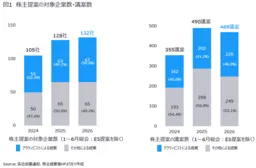
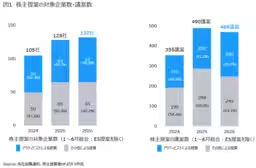
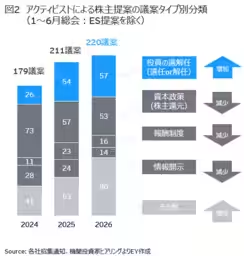
In the first half of 2026, the number of companies subject to shareholder proposals reached a record high of 132. Activist proposals accounted for 220 motions, which marked an increase from 41.2% to 46.9% compared to the previous year. The number of targeted companies increased significantly from 55 and 63 in 2024 and 2025, respectively.
Shift from Shareholder Returns to Evaluating Individual Businesses
Interestingly, while proposals relating to capital policy have seen a decline for two consecutive years, the number of proposals demanding the reevaluation of board members has increased. This shift signifies that shareholder activism is evolving from focusing purely on capital returns to engaging in dialogue aimed at enhancing individual business performance.
Assessing Performance of Individual Businesses
Among the 25 companies approached with shareholder proposals demanding board member re-evaluations, more than half (13 companies) cited performance issues regarding specific business units as key reasons. This trend indicates a movement towards deeper analysis of operational performance rather than focusing solely on broad themes of capital efficiency or shareholder returns. Activists are now scrutinizing low-profit divisions, evaluating investment decisions, and advocating for a review of business portfolios.
Not Simply About Expanding Returns
Interestingly, 62% of the companies receiving shareholder proposals were already providing shareholder returns above market median levels. This points to an important realization that merely enhancing shareholder returns may not suffice to prevent shareholder proposals. The focus is shifting towards ensuring thoughtful capital allocation and strategic business evaluations rather than just increasing returns.
Growing Support for Shareholder Proposals
Support for shareholder proposals seems to be on the rise, with nearly 67% of firms achieving a support rate exceeding 20% for activist motions, up from 42.9% the previous year. Among these companies, nearly half were newly identified for proposals, indicating a stronger tendency for shareholders to rally behind calls for enhanced corporate governance and value improvement.
Implications for Corporate Strategy
Based on these findings, EY-Parthenon emphasizes that companies must enhance their communicative competency regarding their strategic approaches and business evaluations. While many firms have implemented certain levels of shareholder returns, this transitional landscape suggests that the evaluation criteria imposed by markets are evolving from basic returns towards sustaining corporate value enhancement.
Firms should ensure clear communication regarding their low-performing business entities, growth strategies, and capital allocation policies, alongside engaging in constructive dialogue with stakeholders. Furthermore, as activism transitions towards a more dialogic approach, maintaining open channels of communication with shareholders is crucial in building ongoing support for corporate value enhancement.
Commentary from EY-Parthenon’s Strategy Director
Takeshi Sasaoka, a Strategy Director at EY-Parthenon, noted, “2026 shareholder proposals increasingly question the driver of business growth, pressing for assessments on investments aimed at sustainable growth. This trend is synergistic with governance reforms led by the Tokyo Stock Exchange and the Ministry of Economy, Trade and Industry (METI), which are anticipated to accelerate further.”
In conclusion, the growing prevalence of shareholder proposals signifies a profound change in corporate evaluation standards, moving from a short-term focus to the broader spectrum of sustainable corporate governance and performance assessment. Companies must therefore amplify their accountability by establishing a framework for transparent dialogue regarding their strategic choices and market expectations.
Explore More
For a deeper dive into this analysis and the strategic engagement support services to enhance business value, please refer to EY Japan's website.
About EY
EY is committed to building a better working world by creating new value for clients, people, and society. By leveraging data, AI, and advanced technologies, our teams help clients navigate present and future challenges, enabling them to shape a better future with confidence. EY operates across assurance, consulting, tax, and transaction domains globally, with services offered in over 150 countries.
For more information about EY and its services, visit ey.com.
Topics Business Technology)

【About Using Articles】
You can freely use the title and article content by linking to the page where the article is posted.
※ Images cannot be used.
【About Links】
Links are free to use.