



Survey Reveals Workers' Concerns About Wage Increases and Job Satisfaction for 2026
Understanding the 2026 Wage Increase Awareness Survey
A recent survey conducted by Job Souken, which is operated by Persol Career Co., LTD. and offers job transition services such as doda, encompassed 278 working men and women. The goal of this survey was to assess opinions on wage increases, work-life balance, and the dissatisfaction felt regarding current income and job conditions in the lead-up to 2026.
Growing Concerns Over Wage Increases
With essentials like food prices rising and global events leading to increased energy costs, workers are feeling the pinch on daily expenses. The survey found that as of April 2026, rising costs are becoming a pressing concern for many, overshadowing their hopes for an improved work environment.
Myriad responses express a clear preference for higher wages over improved workplace conditions, particularly as many feel that wage increases are not keeping pace with inflation. Since a prior survey in 2024, workers have shown heightened concern regarding their financial futures, with a growing number dissatisfied with their current earnings.
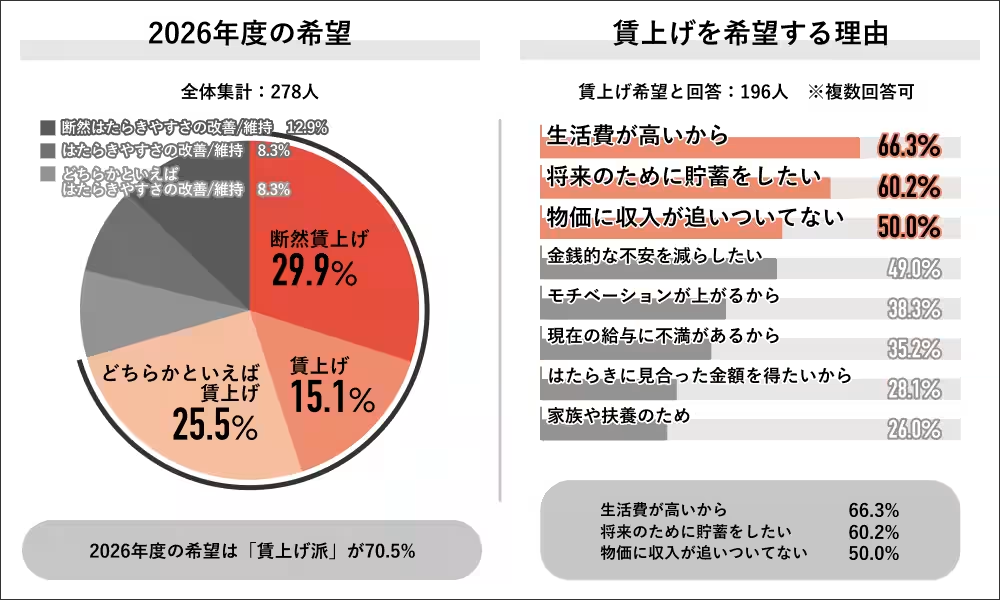
Among the participants, 70.5% indicated that they prioritize wage increases over better working conditions. Various reasons emerged from this demographic: 66.3% cited high living costs, while 60.2% expressed a desire to save for the future.
Survey Overview
- - Sample Size: 278 active participants
- - Method: Online survey
- - Period: March 29–31, 2026
- - Demographic: Males and females aged 20 to 50
Key Findings
Preference for Wage Increases
In response to the question of preference between wage increases and improved working conditions, 70.5% chose wage increases, with breakdowns showing that nearly 30% were strongly in favor. Those choosing wage increases commonly cited high living expenses as a main concern.
Current Wage Dissatisfaction
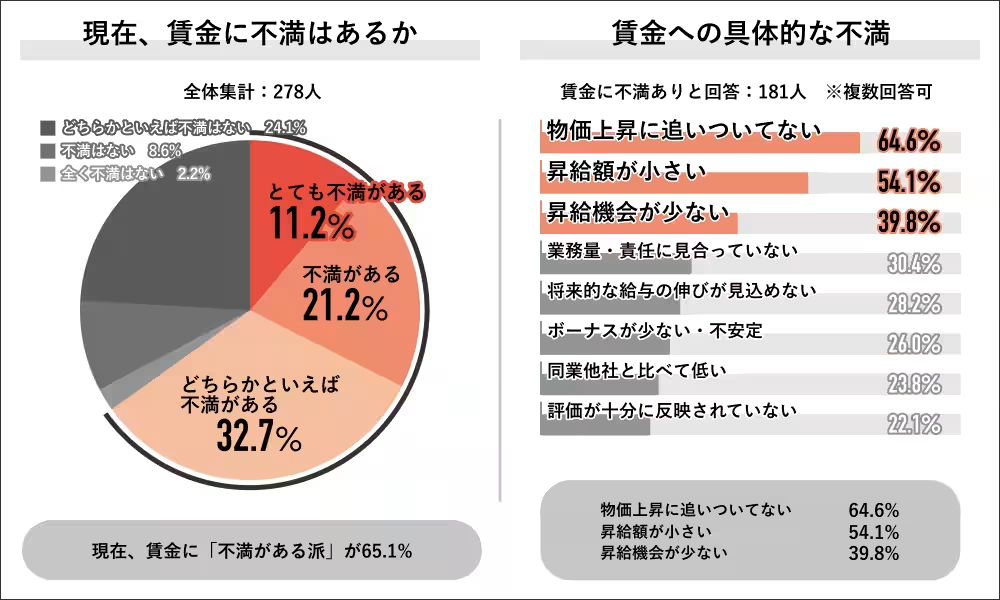
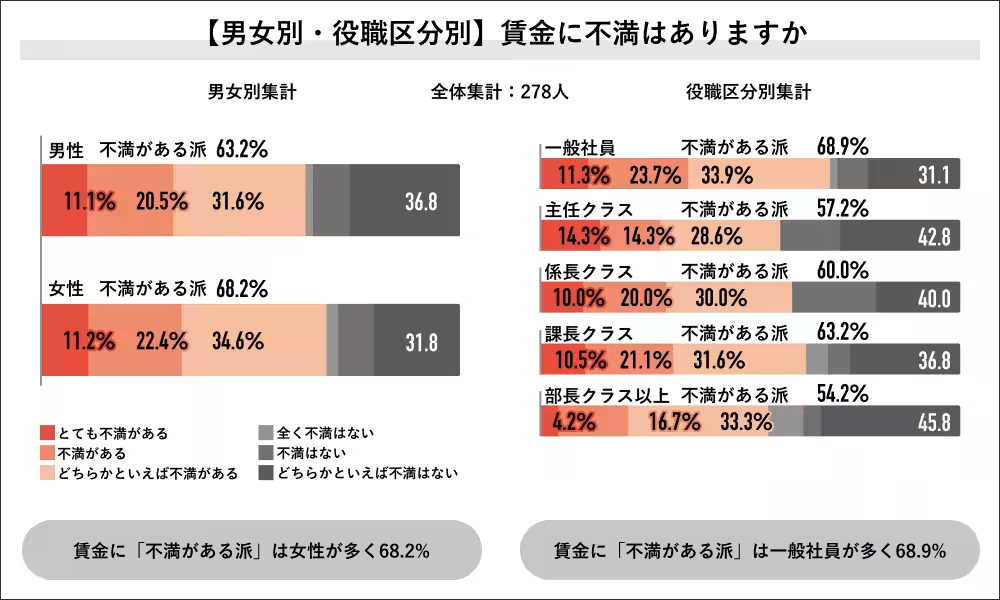
Over 65% of respondents expressed dissatisfaction with their current wages. Responses to what contributed to this dissatisfaction were revealing as well, with many indicating that their wages are not keeping pace with the cost of living, while others pointed to infrequent or minimal wage increases. There’s a notable gender gap, with 68.2% of women voicing dissatisfaction compared to 63.2% of men.
Expectations for 2026 Salary Increases
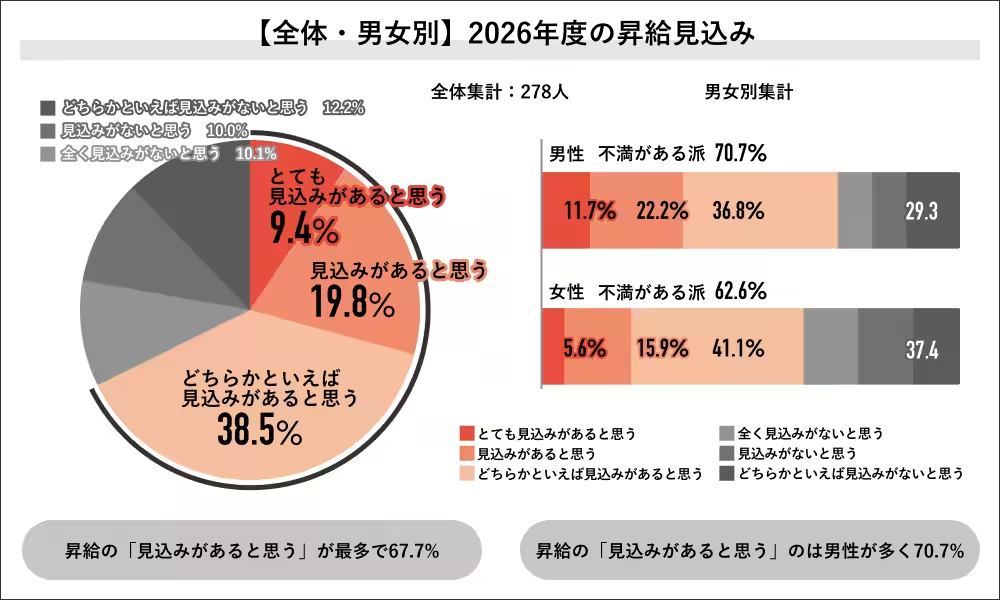
Despite grievances, a significant 67.7% believed they would see salary increases in 2026, with a notably higher percentage of men (70.7%) anticipating a rise compared to women (62.6%).
Job Satisfaction Related Concerns
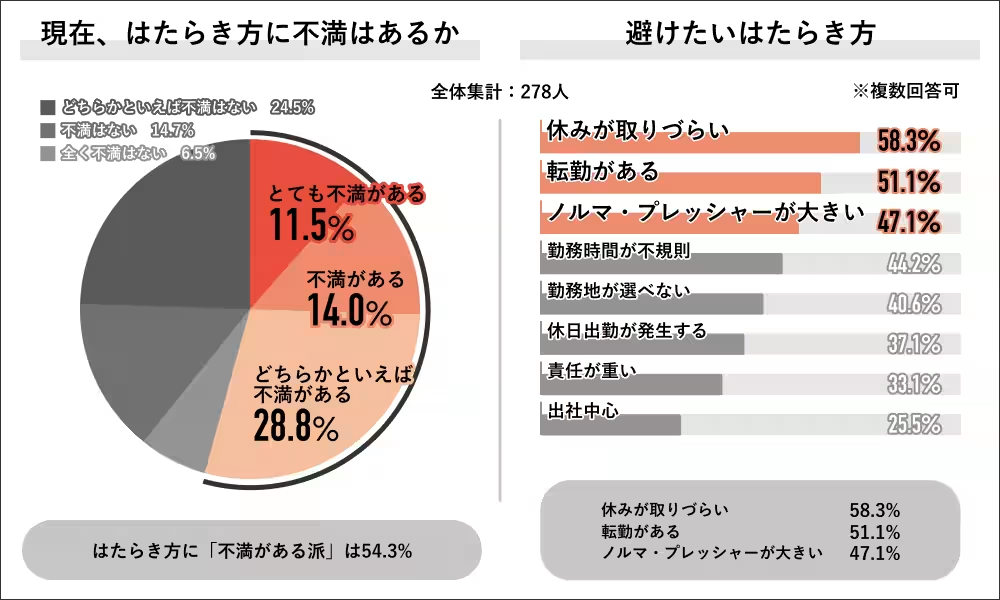
More than half of the respondents also reported dissatisfaction with their working conditions. Concerns regarding the difficulty of taking leave and potential transfers ranked high among their grievances.
Survey participants voiced specific feedback regarding their work environments, indicating that infrequent raises leave them feeling undervalued. Some mentioned that they felt their salary increases were nominal and not reflective of their contributions or the rising costs of living.
Summary
The findings from Job Souken’s “2026 Wage Increase Awareness Survey” underscore a pressing demand for salary increments among professionals. A considerable population prefers higher wages over improved workplace conditions, rooted in fears related to the cost of living and personal savings. Over 60% report wage dissatisfaction, indicating a strong perception that wages are not meeting inflation rates.
Employers are now facing the challenge of addressing these concerns to maintain a motivated workforce amid economic uncertainties. As costs continue to rise, it's evident that a mere acknowledgment of wage increases is not sufficient; companies must also create connection and trust concerning their compensation structures and methods. Moreover, the differences in perceptions regarding wage expectations between genders and job roles offer additional insights for organizational leaders. Job Souken aims to continuously explore these issues to facilitate better working experiences and contribute to a society where all can thrive.
For further explorations into work-related issues, Job Souken continues its mission to provide transparent data-driven insights, serving as a platform where common workplace practices can be reevaluated and improved upon.
- ---
Prepared by Riko Takagi, PR Manager, Persol Career Co., LTD.

Topics General Business)
【About Using Articles】
You can freely use the title and article content by linking to the page where the article is posted.
※ Images cannot be used.
【About Links】
Links are free to use.