



The Psychological Impact of Cashless Transactions on Spending Perception
The Psychological Impact of Cashless Transactions on Spending Perception
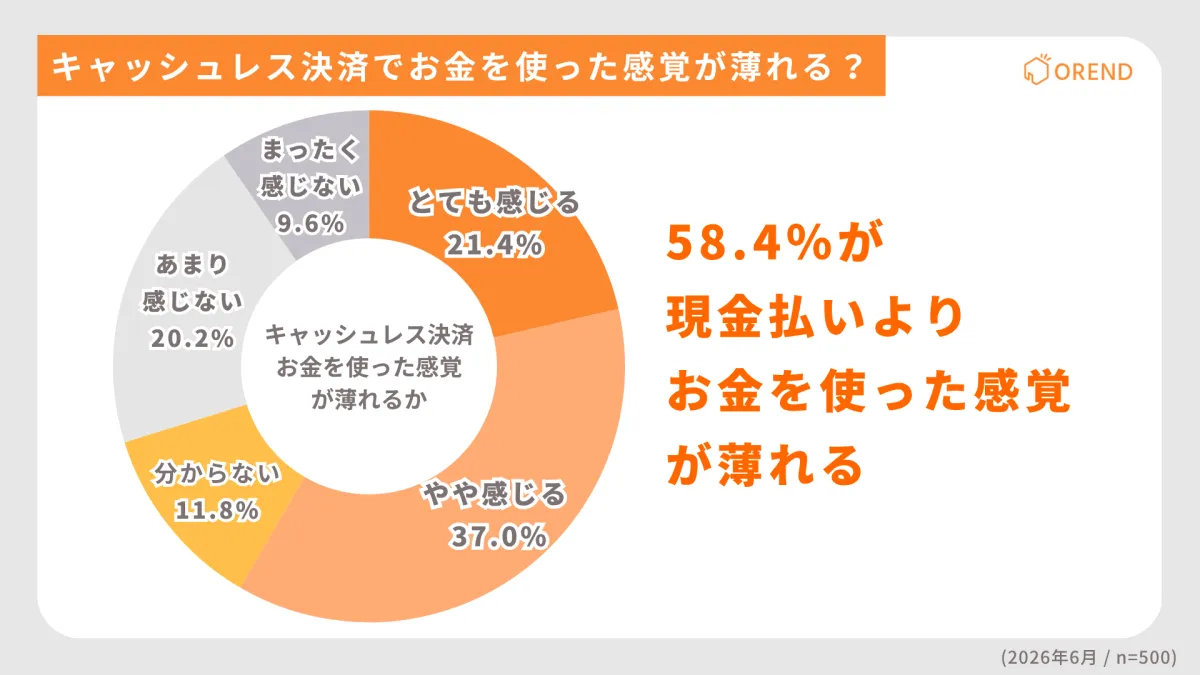
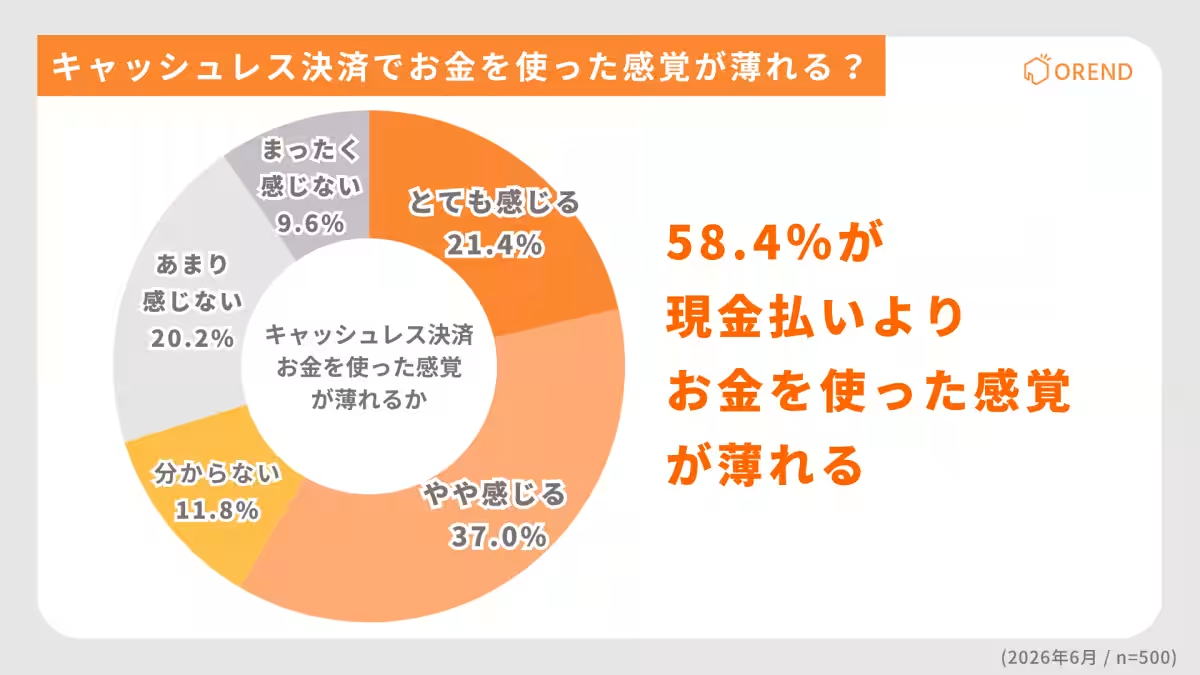
In recent years, cashless payment options such as credit cards, QR code payments, and electronic money have gained immense popularity around the world. While these methods provide convenience and speed during transactions, they also pose an intriguing psychological challenge. According to a recent survey involving 500 individuals aged 20 to 60, around 58.4% of respondents reported that cashless payments hinder their sense of financial expenditure. This article delves into the findings of the survey and explores the consequences of relying on cashless transactions in our daily lives.
Survey Highlights
Carried out by QiQUMO, the survey aimed to understand how individuals perceive spending through cashless payments. Key results include:
- - 58.4% of participants felt that cashless transactions make them feel less connected to their spending, with 21.4% expressing that they feel this strongly.
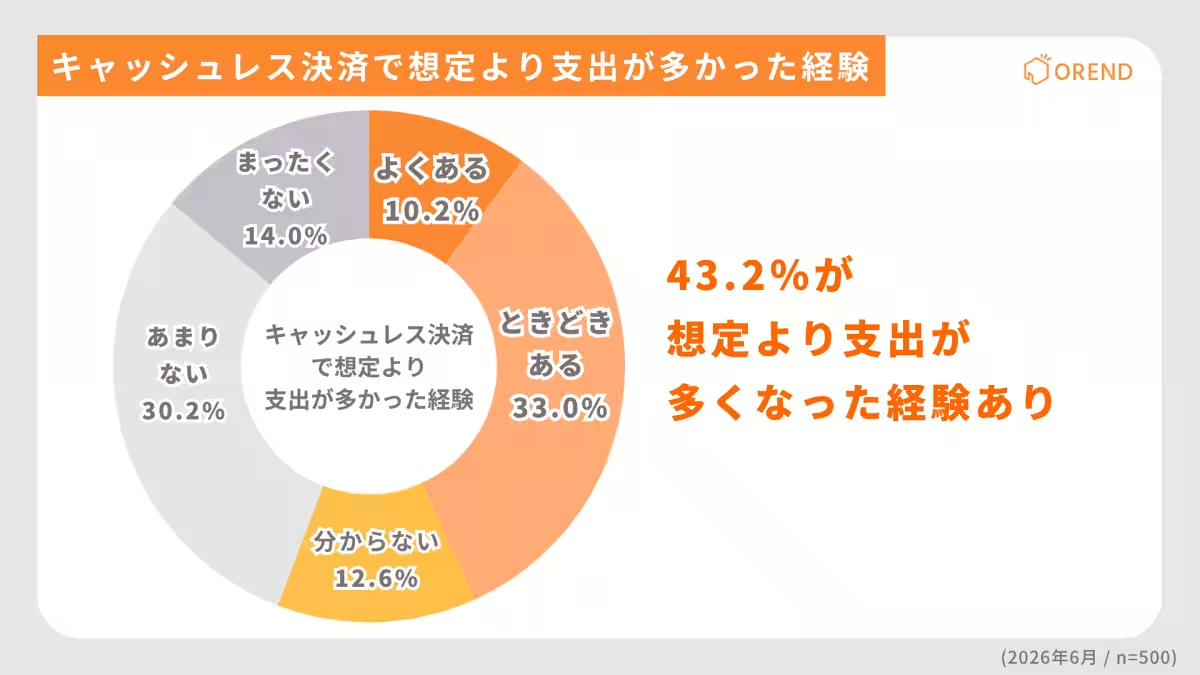
- - 43.2% reported experiences where their actual spending exceeded their expectations upon reviewing statements and balances.
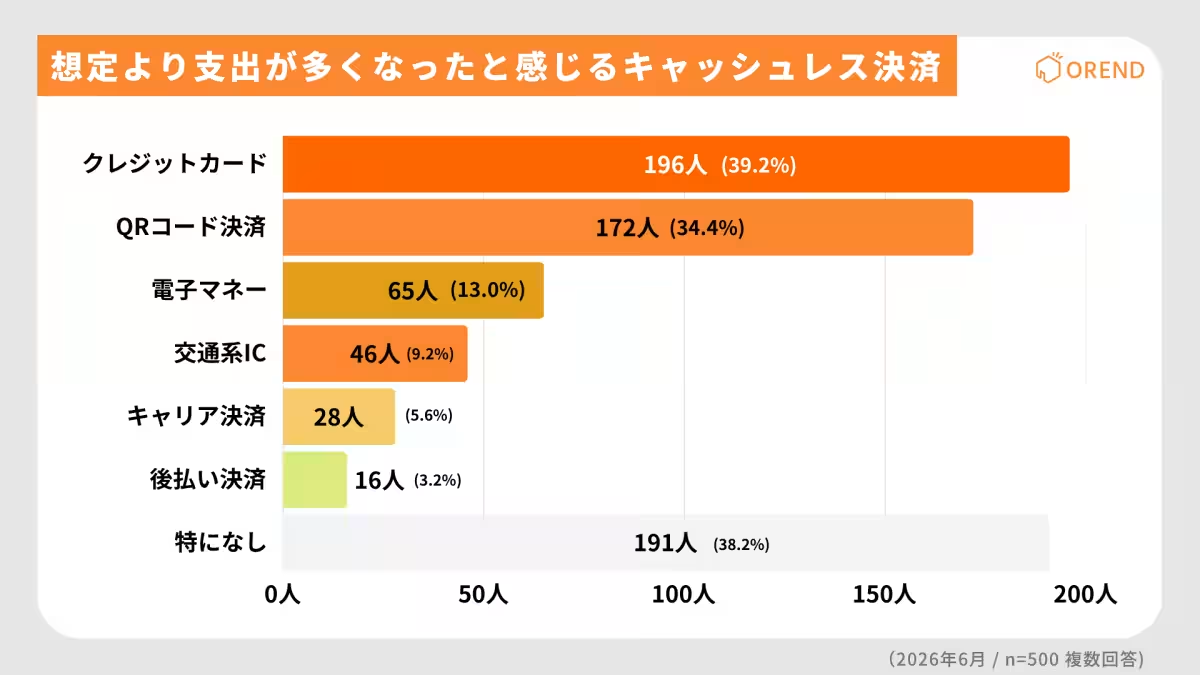
- - Credit cards were identified as the primary method contributing to unexpected spending, cited by 39.2% of respondents.
Diminished Sense of Spending
The data reveals a concerning trend: more than half of respondents feel that cashless transactions dilute their perception of spending money. This feeling can be attributed to several factors associated with cashless methods:
- - The absence of tangible cash exchange reduces the physical sensation that accompanies spending.
- - Quick payment actions, such as tapping a card or using a smartphone, eliminate the need for physical cash handling, leading to less critical consideration of the expenditure.
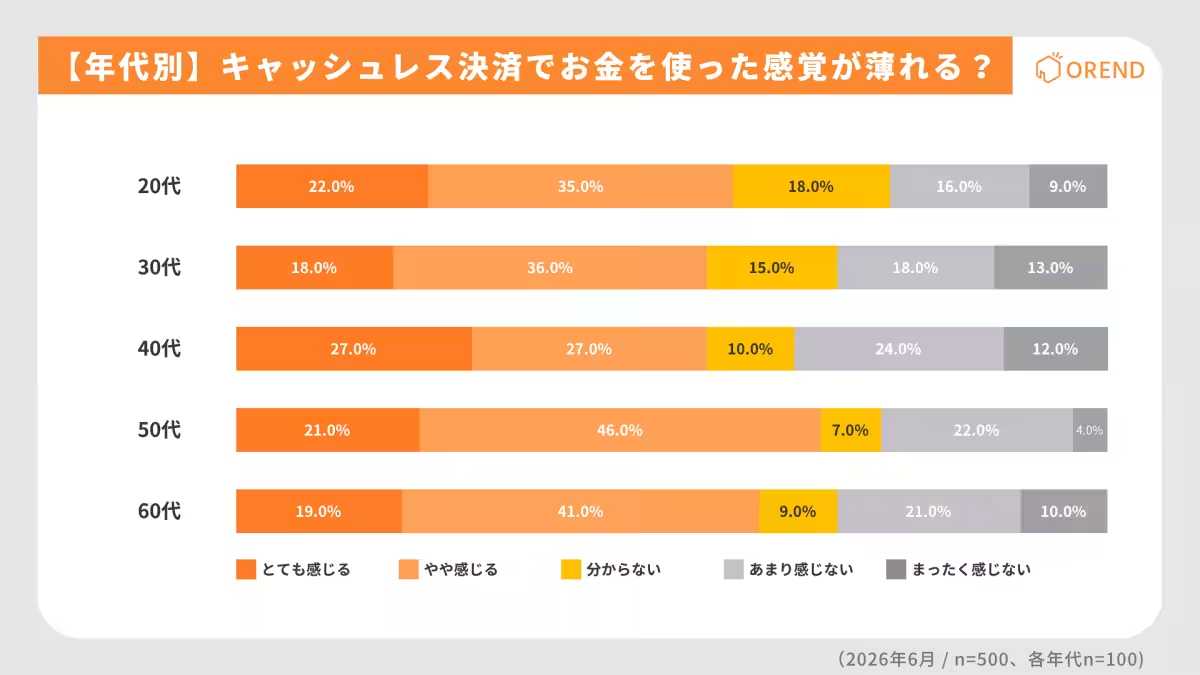
Among different age groups, individuals in their 50s reported the strongest feelings of diminished spending perception, with 67% acknowledging this sensation, while 20s had a lower figure at 57%.
The Weight of Statements
Another significant finding from the survey indicates that 43.2% of participants had experienced moments of shock regarding spending after consulting their financial statements or account balances. More specifically:
- - 10.2% stated that they frequently see this phenomenon in their spending habits, while 33.0% reported it occasionally occurring.
- - Conversely, about 44.2% claimed to not have such experiences at all.
This disparity suggests a complex relationship between cashless transactions and financial awareness. A large segment of the population is oblivious to their spending until faced with the stark reality of monthly statements.
Payment Methods and Spending Incidents
As for which cashless payment methods lead to these unexpected spending experiences, credit cards topped the list. Reasons include:
- - 39.2% of respondents noted credit cards specifically as their main vehicle for overspending.
- - QR codes and mobile payments also featured prominently, with 34.4% indicating these methods contributed to their financial surprise.
Interestingly, less frequently used methods like electronic money and transit IC cards had much lower percentages at 13.0% and 9.2%, respectively, underscoring the possible impact of larger transactions typically associated with credit cards.
What This Means for Consumers
The implications of these findings hint at a need for heightened financial literacy and awareness among cashless payment users. While the convenience of cashless transactions is undeniable, it's crucial for consumers to regularly review their spending habits and stay informed about their overall financial health.
As cashless payment continues to evolve and permeate daily transactions, users must adopt strategies to mitigate the risk of overspending without awareness. Techniques may include setting spending limits, using budgeting apps, or reviewing account balances more frequently to regain that connection to spending, helping to balance the scales between convenience and awareness.
Conclusion
In a world leaning increasingly toward cashless transactions, understanding the psychological nuances of our spending behaviors is crucial. Recognizing the diminished sense of spending and implementing measures to counteract it may lead to healthier financial habits and a greater awareness of personal finance in this evolving landscape.
For further details on cashless payment systems, visit OREND and explore their comprehensive resources on modern payment solutions.
Reference
OREND: A media platform focused on providing insights for effective store management and operational tools.
Topics Consumer Technology)
【About Using Articles】
You can freely use the title and article content by linking to the page where the article is posted.
※ Images cannot be used.
【About Links】
Links are free to use.